In contemporary business environments, organizations require systematic approaches to measure performance and predict future outcomes. Two fundamental measurement categories serve this purpose: presence metrics and leading indicators. Presence metrics quantify an organization’s market visibility and stakeholder engagement levels.
These measurements assess factors such as brand awareness, market share, customer interaction rates, and competitive positioning within specific industries or market segments. Leading indicators are forward-looking measurements that provide early signals about future business performance. These metrics enable organizations to identify trends, anticipate changes, and adjust strategies before outcomes materialize.
Unlike lagging indicators that report past results, leading indicators offer predictive value for decision-making processes. The integration of presence metrics and leading indicators creates a comprehensive measurement framework that evaluates both current market position and future performance potential. This dual approach enables organizations to assess their immediate competitive standing while maintaining strategic foresight.
Understanding the distinctions between these measurement types and their practical applications is essential for developing effective performance monitoring systems. Organizations that successfully implement both presence metrics and leading indicators can make data-driven decisions, optimize resource allocation, and maintain competitive advantages in their respective markets.
Key Takeaways
- Presence metrics track current visibility, while leading indicators predict future business success.
- Measuring success is crucial for informed decision-making and strategic growth.
- Online presence metrics and customer engagement are vital in assessing modern business performance.
- Implementing leading indicators helps businesses anticipate trends and adjust strategies proactively.
- Case studies demonstrate the effectiveness of combining presence metrics with leading indicators for sustained success.
Understanding the Difference Between Presence Metrics and Leading Indicators
To effectively utilize presence metrics and leading indicators, it’s essential to understand their differences. Presence metrics are often retrospective; they provide a snapshot of your current performance based on historical data. For instance, you might look at website traffic, social media engagement, or sales figures to gauge how well your business is currently performing.
These metrics help you understand where you stand in relation to your competitors and market trends. On the other hand, leading indicators are forward-looking. They are designed to predict future outcomes based on current activities.
For example, if you notice an increase in customer inquiries or a rise in social media interactions, these could be leading indicators of future sales growth. By focusing on these predictive measures, you can proactively adjust your strategies to capitalize on emerging opportunities or mitigate potential risks.
The Importance of Measuring Success in Business
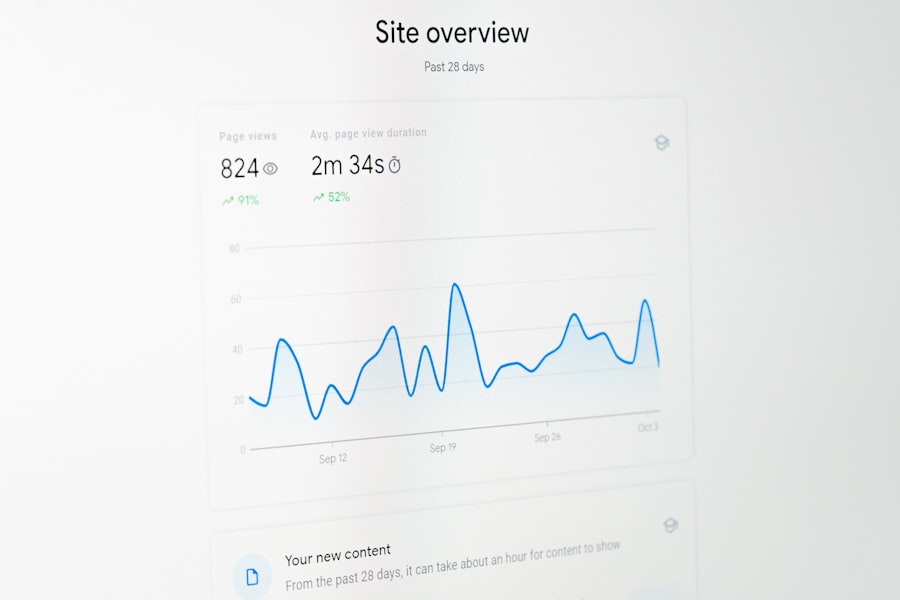
Measuring success is not just about tracking profits; it encompasses a broader understanding of how well your business is performing across various dimensions. You may find that success can be defined in multiple ways—customer satisfaction, employee engagement, market share, or brand reputation. By establishing clear metrics for success, you can create a roadmap that guides your business decisions and strategies.
Moreover, measuring success allows you to identify areas for improvement. When you have concrete data at your fingertips, you can pinpoint weaknesses and develop targeted strategies to address them. This continuous cycle of measurement and adjustment fosters a culture of accountability and innovation within your organization, ultimately driving long-term growth and sustainability.
How Presence Metrics Can Help Evaluate Success
Presence metrics serve as a vital tool for evaluating your business’s current standing. By analyzing these metrics, you can gain insights into how effectively your brand is resonating with your target audience. For instance, if you’re monitoring social media engagement, you might discover which types of content generate the most interaction.
Additionally, presence metrics can help you assess the effectiveness of your marketing campaigns. By tracking website traffic before and after a campaign launch, you can determine whether your efforts are translating into increased visibility and engagement.
This data not only informs your current strategies but also provides valuable lessons for future campaigns, allowing you to refine your approach over time.
Identifying Key Leading Indicators for Measuring Success
| Metric | Description | Type | Example Value | Purpose |
|---|---|---|---|---|
| Login Frequency | Number of times a user logs into the system per day/week | Quantitative | 5 logins/day | Indicates user engagement and presence consistency |
| Active Session Duration | Average length of time a user remains active during a session | Quantitative | 45 minutes/session | Measures depth of user presence and focus |
| Real-Time Interaction Rate | Percentage of users interacting in real-time (chat, calls, meetings) | Percentage | 70% | Tracks immediate engagement and collaboration |
| Presence Status Updates | Frequency of users updating their presence status (available, busy, away) | Quantitative | 3 updates/day | Reflects user awareness and communication of availability |
| Response Time to Messages | Average time taken to respond to messages or notifications | Time (minutes) | 10 minutes | Indicates attentiveness and promptness in communication |
| Scheduled Meeting Attendance | Percentage of scheduled meetings attended on time | Percentage | 85% | Measures reliability and active participation |
| Idle Time | Amount of time user is logged in but inactive | Time (minutes) | 15 minutes/hour | Helps identify disengagement or distractions |
Identifying the right leading indicators is crucial for accurately measuring success. You may want to start by considering what specific outcomes you aim to achieve—whether it’s increased sales, improved customer retention, or enhanced brand awareness. Once you’ve established your goals, you can determine which leading indicators will best predict those outcomes.
For example, if your goal is to boost sales, you might track indicators such as the number of new leads generated, conversion rates from marketing campaigns, or customer feedback on product features. By focusing on these leading indicators, you can gain insights into the effectiveness of your strategies and make data-driven adjustments as needed. This proactive approach enables you to stay ahead of market trends and position your business for success.
Implementing Leading Indicators into Your Business Strategy

Integrating leading indicators into your business strategy requires a thoughtful approach. Start by clearly defining your objectives and aligning them with specific indicators that will help you measure progress toward those goals. This alignment ensures that everyone in your organization understands what success looks like and how their efforts contribute to achieving it.
Once you’ve established your leading indicators, it’s essential to create a system for monitoring and analyzing them regularly. This could involve setting up dashboards that provide real-time data or scheduling regular review meetings to discuss progress and make necessary adjustments. By fostering a culture of data-driven decision-making, you empower your team to take ownership of their roles and contribute to the overall success of the organization.
Measuring Success in the Digital Age: Using Online Presence Metrics
In the digital age, online presence metrics have become increasingly important for measuring success. As more consumers turn to online platforms for information and purchasing decisions, understanding your digital footprint is essential. You may want to track metrics such as website traffic sources, bounce rates, and conversion rates to gauge how effectively you’re engaging with potential customers online.
Moreover, social media metrics play a significant role in assessing your brand’s online presence. By analyzing engagement rates, follower growth, and sentiment analysis on platforms like Facebook, Twitter, and Instagram, you can gain insights into how well your brand resonates with your audience. These online presence metrics not only inform your digital marketing strategies but also help you build stronger relationships with customers by understanding their preferences and behaviors.
The Role of Customer Engagement in Measuring Success
Customer engagement is a critical component of measuring success in any business. Engaged customers are more likely to become loyal advocates for your brand, driving repeat business and referrals. To effectively measure customer engagement, consider tracking metrics such as Net Promoter Score (NPS), customer satisfaction surveys, and social media interactions.
By actively seeking feedback from customers and analyzing their engagement levels, you can identify areas where improvements are needed. For instance, if customers express dissatisfaction with a particular product feature or service aspect, this feedback provides an opportunity for you to make necessary adjustments. Ultimately, fostering strong customer engagement not only enhances satisfaction but also contributes to long-term business success.
Using Leading Indicators to Anticipate Future Success
One of the most significant advantages of utilizing leading indicators is their ability to help you anticipate future success. By monitoring these predictive measures closely, you can identify trends before they fully materialize and adjust your strategies accordingly. For example, if you’re noticing an uptick in inquiries about a new product line, this could signal growing interest that may translate into future sales.
Additionally, leading indicators can help you identify potential challenges before they escalate into significant issues. If you’re tracking customer feedback and notice a decline in satisfaction scores, this early warning sign allows you to address concerns proactively rather than reactively. By leveraging leading indicators effectively, you position yourself to navigate uncertainties with confidence and agility.
Case Studies: Successful Businesses Using Presence Metrics and Leading Indicators
Examining case studies of successful businesses that have effectively utilized presence metrics and leading indicators can provide valuable insights into best practices. For instance, consider a tech startup that implemented a robust analytics system to track user engagement on its platform. By analyzing presence metrics such as daily active users and session duration, the company identified key features that resonated with its audience.
Armed with this data, the startup adjusted its product development strategy to focus on enhancing those features further. As a result, user retention rates improved significantly, leading to increased revenue growth over time. This case illustrates how leveraging presence metrics can inform strategic decisions that drive success.
Another example is a retail brand that utilized leading indicators to anticipate seasonal demand fluctuations. By analyzing historical sales data alongside current trends in consumer behavior—such as increased online shopping during specific months—the brand was able to optimize inventory levels and marketing efforts accordingly. This proactive approach not only minimized stockouts but also maximized sales opportunities during peak seasons.
The Future of Measuring Success with Presence Metrics and Leading Indicators
As businesses continue to evolve in an increasingly competitive landscape, the importance of measuring success through presence metrics and leading indicators cannot be overstated. These tools provide invaluable insights that empower you to make informed decisions and drive sustainable growth. By understanding the distinctions between these concepts and implementing them effectively within your strategy, you position yourself for long-term success.
Looking ahead, the integration of advanced analytics technologies will further enhance our ability to measure success accurately. As data becomes more accessible and sophisticated tools emerge for analysis, businesses will have unprecedented opportunities to refine their strategies based on real-time insights.
In exploring the concept of presence metrics and their role as leading indicators in organizational performance, it’s insightful to refer to a related article that delves deeper into this topic. For a comprehensive understanding, you can read more about it in this article on Productive Patty: Productive Patty. This resource provides valuable insights into how presence metrics can be effectively utilized to predict and enhance productivity within teams.
WATCH THIS! 🚨 Why ‘Balance’ Is A Productivity Trap
FAQs
What are presence metrics?
Presence metrics are quantitative measures that track the availability, engagement, or participation of individuals or groups within a specific environment, such as a workplace, online platform, or event.
What are leading indicators in the context of presence metrics?
Leading indicators are predictive measures that provide early signals about future outcomes or trends related to presence, such as employee attendance patterns that may forecast productivity or engagement levels.
Why are presence metrics important for organizations?
Presence metrics help organizations monitor attendance, engagement, and participation, enabling them to identify potential issues early, improve resource allocation, and enhance overall performance and productivity.
How can presence metrics serve as leading indicators?
By analyzing patterns in presence data—such as frequency of attendance, duration of engagement, or timing—organizations can anticipate future behaviors or outcomes, like employee turnover or customer satisfaction changes.
What types of data are commonly used to measure presence metrics?
Common data types include attendance records, login/logout times, participation rates in meetings or events, sensor data (e.g., badge scans), and digital activity logs.
Can presence metrics be applied outside of the workplace?
Yes, presence metrics are used in various contexts including education (student attendance), retail (customer foot traffic), and online platforms (user activity), to monitor engagement and predict trends.
What challenges exist in using presence metrics as leading indicators?
Challenges include data accuracy, privacy concerns, interpreting data in context, and ensuring that metrics are relevant and actionable for predicting meaningful outcomes.
How can organizations improve the effectiveness of presence metrics?
Organizations can improve effectiveness by integrating multiple data sources, using advanced analytics, regularly reviewing metrics for relevance, and aligning presence data with broader organizational goals.
Are there any privacy considerations when collecting presence metrics?
Yes, collecting presence data must comply with privacy laws and regulations, ensure transparency with individuals, and implement safeguards to protect personal information.
What tools or technologies support the collection of presence metrics?
Tools include time-tracking software, access control systems, employee monitoring platforms, IoT sensors, and analytics software that process and visualize presence data.