
Identity tourism has emerged as a significant phenomenon in our increasingly interconnected global society. This concept refers to the exploration of different identities through travel, cultural experiences, and social interactions. Individuals engage in identity tourism to temporarily experience perspectives outside their own lived realities, often adopting alternative roles and personas during these explorations.
This practice provides opportunities to examine identity complexities in contemporary globalized contexts. The scope of identity tourism encompasses diverse activities, including participation in cultural festivals and engagement in role-playing scenarios.
However, identity tourism presents certain complexities, particularly regarding the distinction between authentic exploration and superficial performance of identities. A thorough understanding of these nuances is crucial for effectively engaging with this multifaceted concept.
Key Takeaways
- Identity tourism involves adopting and exploring different cultural or social identities, often temporarily.
- Role stacking refers to combining multiple social roles to navigate complex identity landscapes.
- While role stacking can enhance social flexibility and appeal, it risks authenticity and may lead to cultural appropriation.
- Navigating role stacking ethically requires awareness of power dynamics and respect for cultural boundaries.
- Embracing authenticity in identity formation promotes genuine self-expression and ethical engagement with diverse identities.
Understanding Role Stacking
At the heart of identity tourism is the concept of role stacking, which refers to the practice of adopting multiple identities or roles simultaneously. You may find yourself embodying various aspects of different cultures or social groups, creating a layered persona that reflects your diverse experiences. This phenomenon can manifest in numerous ways, from dressing in traditional attire during cultural events to engaging in specific rituals or practices that are not inherently part of your own background.
Role stacking can be an empowering experience, allowing you to explore facets of your identity that may have remained dormant. However, it also raises questions about authenticity and the motivations behind your choices. Are you genuinely seeking to understand and appreciate another culture, or are you merely performing for the sake of novelty?
As you navigate this complex terrain, it is crucial to reflect on your intentions and the implications of your actions.
The Appeal of Role Stacking

The appeal of role stacking lies in its ability to provide a sense of adventure and discovery. You may find that stepping into different roles allows you to break free from the constraints of your everyday life, offering a temporary escape from routine. This exploration can lead to personal growth, as you gain insights into the lives and experiences of others.
By embracing diverse identities, you can cultivate empathy and understanding, fostering connections that transcend cultural boundaries. Moreover, role stacking can serve as a form of self-expression. You might feel liberated by the opportunity to experiment with different aspects of your personality, allowing you to explore who you are beyond societal expectations.
This playful engagement with identity can be both fun and transformative, encouraging you to embrace the multifaceted nature of your existence. However, it is essential to remain mindful of the potential consequences of your actions and the impact they may have on others.
Pitfalls of Role Stacking
While role stacking can be an enriching experience, it is not without its pitfalls. One significant concern is the risk of superficiality; you may find yourself engaging in cultural practices without fully understanding their significance or context. This lack of depth can lead to a commodification of culture, where traditions are reduced to mere performances for entertainment rather than being appreciated for their inherent value.
Additionally, role stacking can create confusion about your own identity. As you adopt various personas, you may struggle to discern which aspects are genuinely reflective of who you are and which are merely borrowed from others. This internal conflict can lead to feelings of disconnection or even identity crisis as you grapple with the complexities of self-representation.
It is crucial to approach role stacking with a sense of awareness and responsibility, ensuring that your exploration does not come at the expense of authenticity.
The tension between authenticity and performance is a central theme in discussions about role stacking. You may find yourself questioning whether your engagement with different identities is genuine or merely a performance for an audience. This dilemma raises important ethical considerations about the nature of identity itself.
Is it possible to authentically embody a role that is not inherently yours? Or does the act of performing inevitably strip away the authenticity of the experience? As you navigate this landscape, it is essential to reflect on your motivations and intentions.
Are you seeking to connect with others on a deeper level, or are you more concerned with how you are perceived? Striking a balance between authenticity and performance requires introspection and honesty. By acknowledging the complexities of your own identity and the identities you engage with, you can foster more meaningful connections that transcend mere performance.
Cultural Appropriation and Role Stacking
| Aspect | Description | Potential Pitfalls | Example Metrics |
|---|---|---|---|
| Role Stacking | Combining multiple social identities or roles in a tourism context | Conflicting expectations, role overload, identity confusion | Number of roles assumed per tourist, frequency of role conflict reports |
| Identity Tourism | Tourists adopting or performing identities different from their own | Cultural appropriation, stereotyping, loss of authenticity | Instances of identity adoption, reported cultural misunderstandings |
| Role Conflict | Incompatibility between multiple roles held simultaneously | Stress, dissatisfaction, reduced engagement | Survey scores on role conflict, stress levels during travel |
| Role Overload | Excessive demands from multiple roles leading to burnout | Fatigue, decreased enjoyment, withdrawal from activities | Hours spent managing roles, self-reported burnout rates |
| Authenticity Perception | How genuine tourists feel about their performed identities | Feelings of inauthenticity, alienation, or guilt | Authenticity rating scales, qualitative feedback |
Cultural appropriation is a critical issue that often arises in discussions about role stacking. You may find yourself drawn to elements of another culture, but it is essential to consider the power dynamics at play. When individuals from dominant cultures adopt aspects of marginalized cultures without understanding their significance or context, it can perpetuate harmful stereotypes and reinforce systemic inequalities.
As you engage in role stacking, it is crucial to approach other cultures with respect and sensitivity. This means taking the time to educate yourself about the histories and traditions associated with the identities you are exploring. By doing so, you can ensure that your engagement is rooted in appreciation rather than appropriation.
Recognizing the difference between celebrating diversity and exploiting it is vital for fostering genuine connections and promoting cultural understanding.
Impact on Personal Identity
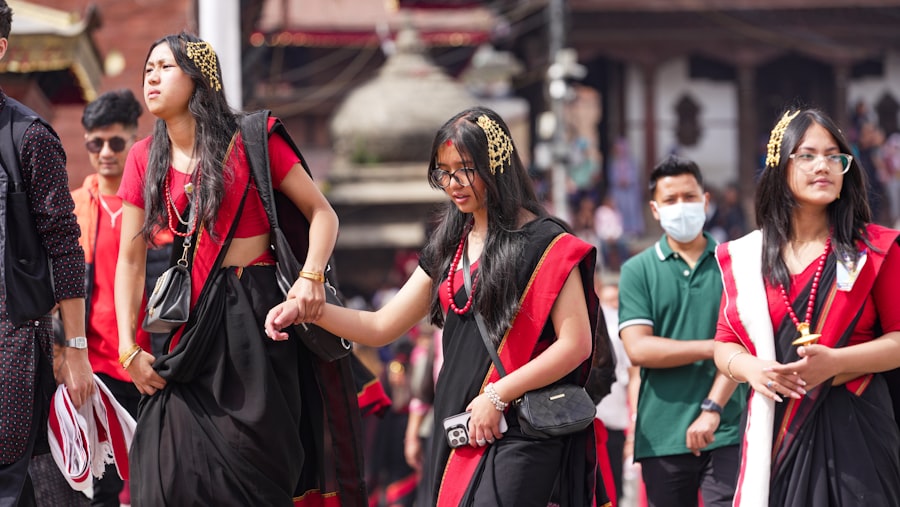
The practice of role stacking can have profound implications for your personal identity. As you experiment with different roles and personas, you may find that your understanding of yourself evolves in unexpected ways. Engaging with diverse identities can challenge your assumptions and beliefs, prompting you to reevaluate what it means to be you.
However, this exploration can also lead to confusion or fragmentation as you grapple with multiple facets of your identity. You might feel torn between different roles or struggle to integrate these experiences into a cohesive sense of self. It is essential to approach this journey with patience and self-compassion, recognizing that identity is not static but rather a dynamic process shaped by your experiences and interactions.
Navigating Role Stacking in Professional Settings
In professional settings, role stacking can present unique challenges and opportunities. You may find yourself adopting different roles depending on the context—whether as a leader, collaborator, or innovator—each requiring distinct skills and perspectives. Embracing this versatility can enhance your effectiveness in various situations, allowing you to connect with colleagues from diverse backgrounds.
However, navigating role stacking in professional environments also requires careful consideration of authenticity and integrity. You must remain true to your values while adapting to different roles, ensuring that your actions align with your principles. Striking this balance can be challenging but ultimately rewarding as it fosters trust and respect among colleagues.
Addressing Power Dynamics in Role Stacking
Power dynamics play a significant role in the practice of role stacking, particularly when engaging with marginalized cultures or communities. As you explore different identities, it is essential to recognize how privilege influences your experiences and interactions. Understanding these dynamics allows you to approach role stacking with humility and awareness.
You may find that acknowledging power imbalances enhances your ability to engage meaningfully with others. By listening actively and being open to feedback, you can foster more equitable relationships that honor the complexities of identity. This awareness not only enriches your own experiences but also contributes to a more inclusive environment for everyone involved.
Ethical Considerations in Role Stacking
As you navigate the world of role stacking, ethical considerations should remain at the forefront of your mind. Engaging with different identities requires a commitment to respect and understanding, ensuring that your actions do not perpetuate harm or reinforce stereotypes. It is essential to approach this exploration with an open heart and a willingness to learn from others.
Moreover, reflecting on your motivations for engaging in role stacking can help clarify your intentions. Are you seeking genuine connection and understanding, or are you more interested in novelty? By grounding your exploration in ethical principles, you can foster meaningful relationships that celebrate diversity while honoring individual experiences.
Embracing Authenticity in Identity Formation
In conclusion, embracing authenticity in identity formation is crucial as you navigate the complexities of role stacking and identity tourism. While exploring different roles can be an enriching experience that fosters empathy and understanding, it is essential to remain mindful of the potential pitfalls associated with superficiality and cultural appropriation. By approaching this journey with respect and awareness, you can cultivate meaningful connections that honor both your own identity and those of others.
Ultimately, embracing authenticity means recognizing that identity is not a fixed construct but rather a dynamic interplay of experiences shaped by culture, context, and personal growth. As you continue on this journey of exploration, remember that authenticity lies not only in how you present yourself but also in how you engage with others—fostering connections that transcend boundaries while celebrating the rich tapestry of human experience.
Identity tourism can often lead to role stacking pitfalls, where individuals may find themselves overwhelmed by the various identities they attempt to embody. This phenomenon is explored in greater detail in a related article on the topic, which discusses the complexities and challenges associated with navigating multiple identities. For more insights, you can read the article [here](https://www.productivepatty.com/).
FAQs
What is identity tourism?
Identity tourism refers to the practice of individuals adopting or exploring different cultural, ethnic, or social identities, often temporarily or virtually, to experience perspectives outside their own. This can occur through travel, online interactions, or role-playing.
What does role stacking mean in the context of identity tourism?
Role stacking involves layering multiple social roles or identities simultaneously. In identity tourism, it refers to how individuals manage and combine various identities they assume, which can affect their interactions and experiences.
What are common pitfalls associated with identity tourism?
Common pitfalls include cultural appropriation, stereotyping, superficial engagement with cultures, reinforcing power imbalances, and misunderstanding or misrepresenting the identities being explored.
How can role stacking lead to challenges in identity tourism?
Role stacking can create confusion or conflict when multiple identities clash or when individuals fail to recognize the complexities of the identities they adopt. It may also lead to oversimplification or misinterpretation of cultural experiences.
Why is it important to be aware of pitfalls in identity tourism?
Awareness helps prevent disrespectful or harmful behaviors, promotes genuine cultural understanding, and encourages ethical engagement with different identities, fostering mutual respect and learning.
Can identity tourism be done ethically?
Yes, ethical identity tourism involves respectful curiosity, informed consent, cultural sensitivity, and a commitment to learning rather than exploiting or misrepresenting other identities.
What role does self-reflection play in identity tourism?
Self-reflection helps individuals recognize their own biases, privileges, and motivations, enabling more thoughtful and responsible engagement with other identities and cultures.
How does identity tourism relate to online environments?
Online platforms allow users to experiment with different identities through avatars or profiles, which can facilitate identity tourism but also raise concerns about authenticity, representation, and cultural sensitivity.
What strategies can help avoid the pitfalls of identity tourism?
Strategies include educating oneself about the culture, seeking permission or guidance from community members, avoiding stereotypes, acknowledging one’s own positionality, and prioritizing respectful interaction over entertainment.
Is role stacking unique to identity tourism?
No, role stacking occurs in many social contexts where individuals navigate multiple identities, but it is particularly significant in identity tourism due to the intentional adoption of new or different identities.