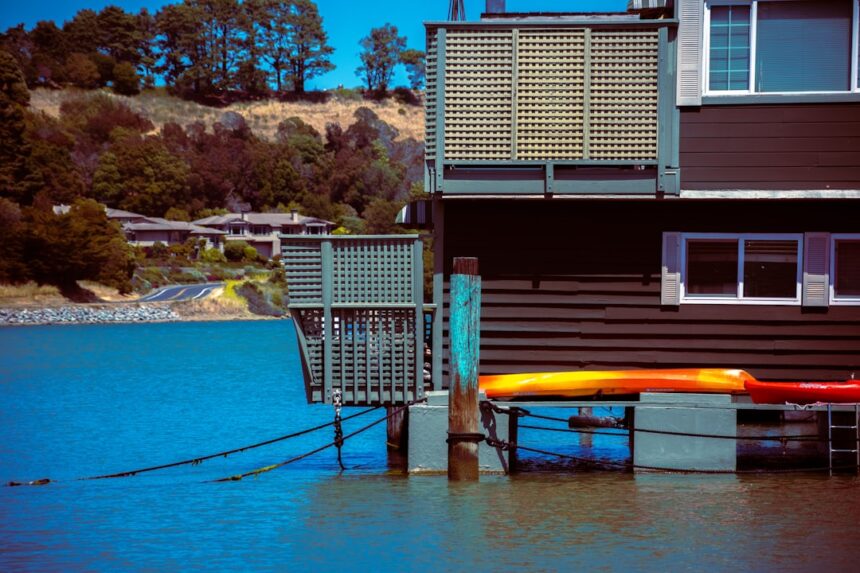
Flood zones significantly impact mortgage rates for properties in flood-prone areas. Lenders evaluate the risk of financing homes in these zones, as properties in high-risk flood areas face greater potential for damage from natural disasters. This increased risk typically results in higher mortgage rates.
Lenders may implement more stringent lending requirements or mandate additional insurance coverage, further increasing borrowing costs.
The Federal Emergency Management Agency (FEMA) establishes flood zone designations based on historical data and geographical evaluations.
These classifications influence both mortgage rates and financing availability. Properties in high-risk flood zones often encounter difficulties securing favorable mortgage terms, as lenders consider them riskier investments. Consequently, potential buyers must understand how flood zone classifications can affect mortgage rates and overall affordability when evaluating property purchases.
Key Takeaways
- Flood zone designation significantly influences mortgage rates and insurance requirements.
- Identifying your property’s flood zone is crucial for understanding financial obligations and risks.
- Specialized mortgage products and mitigation measures can help reduce costs associated with flood zones.
- Comparing lender policies and consulting insurance agents ensures better financial planning for flood-prone properties.
- Legal, financial, and FEMA guidance are essential for navigating regulations and securing favorable mortgage terms.
Identifying Your Property’s Flood Zone Designation
To navigate the complexities of mortgage rates and flood zones, it is essential for property owners to identify their specific flood zone designation. FEMA provides detailed flood maps that categorize areas into different zones based on their susceptibility to flooding. These designations range from low-risk areas to high-risk zones, each with its own implications for insurance and financing.
Homeowners can access these maps through FEMA’s website or local government offices, allowing them to understand the flood risk associated with their property. Once homeowners determine their flood zone designation, they can better assess the potential financial implications. For instance, properties located in high-risk zones may require mandatory flood insurance, which can add a significant expense to monthly mortgage payments.
Conversely, homes in low-risk areas may not require such insurance, potentially leading to lower overall costs. By understanding their flood zone designation, property owners can make informed decisions about their mortgage options and insurance needs.
Exploring Flood Insurance Requirements for Different Flood Zones
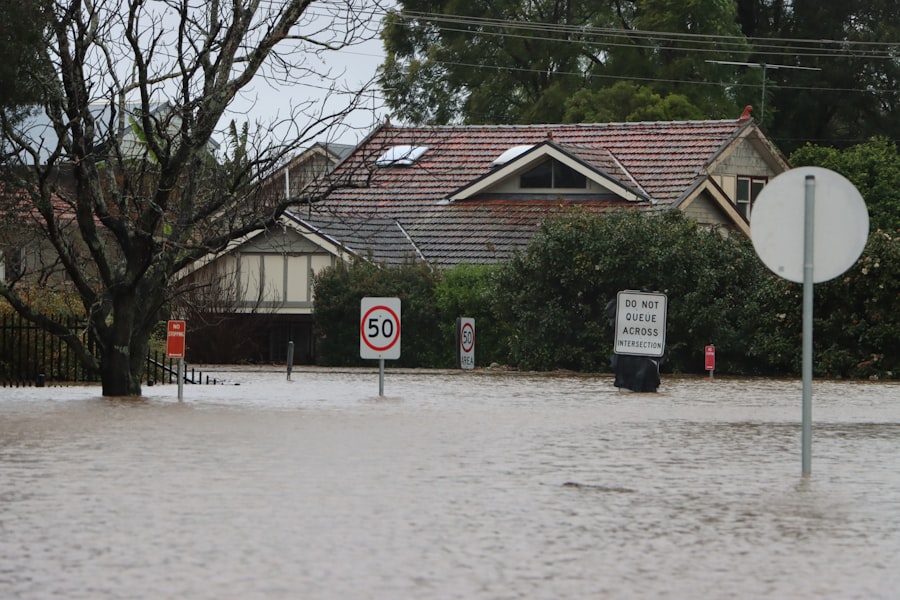
Flood insurance requirements vary significantly depending on a property’s flood zone designation. In high-risk flood zones, lenders typically mandate that homeowners obtain flood insurance as a condition of securing a mortgage. This requirement is designed to protect both the lender and the homeowner from potential financial losses due to flooding.
The cost of flood insurance can vary widely based on factors such as the property’s elevation, proximity to water sources, and the specific flood zone classification. In contrast, properties located in low- to moderate-risk flood zones may not be required to carry flood insurance, although it is still highly recommended. Homeowners in these areas may have the option to purchase a policy at a lower cost, providing an added layer of protection against unexpected flooding events.
Understanding the nuances of flood insurance requirements based on flood zone designations is essential for homeowners, as it can significantly impact their overall financial obligations and risk management strategies.
Evaluating the Effect of Flood Zones on Property Values
The presence of a flood zone designation can have a profound effect on property values. Homes located in high-risk flood areas often experience decreased market demand due to the perceived risks associated with flooding. Potential buyers may be deterred by the prospect of higher insurance costs and the potential for property damage, leading to lower offers and reduced property values.
This trend can create challenges for sellers looking to maximize their return on investment. Conversely, properties situated in low-risk flood zones may enjoy increased market appeal and higher property values. Buyers are often more willing to invest in homes that are perceived as safer from natural disasters, leading to greater demand and potentially higher sale prices.
As such, understanding how flood zones influence property values is crucial for both buyers and sellers in making informed real estate decisions.
Researching Lenders’ Policies on Mortgage Rates in Flood Zones
| Flood Zone | Average Mortgage Rate (%) | Loan-to-Value (LTV) Limit | Required Flood Insurance | Typical Impact on Mortgage Approval |
|---|---|---|---|---|
| Zone X (Minimal Risk) | 3.75 | 95% | Not Required | Standard approval process |
| Zone AE (High Risk) | 4.25 | 80% | Required | Additional documentation and insurance required |
| Zone VE (Coastal High Risk) | 4.50 | 75% | Required with higher coverage | Stricter underwriting and higher rates |
| Zone A (High Risk) | 4.10 | 80% | Required | Standard high-risk underwriting |
| Zone B and C (Moderate to Low Risk) | 3.85 | 90% | Not Required | Standard approval with minor considerations |
When considering a property in a flood zone, it is vital for prospective homeowners to research lenders’ policies regarding mortgage rates and terms specific to these areas. Different lenders may have varying approaches to financing properties in flood-prone regions, with some offering more favorable terms than others. Factors such as the lender’s risk assessment criteria, experience with flood zone properties, and overall lending philosophy can all influence mortgage rates.
Additionally, some lenders may have specialized programs or products designed specifically for properties in flood zones. These offerings could include lower down payment requirements or reduced interest rates for borrowers who take proactive measures to mitigate flood risks. By thoroughly researching lenders’ policies and comparing options, potential homeowners can find financing solutions that align with their needs while minimizing costs associated with living in a flood-prone area.
Seeking Out Specialized Mortgage Products for Properties in Flood Zones
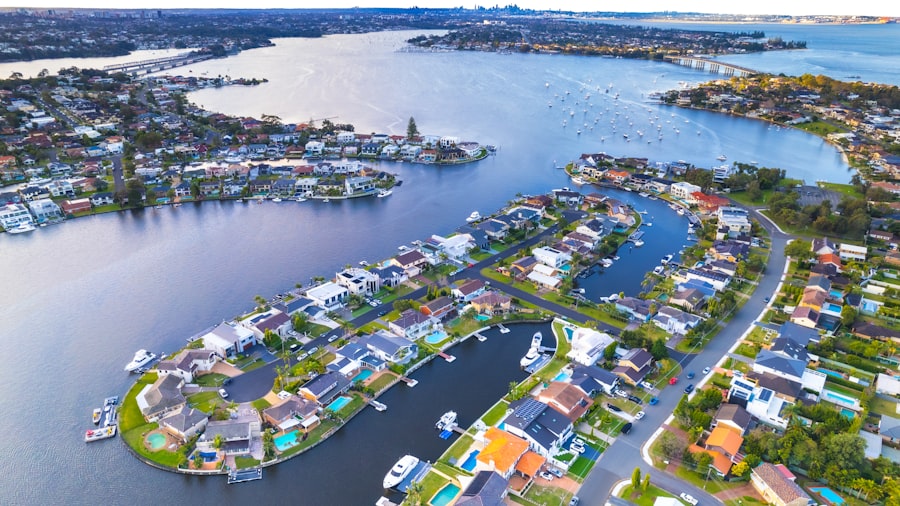
For those looking to purchase homes in flood zones, seeking out specialized mortgage products can be a strategic move. Some lenders offer tailored financing options that cater specifically to properties at risk of flooding. These products may include features such as flexible underwriting guidelines or lower interest rates for borrowers who demonstrate a commitment to mitigating flood risks through measures like elevating their homes or investing in drainage systems.
Additionally, specialized mortgage products may provide benefits such as reduced down payment requirements or assistance with closing costs. By exploring these options, potential homeowners can find financing solutions that not only accommodate their unique circumstances but also help them manage the financial implications of living in a flood zone more effectively.
Consulting with Insurance Agents about Flood Zone Considerations
Consulting with insurance agents who specialize in flood insurance is an essential step for homeowners considering properties in flood zones. These professionals possess valuable knowledge about the intricacies of flood insurance policies and can help homeowners navigate the complexities of coverage options based on their specific flood zone designation. They can provide insights into factors that influence insurance premiums, such as property elevation and historical flooding patterns.
They can also guide homeowners through the process of filing claims should a flooding event occur. By working closely with an experienced insurance agent, homeowners can ensure they are adequately protected while also making informed decisions about their mortgage options.
Considering Mitigation Measures to Lower Mortgage Rates in Flood Zones
Implementing mitigation measures can be an effective strategy for homeowners looking to lower their mortgage rates when purchasing properties in flood zones. Lenders often view proactive steps taken by homeowners to reduce flood risk favorably, which can lead to more favorable financing terms. Common mitigation measures include elevating homes above base flood elevation levels, installing sump pumps or drainage systems, and utilizing flood-resistant building materials.
By demonstrating a commitment to reducing potential flooding risks through these measures, homeowners may be able to negotiate lower interest rates or reduced insurance premiums with lenders and insurers alike. Additionally, some government programs offer financial incentives or grants for homeowners who invest in mitigation efforts, further enhancing the financial viability of purchasing a home in a flood-prone area.
Comparing Mortgage Rates and Terms from Different Lenders in Flood Zones
When purchasing a property in a flood zone, it is crucial for prospective buyers to compare mortgage rates and terms from various lenders. Each lender may have different policies regarding financing properties at risk of flooding, which can significantly impact overall borrowing costs. By obtaining quotes from multiple lenders, buyers can identify competitive interest rates and favorable loan terms that align with their financial goals.
In addition to interest rates, buyers should also consider other factors such as closing costs, loan origination fees, and prepayment penalties when comparing mortgage offers. A comprehensive evaluation of these elements will enable buyers to make informed decisions that not only meet their immediate needs but also support their long-term financial well-being.
Understanding the Role of FEMA in Flood Zone Regulations and Policies
FEMA plays a critical role in establishing regulations and policies related to flood zones across the United States. The agency is responsible for creating and maintaining flood maps that delineate high-risk areas and inform communities about potential flooding hazards. These maps serve as essential tools for local governments, insurers, and lenders when assessing risk and determining appropriate responses.
Furthermore, FEMA administers programs aimed at reducing flood risks through community engagement and funding opportunities for mitigation projects. Homeowners should familiarize themselves with FEMA’s resources and guidelines to better understand how federal regulations impact their properties and financing options. By staying informed about FEMA’s role in flood zone management, homeowners can make more strategic decisions regarding their investments.
Seeking Legal and Financial Advice for Navigating Mortgage Rates in Flood Zones
Navigating the complexities of mortgage rates in flood zones often requires professional guidance from legal and financial experts. Real estate attorneys can provide valuable insights into local regulations and help homeowners understand their rights and responsibilities when purchasing properties in high-risk areas. Additionally, financial advisors can assist buyers in evaluating their overall financial situation and determining how best to approach financing options.
By seeking legal and financial advice, prospective homeowners can gain clarity on the implications of purchasing a property in a flood zone while ensuring they are well-prepared for any challenges that may arise during the mortgage process. This proactive approach not only enhances their understanding of the risks involved but also empowers them to make informed decisions that align with their long-term financial goals.
When considering mortgage rates, it’s essential to understand how flood zones can impact your financing options. For a deeper dive into this topic, you can read more about the implications of flood zones on mortgage rates in the article available at this link. Understanding these factors can help you make informed decisions when purchasing a home in areas prone to flooding.
FAQs
What are mortgage rates?
Mortgage rates refer to the interest rates charged by lenders on home loans. These rates determine the cost of borrowing money to purchase a property and can be fixed or variable over the loan term.
How do flood zones affect mortgage rates?
Properties located in designated flood zones may face higher mortgage rates or additional fees because lenders consider them higher risk. Flood zones indicate areas prone to flooding, which can increase the likelihood of property damage and insurance claims.
What is a flood zone?
A flood zone is a geographic area identified by the Federal Emergency Management Agency (FEMA) or other authorities as having a specific risk level for flooding. These zones help determine flood insurance requirements and risk assessments for properties.
Are flood zones required to have flood insurance for mortgages?
Yes, if a property is located in a high-risk flood zone (such as FEMA’s Special Flood Hazard Area), lenders typically require the borrower to purchase flood insurance as a condition of the mortgage.
Can living in a flood zone impact my ability to get a mortgage?
Yes, living in a flood zone can impact mortgage approval. Lenders may require additional documentation, flood insurance, or impose higher interest rates due to the increased risk associated with flood-prone properties.
Do all lenders treat flood zones the same way?
No, different lenders may have varying policies regarding flood zones. Some may offer competitive rates with flood insurance, while others might charge higher rates or be more cautious in approving loans for properties in flood-prone areas.
How can I find out if a property is in a flood zone?
You can check flood zone status by using FEMA’s Flood Map Service Center online, consulting local government floodplain maps, or asking your real estate agent or lender for flood zone information.
Does flood insurance affect mortgage rates?
While flood insurance itself does not directly affect mortgage rates, the requirement to purchase flood insurance can increase the overall cost of homeownership. Lenders may factor the risk of flood damage into the mortgage terms, potentially influencing rates.
Are mortgage rates higher for properties in flood zones?
Mortgage rates may be higher for properties in flood zones due to the increased risk to lenders. However, the exact impact varies depending on the lender, the flood zone designation, and the borrower’s overall credit profile.
What steps can homeowners take if their property is in a flood zone?
Homeowners can purchase flood insurance, invest in flood mitigation measures, appeal flood zone designations if appropriate, and shop around for lenders who offer favorable mortgage terms for flood zone properties.