
Flood zones are geographic areas designated by the Federal Emergency Management Agency (FEMA) that face elevated flooding risks based on historical data, topography, and hydrological studies. These designations directly impact mortgage lending practices and borrowing costs for properties within these boundaries. Lenders evaluate flood zone classifications when assessing loan applications because properties in high-risk areas present greater potential for damage and financial loss.
This risk assessment typically results in stricter underwriting standards, including higher down payment requirements, more comprehensive property inspections, and elevated interest rates. The increased rates reflect the lender’s need to offset potential losses from flood-related property damage that could affect the collateral value securing the loan. Properties located in Special Flood Hazard Areas (SFHAs), also known as 100-year floodplains, face the most significant impact on mortgage terms.
Federal law requires borrowers with federally backed mortgages in these zones to purchase flood insurance, adding substantial costs to monthly housing expenses. Annual flood insurance premiums can range from several hundred to several thousand dollars, depending on the property’s elevation, construction type, and specific flood risk level. The financial implications extend beyond initial mortgage approval.
Properties in flood zones may experience slower appreciation rates and reduced marketability, affecting long-term investment returns. Buyers should obtain detailed flood zone maps, elevation certificates, and insurance quotes before finalizing purchases in these areas. Consulting with insurance agents, real estate professionals familiar with flood zone regulations, and mortgage specialists can help buyers understand the complete financial picture of owning property in flood-prone areas.
Key Takeaways
- Mortgage rates in flood zones are influenced by risk assessments, flood insurance requirements, and lender policies.
- Flood insurance is crucial for securing a mortgage in flood-prone areas and can affect overall loan costs.
- Government programs and FEMA flood maps play a key role in determining risk levels and available financial assistance.
- Homebuyers can use strategies like negotiating rates and choosing specialized lenders to reduce mortgage costs in flood zones.
- Climate change is increasing flood risks, which may lead to higher mortgage rates and stricter lending criteria over time.
Factors That Affect Mortgage Rates in Flood Zones
Several factors contribute to the determination of mortgage rates in flood zones, with risk assessment being one of the most critical elements. Lenders evaluate the likelihood of flooding based on historical data, geographical features, and the specific flood zone designation assigned by FEMProperties located in high-risk areas, such as Special Flood Hazard Areas (SFHAs), are often viewed as more vulnerable, leading lenders to impose higher interest rates to mitigate their risk exposure. This risk-based pricing model reflects the lender’s need to protect their investment while ensuring that borrowers are aware of the potential hazards associated with their property.
Another significant factor influencing mortgage rates in flood zones is the availability and cost of flood insurance. Lenders typically require homeowners in flood-prone areas to obtain flood insurance as a condition of their mortgage. The cost of this insurance can vary widely depending on the property’s location and elevation, further complicating the financial landscape for buyers.
If flood insurance premiums are high, lenders may perceive this as an additional risk factor, which could lead to increased mortgage rates. Therefore, understanding how these elements interplay is vital for homebuyers looking to navigate the complexities of financing a home in a flood zone.
The Importance of Flood Insurance in Obtaining a Mortgage in a Flood Zone
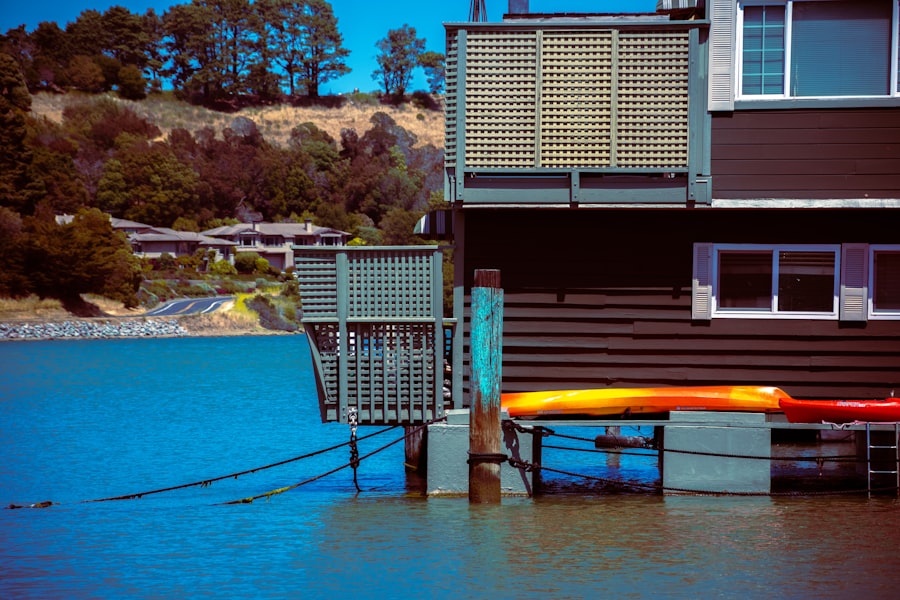
Flood insurance is not merely an optional add-on for homeowners in flood zones; it is often a prerequisite for securing a mortgage. Lenders require proof of flood insurance coverage to protect their investment against potential losses due to flooding. This requirement underscores the importance of understanding the implications of flood insurance when purchasing a home in a designated flood zone.
Without adequate coverage, buyers may find themselves unable to secure financing, limiting their options in the housing market. Moreover, the cost of flood insurance can significantly impact a homeowner’s overall financial picture. Premiums can vary based on factors such as the property’s elevation, proximity to water bodies, and historical flooding patterns.
As such, prospective buyers should factor these costs into their budget when considering homes in flood-prone areas.
How Lenders Assess Risk in Flood Zones and its Impact on Mortgage Rates
Lenders employ various methods to assess risk when it comes to properties located in flood zones.
These maps help lenders determine whether a property falls within a high-risk zone and inform their decision-making process regarding mortgage rates.
Properties situated in SFHAs are often viewed as higher risk, prompting lenders to charge elevated interest rates to offset potential losses. In addition to FEMA maps, lenders may also consider other factors such as local climate patterns, drainage systems, and community infrastructure when evaluating risk. For instance, if a property is located near a river known for seasonal flooding or in an area with inadequate drainage systems, lenders may perceive it as more susceptible to flooding events.
This comprehensive risk assessment ultimately influences the mortgage rate offered to borrowers, making it essential for homebuyers to understand how these evaluations can affect their financing options.
Options for Homebuyers in Flood Zones to Lower Mortgage Rates
| Flood Zone | Average Mortgage Rate (%) | Loan-to-Value (LTV) Limit | Mortgage Insurance Requirement | Typical Impact on Interest Rate |
|---|---|---|---|---|
| Zone X (Minimal Flood Risk) | 6.25 | 95% | Not Required | Standard Rate |
| Zone AE (High Risk) | 6.75 | 80% | Required | +0.50% |
| Zone VE (Coastal High Risk) | 7.00 | 75% | Required | +0.75% |
| Zone A (Moderate to High Risk) | 6.60 | 85% | Required | +0.35% |
| Zone B and C (Moderate to Low Risk) | 6.30 | 90% | Not Required | +0.05% |
Homebuyers in flood zones have several strategies at their disposal to potentially lower their mortgage rates. One effective approach is to improve the property’s resilience against flooding through mitigation measures. Elevating the home or installing flood vents can reduce the perceived risk from a lender’s perspective, potentially leading to more favorable mortgage terms.
Additionally, investing in landscaping that directs water away from the property can further enhance its appeal to lenders. Another option for buyers is to shop around for different lenders and compare their offerings. Not all lenders assess risk in the same way; some may have more favorable terms for properties in flood zones than others.
By obtaining multiple quotes and negotiating with lenders, homebuyers may find opportunities to secure lower interest rates or better loan terms that align with their financial goals. Furthermore, working with a knowledgeable mortgage broker who understands the intricacies of financing homes in flood-prone areas can provide valuable insights and access to competitive rates.
Government Programs and Initiatives for Homebuyers in Flood Zones
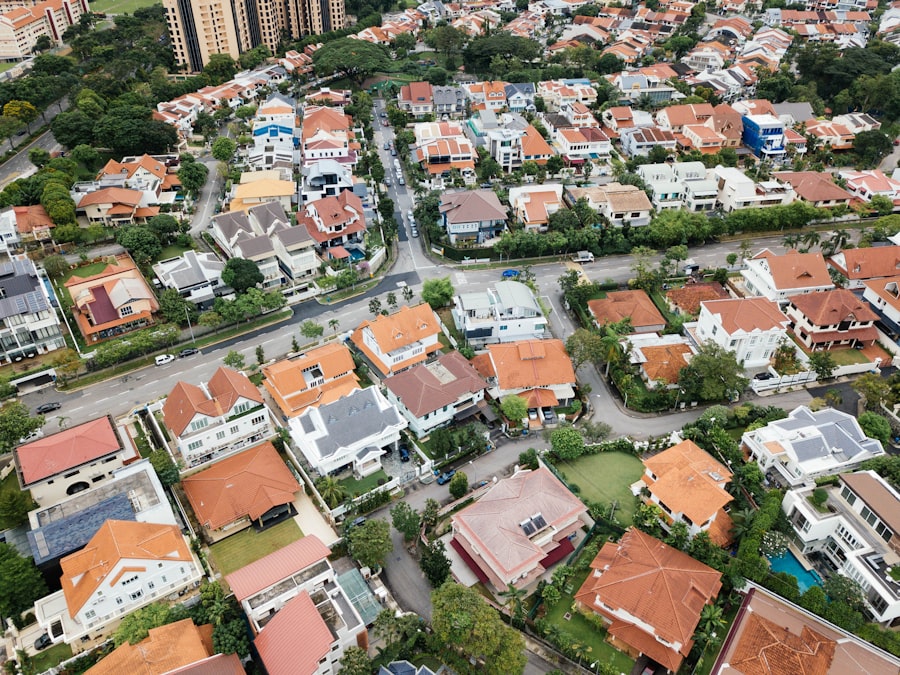
Various government programs exist to assist homebuyers in flood zones, aimed at making homeownership more accessible despite the challenges posed by elevated risks. One notable initiative is the National Flood Insurance Program (NFIP), which provides affordable flood insurance options for homeowners in participating communities. This program helps mitigate some of the financial burdens associated with purchasing property in flood-prone areas and can make it easier for buyers to secure mortgages.
Additionally, state and local governments may offer grants or low-interest loans specifically designed for homebuyers in flood zones. These programs often focus on promoting resilience and sustainability within communities at risk of flooding. By taking advantage of these initiatives, homebuyers can not only reduce their overall costs but also contribute to building safer and more resilient neighborhoods.
The Role of FEMA Flood Maps in Determining Mortgage Rates
FEMA flood maps serve as a critical resource for both lenders and homebuyers when assessing properties located in flood zones. These maps categorize areas based on their risk levels, providing essential information that influences lending decisions and mortgage rates. Properties identified within SFHAs are subject to stricter lending requirements and higher insurance premiums, which can lead to increased borrowing costs for buyers.
Moreover, FEMA regularly updates these maps based on new data and changing environmental conditions, making it essential for homebuyers to stay informed about any changes that may affect their property’s designation. Understanding how these maps work and how they impact mortgage rates can empower buyers to make informed decisions about their investments and navigate the complexities of financing homes in flood-prone areas effectively.
Strategies for Negotiating Mortgage Rates in Flood Zones
Negotiating mortgage rates can be particularly challenging for homebuyers in flood zones due to the inherent risks associated with these properties. However, there are several strategies that buyers can employ to improve their chances of securing favorable terms. First and foremost, demonstrating financial stability through a strong credit score and a solid income history can bolster a buyer’s negotiating position.
Lenders are more likely to offer competitive rates to borrowers who present themselves as low-risk candidates. Additionally, buyers should be prepared to provide documentation that highlights any improvements made to mitigate flooding risks on the property. Evidence of elevation or other protective measures can help persuade lenders to reconsider their initial assessments and potentially offer lower interest rates.
Furthermore, engaging with multiple lenders and leveraging competing offers can create opportunities for negotiation, allowing buyers to secure better terms that align with their financial objectives.
The Impact of Climate Change on Mortgage Rates in Flood Zones
Climate change has emerged as a significant factor influencing mortgage rates in flood zones, as rising sea levels and increased frequency of extreme weather events heighten the risks associated with these properties. Lenders are becoming increasingly aware of how climate change affects long-term property values and insurance costs, leading them to adjust their risk assessments accordingly. As a result, homebuyers may face higher mortgage rates when purchasing properties in areas deemed vulnerable to climate-related risks.
Moreover, as communities grapple with the realities of climate change, local governments may implement stricter regulations regarding development in flood-prone areas. These changes can further complicate the housing market landscape and impact mortgage availability and rates for prospective buyers. Understanding how climate change intersects with real estate financing is crucial for homebuyers looking to navigate this evolving landscape effectively.
Resources and Tools for Homebuyers Navigating Mortgage Rates in Flood Zones
Homebuyers navigating mortgage rates in flood zones have access to various resources and tools designed to facilitate informed decision-making. Online platforms provide valuable information about local flood risks, insurance options, and lender offerings tailored specifically for properties in flood-prone areas. Additionally, government websites often feature resources related to FEMA flood maps and available assistance programs that can aid buyers in understanding their options.
Engaging with real estate professionals who specialize in properties within flood zones can also prove beneficial. These experts possess insights into local market conditions and can guide buyers through the complexities of financing homes at risk of flooding. By leveraging available resources and seeking expert advice, homebuyers can make well-informed choices that align with their financial goals while navigating the challenges posed by purchasing property in flood-prone areas.
Finding the Right Lender for Mortgage Rates in Flood Zones
Selecting the right lender is crucial for homebuyers seeking favorable mortgage rates in flood zones. Buyers should prioritize lenders who have experience working with properties at risk of flooding and understand the unique challenges associated with financing such homes. Researching lender reviews and seeking recommendations from trusted sources can help buyers identify institutions that offer competitive terms tailored for properties located in flood-prone areas.
Additionally, engaging with multiple lenders during the application process allows buyers to compare offers comprehensively. This approach not only provides insight into varying interest rates but also highlights differences in loan terms and conditions that could impact long-term affordability. By taking the time to find a lender who understands the intricacies of financing homes in flood zones, buyers can position themselves for success while navigating this complex landscape effectively.
When considering mortgage rates, it’s essential to understand how flood zones can impact your financing options. For a deeper dive into this topic, you can read more in the article available at