
In the realm of negotiations, understanding the concept of protective parts is crucial. Protective parts refer to the various aspects of our personalities that emerge in response to perceived threats or challenges. These parts often act as defense mechanisms, shielding us from potential harm or discomfort.
When you enter a negotiation, it’s essential to recognize that both you and the other party may have these protective parts activated. They can manifest as defensiveness, aggression, or even withdrawal, depending on the individual’s past experiences and emotional triggers. Recognizing protective parts allows you to navigate negotiations more effectively.
By understanding that these reactions are often rooted in fear or insecurity, you can approach discussions with empathy and patience. This awareness not only helps you manage your own responses but also enables you to anticipate and respond to the protective parts of others. In doing so, you create a more conducive environment for open dialogue and collaboration, ultimately leading to more successful outcomes.
Key Takeaways
- Recognize and understand protective parts in yourself and others to improve negotiation dynamics.
- Build trust and communicate effectively to engage protective parts constructively.
- Manage emotions and set clear boundaries to maintain control during negotiations.
- Focus on finding common ground and win-win solutions that satisfy protective parts.
- Overcome resistance by integrating protective parts for successful and lasting agreements.
Identifying Your Own Protective Parts
To effectively engage in negotiations, you must first identify your own protective parts. This process involves self-reflection and an honest assessment of your emotional triggers.
Do you find yourself becoming aggressive when challenged? Or do you tend to withdraw when faced with conflict? By pinpointing these reactions, you can begin to understand the underlying fears that drive them.
Once you have identified your protective parts, it’s essential to acknowledge them without judgment. Accepting that these responses are a natural part of being human allows you to approach negotiations with greater self-awareness. You can then develop strategies to manage these parts during discussions.
For instance, if you recognize that you become defensive when your ideas are criticized, you might practice deep breathing or pause before responding. This conscious effort can help you remain calm and focused, fostering a more productive negotiation atmosphere.
Recognizing Protective Parts in Others

Just as it’s important to identify your own protective parts, recognizing them in others is equally vital. During negotiations, pay attention to the body language and verbal cues of the other party. Are they crossing their arms or avoiding eye contact?
These behaviors may indicate that their protective parts are activated. By observing these signs, you can better understand their emotional state and adjust your approach accordingly. Empathy plays a significant role in recognizing protective parts in others.
When you acknowledge that their defensive behaviors stem from fear or insecurity, you can respond with compassion rather than frustration. This understanding can help de-escalate tense situations and create a more collaborative atmosphere. For example, if a colleague becomes defensive when discussing a proposal, instead of pushing back aggressively, you might choose to validate their concerns and invite them to share their perspective.
This approach not only fosters trust but also encourages open communication.
Building Trust and Rapport with Protective Parts
Building trust and rapport is essential when dealing with protective parts in negotiations. Trust creates a safe space for open dialogue, allowing both parties to express their concerns without fear of judgment or retaliation. To establish this trust, start by being transparent about your intentions and goals.
When the other party understands that you are genuinely interested in finding a mutually beneficial solution, they are more likely to lower their defenses. Active listening is another powerful tool for building rapport. By demonstrating that you value the other party’s perspective, you create an environment where they feel heard and respected.
This can be particularly effective when dealing with protective parts, as it helps to alleviate their fears. For instance, if someone is hesitant to share their thoughts due to past negative experiences, your willingness to listen attentively can encourage them to open up. As trust develops, both parties become more willing to collaborate and explore creative solutions.
Communicating Effectively with Protective Parts
| Step | Action | Purpose | Expected Outcome | Tips |
|---|---|---|---|---|
| 1 | Identify Protective Parts | Recognize internal voices or feelings that act as protectors | Awareness of protective parts and their roles | Use mindfulness or journaling to notice recurring thoughts or emotions |
| 2 | Build Trust | Establish a respectful and non-judgmental relationship with parts | Parts feel safe to communicate openly | Approach with curiosity and patience |
| 3 | Understand Motivations | Learn why protective parts act the way they do | Insight into fears, concerns, or past experiences driving protection | Ask open-ended questions internally or in therapy |
| 4 | Negotiate Boundaries | Set limits on protective behaviors that may be unhelpful | Balanced internal system with cooperation | Offer alternative ways to protect that are less disruptive |
| 5 | Offer Reassurance | Calm fears and reduce the need for extreme protection | Reduced anxiety and defensive reactions | Use affirmations and self-compassion |
| 6 | Collaborate on Solutions | Work together to find healthier coping strategies | Improved emotional regulation and internal harmony | Involve a therapist if needed for guidance |
| 7 | Maintain Ongoing Dialogue | Keep communication open with protective parts over time | Long-term internal balance and self-awareness | Regular check-ins through meditation or reflection |
Effective communication is key when navigating negotiations involving protective parts. It’s important to use language that is non-confrontational and inclusive. Instead of framing discussions in terms of “you” versus “me,” strive for a collaborative tone that emphasizes “we.” This shift in language can help reduce defensiveness and foster a sense of partnership.
Additionally, be mindful of your tone and body language during negotiations. A calm and open demeanor can help put others at ease, making it easier for them to engage without feeling threatened. When addressing sensitive topics, consider using “I” statements to express your feelings without placing blame.
For example, saying “I feel concerned about the timeline” is less likely to trigger defensiveness than “You’re not meeting deadlines.” By communicating effectively, you create an atmosphere conducive to productive discussions.
Managing Emotions in Negotiations with Protective Parts
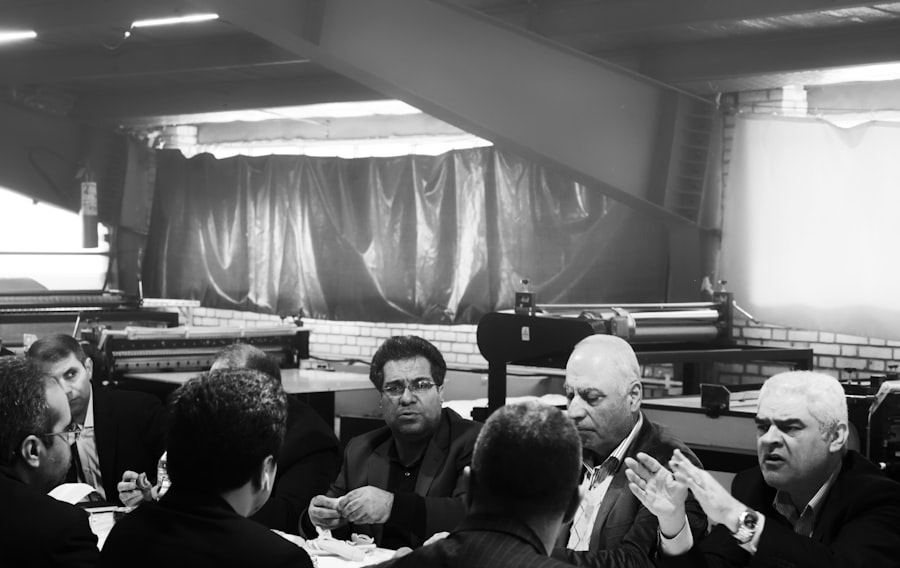
Emotions play a significant role in negotiations, especially when protective parts are involved. It’s essential to manage your emotions effectively to prevent them from clouding your judgment or escalating tensions. One strategy is to practice mindfulness techniques before entering negotiations.
Taking a few moments to center yourself can help you approach discussions with clarity and composure. Recognizing your emotional triggers is also crucial in managing your responses during negotiations. If you know that certain topics tend to provoke strong feelings, prepare yourself in advance by developing coping strategies.
For instance, if discussing financial matters makes you anxious, remind yourself of your expertise in the area and focus on presenting facts rather than getting caught up in emotions. By managing your emotions proactively, you can maintain control over the negotiation process.
Setting Boundaries and Limits with Protective Parts
Setting boundaries is an essential aspect of negotiating with protective parts. While it’s important to be empathetic and understanding, it’s equally vital to establish limits that protect your interests and well-being. Clearly communicate your boundaries at the outset of negotiations, ensuring that both parties understand what is acceptable behavior.
When setting boundaries, be assertive yet respectful. Use clear language to express your needs without being confrontational. For example, if a colleague interrupts you frequently during discussions, calmly state, “I’d appreciate it if we could take turns speaking so everyone has a chance to share their thoughts.” By establishing boundaries in a constructive manner, you create an environment where both parties feel respected and valued.
Finding Common Ground with Protective Parts
Finding common ground is essential for successful negotiations involving protective parts. When both parties feel understood and valued, they are more likely to collaborate toward a mutually beneficial solution. Start by identifying shared interests or goals that can serve as a foundation for discussions.
Engaging in active listening can help uncover common ground. Ask open-ended questions that encourage the other party to share their perspective and concerns. As they express their thoughts, look for areas where your interests align.
By highlighting these shared goals, you can shift the focus from conflict to collaboration, fostering a more positive negotiation atmosphere.
Negotiating Win-Win Solutions with Protective Parts
Negotiating win-win solutions is the ultimate goal when dealing with protective parts in negotiations. A win-win outcome ensures that both parties feel satisfied with the agreement reached, reducing the likelihood of future conflicts. To achieve this, approach negotiations with a mindset of collaboration rather than competition.
Encourage brainstorming sessions where both parties can propose creative solutions that address each other’s needs. This collaborative approach not only fosters goodwill but also allows for innovative ideas that may not have been considered otherwise. By focusing on finding solutions that benefit everyone involved, you create a sense of partnership that can strengthen relationships beyond the negotiation table.
Overcoming Resistance and Obstacles from Protective Parts
Resistance is a common challenge when negotiating with protective parts. Individuals may become entrenched in their positions due to fear or past experiences, making it difficult to reach an agreement. To overcome this resistance, it’s essential to approach discussions with patience and understanding.
One effective strategy is to acknowledge the other party’s concerns openly. Validating their feelings can help reduce defensiveness and create an opportunity for dialogue. For instance, if someone expresses skepticism about a proposed solution, instead of dismissing their concerns, take the time to explore their perspective further.
By addressing their fears head-on and providing reassurance, you can help break down barriers and facilitate progress toward resolution.
Integrating Protective Parts for Successful Negotiations
Integrating protective parts into the negotiation process is key for achieving successful outcomes. Rather than viewing these parts as obstacles, consider them as valuable insights into the emotional landscape of the negotiation. By acknowledging and integrating these aspects of yourself and others, you create a more holistic approach to discussions.
Encourage open dialogue about protective parts during negotiations by inviting participants to share their feelings and concerns openly. This transparency fosters an environment where everyone feels safe expressing themselves without fear of judgment or retaliation. As protective parts are integrated into the conversation, they become less likely to derail discussions and more likely to contribute positively to the negotiation process.
In conclusion, understanding and navigating protective parts in negotiations requires self-awareness, empathy, and effective communication skills. By identifying your own protective parts and recognizing them in others, you can build trust and rapport while managing emotions effectively. Setting boundaries and finding common ground are essential steps toward negotiating win-win solutions that benefit all parties involved.
If you’re looking to deepen your understanding of how to negotiate with your protective parts, you might find the article on Productive Patty particularly insightful. This resource offers practical strategies and techniques that can help you engage with your inner self more effectively, fostering a healthier dialogue with those protective aspects of your personality.
FAQs
What are protective parts in the context of negotiation?
Protective parts refer to internal psychological aspects or subpersonalities that act to safeguard an individual from emotional harm or perceived threats. These parts often influence behavior and decision-making during negotiations.
Why is it important to negotiate with your protective parts?
Negotiating with your protective parts helps to understand their concerns and motivations, reducing internal conflict and enabling more balanced and effective decision-making. It promotes self-awareness and emotional regulation during challenging interactions.
How can I identify my protective parts?
You can identify protective parts by paying attention to internal voices, feelings, or impulses that arise when you feel threatened, anxious, or defensive. Reflecting on recurring patterns of self-criticism, avoidance, or resistance can also reveal these parts.
What techniques can be used to negotiate with protective parts?
Common techniques include mindfulness, self-compassion, internal dialogue, and visualization. These methods help create a respectful and empathetic internal conversation, allowing protective parts to express their concerns and find common ground.
Can negotiating with protective parts improve external negotiations?
Yes, by resolving internal conflicts and understanding your protective parts, you can approach external negotiations with greater confidence, clarity, and emotional balance, leading to more constructive outcomes.
Is professional help necessary to negotiate with protective parts?
While some individuals can work with their protective parts independently, professional guidance from therapists or counselors trained in Internal Family Systems (IFS) or similar approaches can provide valuable support and structure.
How long does it take to effectively negotiate with protective parts?
The time required varies depending on individual circumstances, complexity of internal dynamics, and consistency of practice. Some may notice improvements quickly, while others may engage in ongoing work over weeks or months.
Are protective parts always negative or harmful?
No, protective parts serve a positive function by trying to keep you safe from emotional or physical harm. However, their strategies may sometimes be outdated or counterproductive, which is why negotiation and understanding are important.