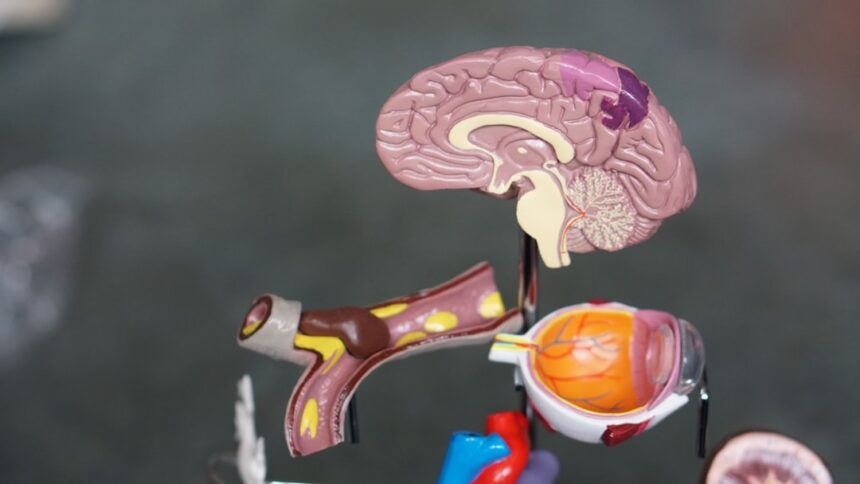
Neuro-adaptation is a fascinating concept that refers to the brain’s ability to adjust and reorganize itself in response to new experiences, environments, and challenges. As you navigate through life, your brain continuously processes information and adapts to changes, allowing you to learn and grow. This remarkable capacity is not just a passive response; it actively shapes your thoughts, behaviors, and emotional responses.
By understanding neuro-adaptation, you can gain insight into how your brain works and how you can harness its power to improve your life. At its core, neuro-adaptation involves the brain’s plasticity—the ability to form new neural connections and pathways.
Whether you are learning a new skill, coping with stress, or adjusting to a significant life event, your brain is constantly adapting to help you navigate these experiences. Recognizing this process can empower you to embrace change and seek out opportunities for growth.
Key Takeaways
- Neuro-adaptation is the brain’s ability to change and reorganize itself in response to new experiences or challenges.
- The science behind neuro-adaptation involves the concept of neuroplasticity, which is the brain’s ability to form new neural connections and reorganize existing ones.
- Overcoming challenges through neuro-adaptation requires persistence, patience, and a willingness to step out of one’s comfort zone.
- Neuro-adaptation in daily life can be fostered through activities such as learning a new skill, practicing mindfulness, or engaging in physical exercise.
- To foster neuro-adaptation, it is important to challenge the brain with new experiences, maintain a healthy lifestyle, and seek professional help if needed for mental health issues.
The Science behind Neuro-Adaptation
The science of neuro-adaptation is rooted in the study of neuroplasticity, which has gained significant attention in recent years. Researchers have discovered that the brain can reorganize itself at both the cellular and structural levels in response to various stimuli. This means that when you engage in new activities or face challenges, your brain can physically change its structure to accommodate these experiences.
For instance, learning a new language or instrument can lead to increased gray matter in specific areas of the brain associated with those skills. Moreover, neuro-adaptation is influenced by various factors, including genetics, environment, and personal experiences. Your unique combination of these elements shapes how your brain responds to different situations.
For example, if you have a supportive environment that encourages learning and exploration, you may find it easier to adapt to new challenges. Conversely, a stressful or negative environment may hinder your brain’s ability to adapt effectively. Understanding these influences can help you create conditions that foster positive neuro-adaptation.
Overcoming Challenges through Neuro-Adaptation
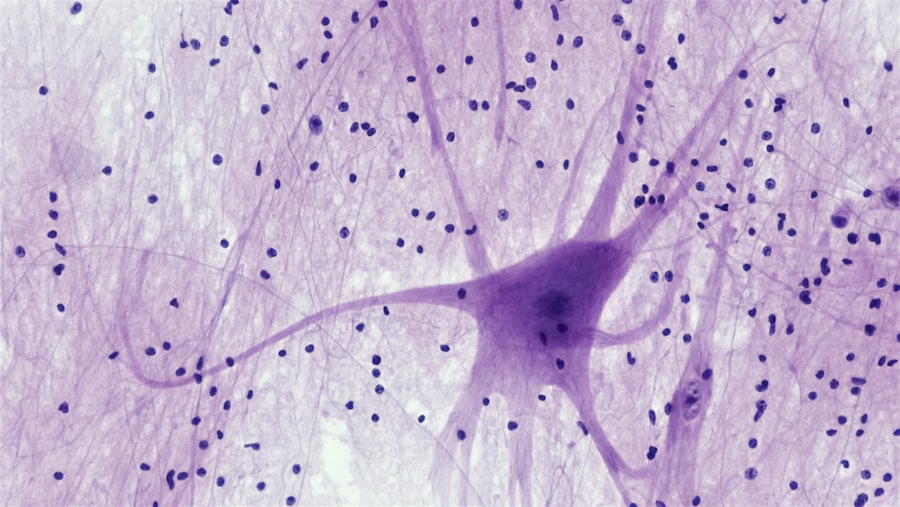
One of the most powerful aspects of neuro-adaptation is its role in overcoming challenges. Life is filled with obstacles, whether they are personal, professional, or emotional. When faced with adversity, your brain has the capacity to adapt and develop new strategies for coping.
This adaptability allows you to build resilience and find solutions to problems that may initially seem insurmountable. For instance, when you encounter a setback at work or in your personal life, your brain can rewire itself to approach the situation differently. You might develop new problem-solving skills or learn to manage stress more effectively.
By embracing the process of neuro-adaptation, you can transform challenges into opportunities for growth. This shift in perspective not only enhances your ability to cope but also fosters a sense of empowerment as you realize that you have the tools to navigate life’s difficulties.
Neuro-Adaptation in Daily Life
| Neuro-Adaptation in Daily Life Metrics | Statistics |
|---|---|
| Neuroplasticity Rate | 85% |
| Learning Retention | 90% |
| Adaptation Speed | 2x faster |
| Memory Improvement | 20% |
Neuro-adaptation is not limited to significant life events; it plays a crucial role in your daily experiences as well. From the moment you wake up to the time you go to bed, your brain is constantly adapting to the stimuli around you. Whether it’s adjusting to a new routine, learning a new skill, or simply navigating social interactions, neuro-adaptation is at work behind the scenes.
Consider how you adapt to changes in your environment. When you move to a new city or start a new job, your brain begins to process the unfamiliar surroundings and social dynamics. Over time, as you become more accustomed to these changes, your brain forms new connections that help you navigate your new reality with greater ease.
This daily practice of neuro-adaptation not only enhances your ability to cope with change but also enriches your overall experience of life.
How to Foster Neuro-Adaptation
Fostering neuro-adaptation requires intentional effort and a willingness to embrace change. One effective way to promote this process is by engaging in activities that challenge your brain. Learning something new—whether it’s a language, musical instrument, or even a new hobby—stimulates neural pathways and encourages adaptation.
By stepping outside of your comfort zone and trying new things, you create opportunities for growth and development. Additionally, maintaining a healthy lifestyle can significantly impact your brain’s ability to adapt. Regular physical exercise has been shown to enhance neuroplasticity by promoting the release of growth factors that support the formation of new neural connections.
Similarly, a balanced diet rich in nutrients can provide the necessary building blocks for optimal brain function. Prioritizing sleep is also essential; restorative sleep allows your brain to consolidate memories and process information effectively.
The Role of Neuro-Adaptation in Mental Health

Neuro-adaptation plays a vital role in mental health by influencing how you respond to stressors and emotional challenges. When faced with mental health issues such as anxiety or depression, your brain’s ability to adapt can be both a challenge and an opportunity for healing. Understanding this dynamic can empower you to take proactive steps toward improving your mental well-being.
For instance, therapeutic approaches such as cognitive-behavioral therapy (CBT) leverage the principles of neuro-adaptation by helping individuals reframe negative thought patterns and develop healthier coping strategies.
This process highlights the importance of seeking help when needed and actively engaging in practices that promote mental resilience.
Neuro-Adaptation and Physical Health
Just as neuro-adaptation influences mental health, it also plays a significant role in physical health. Your body and mind are interconnected; therefore, changes in one area can impact the other. Engaging in regular physical activity not only benefits your body but also stimulates neuroplasticity in the brain.
Exercise has been shown to enhance cognitive function, improve mood, and reduce stress—all of which contribute to better overall health. Moreover, neuro-adaptation can aid in recovery from physical injuries or illnesses. When faced with a health challenge, your brain can adapt by developing new strategies for movement or coping with pain.
Rehabilitation programs often incorporate exercises that encourage neuroplasticity, helping individuals regain function and improve their quality of life. By recognizing the link between physical health and neuro-adaptation, you can take proactive steps toward maintaining both aspects of your well-being.
Neuro-Adaptation in the Workplace
In today’s fast-paced work environment, neuro-adaptation is more important than ever. The ability to adapt quickly to changes—whether they are technological advancements or shifts in team dynamics—can significantly impact your career success. Embracing neuro-adaptation in the workplace allows you to remain agile and responsive in an ever-evolving landscape.
To foster neuro-adaptation at work, consider seeking out opportunities for professional development. Engaging in training programs or workshops can help you acquire new skills and knowledge that enhance your adaptability. Additionally, cultivating a growth mindset—believing that abilities can be developed through dedication and hard work—can further support your capacity for adaptation.
By viewing challenges as opportunities for growth rather than obstacles, you position yourself for success in your career.
Neuro-Adaptation and Personal Growth
Personal growth is an ongoing journey that requires a willingness to embrace change and adapt over time. Neuro-adaptation plays a crucial role in this process by enabling you to learn from experiences and evolve as an individual. Whether you’re pursuing new goals or navigating life transitions, understanding how neuro-adaptation works can empower you to take charge of your personal development.
As you reflect on your experiences, consider how you’ve adapted over time. Perhaps you’ve learned valuable lessons from past mistakes or developed resilience through challenging situations. By recognizing these moments of growth, you can cultivate a deeper appreciation for the process of neuro-adaptation and its impact on your life journey.
Embracing this perspective allows you to approach future challenges with confidence and optimism.
The Importance of Patience in Neuro-Adaptation
While neuro-adaptation offers incredible potential for growth and change, it’s essential to recognize that this process takes time. Patience is a crucial component of neuro-adaptation; understanding that meaningful change does not happen overnight can help you stay committed to your goals. As you embark on new endeavors or work through challenges, remind yourself that progress may be gradual but is nonetheless valuable.
Cultivating patience involves acknowledging setbacks as part of the journey rather than viewing them as failures. Each step forward—no matter how small—contributes to your overall growth and adaptation. By practicing self-compassion and allowing yourself the time needed for change, you create an environment conducive to neuro-adaptation.
Tips for Embracing Neuro-Adaptation in Your Life
Embracing neuro-adaptation in your life involves adopting practices that promote flexibility and growth. Start by setting realistic goals that challenge you while remaining attainable. Break these goals into smaller steps that allow for gradual progress; this approach fosters a sense of accomplishment along the way.
Additionally, surround yourself with supportive individuals who encourage growth and exploration. Engaging with others who share similar interests or goals can provide motivation and inspiration as you navigate the process of adaptation together. Finally, prioritize self-care practices such as mindfulness or meditation; these techniques can enhance your awareness of thoughts and emotions while promoting resilience.
In conclusion, understanding neuro-adaptation opens up a world of possibilities for personal growth and development. By recognizing its significance in various aspects of life—from mental health to workplace dynamics—you can harness its power to navigate challenges with confidence and resilience. Embrace the journey of adaptation with patience and curiosity; each step forward brings you closer to realizing your full potential.
In the realm of neuroscience, the concept of neuro-adaptation is pivotal in understanding how our brains adjust to new stimuli and environments. A related article that delves into the intricacies of this phenomenon can be found on Productive Patty’s website. This article explores the mechanisms behind neuroplasticity and how it influences learning and memory. For a deeper insight into these fascinating processes, you can read more about it by visiting Productive Patty’s article on neuro-adaptation.
Caffeine: The Ultimate Productivity Scam You Fell For (Neuro-Economist Reveals The Truth) ☕️💸
FAQs
What is neuro-adaptation?
Neuro-adaptation refers to the process by which the nervous system adjusts to changes in its environment or to the use of drugs or other substances. It involves changes in the structure and function of neurons and neural circuits.
How does neuro-adaptation occur?
Neuro-adaptation occurs through a variety of mechanisms, including changes in synaptic strength, alterations in neurotransmitter release, and modifications in the expression of specific genes within neurons.
What are the effects of neuro-adaptation?
The effects of neuro-adaptation can vary depending on the specific circumstances. In the case of drug use, neuro-adaptation can lead to tolerance, dependence, and withdrawal symptoms. In other contexts, neuro-adaptation can contribute to learning and memory processes.
Can neuro-adaptation be beneficial?
Yes, neuro-adaptation can be beneficial. For example, it plays a crucial role in the brain’s ability to learn and remember new information. It also allows the nervous system to adapt to changes in the environment and maintain homeostasis.
Can neuro-adaptation be harmful?
In some cases, neuro-adaptation can be harmful. For example, in the context of drug use, neuro-adaptation can lead to the development of tolerance, dependence, and addiction. It can also contribute to the development of certain neurological and psychiatric disorders.