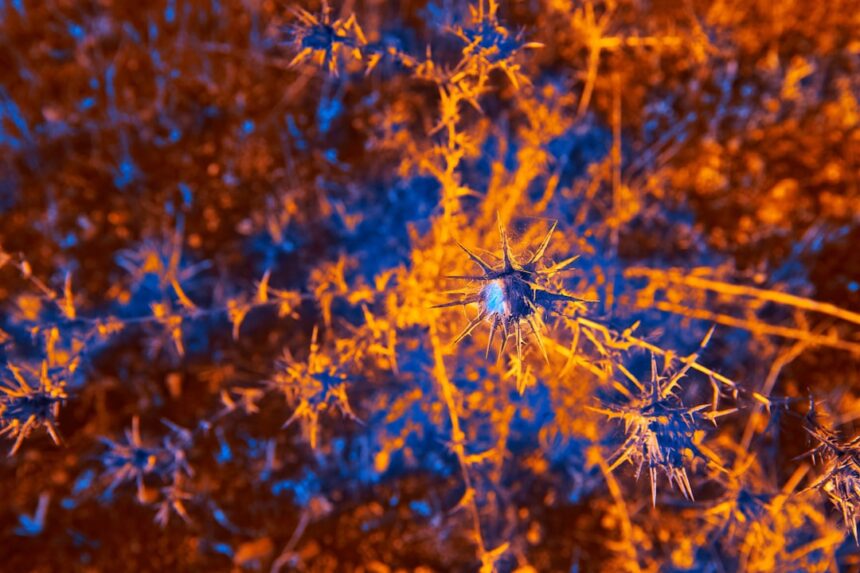
Neuroplasticity is the brain’s ability to reorganize itself by forming new neural connections throughout life. This adaptability allows the brain to adjust its activities in response to new experiences, learning, and injury. Neuroplasticity enables the brain to maintain functionality and efficiency, facilitating the acquisition of new skills, adaptation to environmental changes, and recovery from trauma.
This concept challenges the traditional view of the brain as a static organ, instead presenting it as dynamic and capable of significant change. Neuroplasticity functions through two main mechanisms: structural plasticity and functional plasticity. Structural plasticity involves physical changes in brain structure, including neurogenesis and strengthening of synaptic connections.
Functional plasticity refers to the brain’s ability to transfer functions from damaged areas to intact regions. This means that if one brain area is injured, other areas can assume its functions, demonstrating the brain’s resilience. Understanding these mechanisms provides insight into how neuroplasticity influences learning, skill acquisition, and recovery from injuries.
You can learn more about imposter syndrome through this insightful video.
Key Takeaways
- Neuroplasticity enables the brain to reorganize and adapt, playing a crucial role in learning, memory, and recovery from injury.
- It is fundamental in cognitive rehabilitation, mental health improvement, addiction recovery, and overcoming trauma.
- Aging brains benefit from neuroplasticity, which supports brain health and physical rehabilitation efforts.
- Mindfulness and meditation are effective strategies to enhance neuroplasticity and overall well-being.
- Ongoing research into neuroplasticity holds promise for advanced treatments in stroke recovery and various neurological conditions.
The Role of Neuroplasticity in Learning and Memory
Neuroplasticity plays a crucial role in how you learn and retain information. When you engage in learning activities, your brain forms new connections between neurons, which enhances your ability to process and recall information. This process is often referred to as synaptic plasticity, where repeated stimulation of certain pathways strengthens the connections between neurons.
As you practice a skill or study a subject, these pathways become more efficient, making it easier for you to access that information later.
This aspect of neuroplasticity allows you to adapt your thinking and behavior based on new experiences or changing circumstances.
For instance, if you find that a particular strategy for solving a problem is ineffective, your brain can rewire itself to adopt a more effective approach. This flexibility is essential for personal growth and development, enabling you to navigate life’s challenges with greater ease.
Harnessing Neuroplasticity for Cognitive Rehabilitation
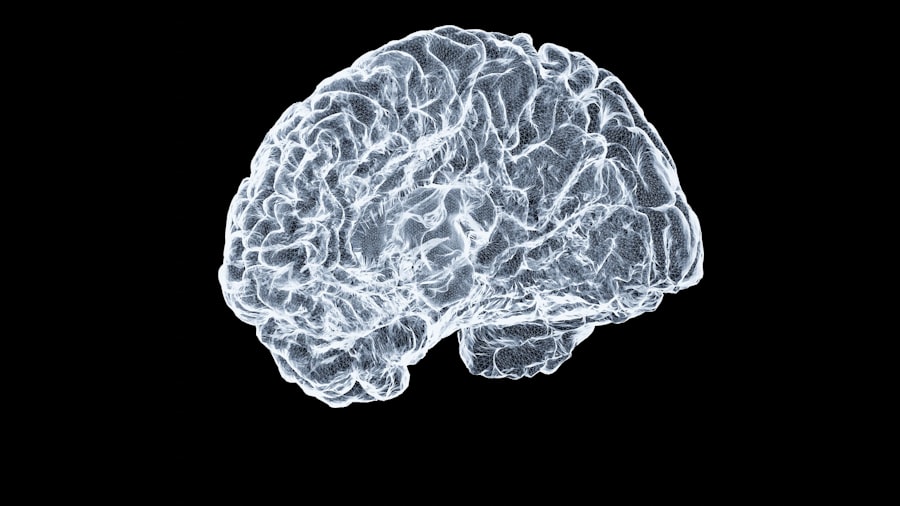
Cognitive rehabilitation is an area where neuroplasticity has shown immense promise, particularly for individuals recovering from brain injuries or strokes. By understanding how neuroplasticity works, therapists can design targeted interventions that encourage the brain to rewire itself and regain lost functions. These interventions often involve repetitive practice of specific tasks or exercises that stimulate the affected areas of the brain, promoting recovery through neuroplastic changes.
For example, if you have experienced a stroke that has impaired your ability to speak, speech therapy can help you retrain your brain by practicing speech exercises. Over time, these exercises can lead to the formation of new neural pathways that restore your ability to communicate effectively. The key is consistency and patience; neuroplastic changes take time and require ongoing effort.
By actively participating in cognitive rehabilitation programs, you can harness the power of neuroplasticity to reclaim lost skills and improve your overall cognitive function.
Neuroplasticity and its Impact on Mental Health and Well-being
The implications of neuroplasticity extend beyond cognitive rehabilitation; they also play a significant role in mental health and well-being. Research has shown that engaging in activities that promote neuroplasticity can lead to improvements in mood, anxiety levels, and overall mental health. For instance, practices such as mindfulness meditation have been found to enhance neuroplasticity by encouraging positive changes in brain structure and function.
When you practice mindfulness, you cultivate awareness and acceptance of your thoughts and feelings without judgment. This practice can lead to changes in the brain regions associated with emotional regulation and stress response. As a result, you may find yourself better equipped to handle stressors and maintain a more balanced emotional state.
By fostering neuroplasticity through mindfulness and other positive habits, you can create a more resilient mind that supports your mental health.
The Influence of Neuroplasticity on Addiction and Recovery
| Metric | Description | Typical Range/Value | Relevance to Neuroplasticity |
|---|---|---|---|
| Synaptic Density | Number of synapses per unit volume of brain tissue | 10^9 synapses per mm³ in cortex | Increases with learning and experience, indicating rewiring |
| Long-Term Potentiation (LTP) | Strengthening of synapses following repeated stimulation | Potentiation lasting hours to days | Key mechanism underlying memory formation and plasticity |
| Neurogenesis Rate | Generation of new neurons in adult brain regions | ~700 new neurons/day in hippocampus | Supports brain rewiring and cognitive flexibility |
| Myelination Changes | Alterations in myelin sheath thickness and distribution | Variable; increases with skill learning | Enhances signal transmission speed, aiding rewiring |
| Functional Connectivity | Correlation of activity between brain regions | Dynamic; changes with training and therapy | Reflects network-level brain rewiring |
| Gray Matter Volume | Volume of neuronal cell bodies in specific brain areas | Can increase by 1-5% after intensive training | Indicates structural brain changes due to plasticity |
Neuroplasticity also plays a critical role in understanding addiction and recovery processes. Substance abuse can lead to significant changes in the brain’s structure and function, reinforcing addictive behaviors and making it challenging for individuals to break free from their dependencies. However, the same principles of neuroplasticity that contribute to addiction can also facilitate recovery.
When you engage in recovery programs or therapeutic interventions, your brain can begin to rewire itself away from addictive patterns. For example, cognitive-behavioral therapy (CBT) focuses on changing negative thought patterns associated with addiction.
This process highlights the importance of ongoing support and commitment in recovery; as you work towards change, your brain adapts accordingly.
Neuroplasticity in the Context of Aging and Brain Health

As you age, maintaining cognitive function becomes increasingly important for overall well-being. Neuroplasticity offers hope for preserving brain health throughout the aging process. Research indicates that engaging in mentally stimulating activities—such as learning a new language or playing a musical instrument—can promote neuroplastic changes that enhance cognitive function.
Additionally, physical exercise has been shown to have a positive impact on neuroplasticity in older adults. Regular physical activity increases blood flow to the brain and stimulates the release of growth factors that support neuron health and connectivity. By incorporating both mental and physical challenges into your daily routine, you can foster an environment conducive to neuroplasticity, ultimately supporting your cognitive health as you age.
The Connection Between Neuroplasticity and Physical Rehabilitation
Neuroplasticity is not limited to cognitive functions; it also plays a vital role in physical rehabilitation following injuries or surgeries. When you experience physical trauma—such as a broken limb or spinal cord injury—your body undergoes a healing process that involves both physical recovery and neural adaptation. Through targeted rehabilitation exercises, you can encourage neuroplastic changes that promote recovery of motor skills.
For instance, if you’ve suffered a stroke that affects your mobility, physical therapy can help retrain your muscles and improve coordination through repetitive practice. As you engage in these exercises, your brain begins to form new connections that facilitate movement and coordination. This process underscores the importance of rehabilitation programs tailored to individual needs; by focusing on specific goals and challenges, you can optimize your recovery through neuroplasticity.
Strategies for Enhancing Neuroplasticity through Mindfulness and Meditation
To harness the power of neuroplasticity effectively, incorporating mindfulness and meditation into your daily routine can be highly beneficial. These practices not only promote relaxation but also stimulate positive changes in brain structure and function. Mindfulness encourages present-moment awareness, allowing you to observe your thoughts without judgment—a practice that fosters emotional regulation and resilience.
Meditation has been shown to increase gray matter density in areas of the brain associated with memory, learning, and emotional regulation. By dedicating time each day to mindfulness or meditation practices, you create an environment conducive to neuroplastic changes. Whether it’s through guided meditation apps or simple breathing exercises, these strategies can enhance your cognitive flexibility and emotional well-being.
The Role of Neuroplasticity in Overcoming Trauma and PTSD
Neuroplasticity also plays a significant role in overcoming trauma and post-traumatic stress disorder (PTSD). Traumatic experiences can leave lasting imprints on the brain, affecting emotional regulation and response to stressors. However, through therapeutic interventions that leverage neuroplasticity, individuals can work towards healing from trauma.
Therapies such as Eye Movement Desensitization and Reprocessing (EMDR) have been shown to facilitate neuroplastic changes that help individuals process traumatic memories more effectively. By reprocessing these memories within a safe therapeutic environment, you can create new associations that diminish their emotional charge over time. This process highlights the potential for recovery; with dedication and support, you can reshape your relationship with past traumas through neuroplasticity.
Neuroplasticity and its Implications for Stroke Recovery and Rehabilitation
Stroke recovery is one area where neuroplasticity has garnered significant attention due to its potential for restoring lost functions. After a stroke, the affected areas of the brain may struggle with tasks such as movement or speech. However, through targeted rehabilitation efforts that promote neuroplastic changes, individuals can regain abilities previously thought lost.
Therapies such as constraint-induced movement therapy (CIMT) encourage patients to use their affected limbs by restricting movement in their unaffected limbs. This approach forces the brain to adapt by creating new neural pathways that support movement recovery. The success of stroke rehabilitation hinges on understanding how neuroplasticity works; by engaging in consistent practice and therapy, individuals can experience remarkable improvements in their quality of life.
The Future of Neuroplasticity Research and its Potential Applications
As research into neuroplasticity continues to evolve, its potential applications are vast and promising. Scientists are exploring innovative ways to harness neuroplasticity for various conditions—from neurological disorders like Parkinson’s disease to mental health challenges such as depression and anxiety. The future may hold groundbreaking therapies that utilize neuroplastic principles to enhance recovery processes across multiple domains.
Moreover, advancements in technology—such as virtual reality (VR) therapy—are being integrated into rehabilitation programs to stimulate neuroplastic changes more effectively. By creating immersive environments that challenge cognitive and physical abilities simultaneously, VR therapy has shown promise in enhancing recovery outcomes for individuals with various conditions. As our understanding of neuroplasticity deepens, so too does our ability to develop targeted interventions that empower individuals on their journey toward healing and growth.
In conclusion, neuroplasticity is a powerful concept that underscores the brain’s remarkable ability to adapt throughout life. By understanding how it works and its implications across various domains—learning, mental health, rehabilitation—you can harness this knowledge for personal growth and recovery. Whether you’re seeking to enhance cognitive function or overcome challenges related to trauma or injury, embracing the principles of neuroplasticity can lead to transformative changes in your life.
Neuroplasticity is a fascinating concept that highlights the brain’s ability to reorganize itself by forming new neural connections throughout life. This remarkable adaptability can be influenced by various factors, including learning, experience, and even injury recovery. For a deeper understanding of how neuroplasticity can be harnessed to improve cognitive function and overall well-being, you can explore this insightful article on the topic at Productive Patty.
WATCH THIS! 🧠 THE NEUROPLASTICITY TRAP: Why Your Brain Sabotages Success (The 60-Second Fix)
FAQs
What is neuroplasticity?
Neuroplasticity is the brain’s ability to reorganize itself by forming new neural connections throughout life. This allows the brain to adapt to new experiences, learn new information, and recover from injuries.
How does neuroplasticity work?
Neuroplasticity works by strengthening or weakening synapses, creating new neural pathways, and sometimes generating new neurons. These changes occur in response to learning, experience, or environmental changes.
Can neuroplasticity help in brain injury recovery?
Yes, neuroplasticity plays a crucial role in recovery from brain injuries by enabling other parts of the brain to compensate for damaged areas, helping restore lost functions through rehabilitation and therapy.
Is neuroplasticity limited to childhood?
No, neuroplasticity occurs throughout life, although it is generally more pronounced during childhood. Adults also retain the ability to rewire their brains, especially with consistent practice and learning.
What activities promote neuroplasticity?
Activities such as learning new skills, practicing mindfulness, physical exercise, engaging in challenging cognitive tasks, and maintaining social interactions can promote neuroplasticity.
Can neuroplasticity change behavior or habits?
Yes, neuroplasticity enables changes in behavior and habits by rewiring neural circuits associated with those behaviors, making it possible to develop new habits or overcome negative ones.
Are there any limitations to neuroplasticity?
While neuroplasticity is powerful, it has limits. Factors such as age, the extent of brain damage, and overall health can influence the brain’s ability to rewire itself.
How long does it take for neuroplastic changes to occur?
The time frame varies depending on the complexity of the change and individual factors. Some neural changes can happen within hours or days, while others may take weeks or months of consistent effort.
Is neuroplasticity related to mental health?
Yes, neuroplasticity is linked to mental health. Positive neuroplastic changes can improve mood and cognitive function, while maladaptive plasticity may contribute to conditions like anxiety or depression.
Can technology or therapy enhance neuroplasticity?
Yes, various therapies such as cognitive-behavioral therapy, neurofeedback, and brain stimulation techniques, as well as certain technologies, can enhance neuroplasticity and support brain rewiring.