Pump stations are essential infrastructure components for water resource management in urban and industrial environments. The capacity of a pump station is defined as its maximum ability to transport water or wastewater through a distribution system. This capacity is quantified by flow rate, measured in volume per unit time (typically gallons per minute, liters per second, or cubic meters per hour).
Accurate capacity assessment ensures infrastructure can accommodate present water demands and projected population growth. Properly sized pump stations maintain system reliability and support sustainable water management practices. Several technical factors determine pump station capacity.
Pump selection depends on head requirements, flow characteristics, and fluid properties. The type of fluid significantly affects capacity – clean water systems operate differently than wastewater or stormwater applications due to varying viscosity, solids content, and corrosive properties.
Operating conditions such as suction pressure, discharge pressure, and ambient temperature directly influence pump performance curves and overall system efficiency. Engineers must evaluate these variables during design and operation phases to optimize pump station performance. Capacity calculations incorporate hydraulic modeling, pump characteristic curves, and system demand analysis.
Regular monitoring and maintenance ensure stations operate within design parameters and maintain rated capacity throughout their service life.
Key Takeaways
- Pump station capacity is influenced by various factors and is crucial for efficient water management.
- Optimizing capacity involves assessment methods, technology use, and strategic management practices.
- Regular monitoring and maintenance ensure long-term operational efficiency of pump stations.
- Addressing capacity challenges requires collaboration with stakeholders and adapting to community growth.
- Successful case studies highlight effective strategies for capacity optimization and management.
Factors Affecting Pump Station Capacity
Several factors can significantly influence the capacity of a pump station. One of the primary considerations is the design and configuration of the pump system itself. The selection of pumps, their arrangement, and the materials used in construction all play a role in determining how much fluid can be moved efficiently.
For example, centrifugal pumps are commonly used for their ability to handle large volumes of water, but their efficiency can be affected by factors such as impeller design and motor size. Therefore, careful consideration must be given to these elements during the design phase to maximize capacity. Another critical factor affecting pump station capacity is the condition of the infrastructure.
Over time, wear and tear can lead to reduced efficiency in pumps and associated equipment. Corrosion, sediment buildup, and mechanical failures can all hinder a pump’s ability to operate at its designed capacity. Regular maintenance and timely upgrades are essential to mitigate these issues and ensure that the pump station continues to function effectively.
Additionally, external factors such as changes in regulations or environmental conditions can also impact capacity, necessitating ongoing assessments and adjustments.
Importance of Optimizing Pump Station Capacity
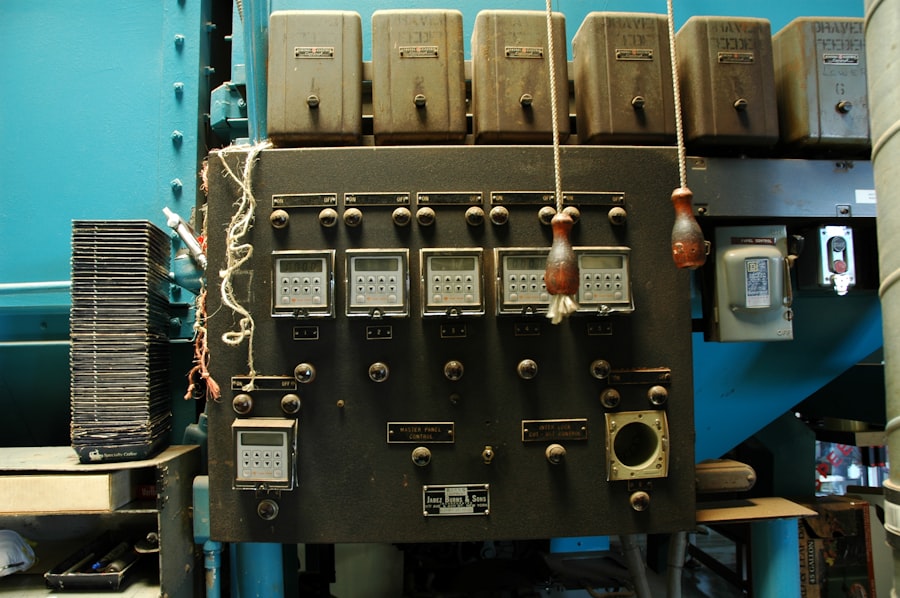
Optimizing pump station capacity is vital for several reasons. First and foremost, it ensures that water and wastewater systems can meet the demands of growing populations and industrial activities. As urban areas expand, the volume of water that needs to be managed increases, making it imperative for pump stations to operate at peak efficiency.
Moreover, optimizing capacity contributes to cost savings for municipalities and utility providers. Efficiently operating pump stations require less energy, which translates into lower operational costs.
Additionally, by maximizing capacity, organizations can delay or avoid costly infrastructure expansions or upgrades. This not only benefits financial planning but also supports sustainable practices by reducing the environmental impact associated with constructing new facilities. Ultimately, optimizing pump station capacity is a strategic approach that enhances service delivery while promoting economic and environmental sustainability.
Methods for Assessing Pump Station Capacity
Assessing pump station capacity involves a combination of quantitative and qualitative methods. Flow measurements are one of the most straightforward approaches to determine how much water a pump station can handle. This can be achieved through various techniques such as using flow meters or conducting hydraulic tests.
These measurements provide valuable data on current performance levels and help identify any discrepancies between expected and actual flow rates. In addition to flow measurements, engineers often conduct performance evaluations that consider factors such as energy consumption, pump efficiency curves, and operational history. By analyzing these elements, they can gain insights into how well a pump station is functioning relative to its design specifications.
Furthermore, computer modeling and simulation tools are increasingly being used to assess capacity under different scenarios, allowing for more comprehensive evaluations that take into account potential future demands and operational changes.
Strategies for Increasing Pump Station Capacity
| Metric | Description | Unit | Typical Range | Importance |
|---|---|---|---|---|
| Maximum Flow Rate | Maximum volume of fluid the pump station can handle per unit time | Liters per second (L/s) | 100 – 5000 L/s | High |
| Operating Flow Rate | Normal flow rate during typical operation | Liters per second (L/s) | 50 – 4000 L/s | High |
| Pump Efficiency | Ratio of hydraulic power output to mechanical power input | Percentage (%) | 60% – 90% | Medium |
| Head | Height the pump can raise the fluid | Meters (m) | 10 – 100 m | High |
| Power Consumption | Energy used by the pump station during operation | Kilowatts (kW) | 5 – 500 kW | Medium |
| Run Time | Duration the pump operates within a given period | Hours per day (h/day) | 0 – 24 h/day | Medium |
| Capacity Utilization | Percentage of maximum capacity currently in use | Percentage (%) | 0% – 100% | High |
| Maintenance Interval | Time between scheduled maintenance activities | Months | 3 – 12 months | Low |
Increasing pump station capacity can be achieved through various strategies tailored to specific needs and circumstances. One effective approach is upgrading existing equipment with more efficient pumps or motors that can handle higher flow rates without compromising performance. This may involve retrofitting current systems or replacing outdated components with modern technology designed for enhanced efficiency.
Another strategy involves optimizing operational practices within the pump station. This could include implementing better scheduling for maintenance activities to minimize downtime or adjusting operational parameters based on real-time data analytics. By leveraging advanced monitoring systems, operators can make informed decisions that enhance performance and increase overall capacity without significant capital investment.
Implementing Efficient Management Practices
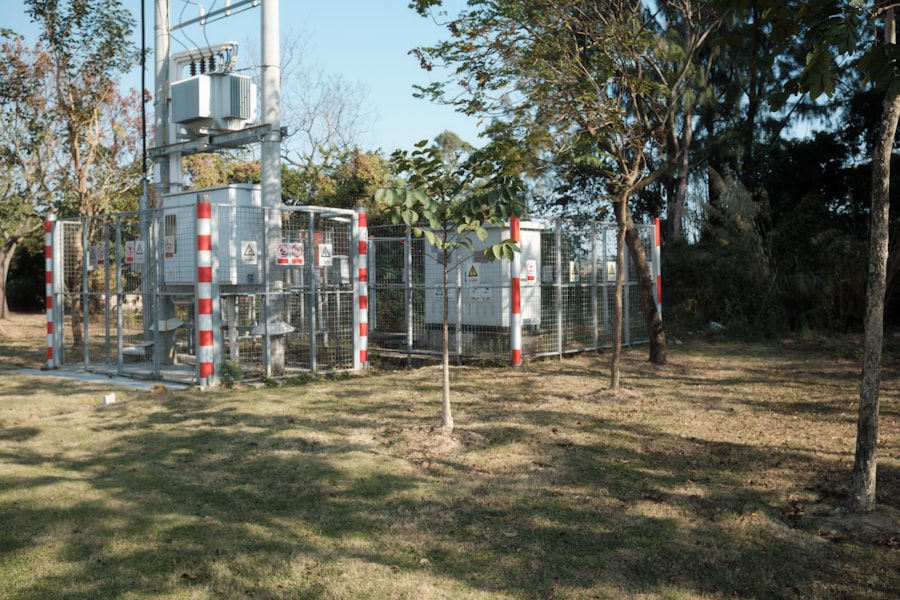
Efficient management practices are essential for maintaining optimal pump station capacity over time. This includes establishing clear protocols for routine maintenance and inspections to ensure that all components are functioning correctly. Regular training for staff on best practices in operation and maintenance can also contribute significantly to efficiency gains.
Additionally, adopting a proactive approach to asset management can help identify potential issues before they escalate into major problems. This might involve using predictive maintenance techniques that rely on data analytics to forecast when equipment is likely to fail or require servicing. By addressing these concerns early on, organizations can avoid costly disruptions and maintain consistent service levels.
Utilizing Technology for Capacity Optimization
The integration of technology into pump station operations has revolutionized how capacity is managed and optimized. Advanced monitoring systems equipped with sensors can provide real-time data on flow rates, pressure levels, and equipment performance. This information allows operators to make immediate adjustments as needed, ensuring that the system operates within its optimal range.
Moreover, automation technologies can streamline operations by reducing manual intervention in routine tasks. Automated control systems can adjust pump speeds based on demand fluctuations, optimizing energy use while maintaining required flow rates. The use of data analytics tools further enhances decision-making processes by providing insights into historical performance trends and predictive modeling for future scenarios.
Monitoring and Maintenance for Long-Term Efficiency
Ongoing monitoring and maintenance are critical components in ensuring long-term efficiency in pump stations. Regular inspections help identify wear and tear on equipment before it leads to failures or reduced capacity. Implementing a structured maintenance schedule based on manufacturer recommendations and operational data can significantly extend the lifespan of pumps and associated infrastructure.
In addition to routine maintenance, continuous monitoring systems allow for real-time assessment of performance metrics. By analyzing this data over time, operators can identify patterns that may indicate underlying issues or opportunities for improvement. This proactive approach not only enhances reliability but also supports strategic planning for future upgrades or expansions based on anticipated demand changes.
Addressing Capacity Challenges in Growing Communities
As communities grow, they often face significant challenges related to water management infrastructure, particularly regarding pump station capacity. Increased population density leads to higher water demand, necessitating an evaluation of existing systems to determine if they can accommodate future needs. In many cases, this requires not only assessing current capacity but also forecasting future growth trends based on demographic data.
To address these challenges effectively, municipalities must engage in comprehensive planning efforts that consider both short-term needs and long-term sustainability goals. This may involve investing in new technologies or expanding existing facilities to enhance capacity while ensuring compliance with environmental regulations. Collaboration with local stakeholders is essential in this process to ensure that all perspectives are considered in decision-making.
Collaborating with Stakeholders for Capacity Planning
Collaboration among stakeholders is vital for effective capacity planning in pump stations. This includes engaging with local government agencies, utility providers, community organizations, and residents to gather input on needs and expectations regarding water management services. By fostering open communication channels, stakeholders can work together to identify challenges and develop solutions that benefit everyone involved.
Furthermore, collaborative efforts can lead to more innovative approaches to capacity optimization. For instance, partnerships with research institutions or technology companies may yield new insights into best practices or emerging technologies that could enhance performance. By leveraging diverse expertise and resources, stakeholders can create more resilient water management systems capable of adapting to changing demands.
Case Studies of Successful Capacity Optimization Efforts
Examining case studies of successful capacity optimization efforts provides valuable lessons for other municipalities facing similar challenges. For instance, a city that implemented advanced monitoring systems in its pump stations saw a significant reduction in energy costs while simultaneously increasing flow rates during peak demand periods. By utilizing real-time data analytics, operators were able to make informed decisions that improved overall efficiency.
Another example involves a community that collaborated with local universities to develop innovative solutions for managing stormwater runoff through enhanced pump station design. By integrating green infrastructure elements with traditional systems, they not only increased capacity but also improved environmental outcomes by reducing pollution levels in nearby waterways. These case studies highlight the importance of strategic planning, collaboration, and technology adoption in achieving successful outcomes in pump station capacity optimization efforts.
In conclusion, understanding and optimizing pump station capacity is essential for effective water management in growing communities. By considering various factors affecting capacity, implementing efficient management practices, utilizing technology, and collaborating with stakeholders, municipalities can enhance their infrastructure’s resilience while meeting current and future demands effectively.
Effective pump station capacity management is crucial for ensuring optimal performance and reliability in water distribution systems. For a deeper understanding of this topic, you can explore the article on pump station design and operational strategies available at this link. This resource provides valuable insights into best practices and innovative approaches to enhance the efficiency of pump stations.
FAQs
What is pump station capacity management?
Pump station capacity management involves monitoring, controlling, and optimizing the flow and volume of fluids—typically water or wastewater—through a pump station to ensure efficient operation and prevent overloading or underutilization.
Why is managing pump station capacity important?
Proper capacity management helps maintain system reliability, prevents equipment failure, reduces energy consumption, and ensures that the pump station can handle peak flow conditions without causing backups or environmental issues.
What factors affect pump station capacity?
Factors include the design flow rate, pump size and number, system demand fluctuations, maintenance schedules, and external conditions such as inflow and infiltration in wastewater systems.
How is pump station capacity measured?
Capacity is typically measured in terms of flow rate, such as gallons per minute (GPM) or liters per second (L/s), and is assessed using flow meters, pump curves, and system performance data.
What are common methods for managing pump station capacity?
Methods include installing variable frequency drives (VFDs) to adjust pump speed, implementing real-time monitoring systems, performing regular maintenance, and upgrading equipment to meet changing demand.
How can pump station capacity be increased if needed?
Capacity can be increased by adding additional pumps, upgrading existing pumps to higher capacity models, optimizing control systems, or expanding the physical infrastructure of the station.
What role does automation play in pump station capacity management?
Automation allows for real-time monitoring and control of pump operations, enabling dynamic adjustments to flow rates based on demand, which improves efficiency and prevents capacity issues.
What are the risks of poor pump station capacity management?
Risks include pump failure, system backups, environmental contamination, increased operational costs, and reduced lifespan of equipment.
How often should pump station capacity be reviewed?
Capacity should be reviewed regularly, typically during routine maintenance checks, after significant changes in system demand, or when performance issues are detected.
Can pump station capacity management help reduce energy consumption?
Yes, by optimizing pump operation and avoiding unnecessary running at full capacity, energy use can be minimized, leading to cost savings and environmental benefits.