
Creative paralysis is a phenomenon that many individuals encounter at some point in their lives, particularly those engaged in artistic or innovative pursuits. It manifests as an inability to generate new ideas or produce work, leaving you feeling stuck and frustrated. This mental block can stem from various sources, including self-doubt, fear of judgment, or overwhelming expectations.
When you experience creative paralysis, it can feel as though your mind is a blank canvas, devoid of inspiration and possibility. This state can be disheartening, especially when you are passionate about your craft and eager to express yourself. The effects of creative paralysis extend beyond just the inability to create; they can seep into other areas of your life.
You may find that your motivation wanes, leading to procrastination and a sense of inadequacy. The pressure to produce something remarkable can become paralyzing in itself, creating a vicious cycle where the fear of failure prevents you from even attempting to create. Understanding this phenomenon is the first step toward overcoming it.
By recognizing that creative paralysis is a common experience, you can begin to approach it with compassion rather than frustration, allowing yourself the space to explore and eventually break free from its grip.
Key Takeaways
- Creative paralysis hinders imagination by causing mental blocks and fear of imperfection.
- Recognizing symptoms like self-doubt and procrastination is key to overcoming creative stagnation.
- Strategies such as embracing failure, setting realistic goals, and practicing mindfulness can unlock creativity.
- Building a supportive community and seeking feedback fosters growth and inspiration.
- Celebrating your unique creative voice and maintaining self-care nurtures long-term creative vitality.
Recognizing the Signs and Symptoms of Creative Paralysis
Recognizing the signs of creative paralysis is crucial for addressing it effectively. You might notice that you spend more time staring at a blank page or canvas than actually creating. This can lead to feelings of guilt or shame, as you may feel that you are wasting time or not living up to your potential.
Additionally, you may find yourself constantly second-guessing your ideas, dismissing them before they even have a chance to develop. This self-criticism can be debilitating, making it even harder to take the first step toward creation. Another symptom of creative paralysis is a pervasive sense of anxiety surrounding your work.
You may feel overwhelmed by the pressure to produce something perfect or groundbreaking, which can stifle your creativity altogether. This anxiety can manifest in physical ways as well, such as restlessness or difficulty concentrating. By identifying these signs early on, you can take proactive steps to address them before they escalate into a more significant barrier to your creativity.
Breaking Through Mental Blocks: Strategies for Unleashing Your Imagination

Once you’ve recognized that you’re experiencing creative paralysis, it’s time to implement strategies to break through those mental blocks. One effective approach is to set aside dedicated time for brainstorming without judgment. Allow yourself to write down any ideas that come to mind, no matter how silly or impractical they may seem.
This exercise can help free your mind from the constraints of perfectionism and encourage a flow of creativity that may have been stifled. Another strategy is to change your environment. Sometimes, a simple shift in scenery can spark new ideas and perspectives.
Consider working in a different location, whether it’s a café, park, or even a different room in your home. Surrounding yourself with new stimuli can help ignite your imagination and provide fresh inspiration for your work. Additionally, engaging in activities unrelated to your creative pursuits—such as taking a walk, reading a book, or trying a new hobby—can also help clear mental clutter and allow new ideas to surface.
Embracing Failure and Rejection: Overcoming Fear of Imperfection
| Metric | Description | Example Data | Impact on Overcoming Fear of Imperfection |
|---|---|---|---|
| Failure Frequency | Number of failures experienced in a given period | 5 failures/month | Higher frequency helps normalize failure and reduce fear |
| Rejection Rate | Percentage of attempts resulting in rejection | 30% | Understanding rejection as part of growth reduces fear of imperfection |
| Resilience Score | Self-assessed ability to bounce back from setbacks (scale 1-10) | 7 | Higher resilience correlates with better acceptance of failure |
| Learning from Failure | Number of lessons or improvements identified after failure | 3 lessons/failure | Active learning reduces fear by turning failure into growth |
| Fear of Imperfection Level | Self-reported anxiety about making mistakes (scale 1-10) | 4 | Lower levels indicate successful embracing of imperfection |
| Support System Strength | Quality of emotional and social support (scale 1-10) | 8 | Strong support helps individuals cope with failure and rejection |
One of the most significant barriers to creativity is the fear of failure and rejection. You may find yourself paralyzed by the thought that your work won’t be good enough or that others will judge it harshly. However, embracing failure as an integral part of the creative process can be liberating.
Every artist has faced setbacks and criticism; these experiences often serve as valuable lessons that contribute to growth and improvement. To overcome this fear, try reframing your perspective on failure. Instead of viewing it as a negative outcome, consider it an opportunity for learning and growth.
Allow yourself to create without the pressure of perfectionism; focus on the process rather than the end result.
Remember that even the most celebrated artists have faced rejection; what sets them apart is their ability to persevere and continue creating despite setbacks.
Cultivating a Growth Mindset: Embracing Challenges and Learning from Setbacks
Adopting a growth mindset is essential for overcoming creative paralysis and fostering resilience in your creative journey. A growth mindset encourages you to view challenges as opportunities for development rather than insurmountable obstacles. When you embrace this mindset, you become more open to experimentation and exploration, allowing your creativity to flourish.
To cultivate a growth mindset, start by reframing negative self-talk into positive affirmations. Instead of thinking, “I can’t do this,” try telling yourself, “I am learning and improving every day.” Celebrate small victories along the way, recognizing that progress is often incremental rather than immediate. By embracing challenges and viewing setbacks as part of the learning process, you can build confidence in your abilities and unlock new levels of creativity.
Finding Inspiration in Everyday Life: Tapping into Your Creative Potential
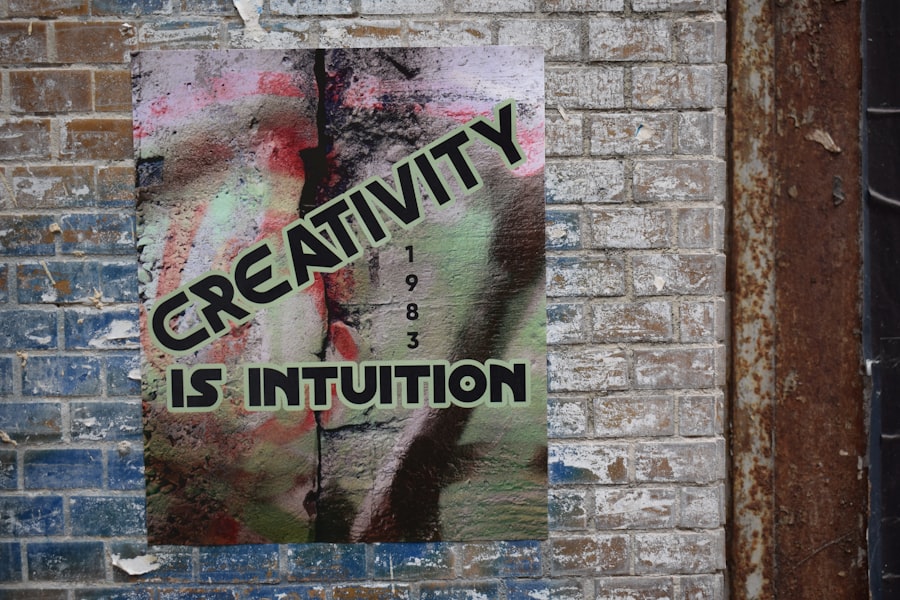
Inspiration often lies hidden in the mundane aspects of everyday life. To tap into your creative potential, make a conscious effort to observe the world around you with fresh eyes. Take note of the colors, sounds, and textures that surround you; these elements can serve as powerful sources of inspiration for your work.
Consider keeping a journal where you jot down observations or ideas that strike you throughout the day. Engaging with different forms of art and culture can also ignite your creativity. Visit galleries, attend performances, or explore literature outside your usual preferences.
Remember that creativity often thrives on connection; by immersing yourself in various experiences, you can cultivate a rich tapestry of inspiration that fuels your imagination.
Setting Realistic Goals and Deadlines: Creating a Framework for Creativity
Establishing realistic goals and deadlines is crucial for maintaining momentum in your creative endeavors. When faced with creative paralysis, it can be helpful to break down larger projects into smaller, manageable tasks. This approach allows you to focus on one step at a time rather than feeling overwhelmed by the entirety of the project.
Consider setting specific deadlines for each task while allowing flexibility for adjustments along the way. This structure provides accountability without stifling creativity. Additionally, celebrate each completed task as a victory; acknowledging your progress can motivate you to continue moving forward.
By creating a framework for your creativity, you can foster a sense of accomplishment that propels you through periods of stagnation.
Seeking Support and Feedback: Building a Community of Creativity
Building a supportive community around your creative pursuits can be invaluable in overcoming creative paralysis. Seek out like-minded individuals who share your interests and passions; engaging with others can provide fresh perspectives and encouragement when you’re feeling stuck. Whether through workshops, online forums, or local meetups, connecting with fellow creatives allows you to share ideas and experiences while fostering collaboration.
Feedback is another essential component of this process. Constructive criticism from trusted peers can help you refine your work and gain insights that you may not have considered on your own. Embrace feedback as an opportunity for growth rather than a judgment on your abilities; remember that every artist benefits from external perspectives at some point in their journey.
Embracing Play and Experimentation: Rediscovering the Joy of Creativity
Reconnecting with the playful aspect of creativity can be transformative in overcoming paralysis. Allow yourself to experiment without the pressure of producing something “worthy.” Engage in activities that encourage spontaneity—try doodling, painting with unconventional materials, or writing without any specific goal in mind. This playful exploration can reignite your passion for creation and remind you why you fell in love with your craft in the first place.
Experimentation also opens doors to unexpected discoveries. You may stumble upon new techniques or ideas that inspire future projects simply by allowing yourself the freedom to play. Embrace this sense of curiosity; let go of rigid expectations and allow your imagination to roam freely.
Practicing Mindfulness and Self-Care: Nurturing Your Creative Spirit
Nurturing your creative spirit requires attention to both mental and physical well-being. Practicing mindfulness can help ground you during moments of creative paralysis by encouraging present-moment awareness. Techniques such as meditation or deep breathing exercises can reduce anxiety and create space for inspiration to flow.
In addition to mindfulness practices, prioritize self-care as an essential component of nurturing creativity. Ensure you’re getting enough rest, eating well, and engaging in activities that bring you joy outside of your creative work. When you take care of yourself holistically, you’re better equipped to face challenges and tap into your creative potential.
Celebrating Your Unique Voice: Embracing Your Creative Identity
Finally, it’s essential to celebrate your unique voice as an artist or creator. Embrace what sets you apart from others; your individuality is what makes your work special and valuable. Rather than comparing yourself to others or striving for conformity, focus on honing your distinct style and perspective.
Take time to reflect on what inspires you personally—your experiences, values, and passions shape your creative identity. By embracing these elements, you can cultivate authenticity in your work that resonates with others on a deeper level. Remember that every artist’s journey is unique; celebrate yours as an integral part of your creative evolution.
In conclusion, overcoming creative paralysis requires patience, self-compassion, and a willingness to explore new avenues for inspiration and expression. By understanding its roots, recognizing its signs, and implementing strategies for growth, you can break free from mental blocks and rediscover the joy of creativity within yourself.
If you’re struggling with creative paralysis, you might find helpful strategies in the article on Productive Patty. This resource offers practical tips and techniques to overcome mental blocks and reignite your creative flow, making it easier to tackle projects and express your ideas effectively.
WATCH THIS! The Perfectionism LIE That Stops Ambitious People From Starting
FAQs
What is creative paralysis?
Creative paralysis is a state where an individual feels stuck or unable to generate new ideas or complete creative tasks. It often results from fear of failure, perfectionism, or overwhelming pressure.
What are common causes of creative paralysis?
Common causes include fear of making mistakes, self-doubt, excessive pressure to perform, lack of inspiration, burnout, and distractions.
How can I overcome creative paralysis?
Strategies to overcome creative paralysis include taking breaks, setting small achievable goals, changing your environment, practicing free writing or brainstorming, seeking feedback, and reducing self-criticism.
Is creative paralysis the same as writer’s block?
Creative paralysis is a broader term that can affect any creative activity, while writer’s block specifically refers to difficulty in writing. Both involve a temporary inability to produce creative work.
Can creative paralysis be prevented?
Yes, it can be mitigated by maintaining a regular creative routine, managing stress, allowing time for rest, embracing mistakes as part of the process, and staying open to new experiences and ideas.
When should I seek professional help for creative paralysis?
If creative paralysis is persistent, severely impacts your work or well-being, or is accompanied by symptoms of anxiety or depression, consulting a mental health professional or creative coach may be beneficial.