
Social anxiety is a widespread condition that significantly affects daily functioning. It presents as a profound fear of social judgment or scrutiny, often resulting in avoidance behaviors that limit personal and professional development. Individuals with social anxiety may experience distress in various contexts, including public speaking, social events, or routine interactions.
This anxiety typically originates from concerns about negative evaluation, with excessive worry about others’ perceptions.
Understanding that social anxiety constitutes a recognized mental health condition rather than mere shyness can be validating.
This recognition enables individuals to acknowledge their experiences without self-criticism and understand the universality of their struggles. While social anxiety may create feelings of isolation, awareness of its prevalence can reduce feelings of singularity. Through education about symptoms and triggers, individuals can develop effective coping mechanisms and work toward improved quality of life.
Key Takeaways
- Social anxiety involves fear of negative evaluation and can be managed by recognizing triggers.
- Challenging negative thoughts and building self-confidence are key steps in overcoming social anxiety.
- Mindfulness, relaxation techniques, and gradual exposure help reduce anxiety in social situations.
- Developing coping strategies and seeking professional help enhance recovery and resilience.
- Setting realistic goals, building support systems, and celebrating small victories promote sustained progress.
Identifying Negative Evaluation Triggers
To effectively manage your social anxiety, it is crucial to identify the specific triggers that lead to feelings of negative evaluation. These triggers can vary widely from person to person; for some, it may be speaking in front of a group, while for others, it could be meeting new people or even making small talk with acquaintances. Take some time to reflect on the situations that provoke your anxiety.
Keeping a journal can be a helpful tool in this process, allowing you to document your experiences and pinpoint patterns in your reactions. Once you have identified your triggers, you can begin to understand the underlying beliefs that fuel your anxiety. For instance, you might believe that if you stumble over your words during a presentation, others will think less of you.
By recognizing these negative beliefs, you can start to challenge them and replace them with more balanced thoughts. This awareness is a vital step in breaking the cycle of anxiety and avoidance that often accompanies social situations.
Challenging Negative Thoughts
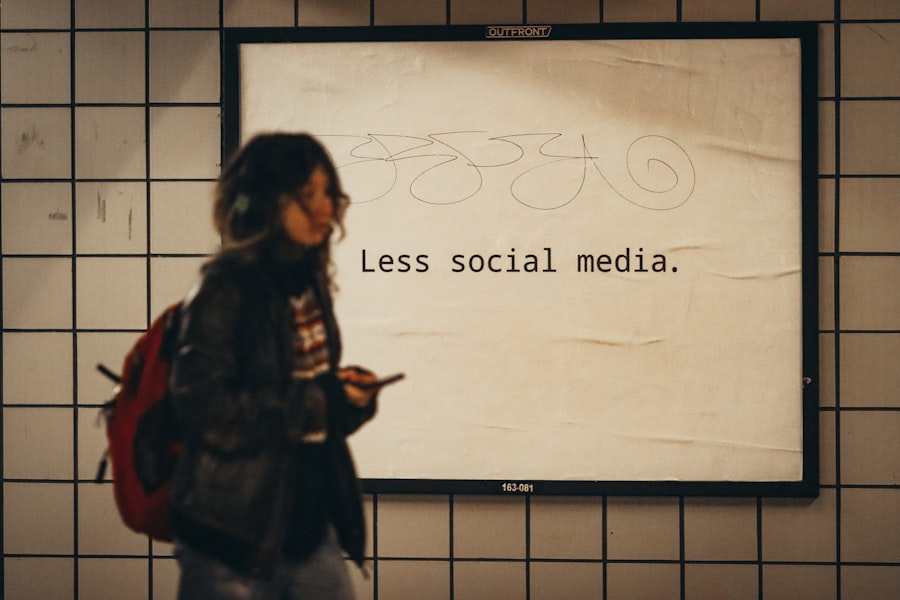
Challenging negative thoughts is an essential component of overcoming social anxiety. When faced with a triggering situation, your mind may automatically generate pessimistic thoughts that exacerbate your anxiety. You might think, “Everyone will laugh at me,” or “I’ll embarrass myself.” These thoughts can feel overwhelming and may lead you to avoid social interactions altogether.
However, by actively challenging these negative beliefs, you can begin to shift your perspective. One effective technique is cognitive restructuring, which involves examining the evidence for and against your negative thoughts. Ask yourself questions like, “What evidence do I have that supports this thought?” and “What evidence contradicts it?” You may find that the fears you hold are exaggerated or unfounded.
By reframing your thoughts to be more realistic and balanced, you can reduce the power they hold over you. For example, instead of thinking, “I will fail,” try reframing it to, “I might make mistakes, but I can learn from them.” This shift in mindset can significantly lessen your anxiety and increase your confidence in social situations.
Building Self-Confidence
Building self-confidence is a crucial aspect of managing social anxiety. When you believe in yourself and your abilities, you are less likely to succumb to feelings of inadequacy in social settings. Start by recognizing your strengths and accomplishments, no matter how small they may seem.
Make a list of things you are proud of—this could include personal achievements, skills, or positive traits. Reflecting on these strengths can help reinforce a positive self-image. Additionally, setting small challenges for yourself can gradually build your confidence.
Start with low-pressure situations where you feel relatively comfortable and gradually work your way up to more challenging scenarios. For instance, if speaking in front of a group terrifies you, begin by sharing your thoughts in a small meeting with trusted colleagues or friends. Each successful experience will bolster your confidence and help diminish the fear associated with larger social interactions.
Practicing Mindfulness and Relaxation Techniques
| Metric | Description | Typical Measurement Scale | Average Scores (General Population) | Average Scores (Social Anxiety Disorder) |
|---|---|---|---|---|
| Fear of Negative Evaluation (FNE) Scale | Measures apprehension about others’ evaluations, distress over negative evaluations, and the expectation that others would evaluate oneself negatively. | Brief Fear of Negative Evaluation Scale (BFNE): 12-60 | 20-30 | 40-55 |
| Social Interaction Anxiety Scale (SIAS) | Assesses anxiety related to social interactions and fear of being scrutinized. | 0-80 (Higher scores indicate greater anxiety) | 15-25 | 50-70 |
| Social Phobia Scale (SPS) | Measures fear of being observed and scrutinized during routine activities. | 0-80 | 10-20 | 45-65 |
| Self-Reported Social Anxiety Severity | General self-assessment of social anxiety symptoms severity. | Likert scale 0-10 | 2-4 | 7-9 |
| Physiological Response (Heart Rate Increase) | Average increase in heart rate (beats per minute) during social evaluation tasks. | Beats per minute (bpm) | 5-10 bpm increase | 15-25 bpm increase |
Incorporating mindfulness and relaxation techniques into your daily routine can significantly alleviate symptoms of social anxiety. Mindfulness encourages you to stay present in the moment rather than getting lost in anxious thoughts about the future or past interactions. You might find practices such as meditation, deep breathing exercises, or yoga particularly beneficial.
These techniques help ground you and create a sense of calm amidst the chaos of anxious thoughts. Consider setting aside time each day for mindfulness practice. Even just a few minutes of focused breathing or guided meditation can make a difference in how you approach social situations.
As you become more attuned to your thoughts and feelings without judgment, you’ll find it easier to manage anxiety when it arises. Over time, these practices can help create a more resilient mindset, allowing you to face social interactions with greater ease.
Seeking Professional Help

If your social anxiety feels overwhelming or unmanageable despite your efforts, seeking professional help may be a beneficial step. A mental health professional can provide guidance tailored to your specific needs and help you develop effective coping strategies. Therapy options such as cognitive-behavioral therapy (CBT) have proven particularly effective for treating social anxiety by addressing negative thought patterns and behaviors.
In therapy, you will have a safe space to explore your feelings and experiences without judgment. A therapist can help you identify the root causes of your anxiety and work with you to develop personalized strategies for managing it. Remember that seeking help is not a sign of weakness; rather, it demonstrates strength and a commitment to improving your mental health.
Developing Coping Strategies
Developing coping strategies is essential for managing social anxiety effectively. These strategies can serve as tools to help you navigate challenging situations when they arise. One effective approach is creating a “toolbox” of coping mechanisms that resonate with you personally.
This toolbox might include techniques such as positive affirmations, visualization exercises, or grounding techniques that help bring you back to the present moment when anxiety strikes. Additionally, consider practicing self-compassion as part of your coping strategy. Remind yourself that it’s okay to feel anxious and that many people experience similar feelings in social situations.
By treating yourself with kindness and understanding during moments of discomfort, you can reduce the pressure you place on yourself to perform perfectly in social settings.
Gradual Exposure to Social Situations
Gradual exposure is a powerful technique for overcoming social anxiety by systematically facing feared situations in a controlled manner. Start by identifying specific social scenarios that trigger your anxiety and rank them based on their level of difficulty. Begin with less intimidating situations and gradually work your way up to more challenging ones as you build confidence.
For example, if attending a large party feels overwhelming, start by inviting a friend over for coffee or joining a small group activity where you feel comfortable. As you successfully navigate these smaller interactions, gradually increase the complexity of the situations you expose yourself to. This gradual approach allows you to desensitize yourself to the fear associated with social interactions while reinforcing positive experiences along the way.
Building a Support System
Building a support system is vital for anyone dealing with social anxiety. Surrounding yourself with understanding friends and family members who encourage and support your journey can make a significant difference in how you cope with anxiety. Share your experiences with those close to you; they may offer insights or simply provide a listening ear when needed.
Consider joining support groups or online communities where individuals share similar experiences with social anxiety. Connecting with others who understand what you’re going through can foster a sense of belonging and reduce feelings of isolation.
Setting Realistic Goals
Setting realistic goals is crucial for managing social anxiety effectively. Break down larger objectives into smaller, achievable steps that allow for gradual progress without overwhelming yourself. For instance, if your goal is to become more comfortable speaking in public, set smaller milestones such as practicing in front of a mirror or presenting to a trusted friend before tackling larger audiences.
Celebrate each achievement along the way, no matter how small it may seem. Recognizing progress reinforces positive behavior and motivates you to continue pushing through challenges. By setting realistic goals and celebrating milestones, you’ll cultivate a sense of accomplishment that bolsters your confidence over time.
Celebrating Small Victories
Celebrating small victories is an essential part of overcoming social anxiety. Each step forward—whether it’s initiating a conversation with someone new or attending an event—deserves recognition and appreciation. Acknowledging these achievements reinforces positive behavior and helps build momentum toward larger goals.
Consider creating a reward system for yourself as you reach milestones in your journey toward managing social anxiety. Treat yourself to something enjoyable—a favorite meal, a day out, or even just some quiet time for self-care—as a way to honor your progress. By celebrating these victories, you’ll cultivate a positive mindset that encourages continued growth and resilience in facing social situations.
In conclusion, navigating social anxiety requires patience and persistence, but by understanding its roots and implementing effective strategies, you can reclaim control over your life. Embrace the journey ahead with an open heart and mind; each step taken brings you closer to overcoming the challenges posed by social anxiety.
Fear of negative evaluation is a significant factor contributing to social anxiety, as individuals often worry about how they are perceived by others. This concern can lead to avoidance of social situations and hinder personal and professional growth. For a deeper understanding of this topic, you can read more in the article on social anxiety and its implications for personal development at this link.
WATCH THIS! 🧠 Why You Quit at 80% (The Neuroscience of the Breaking Point)
FAQs
What is fear of negative evaluation?
Fear of negative evaluation refers to the apprehension and distress individuals feel about being judged unfavorably by others. It involves worry about criticism, rejection, or disapproval in social or performance situations.
How is fear of negative evaluation related to social anxiety?
Fear of negative evaluation is a core component of social anxiety. People with social anxiety disorder often experience intense fear that others will judge them negatively, which can lead to avoidance of social situations and significant distress.
What are common symptoms of social anxiety?
Common symptoms include excessive fear of social interactions, avoidance of social situations, physical symptoms like sweating or trembling, difficulty speaking, and intense worry about being embarrassed or judged.
Can fear of negative evaluation occur without social anxiety disorder?
Yes, fear of negative evaluation can occur in individuals without a clinical diagnosis of social anxiety disorder. It can be a normal concern in certain situations but becomes problematic when it is excessive and interferes with daily functioning.
What causes fear of negative evaluation and social anxiety?
Causes can include genetic predisposition, brain chemistry, personality traits such as behavioral inhibition, and environmental factors like negative social experiences or upbringing.
How is social anxiety diagnosed?
Social anxiety disorder is diagnosed by a mental health professional based on clinical interviews and criteria outlined in diagnostic manuals such as the DSM-5, focusing on the severity, duration, and impact of symptoms.
What treatment options are available for fear of negative evaluation and social anxiety?
Effective treatments include cognitive-behavioral therapy (CBT), which helps modify negative thought patterns, exposure therapy, medication such as selective serotonin reuptake inhibitors (SSRIs), and social skills training.
Can fear of negative evaluation be overcome without professional help?
Some individuals may reduce fear of negative evaluation through self-help strategies like mindfulness, gradual exposure to feared situations, and building social skills, but professional help is often beneficial for more severe cases.
Is fear of negative evaluation common?
Yes, many people experience some degree of fear of negative evaluation, especially in new or high-pressure social situations. It becomes a concern when it is intense, persistent, and impairs daily life.
How does fear of negative evaluation impact daily life?
It can lead to avoidance of social interactions, reduced participation in work or school activities, lowered self-esteem, and increased risk of depression and other mental health issues.