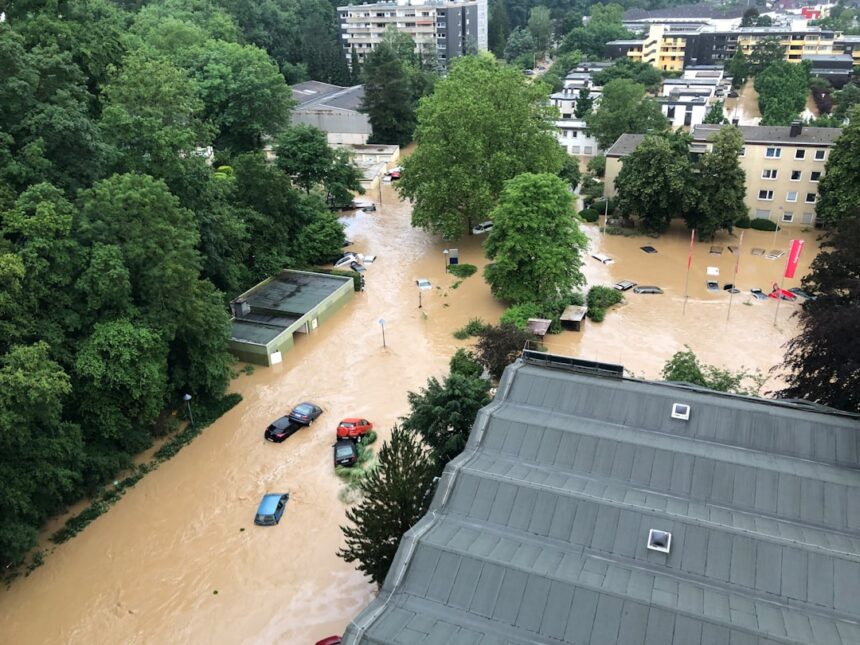
Flooding has a profound effect on property values, often leading to significant declines in market worth. When a property is located in a flood-prone area, potential buyers may be deterred by the risk of future flooding, which can lead to a decrease in demand. This diminished interest can result in lower sale prices, as sellers may need to reduce their asking price to attract buyers.
The psychological impact of flooding is substantial; even properties that have not experienced flooding may see their values drop simply due to their proximity to flood-prone areas. Buyers often perceive these properties as high-risk investments, leading to a broader market trend where properties in such regions are undervalued. Moreover, the aftermath of a flood can leave lasting scars on a community’s real estate market.
Properties that have been damaged or destroyed by flooding often require extensive repairs, which can be costly and time-consuming. Even after restoration, the stigma associated with previous flooding can linger, making it difficult for homeowners to recoup their investments. In many cases, properties that have been affected by flooding may take years to regain their pre-flood value, if they ever do.
This long-term impact on property values can create a cycle of economic decline in affected areas, as homeowners struggle to sell their properties and potential buyers remain wary.
Key Takeaways
- Flooding significantly decreases property values, especially in high-risk areas.
- Flood insurance is crucial for protecting investments and maintaining property values.
- Effective mitigation strategies can reduce flood risks and help preserve property worth.
- Climate change is increasing flood frequency, further impacting real estate markets.
- Transparent flood risk disclosure is essential for informed real estate transactions.
Factors that Influence Property Values in Flood-Prone Areas
Several factors contribute to the fluctuation of property values in flood-prone areas. One of the most significant is the local economy; areas with strong job markets and economic growth tend to maintain higher property values, even in the face of flooding risks. Conversely, regions experiencing economic downturns may see property values plummet more dramatically when flooding occurs.
Additionally, the availability of infrastructure and community resources plays a crucial role. Well-maintained roads, schools, and emergency services can enhance property values, while inadequate infrastructure can exacerbate the negative effects of flooding. Another critical factor is the perception of flood risk among potential buyers.
If a community has a history of severe flooding events, this can create a lasting impression that deters buyers from investing in the area. On the other hand, proactive measures taken by local governments or homeowners—such as improved drainage systems or flood barriers—can help mitigate these perceptions and stabilize property values. Furthermore, the presence of flood insurance options can also influence buyer confidence; knowing that they can protect their investment may encourage more individuals to consider purchasing properties in flood-prone areas.
The Role of Flood Insurance in Protecting Property Values
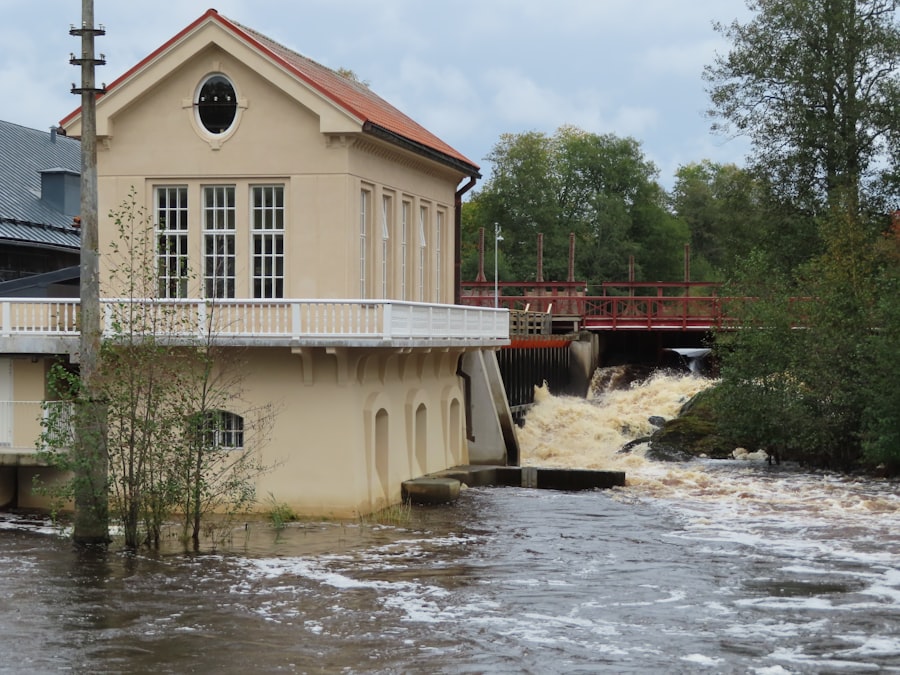
Flood insurance serves as a vital safety net for homeowners in flood-prone areas, providing financial protection against potential losses due to flooding. By securing flood insurance, property owners can safeguard their investments and mitigate the financial repercussions of flood damage. This protection not only benefits individual homeowners but also contributes to the overall stability of property values within a community.
When homeowners are confident that they can recover from flood-related losses, they are more likely to maintain their properties and invest in improvements, which can help sustain or even enhance property values over time. However, the effectiveness of flood insurance is contingent upon several factors, including policy coverage limits and premium costs. In some cases, homeowners may find that the cost of flood insurance is prohibitively high, leading them to forgo coverage altogether.
This lack of insurance can leave properties vulnerable to significant financial losses during flooding events, further exacerbating declines in property values. Additionally, as climate change increases the frequency and severity of flooding events, insurance companies may raise premiums or limit coverage options, creating additional challenges for homeowners in flood-prone areas.
Strategies for Mitigating Flooding Risks and Preserving Property Values
To preserve property values in flood-prone areas, communities must adopt proactive strategies aimed at mitigating flooding risks. One effective approach is investing in infrastructure improvements, such as enhanced drainage systems and levees designed to redirect water away from residential areas. These measures not only protect properties from flooding but also signal to potential buyers that the community is committed to reducing risks associated with flooding.
Furthermore, implementing zoning regulations that restrict development in high-risk areas can help prevent future property damage and maintain overall market stability. Community education and engagement are also essential components of effective flood risk mitigation strategies. By informing residents about best practices for flood preparedness and response, communities can foster a culture of resilience that ultimately protects property values.
When residents feel equipped to handle potential flooding events, they are more likely to invest in their properties and contribute positively to the local real estate market.
The Economic Consequences of Declining Property Values in Flood-Prone Areas
| Property Type | Location | Flood Risk Level | Average Property Value | Value Change Due to Flood Risk | Insurance Premium Impact |
|---|---|---|---|---|---|
| Single-family Home | Coastal Area | High | 350,000 | -15% | +30% |
| Condominium | Riverfront | Moderate | 275,000 | -8% | +20% |
| Townhouse | Urban Flood Zone | Low | 310,000 | -3% | +10% |
| Single-family Home | Inland Area | Minimal | 290,000 | 0% | +5% |
| Commercial Property | Floodplain | High | 600,000 | -20% | +40% |
The decline in property values due to flooding has far-reaching economic consequences for communities. As property values decrease, local governments may experience reduced tax revenues, which can hinder their ability to fund essential services such as education, public safety, and infrastructure maintenance. This decline in funding can create a vicious cycle; as services deteriorate, residents may become less inclined to invest in their properties or remain in the area, further exacerbating declines in property values.
Additionally, declining property values can lead to increased foreclosures and distressed sales, which can further depress local real estate markets. When homes are sold at significantly reduced prices due to flooding concerns or damage, it sets a precedent that can affect surrounding properties. This ripple effect can create an environment where homeowners feel trapped by their investments, unable to sell without incurring substantial losses.
The overall economic health of a community can suffer as a result, leading to increased unemployment rates and decreased quality of life for residents.
The Importance of Flood Risk Disclosure in Real Estate Transactions
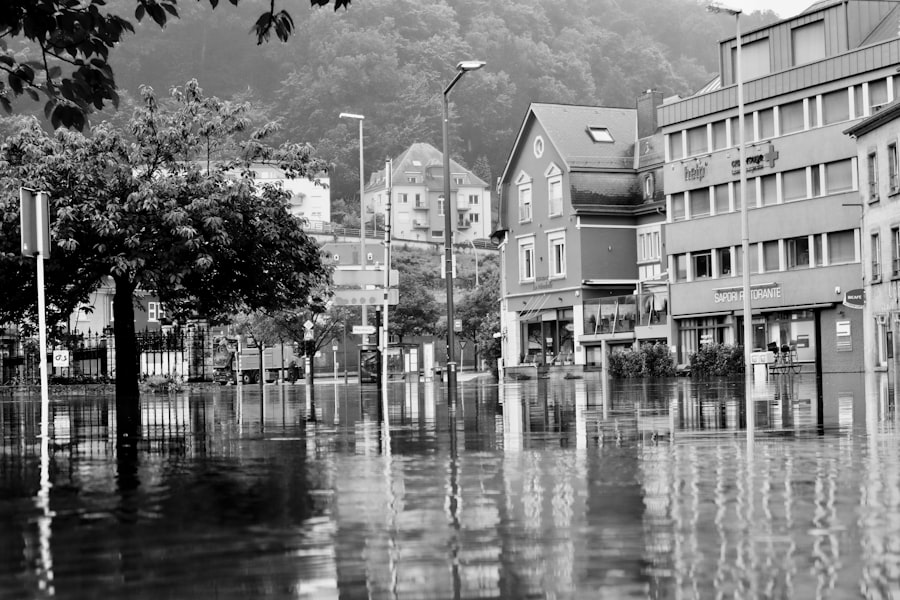
Flood risk disclosure is a critical aspect of real estate transactions in flood-prone areas. Sellers are often required by law to disclose any known risks associated with their properties, including past flooding events or proximity to flood zones. This transparency is essential for protecting buyers and ensuring they make informed decisions about their investments.
When buyers are aware of potential risks upfront, they can weigh these factors against other considerations such as location and amenities. However, the effectiveness of flood risk disclosure depends on how well it is communicated and understood by all parties involved in the transaction. Real estate agents play a crucial role in facilitating this process; they must ensure that buyers receive accurate information about flood risks while also helping sellers navigate disclosure requirements.
Failure to adequately disclose flood risks can lead to legal repercussions for sellers and create mistrust between buyers and sellers within the market. Ultimately, clear communication about flood risks is essential for maintaining transparency and fostering healthy real estate transactions.
Government Policies and Programs to Address Flooding and Property Values
Government policies play a pivotal role in addressing flooding issues and protecting property values in vulnerable areas. Federal programs such as the National Flood Insurance Program (NFIP) provide essential resources for homeowners seeking flood insurance coverage while also promoting community-level initiatives aimed at reducing flood risks. By offering financial incentives for communities to invest in flood mitigation projects—such as improved drainage systems or wetland restoration—governments can help stabilize property values and enhance overall resilience against flooding.
Local governments also have an important responsibility in implementing zoning regulations and land-use planning strategies that minimize development in high-risk areas. By restricting new construction in flood-prone zones and encouraging sustainable development practices elsewhere, municipalities can help protect existing properties from future flooding threats. Additionally, public awareness campaigns aimed at educating residents about flood risks and preparedness measures can empower communities to take proactive steps toward safeguarding their investments.
The Influence of Climate Change on Flooding and Real Estate
Climate change has emerged as a significant factor influencing flooding patterns and property values across the globe. As weather patterns become increasingly unpredictable and extreme weather events become more frequent, many regions are experiencing heightened risks associated with flooding. Rising sea levels pose an additional threat to coastal communities, where properties may become increasingly vulnerable to storm surges and erosion over time.
The implications of climate change extend beyond immediate flooding risks; they also affect long-term real estate trends. As awareness grows regarding the impacts of climate change on property values, potential buyers may become more cautious about investing in high-risk areas. This shift in buyer sentiment could lead to further declines in property values for vulnerable regions while simultaneously increasing demand for properties located in safer areas.
As communities grapple with these challenges, it becomes imperative for stakeholders—ranging from government officials to real estate professionals—to adapt their strategies accordingly.
Case Studies: How Flooding has Impacted Property Values in Different Regions
Examining case studies from various regions provides valuable insights into how flooding has impacted property values over time. For instance, New Orleans experienced significant declines in property values following Hurricane Katrina in 2005; many neighborhoods saw home prices plummet as residents faced extensive damage and uncertainty about future flooding risks.
Another example is Miami Beach, where rising sea levels have prompted local officials to invest heavily in infrastructure improvements aimed at combating flooding risks. These proactive measures have helped maintain property values despite growing concerns about climate change impacts on coastal communities. By analyzing these case studies, stakeholders can better understand the complex relationship between flooding events and property values while identifying effective strategies for mitigating risks.
The Role of Real Estate Agents and Appraisers in Assessing Flood Risks and Property Values
Real estate agents and appraisers play a crucial role in assessing flood risks and determining property values within affected areas. Agents must stay informed about local flood zones and regulations while also understanding how these factors influence buyer perceptions and market trends. By providing accurate information about flood risks during transactions, agents can help clients make informed decisions that align with their financial goals.
Appraisers also have a responsibility to consider flood risks when evaluating properties for sale or refinancing purposes. They must take into account not only the physical characteristics of a property but also its location within a flood zone and any historical data related to past flooding events. By incorporating these factors into their assessments, appraisers contribute to a more accurate understanding of property values within flood-prone areas.
The Future of Property Values in Flood-Prone Areas: Challenges and Opportunities
The future of property values in flood-prone areas presents both challenges and opportunities for stakeholders across various sectors. As climate change continues to exacerbate flooding risks, communities must adapt their strategies accordingly to protect property values while ensuring sustainable development practices are upheld. This may involve investing in innovative technologies designed to mitigate flooding impacts or exploring alternative land-use strategies that prioritize resilience.
At the same time, there are opportunities for growth within this evolving landscape; as awareness increases regarding climate change impacts on real estate markets, there may be greater demand for properties equipped with sustainable features or located outside high-risk zones. By embracing these opportunities while addressing existing challenges head-on, stakeholders can work collaboratively toward creating resilient communities that thrive despite the ongoing threat posed by flooding events.
Recent studies have shown that flood risk significantly impacts property values, leading to increased insurance costs and decreased marketability for homes in vulnerable areas. For a deeper understanding of how these factors interplay, you can read more in this related article on property values and flood risk at