
Your Role in Safeguarding the Deep Sea: Principles for Responsible Extraction
The deep sea. Imagine an alien landscape, vast, dark, and teeming with life forms evolved under immense pressure and perpetual darkness. This environment, largely unexplored and poorly understood, holds significant mineral resources. As technological advancements bring the prospect of deep-sea mining closer to reality, a critical question looms: how can humanity exploit these resources without irrevocably damaging a globally shared, yet vulnerable, ecosystem? You are a stakeholder in this complex issue, whether you realize it or not. The decisions made now will shape the future of this critical part of our planet. This article outlines key principles for protecting the common heritage of the deep sea in the context of mining.
The concept of the “common heritage of mankind” is central to understanding the governance of the deep sea. It signifies that the resources found beyond national jurisdiction – the seabed and ocean floor beneath international waters – belong to no single nation but to all of humanity. This principle, enshrined in the United Nations Convention on the Law of the Sea (UNCLOS), carries with it a profound responsibility. You, as a member of humanity, have an inherent stake in these resources and, crucially, in their responsible management.
The Rationale Behind the Common Heritage Principle
The Economic Implications of Deep Sea Resources
The Ethical Imperative for Preservation
The deep sea is not merely a repository of minerals; it is a vital component of Earth’s life support system. Its role in regulating climate, cycling nutrients, and supporting biodiversity is significant. Degrading this environment through poorly managed mining could have far-reaching consequences for the entire planet, impacting human well-being in ways we are only beginning to comprehend. Your actions, or inactions, contribute to the collective stewardship of this planetary commons.
The principle of the common heritage of humankind is increasingly relevant in discussions surrounding deep sea mining, as it emphasizes the need for equitable sharing of resources and environmental protection. A related article that delves into this topic is available at this link, where it explores the implications of deep sea mining on global governance and the preservation of marine ecosystems.
Precautionary Principle: Acting with Caution in the Face of Uncertainty
The precautionary principle is a cornerstone of environmental protection, particularly relevant when dealing with ecosystems as poorly understood as the deep sea. It dictates that where there are threats of serious or irreversible damage, lack of full scientific certainty shall not be used as a reason for postponing cost-effective measures to prevent environmental degradation. In the face of the unknown, caution must be your guiding light.
Defining the Precautionary Principle in a Mining Context
The Scientific Knowledge Gap: What We Don’t Know
Implementing Precautionary Measures: Best Practices for Mining
Applying the precautionary principle means that the burden of proof lies with those proposing to mine. They must demonstrate, with a high degree of certainty, that their activities will not cause significant harm before they are allowed to proceed. This requires robust scientific assessment, continuous monitoring, and a willingness to halt or modify operations if unforeseen negative impacts emerge. Your understanding of this principle compels you to advocate for stringent scientific review.
Environmental Risk Assessment: A Foundation for Responsible Decision-Making

Before any deep-sea mining activity can even be contemplated, a comprehensive and rigorous environmental risk assessment is essential. This process is not a mere formality; it is the bedrock upon which responsible decision-making must be built. You must demand that these assessments are thorough, independent, and transparent.
Components of a Comprehensive Environmental Risk Assessment
Identifying Potential Impacts: From Sediment Plumes to Habitat Destruction
Mining operations, by their very nature, involve disturbing the seabed. This disturbance can generate sediment plumes that can travel considerable distances, smothering benthic organisms and altering water chemistry. The removal of mineral deposits can lead to direct habitat destruction, impacting species that are often sessile or have very specific ecological requirements. Understanding these potential impacts is the first step in mitigating them.
Assessing Cumulative and Transboundary Effects
It is not enough to assess the direct impact of a single mining site. You need to consider the cumulative effects of multiple mining operations in a region, as well as the transboundary impacts that could extend beyond the immediate mining concession. This requires a holistic approach that looks at the interconnectedness of deep-sea ecosystems.
The Role of Independent Scientific Review
To ensure objectivity and scientific integrity, all environmental risk assessments must be subjected to independent scientific review. This review should be conducted by experts who are not affiliated with the mining proponents and who have the freedom to question assumptions and demand further data. Your vigilance is required to ensure this independence.
Minimization and Mitigation: Reducing the Footprint of Mining
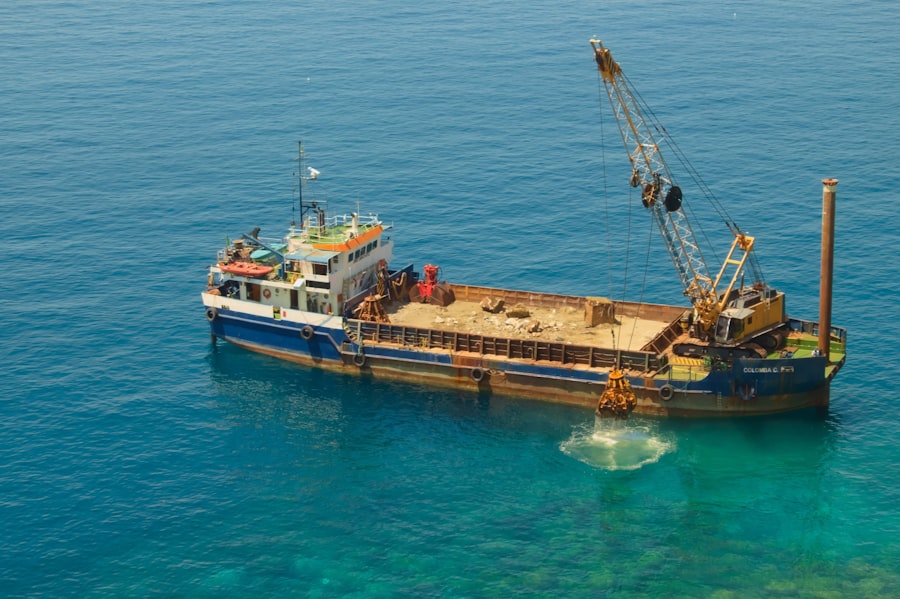
Even with the best intentions, deep-sea mining will inevitably have some environmental impact. Therefore, a critical set of principles revolves around minimizing these impacts and mitigating any unavoidable harm. You should expect and advocate for the highest standards in this regard.
Best Available Technologies and Techniques (BAT): Driving Innovation
The development and deployment of Best Available Technologies and Techniques (BAT) are paramount. This means utilizing the most advanced and environmentally sound methods for extraction, processing, and waste disposal. This is not a static concept; it requires continuous innovation and adaptation as new technologies become available.
Habitat Protection and Restoration: Preserving Biodiversity Hotspots
Certain areas of the deep sea are recognized as biodiversity hotspots, harboring a disproportionately high number of species. These areas must be identified and protected from mining activities. Where disturbance is unavoidable, efforts towards habitat restoration, however challenging in the deep sea, should be explored and implemented.
Waste Management and Discharge Controls: Preventing Pollution
The disposal of mining waste is a significant concern. Techniques and technologies must be employed to minimize the volume and toxicity of waste generated. Strict controls on the discharge of any processed water or tailings into the marine environment are crucial to prevent pollution and protect water quality.
Impact Monitoring and Adaptive Management: Learning and Adjusting
Continuous monitoring of the environmental impacts of mining operations is essential. This monitoring should provide real-time data on water quality, sediment transport, biodiversity, and ecosystem health. Crucially, this data must be used to inform an adaptive management framework, allowing for adjustments to mining practices in response to observed impacts. Your demand for transparency in monitoring data is vital.
The principle of the common heritage of humankind is increasingly relevant in discussions surrounding deep sea mining, as it emphasizes the need for equitable sharing of resources and environmental protection. A related article explores the implications of this principle on international law and marine conservation efforts, shedding light on the challenges and opportunities that arise from exploiting the ocean’s depths. For more insights, you can read the article here which delves into the complexities of deep sea mining and its impact on our shared marine environment.
Transparency and Accountability: Ensuring Responsible Governance
| Principle | Description |
|---|---|
| Equitable Sharing of Benefits | Ensuring that the benefits of deep sea mining are shared fairly among all nations and people. |
| Environmental Protection | Minimizing the impact of deep sea mining on the marine environment and biodiversity. |
| Transparency and Accountability | Establishing clear and transparent regulations for deep sea mining activities and holding all parties accountable for their actions. |
| International Cooperation | Promoting collaboration and cooperation among nations to ensure the responsible and sustainable development of deep sea mining. |
The governance of deep-sea mining must be characterized by transparency and accountability. Without these, the principles of common heritage and environmental protection can easily be undermined. You have a right to know what is happening and to hold those responsible accountable for their actions.
Open Access to Information: Empowering Stakeholders
All relevant data concerning exploration, environmental impact assessments, mining plans, and monitoring results should be made publicly accessible. This includes geological data, biological surveys, and operational performance metrics. Open access empowers civil society, researchers, and other stakeholders to scrutinize mining activities and contribute to informed decision-making.
Robust Regulatory Frameworks: Clear Rules and Enforcement
A clear, comprehensive, and robust regulatory framework is essential for overseeing deep-sea mining. This framework, developed under the auspices of the International Seabed Authority (ISA) or equivalent international bodies, must set clear standards, guidelines, and enforcement mechanisms. The ISA’s role in this context is critical, and its effectiveness hinges on the commitment of its member states.
Independent Oversight and Enforcement Mechanisms: Ensuring Compliance
Effective oversight and enforcement mechanisms are crucial to ensure compliance with regulations. This requires independent bodies with the authority to audit operations, investigate breaches, and impose penalties. Your role in advocating for strong independent oversight is key to preventing a “fox guarding the hen house” scenario.
Public Participation and Consultation: Giving Voice to All
The decision-making processes related to deep-sea mining should include meaningful opportunities for public participation and consultation. This means engaging with a broad range of stakeholders, including scientists, environmental organizations, indigenous communities, and the general public, to gather diverse perspectives and incorporate them into policy development. Your voice matters in these consultations.
International Cooperation and Governance: A Shared Responsibility
The deep sea is a global resource, and its governance demands international cooperation. No single nation can effectively manage this vast and interconnected ecosystem alone. You should support initiatives that foster collaboration and strengthen the institutions responsible for overseeing deep-sea mining.
The Role of the International Seabed Authority (ISA)
The ISA, established under UNCLOS, is the primary international body responsible for regulating mineral-related activities in the international seabed area. Its mandate is to ensure that these activities are carried out for the benefit of mankind as a whole, with due regard for the protection of the marine environment. Your understanding of the ISA’s role is crucial for advocating for its effective functioning.
Harmonizing Regulations and Standards Globally
To prevent regulatory arbitrage and ensure a level playing field, it is essential to harmonize regulations and standards for deep-sea mining globally. This does not mean a one-size-fits-all approach, but rather a common set of high-level principles and minimum requirements that all nations and entities must adhere to.
Capacity Building and Knowledge Sharing: Empowering Developing Nations
Many developing nations lack the technical capacity and financial resources to fully engage with the complex issues surrounding deep-sea mining. International cooperation should include initiatives for capacity building and knowledge sharing to ensure that all nations can participate equitably in the governance and potential benefits of deep-sea resources, while also contributing to environmental protection.
Dispute Resolution Mechanisms: Addressing Conflicts Peacefully
As deep-sea mining activities increase, so too will the potential for disputes. Robust and effective dispute resolution mechanisms are necessary to address conflicts peacefully and prevent escalation. These mechanisms should be impartial and grounded in international law. Your support for such mechanisms reinforces the rule of law in the global commons.
By understanding and advocating for these principles, you play an active role in ensuring that the exploration and potential exploitation of deep-sea mineral resources are conducted in a manner that respects the profound importance of this frontier and upholds the notion of the deep sea as a common heritage for present and future generations. The choices made today will echo in the silent depths for millennia.
FAQs
What is the common heritage of humankind principle in deep sea mining?
The common heritage of humankind principle in deep sea mining refers to the idea that the resources found in the deep sea, such as minerals and metals, are the shared heritage of all humanity and should be accessed and utilized for the benefit of all nations and people.
What are the potential benefits of the common heritage of humankind principle in deep sea mining?
The potential benefits of the common heritage of humankind principle in deep sea mining include ensuring equitable access to deep sea resources, promoting international cooperation and collaboration, and preventing monopolization of deep sea mining activities by a few powerful nations or companies.
What are the challenges associated with implementing the common heritage of humankind principle in deep sea mining?
Challenges associated with implementing the common heritage of humankind principle in deep sea mining include establishing a legal framework for governing deep sea mining activities, addressing environmental concerns and potential impacts on marine ecosystems, and ensuring that the benefits of deep sea mining are distributed fairly among all nations and people.
How is the common heritage of humankind principle regulated in the context of deep sea mining?
The common heritage of humankind principle in deep sea mining is regulated through international agreements and organizations, such as the International Seabed Authority (ISA), which oversees deep sea mining activities in areas beyond national jurisdiction and aims to ensure that the benefits of deep sea mining are shared equitably among all nations.
What are some examples of deep sea mining activities that align with the common heritage of humankind principle?
Examples of deep sea mining activities that align with the common heritage of humankind principle include research and exploration projects conducted in collaboration with multiple nations, as well as initiatives aimed at developing sustainable and responsible deep sea mining practices that prioritize environmental protection and benefit sharing.