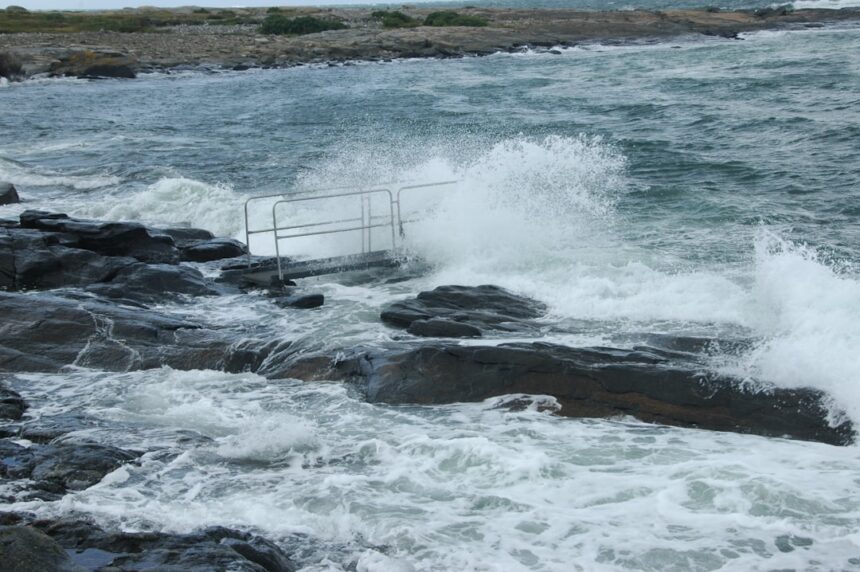
Tokyo, with a metropolitan population exceeding 37 million people, is located on Japan’s eastern coast along Tokyo Bay, making it highly susceptible to storm surge flooding. The city sits at an average elevation of 40 meters above sea level, with significant portions of the urban area built on reclaimed land that lies below sea level. Japan experiences an average of 10-15 typhoons annually, with 3-4 typically making landfall and potentially affecting the Tokyo region.
Climate data indicates that typhoon intensity in the Western Pacific has increased over recent decades, with maximum sustained winds growing stronger and storm surge heights reaching greater elevations. Sea level rise measurements show Tokyo Bay has experienced an increase of approximately 2.8 millimeters per year since 1960. The Japan Meteorological Agency projects that by 2100, sea levels could rise by 0.3 to 2.5 meters depending on global emission scenarios.
Tokyo’s economy generates approximately $1.9 trillion annually, representing nearly 32% of Japan’s total GDP. The metropolitan area contains critical infrastructure including two major international airports, the world’s busiest railway network serving 40 million passengers daily, and the Tokyo Stock Exchange. Storm surge modeling studies indicate that a major typhoon coinciding with high tide could inundate up to 5,000 square kilometers of the Kanto Plain, potentially affecting 4.6 million residents and causing economic damages exceeding $1 trillion.
Historical precedent exists with Typhoon Vera in 1959, which generated storm surges up to 3.5 meters high and demonstrated the region’s vulnerability to coastal flooding.
Key Takeaways
- Tokyo faces significant risks from storm surges, necessitating robust protective measures.
- Existing protections are insufficient to fully safeguard the city from severe storm surge impacts.
- Storm surge barriers are being developed to provide enhanced defense by controlling water flow during storms.
- These barriers offer critical benefits, including reduced flooding and protection of infrastructure and communities.
- Successful implementation relies on government support, environmental considerations, and active community involvement.
The Impact of Storm Surges on Tokyo
Storm surges can have devastating effects on urban areas, and Tokyo is no exception. When powerful storms strike, they can push seawater inland, inundating neighborhoods, disrupting transportation systems, and overwhelming drainage systems. The consequences can be catastrophic, leading to property damage, loss of life, and long-term economic repercussions.
Historical data reveals that past typhoons have caused significant flooding in various parts of the city, highlighting the urgent need for protective measures. Moreover, the impact of storm surges extends beyond immediate physical damage. The psychological toll on residents can be profound, as communities grapple with the fear of future storms and the uncertainty of recovery.
Businesses may face prolonged closures due to flooding, leading to job losses and economic instability. The ripple effects of storm surges can be felt across various sectors, from tourism to retail, underscoring the interconnectedness of urban life in Tokyo. As such, addressing the threat of storm surges is not only about physical infrastructure but also about fostering community resilience and ensuring a stable future for all residents.
Current Storm Surge Protection Measures in Tokyo
Tokyo has implemented several measures to mitigate the risks associated with storm surges. One of the most notable initiatives is the construction of levees and floodwalls along vulnerable coastal areas. These structures are designed to hold back rising waters during severe weather events, providing a first line of defense against flooding.
Additionally, the city has invested in advanced drainage systems to manage excess rainfall and prevent urban flooding. Despite these efforts, experts argue that current measures may not be sufficient to cope with the increasing severity of storms brought on by climate change.
Furthermore, as sea levels continue to rise, the effectiveness of existing barriers may diminish over time. This reality has prompted discussions about the need for more comprehensive solutions, including the development of storm surge barriers that can provide enhanced protection for Tokyo’s vulnerable coastal areas.
The Potential Risks of Inadequate Storm Surge Protection
The risks associated with inadequate storm surge protection are multifaceted and far-reaching. Without sufficient barriers in place, Tokyo could face catastrophic flooding during severe weather events, leading to widespread destruction and loss of life. The potential for infrastructure damage is significant; roads, bridges, and public transportation systems could be rendered inoperable, isolating communities and hampering emergency response efforts.
Moreover, inadequate protection could have long-term economic implications for the city. Businesses may struggle to recover from repeated flooding events, leading to job losses and decreased economic activity. The cost of recovery could strain public resources and divert funds from other essential services.
Additionally, the psychological impact on residents cannot be overlooked; fear and anxiety surrounding potential flooding can affect mental health and overall quality of life. Therefore, investing in robust storm surge protection is not just a matter of physical safety; it is crucial for maintaining the social fabric and economic vitality of Tokyo.
The Development of Storm Surge Barriers in Tokyo
| Metric | Value | Unit | Description |
|---|---|---|---|
| Number of Barriers | 3 | units | Total storm surge barriers protecting Tokyo Bay |
| Length of Main Barrier | 2.4 | km | Length of the main Tokyo Bay storm surge barrier |
| Barrier Height | 20 | meters | Maximum height of the storm surge barrier gates |
| Design Surge Protection | 5.5 | meters | Maximum storm surge height the barriers are designed to withstand |
| Construction Completion Year | 2018 | year | Year when the main barrier was completed and became operational |
| Gate Operation Time | 30 | minutes | Time required to close the gates during a storm surge event |
| Protected Area | 922 | km² | Area of Tokyo Bay and surrounding regions protected by the barriers |
Recognizing the pressing need for enhanced storm surge protection, Tokyo has begun exploring the development of advanced storm surge barriers. These barriers are designed to withstand extreme weather conditions while providing a reliable defense against rising sea levels. The planning process involves extensive research and collaboration among engineers, environmental scientists, and urban planners to ensure that the barriers are effective and sustainable.
The development of storm surge barriers also requires significant investment and commitment from both public and private sectors. Funding for such large-scale projects often comes from government budgets, international aid, or public-private partnerships. As discussions progress, stakeholders must consider not only the technical aspects of barrier construction but also the social implications for communities living near proposed sites.
Engaging local residents in the planning process is essential to address concerns and foster a sense of ownership over these protective measures.
How Storm Surge Barriers Work
Storm surge barriers operate on a straightforward principle: they act as physical barriers that prevent seawater from inundating coastal areas during storms. Typically constructed from robust materials such as concrete or steel, these barriers can be designed to rise or lower depending on weather conditions. When a storm approaches, barriers can be deployed to block incoming waves and surges, effectively protecting inland areas from flooding.
In addition to their primary function as flood defenses, modern storm surge barriers often incorporate advanced technology for monitoring weather patterns and water levels. Sensors can provide real-time data that informs decision-making during storms, allowing authorities to activate barriers at optimal times. This proactive approach enhances the effectiveness of storm surge protection efforts and minimizes potential damage from flooding events.
The Benefits of Storm Surge Barriers for Tokyo
The implementation of storm surge barriers in Tokyo would yield numerous benefits for both residents and the city as a whole. First and foremost, these barriers would significantly reduce the risk of flooding during severe weather events, protecting lives and property from potential devastation. By providing a reliable defense against storm surges, barriers would enhance public safety and instill confidence among residents regarding their ability to withstand future storms.
Furthermore, storm surge barriers would contribute to economic stability by safeguarding critical infrastructure and businesses from flooding-related disruptions. With reduced risk comes increased investment potential; businesses may be more inclined to establish operations in areas protected by robust flood defenses. Additionally, improved flood protection can enhance property values in coastal neighborhoods, benefiting homeowners and contributing to overall economic growth in the region.
The Future of Storm Surge Barriers in Tokyo
As climate change continues to pose challenges for urban areas worldwide, the future of storm surge barriers in Tokyo will likely involve ongoing innovation and adaptation. City planners must remain vigilant in assessing emerging threats posed by rising sea levels and increasingly severe weather patterns. This may involve not only constructing new barriers but also retrofitting existing infrastructure to enhance resilience against future storms.
Moreover, collaboration among various stakeholders will be crucial in shaping the future landscape of storm surge protection in Tokyo. Engaging with local communities, environmental organizations, and government agencies will ensure that diverse perspectives are considered in decision-making processes. By fostering a culture of collaboration and innovation, Tokyo can position itself as a leader in climate resilience while effectively addressing the challenges posed by storm surges.
Environmental Considerations for Storm Surge Barriers
While storm surge barriers offer significant protective benefits, their construction must also take into account environmental considerations. Coastal ecosystems play a vital role in maintaining biodiversity and supporting local wildlife; therefore, any barrier development should minimize disruption to these natural habitats. Environmental impact assessments are essential to identify potential risks associated with barrier construction and operation.
Additionally, integrating green infrastructure solutions alongside traditional barriers can enhance environmental sustainability. For instance, incorporating wetlands or natural buffers can provide additional flood protection while preserving vital ecosystems. By adopting a holistic approach that balances human needs with environmental stewardship, Tokyo can develop storm surge barriers that protect both its residents and its natural heritage.
Community Engagement and Education on Storm Surge Barriers
Community engagement is a critical component in the successful implementation of storm surge barriers in Tokyo. Residents must be informed about the purpose and benefits of these protective measures to foster support and understanding within affected communities. Educational initiatives can help demystify technical aspects of barrier construction while emphasizing their importance for public safety.
Moreover, involving local communities in decision-making processes can empower residents to voice their concerns and contribute ideas for effective barrier design. Workshops, public forums, and informational campaigns can facilitate dialogue between city planners and residents, ensuring that diverse perspectives are considered throughout the planning stages. By prioritizing community engagement, Tokyo can build trust among residents while promoting a sense of shared responsibility for climate resilience.
The Role of Government in Implementing Storm Surge Barriers
The government plays a pivotal role in implementing storm surge barriers in Tokyo through policy development, funding allocation, and regulatory oversight. Effective governance is essential for coordinating efforts among various stakeholders involved in barrier construction and maintenance. This includes collaboration with engineers, environmental scientists, community organizations, and private sector partners.
Additionally, government leadership is crucial in securing funding for large-scale projects aimed at enhancing storm surge protection. By prioritizing climate resilience within budgetary frameworks and seeking innovative financing solutions such as public-private partnerships or international grants, governments can ensure that necessary resources are available for effective barrier implementation. Ultimately, strong governmental commitment will be instrumental in safeguarding Tokyo’s future against the threats posed by storm surges while fostering a resilient urban environment for generations to come.
In recent years, Tokyo has been increasingly focused on enhancing its flood defenses, particularly through the implementation of storm surge barriers. These barriers are designed to protect the city from the rising sea levels and extreme weather events. For a deeper understanding of the challenges and solutions related to flood management in urban areas, you can read more in this related article on storm surge barriers in Tokyo: Storm Surge Barriers in Tokyo.
FAQs
What is a storm surge barrier?
A storm surge barrier is a type of flood defense structure designed to prevent or reduce flooding caused by storm surges, which are abnormal rises in sea level during storms or typhoons. These barriers can be gates, walls, or other movable structures that close off waterways to protect coastal areas.
Why does Tokyo need storm surge barriers?
Tokyo is vulnerable to typhoons and storm surges due to its coastal location along Tokyo Bay. Storm surge barriers help protect the city from flooding, property damage, and loss of life by controlling the inflow of seawater during extreme weather events.
How do Tokyo’s storm surge barriers work?
Tokyo’s storm surge barriers typically consist of large gates that can be closed during a storm to block high tides and storm surges from entering Tokyo Bay and flooding the metropolitan area. When the threat passes, the gates are reopened to allow normal water flow and navigation.
Where are the main storm surge barriers located in Tokyo?
The primary storm surge barriers protecting Tokyo are located at the mouth of Tokyo Bay and along key waterways. Notable examples include the Tokyo Gate Bridge area and the Tokyo Port Seawall, which work together to shield the city from rising waters.
When were Tokyo’s storm surge barriers constructed?
Construction of Tokyo’s storm surge barriers began in the late 20th century, with major projects completed in the 1990s and early 2000s. These efforts were part of a broader initiative to enhance flood protection following severe typhoon damage in previous decades.
Are Tokyo’s storm surge barriers effective?
Yes, Tokyo’s storm surge barriers have proven effective in reducing flood risks during typhoons and storm surges. They are part of a comprehensive flood management system that includes levees, seawalls, and advanced monitoring technologies.
Can storm surge barriers impact the environment?
While storm surge barriers protect urban areas, they can affect local ecosystems by altering water flow and sediment transport. Environmental assessments are conducted to minimize negative impacts and maintain the health of marine and coastal habitats.
Is Tokyo planning to upgrade or expand its storm surge barriers?
Tokyo continuously evaluates its flood defense infrastructure to address climate change and rising sea levels. Plans for upgrades or expansions are periodically developed to enhance resilience against future storm surges and extreme weather events.
How do storm surge barriers differ from regular seawalls?
Storm surge barriers are movable structures that can be closed during storms and opened during normal conditions, allowing for navigation and water flow. Regular seawalls are fixed structures that provide constant protection but do not adjust to changing water levels.
Can the public visit or see Tokyo’s storm surge barriers?
Some storm surge barrier sites in Tokyo may be visible from public areas or observation points, but access to the structures themselves is usually restricted for safety and security reasons. Educational tours or information centers may provide insights into their operation.