
Critical infrastructure serves as the backbone of society, encompassing essential systems such as transportation, energy, water supply, and communication networks. As climate change intensifies, the resilience of these infrastructures becomes paramount. The increasing frequency and severity of climate-related events—such as hurricanes, floods, and wildfires—pose significant threats to these systems.
When critical infrastructure fails, the consequences can be catastrophic, leading to loss of life, economic disruption, and long-term societal challenges.
Moreover, the importance of critical infrastructure extends beyond immediate disaster response.
It plays a vital role in recovery and rebuilding efforts following climate-related events. Resilient infrastructure can facilitate quicker recovery times, allowing communities to return to normalcy more swiftly. This resilience also contributes to economic stability, as businesses rely on functional infrastructure to operate effectively.
In this context, investing in climate-resilient infrastructure is not just an environmental imperative; it is an economic strategy that can yield long-term benefits for society as a whole.
Key Takeaways
- Critical infrastructure must be strengthened to withstand climate impacts and ensure community resilience.
- Identifying vulnerabilities in current systems is essential for targeted improvements.
- Incorporating climate projections and nature-based solutions enhances infrastructure adaptability.
- Stakeholder engagement and equity considerations are vital for inclusive resilience planning.
- Continuous monitoring and investment in technology support effective, sustainable infrastructure maintenance.
Identifying Vulnerabilities in Existing Infrastructure
To build climate-resilient infrastructure, it is essential first to identify the vulnerabilities present in existing systems. Many infrastructures were designed and constructed without considering the potential impacts of climate change. As a result, they may be ill-equipped to handle the increased stressors posed by rising temperatures, extreme weather events, and shifting environmental conditions.
Conducting comprehensive assessments of current infrastructure can reveal critical weaknesses, such as outdated materials, inadequate drainage systems, or locations prone to flooding. Furthermore, understanding these vulnerabilities requires a multi-faceted approach that considers both physical and social dimensions. For instance, certain communities may be disproportionately affected by infrastructure failures due to socioeconomic factors.
Low-income neighborhoods often lack the resources to adapt or recover from climate impacts effectively. By identifying these vulnerabilities, planners and policymakers can prioritize interventions that address both the physical integrity of infrastructure and the social equity concerns that arise in times of crisis.
Strategies for Building Climate-Resilient Infrastructure
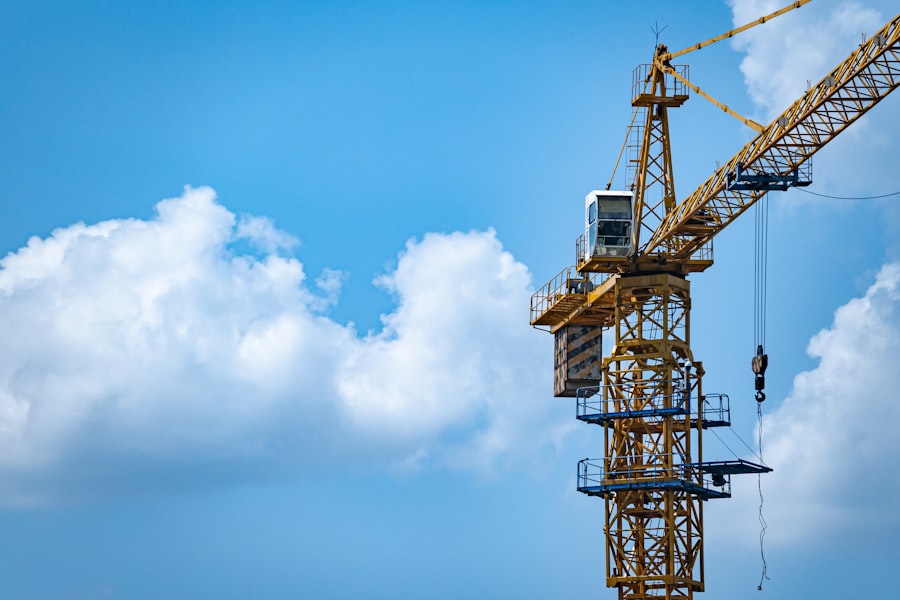
Developing strategies for building climate-resilient infrastructure involves a combination of innovative design practices, robust engineering solutions, and adaptive management approaches. One effective strategy is to incorporate flexibility into infrastructure design, allowing systems to adapt to changing conditions over time. For example, transportation networks can be designed with materials that withstand extreme weather events or can be easily repaired after damage occurs.
This adaptability ensures that infrastructure remains functional even in the face of unforeseen challenges. In addition to flexible design, integrating redundancy into critical systems can enhance resilience. Redundancy involves creating backup systems or alternative routes that can be activated when primary systems fail.
For instance, energy grids can incorporate renewable energy sources alongside traditional power generation methods to ensure a continuous supply during disruptions. By employing these strategies, communities can create infrastructures that not only withstand climate impacts but also thrive in an uncertain future.
Investing in Sustainable and Resilient Infrastructure
Investment in sustainable and resilient infrastructure is crucial for addressing the challenges posed by climate change. Governments and private entities must allocate resources toward projects that prioritize sustainability while enhancing resilience. This investment can take various forms, including funding for green building initiatives, retrofitting existing structures with energy-efficient technologies, and developing sustainable transportation options.
By prioritizing these investments, stakeholders can create infrastructures that minimize environmental impact while maximizing resilience. Moreover, investing in sustainable infrastructure often yields economic benefits that extend beyond immediate costs. For instance, green infrastructure projects—such as urban parks or green roofs—can improve air quality, reduce urban heat islands, and enhance community well-being.
These projects not only contribute to climate resilience but also create jobs and stimulate local economies. Thus, the case for investing in sustainable and resilient infrastructure is not solely based on environmental considerations; it is also a sound economic strategy that fosters long-term growth and stability.
Incorporating Climate Change Projections into Infrastructure Planning
| Infrastructure Type | Elevation Requirement (meters) | Reason for Elevation | Typical Elevation Method | Impact on Service Continuity |
|---|---|---|---|---|
| Power Substations | 1.5 – 3.0 | Flood protection to prevent electrical failures | Raised platforms or berms | High – prevents outages during floods |
| Water Treatment Plants | 2.0 – 4.0 | Protect against contamination and flooding | Elevated foundations and floodwalls | Critical – ensures safe water supply |
| Telecommunication Facilities | 1.0 – 2.5 | Maintain communication during extreme weather | Raised floors and elevated equipment racks | High – maintains emergency communication |
| Transportation Hubs (e.g., airports, train stations) | 1.0 – 3.0 | Prevent operational disruptions from flooding | Elevated runways/platforms and drainage systems | Moderate to High – ensures mobility |
| Emergency Response Centers | 2.0 – 3.5 | Ensure operational readiness during disasters | Raised building foundations and flood barriers | Critical – supports disaster management |
Incorporating climate change projections into infrastructure planning is essential for ensuring that new developments are prepared for future conditions. Planners must utilize the latest scientific data and modeling techniques to anticipate potential climate impacts on infrastructure systems. This proactive approach allows for informed decision-making regarding site selection, design specifications, and construction materials.
By integrating climate projections into planning processes, stakeholders can mitigate risks associated with climate change and enhance the longevity of infrastructure investments. Additionally, this forward-thinking approach requires collaboration among various sectors and disciplines. Engineers, urban planners, environmental scientists, and community stakeholders must work together to develop comprehensive plans that account for potential climate scenarios.
This collaborative effort ensures that diverse perspectives are considered and that infrastructure is designed to meet the needs of all community members while remaining resilient against future climate challenges.
Engaging Stakeholders in Infrastructure Resilience Planning
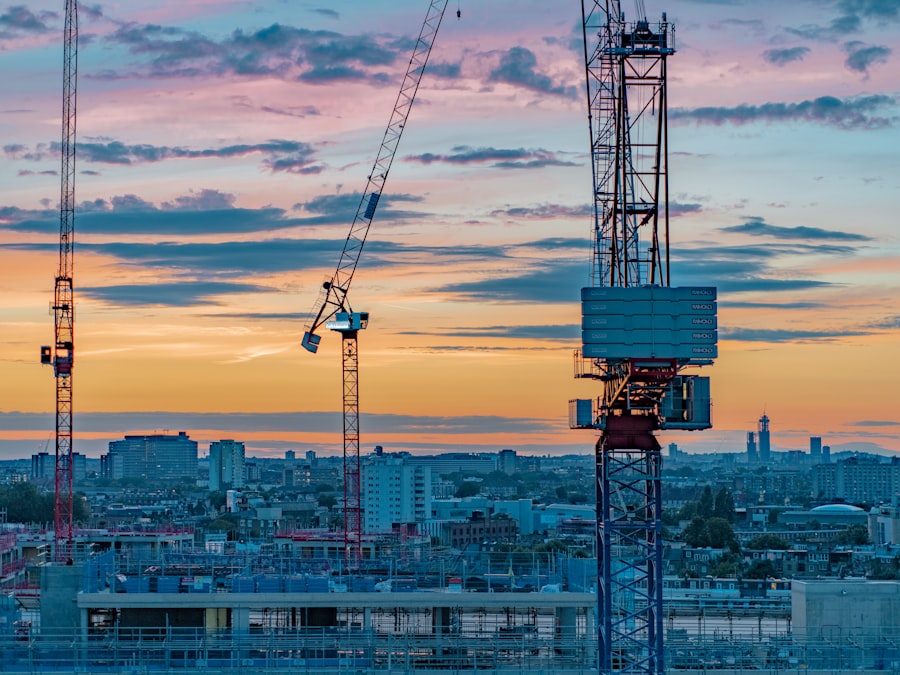
Engaging stakeholders in infrastructure resilience planning is vital for creating effective and inclusive strategies. Stakeholders include a wide range of individuals and groups—such as government agencies, community organizations, businesses, and residents—each bringing unique insights and experiences to the table. By involving these stakeholders in the planning process, decision-makers can better understand local needs and priorities while fostering a sense of ownership among community members.
Moreover, stakeholder engagement promotes transparency and accountability in decision-making processes. When communities are actively involved in discussions about infrastructure resilience, they are more likely to support proposed initiatives and contribute to their success. This collaborative approach not only enhances the effectiveness of resilience strategies but also builds trust between communities and decision-makers, ultimately leading to more sustainable outcomes.
Leveraging Technology for Climate-Resilient Infrastructure
Technology plays a pivotal role in enhancing the resilience of critical infrastructure against climate change impacts. Advanced technologies—such as geographic information systems (GIS), remote sensing, and data analytics—enable planners to assess vulnerabilities more accurately and develop targeted interventions. For instance, GIS can help visualize flood-prone areas or identify regions at risk of extreme heat events, allowing for informed decision-making regarding infrastructure placement and design.
Additionally, emerging technologies such as smart sensors and Internet of Things (IoT) devices can provide real-time monitoring of infrastructure performance. These tools enable operators to detect issues early on and respond proactively to potential failures or disruptions. By leveraging technology in this manner, communities can create more resilient infrastructures that adapt dynamically to changing environmental conditions.
Integrating Nature-Based Solutions into Infrastructure Design
Integrating nature-based solutions into infrastructure design offers a promising approach to enhancing resilience while promoting environmental sustainability. Nature-based solutions involve utilizing natural processes—such as wetlands for flood mitigation or urban forests for heat reduction—to address infrastructure challenges. These solutions not only provide effective responses to climate impacts but also contribute to biodiversity conservation and ecosystem health.
For example, incorporating green roofs or permeable pavements in urban areas can help manage stormwater runoff while reducing urban heat islands. These designs not only enhance resilience but also improve the overall quality of life for residents by creating green spaces that promote mental well-being and community interaction. By embracing nature-based solutions, planners can create infrastructures that harmonize with the environment while effectively addressing climate-related challenges.
Ensuring Equity and Social Justice in Infrastructure Resilience Efforts
Ensuring equity and social justice in infrastructure resilience efforts is crucial for creating inclusive communities that thrive despite climate challenges. Vulnerable populations—such as low-income families or marginalized communities—often bear the brunt of climate impacts due to systemic inequalities in access to resources and decision-making power. Therefore, it is essential to prioritize equity in resilience planning by actively involving these communities in discussions about their needs and concerns.
Moreover, equitable resilience efforts should focus on addressing historical injustices by investing in underserved areas and ensuring that all community members have access to safe and reliable infrastructure. This approach not only enhances overall community resilience but also fosters social cohesion by empowering individuals to participate actively in shaping their environments. By prioritizing equity in infrastructure resilience efforts, stakeholders can create more just and sustainable communities capable of weathering future challenges.
Building Adaptive Capacity in Infrastructure Operations and Maintenance
Building adaptive capacity within infrastructure operations and maintenance is essential for ensuring long-term resilience against climate change impacts. This involves training personnel to respond effectively to changing conditions while implementing adaptive management practices that allow for continuous learning and improvement. By fostering a culture of adaptability within organizations responsible for maintaining critical infrastructure, communities can better prepare for unforeseen challenges.
Additionally, investing in ongoing training programs for staff ensures that they are equipped with the latest knowledge and skills needed to manage climate-related risks effectively. This proactive approach not only enhances operational efficiency but also contributes to overall community resilience by ensuring that critical systems remain functional even during extreme weather events or other disruptions.
Monitoring and Evaluating the Effectiveness of Climate-Resilient Infrastructure
Monitoring and evaluating the effectiveness of climate-resilient infrastructure is crucial for understanding its performance over time and making necessary adjustments. Establishing clear metrics for success allows stakeholders to assess whether resilience strategies are achieving their intended outcomes. Regular evaluations enable communities to identify areas for improvement while ensuring that investments continue to yield positive results.
Furthermore, this process fosters accountability among decision-makers by providing transparent data on the effectiveness of resilience initiatives. By sharing evaluation findings with stakeholders—including community members—planners can build trust while encouraging ongoing engagement in resilience efforts.
In conclusion, addressing the challenges posed by climate change requires a comprehensive approach to building resilient critical infrastructure. By identifying vulnerabilities, investing in sustainable solutions, engaging stakeholders, leveraging technology, integrating nature-based approaches, ensuring equity, building adaptive capacity, and monitoring effectiveness, communities can create infrastructures capable of withstanding future climate impacts while promoting social justice and environmental sustainability.
In the context of critical infrastructure elevation, it’s essential to consider the various strategies and frameworks that can enhance resilience and security. A related article that delves into these topics can be found at this link. This resource provides valuable insights into the best practices for safeguarding critical systems and ensuring their continued functionality in the face of challenges.
FAQs
What is critical infrastructure elevation?
Critical infrastructure elevation refers to the process of raising essential facilities, equipment, and systems above potential flood levels or other environmental hazards to protect them from damage and ensure continuous operation.
Why is elevating critical infrastructure important?
Elevating critical infrastructure helps prevent service disruptions, reduces repair costs, and enhances community resilience by protecting vital systems such as power plants, water treatment facilities, and communication networks from flooding and other natural disasters.
Which types of infrastructure are typically elevated?
Commonly elevated infrastructure includes electrical substations, water and wastewater treatment plants, emergency response centers, transportation hubs, and communication facilities.
How is the elevation of critical infrastructure determined?
Elevation levels are typically based on risk assessments that consider historical flood data, projected sea-level rise, storm surge models, and local regulations or standards to ensure adequate protection.
What methods are used to elevate critical infrastructure?
Methods include constructing raised platforms or foundations, building on stilts or pilings, relocating equipment to higher floors, and using flood barriers or berms in combination with elevation.
Are there regulations governing critical infrastructure elevation?
Yes, various local, state, and federal regulations and guidelines, such as those from FEMA and the Department of Homeland Security, provide standards and recommendations for elevating critical infrastructure to mitigate flood risks.
What challenges are associated with elevating critical infrastructure?
Challenges include high costs, engineering complexities, potential service interruptions during construction, and the need to balance elevation with accessibility and operational requirements.
How does critical infrastructure elevation contribute to disaster resilience?
By reducing the vulnerability of essential services to flooding and other hazards, elevation helps maintain critical functions during emergencies, supports faster recovery, and protects public safety and economic stability.
Can existing infrastructure be elevated, or is this only for new construction?
Both existing and new infrastructure can be elevated. Retrofitting existing facilities is often more complex and costly but is a vital strategy for enhancing resilience in vulnerable areas.
What role does climate change play in the need for critical infrastructure elevation?
Climate change increases the frequency and severity of extreme weather events and sea-level rise, making elevation of critical infrastructure increasingly necessary to protect against future risks.