
When the relentless demands of modern life have pushed you to the brink, leaving you feeling drained, cynical, and detached, you may be experiencing burnout. This state of emotional, physical, and mental exhaustion stems from prolonged or excessive stress. Recovering from burnout is not merely about resting; it is a profound process of rediscovering and re-engaging with your core identity, using it as a guiding light to navigate back to a state of well-being.
Burnout is not a sign of weakness, but rather a consequence of sustained overextension. It is akin to a well that has been overdrawn, its water level dropping perilously low, leaving the earth cracked and dry. This exhaustion typically manifests across several interconnected domains:
Emotional Exhaustion
You may find yourself feeling depleted, unable to muster emotional energy for daily tasks or interactions. This can present as irritability, anxiety, a pervasive sense of dread, or a profound lack of motivation. The reservoir of your emotional resilience feels tapped out.
Depersonalization or Cynicism
A common symptom is developing a detached, negative, or cynical attitude towards your work, your colleagues, or even your personal life. It’s as if you are observing your own existence from a distance, feeling disconnected from the previously held values and passions that once fueled you. This can feel like a protective shell, but it ultimately isolates you.
Reduced Personal Accomplishment
When burnout takes hold, a sense of inefficacy can emerge. You may feel that your efforts are no longer making a difference, that your contributions are unrecognized, or that you are simply going through the motions without achieving meaningful outcomes. This diminishes your sense of purpose and self-worth.
The Cumulative Nature of Stress
Burnout is rarely a sudden onset. It is typically a gradual erosion caused by chronic stress that is not adequately managed or recuperated from. Factors such as excessive workload, lack of control, insufficient reward, breakdown of community, absence of fairness, and conflicting values can contribute. Recognizing these contributing factors is the first step in dismantling the structures that led to burnout.
If you’re looking for effective strategies to recover from burnout, you might find valuable insights in the article on burnout recovery with Identity OS Lite. This resource explores how understanding and redefining your identity can play a crucial role in overcoming burnout and regaining your motivation. For more information, you can read the full article here: Burnout Recovery with Identity OS Lite.
Reconnecting with Your Core Identity: The Compass Within
The journey of recovering from burnout necessitates a conscious effort to re-establish your connection with your core identity. This identity is not static; it is a dynamic tapestry woven from your values, beliefs, passions, skills, and experiences. During burnout, this tapestry can become frayed and obscured, making it difficult to orient yourself.
Identifying the Threads of Your Identity
Take stock of what truly matters to you, independent of external validation or professional roles. Consider:
Your Core Values
What fundamental principles guide your life? Think about honesty, compassion, creativity, integrity, or justice. These are the bedrock upon which your sense of self is built.
Your Passions and Interests
What activities, subjects, or causes genuinely excite you and bring you joy? These are the sparks that ignite your enthusiasm and provide a sense of aliveness.
Your Strengths and Talents
What are you naturally good at? What skills have you cultivated? Recognizing your inherent abilities can bolster your confidence and a sense of competence.
Your Significant Experiences
Reflect on the moments that have shaped you, both positive and challenging. These experiences offer valuable lessons and contribute to your unique perspective.
The Mask of External Roles
Burnout often occurs when external roles—such as “employee,” “parent,” or “achiever”—become so dominant that they overshadow your innate identity. It’s as if you are wearing so many disguises that you forget your true face. The recovery process involves shedding these masks, not entirely, but rather ensuring they do not define your entire existence.
The Metaphor of the Inner Landscape
Think of your identity as an inner landscape – a rich and varied terrain. Burnout is like a drought or a wildfire that scorches the earth, leaving it barren. Reconnecting with your identity is like cultivating that landscape, bringing back the fertile soil, planting new seeds, and allowing new growth to emerge.
Re-evaluating Your Pillars of Support: The Sturdy Foundation

A crucial aspect of burnout recovery involves assessing and reinforcing your support systems. Just as a structure needs a strong foundation to withstand pressure, you need resilient support to navigate the challenges of burnout.
Personal Support Networks
Examine the quality and nature of your relationships. Are they sources of genuine connection and understanding, or do they drain your energy?
Family and Friends
Invest in relationships that are nurturing and reciprocating. These individuals can offer emotional solace, practical assistance, and a sense of belonging.
Mentors and Trusted Colleagues
Seek out individuals who can provide guidance, perspective, and encouragement, particularly those who understand the pressures you may be facing.
Support Groups
Connecting with others who have experienced burnout can be incredibly validating and empowering. Shared experiences can foster a sense of community and reduce feelings of isolation.
Professional Boundaries as Protective Walls
Establishing and maintaining clear boundaries is essential for preventing future burnout and for protecting your recovering energy. These are not walls of exclusion, but rather well-defined perimeters that safeguard your well-being.
Setting Work-Life Boundaries
This involves clearly delineating time for work and time for personal life. It means learning to say no to excessive demands and protecting your downtime.
Communicating Your Limits
Effectively communicating your capacity and limitations to others is vital. This may involve being assertive about realistic workloads and expectations.
Prioritizing Self-Care Activities
Integrate activities that replenish your energy and well-being into your daily or weekly routine. These are not luxuries, but necessities for maintaining balance.
The Importance of Professional Help
For some, burnout can be a complex issue that benefits from professional intervention.
Therapy and Counseling
A therapist can provide tools and strategies for managing stress, processing emotions, and rebuilding resilience. They can offer an objective perspective and guide you through the recovery process.
Medical Consultation
In some instances, burnout can be accompanied by physical symptoms. Consulting a medical professional can rule out any underlying health conditions and provide appropriate treatment.
Reclaiming Your Narrative: Weaving a New Story
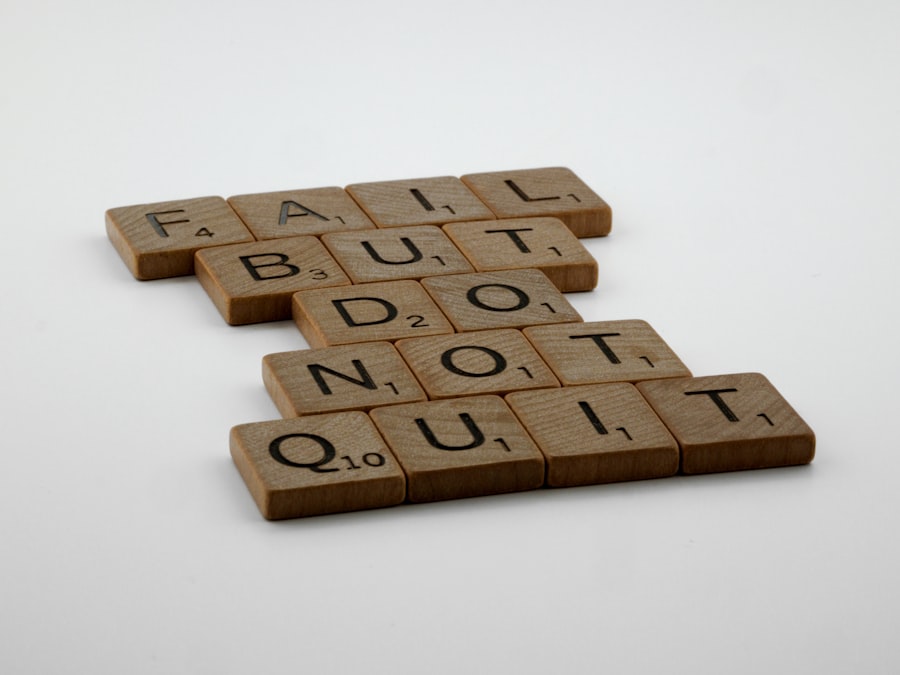
Burnout often leads to a distorted narrative of self, where your worth becomes tied to your productivity and external achievements. Recovering from burnout involves actively reclaiming and rewriting this narrative, focusing on the richness and complexity of your identity.
Shifting the Focus from “Doing” to “Being”
When burned out, the emphasis is almost entirely on “doing.” Recovery requires a deliberate shift towards “being”—acknowledging and valuing your inherent existence, your thoughts, your feelings, and your presence.
Mindfulness and Present Moment Awareness
Practicing mindfulness helps you to anchor yourself in the present, rather than dwelling on past failures or future anxieties. It allows you to observe your thoughts and feelings without judgment.
Self-Compassion
Treat yourself with the same kindness and understanding you would offer a friend. Acknowledge that you are human and that experiencing burnout is a legitimate response to stress.
Exploring New Avenues of Growth and Meaning
Burnout can be an opportunity for introspection and redirection. It can prompt you to explore interests and activities that were previously neglected.
Rediscovering Hobbies and Creative Pursuits
Engaging in activities that bring you pleasure and allow for self-expression can be deeply restorative. This could be anything from painting and writing to playing music or gardening.
Learning New Skills or Engaging in Volunteering
Acquiring new knowledge or contributing to a cause larger than yourself can foster a sense of purpose and renewed engagement with the world. These activities tap into different aspects of your identity.
The Power of Storytelling
Our identities are shaped by the stories we tell ourselves and others. Actively crafting a new narrative of resilience and self-discovery is a potent tool for recovery.
Journaling for Self-Reflection
Regularly writing down your thoughts, feelings, and observations can help you to process experiences and identify patterns in your journey. It is a way of externalizing your internal landscape and making sense of it.
Sharing Your Story (When Ready)
Once you feel comfortable, sharing your experiences with trusted individuals can be a cathartic and empowering act, solidifying your progress and inspiring others.
If you’re seeking effective strategies for burnout recovery, you might find the insights in a related article on identity OS Lite particularly helpful. This resource offers practical techniques to help individuals reconnect with their sense of self and restore balance in their lives. You can explore more about this approach and its benefits by visiting this article, which delves into the importance of identity in overcoming burnout and achieving personal well-being.
Embracing Your Identity as a Light: Illuminating the Path Forward
| Metric | Description | Value | Unit | Notes |
|---|---|---|---|---|
| Average Recovery Time | Time taken to recover from burnout using Identity OS Lite | 6 | Weeks | Based on user self-reports |
| Stress Level Reduction | Percentage decrease in perceived stress after 4 weeks | 45 | % | Measured via standardized stress scale |
| Sleep Quality Improvement | Increase in average sleep quality score | 30 | % | Assessed through sleep tracking data |
| Energy Level Increase | Improvement in daily energy levels reported | 40 | % | Self-reported via daily logs |
| Engagement with Recovery Tools | Average weekly usage of Identity OS Lite recovery features | 5 | Sessions per week | Includes meditation, journaling, and coaching |
| User Satisfaction | Percentage of users satisfied with burnout recovery support | 88 | % | Survey conducted after 8 weeks |
The ultimate goal of burnout recovery is to embrace your identity not as a burden or a source of pressure, but as a guiding light. This light emanates from your core self, illuminating your path forward and infusing your life with renewed purpose and vitality.
The Metaphor of the Lighthouse
Your identity, when fully embraced, acts like a lighthouse. In times of darkness and uncertainty, it stands tall, its beam cutting through the fog, guiding you safely to shore. It is a constant, unwavering presence that offers direction.
Integrating Your Shadow and Your Light
Recovery is not about eradicating the aspects of yourself that led to burnout, but about integrating them. Your vulnerabilities and past struggles are part of your identity, and when acknowledged, they can become sources of strength and empathy.
Accepting Imperfection
Recognize that striving for perfection is often a root cause of burnout. Embracing your imperfections allows for greater authenticity and self-acceptance.
Learning from Past Challenges
The difficulties you have faced have undoubtedly taught you valuable lessons. These lessons are woven into the fabric of your identity, making you more resilient and wise.
Cultivating a Sustainable Sense of Well-being
The recovery process is not a finite endpoint, but rather an ongoing commitment to nurturing your identity and well-being. It is a continuous process of self-discovery and adaptation.
Regular Self-Assessment
Periodically check in with yourself to gauge your energy levels, emotional state, and overall satisfaction. This allows for early detection of potential stressors.
Adapting to Change
Life is constantly evolving. Your identity will also evolve. Be open to adapting your approach to self-care and your life choices as circumstances change.
Sustaining Meaningful Connections
Continue to nurture the relationships that bring you support and joy. These connections are vital for long-term well-being.
By consciously reconnecting with your core identity, reinforcing your support systems, and actively reclaiming your personal narrative, you can move beyond the shadows of burnout. Your identity, once dimmed by exhaustion, can emerge as a radiant light, guiding you towards a more balanced, fulfilling, and purposeful existence. This is not about returning to where you were, but about forging a new and healthier path illuminated by the enduring strength of your true self.
FAQs
What is Identity OS Lite and how does it help with burnout recovery?
Identity OS Lite is a streamlined version of the Identity Operating System designed to support mental health and well-being. It provides tools and resources that help individuals recognize burnout symptoms, manage stress, and develop healthier habits to facilitate recovery.
Who can benefit from using Identity OS Lite for burnout recovery?
Anyone experiencing symptoms of burnout, such as chronic fatigue, emotional exhaustion, or reduced performance, can benefit from Identity OS Lite. It is especially useful for professionals, caregivers, and students seeking structured support to regain balance and improve mental resilience.
What features does Identity OS Lite offer to support burnout recovery?
Identity OS Lite includes features such as mood tracking, personalized self-care plans, guided mindfulness exercises, and progress monitoring. These tools help users identify stress triggers, implement coping strategies, and track improvements over time.
Is Identity OS Lite suitable for use alongside professional therapy or medical treatment?
Yes, Identity OS Lite is designed to complement professional mental health care. It can be used as an additional resource to support therapy or medical treatment but should not replace professional advice or interventions for severe burnout or related conditions.
How can someone get started with Identity OS Lite for burnout recovery?
To get started, users can download Identity OS Lite from official app stores or access it via the provider’s website. After setting up a profile, users are guided through an initial assessment to tailor the recovery plan to their specific needs and begin using the available tools and resources.