
The nervous system consists of a complex network of cells and fibers that transmit signals throughout the body. It comprises two primary divisions: the central nervous system (CNS), containing the brain and spinal cord, and the peripheral nervous system (PNS), which connects the CNS to organs, muscles, and tissues throughout the body. This system controls reflexes, emotional responses, and numerous physiological processes essential for survival and daily functioning.
The nervous system processes sensory input, coordinates motor functions, and regulates autonomic processes including heart rate, breathing, and digestion. It also manages emotional and stress responses through complex interactions between brain regions and hormonal systems. Under normal conditions, the nervous system maintains homeostasis and enables appropriate responses to environmental demands.
Dysregulation can occur due to chronic stress, trauma, illness, or other factors, potentially resulting in physical symptoms such as sleep disturbances, digestive issues, or cardiovascular problems, as well as emotional symptoms including anxiety, depression, or mood instability. Recognizing signs of nervous system imbalance is fundamental to implementing appropriate interventions and restoring optimal function.
Key Takeaways
- The nervous system controls bodily functions and emotional responses, making its regulation vital for well-being.
- Recognizing signs of nervous system dysregulation, such as anxiety or irritability, helps in timely intervention.
- Techniques like deep breathing, progressive muscle relaxation, and mindfulness effectively support nervous system regulation.
- Grounding exercises, self-compassion, and positive affirmations enhance emotional balance and resilience.
- Consistent self-care and seeking professional help when needed are crucial for maintaining nervous system health.
Recognizing Signs of Dysregulation
Recognizing the signs of dysregulation in your nervous system is crucial for maintaining your mental and physical health. You may notice that you feel more anxious or irritable than usual, or perhaps you find it difficult to concentrate on tasks that once seemed manageable. These emotional symptoms can manifest physically as well; you might experience tension in your muscles, headaches, or digestive issues.
Being aware of these signs can empower you to take proactive steps toward regulation before they escalate into more significant problems. Another common indicator of nervous system dysregulation is a heightened startle response or an increased sensitivity to sensory input. You may find that loud noises or crowded spaces overwhelm you more than they used to.
Additionally, sleep disturbances such as insomnia or restless nights can signal that your nervous system is out of balance. By tuning into these signs, you can begin to understand how your body responds to stress and take steps to address any imbalances before they affect your overall well-being.
Importance of Regulating Your Nervous System
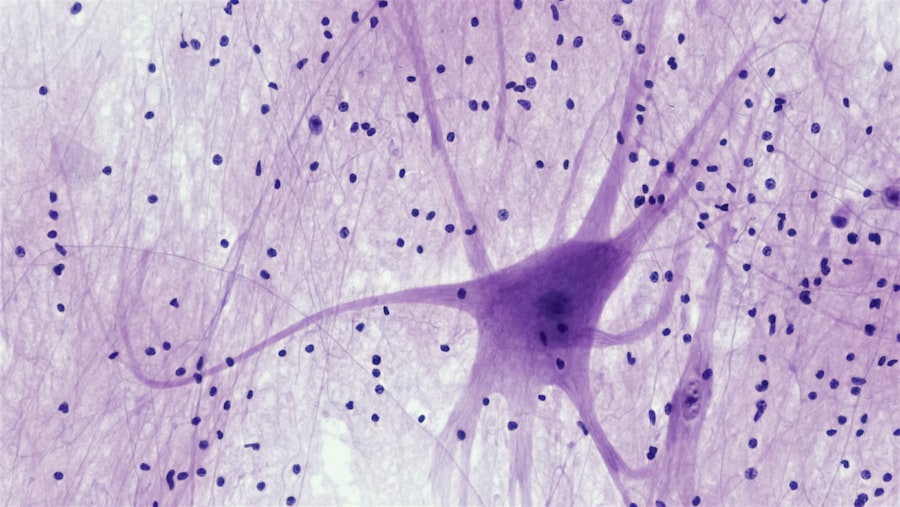
Regulating your nervous system is not just about alleviating discomfort; it’s about fostering resilience and enhancing your quality of life. When your nervous system is in a state of balance, you are better equipped to handle stressors and challenges that come your way. This regulation allows you to respond thoughtfully rather than react impulsively, leading to healthier relationships and improved decision-making.
Moreover, a well-regulated nervous system supports optimal physical health by promoting better sleep, digestion, and immune function. In contrast, neglecting the need for regulation can lead to chronic stress, anxiety disorders, and even physical health issues such as heart disease or autoimmune conditions. By prioritizing the regulation of your nervous system, you are investing in your long-term health and well-being.
It creates a foundation for emotional stability and resilience, enabling you to navigate life’s ups and downs with greater ease and confidence.
Techniques for Regulating Your Nervous System
There are numerous techniques available for regulating your nervous system, each offering unique benefits that can help restore balance. One effective approach is to incorporate regular physical activity into your routine. Exercise has been shown to release endorphins, which are natural mood lifters that can help alleviate feelings of anxiety and stress.
Whether it’s a brisk walk in nature or a high-intensity workout at the gym, finding an activity that you enjoy can significantly contribute to your overall sense of well-being. In addition to physical activity, establishing a consistent daily routine can also aid in regulating your nervous system. Predictability in your day-to-day life can create a sense of safety and stability, which is particularly beneficial when navigating stressful situations.
By setting aside time for self-care activities such as reading, journaling, or engaging in hobbies you love, you can create a nurturing environment that promotes relaxation and balance.
Deep Breathing Exercises
| Technique | Description | Duration | Effect on Nervous System | Recommended Before Asking |
|---|---|---|---|---|
| Deep Breathing | Slow, controlled breaths to activate the parasympathetic nervous system | 3-5 minutes | Reduces heart rate and calms anxiety | Yes |
| Progressive Muscle Relaxation | Tensing and relaxing muscle groups to release physical tension | 5-10 minutes | Decreases muscle tension and stress hormones | Yes |
| Grounding Techniques | Focusing on present sensations to reduce overwhelm | 2-3 minutes | Improves focus and reduces nervousness | Yes |
| Mindful Meditation | Focused attention on breath or body sensations | 5-15 minutes | Enhances emotional regulation and reduces stress | Yes |
| Visualization | Imagining a calm and confident scenario | 2-5 minutes | Boosts confidence and reduces anxiety | Yes |
| Physical Movement | Light exercise or stretching to release tension | 5-10 minutes | Increases endorphins and lowers stress | Yes |
One of the simplest yet most effective techniques for regulating your nervous system is deep breathing exercises. When you focus on your breath, you activate the parasympathetic nervous system, which helps counteract the stress response triggered by the sympathetic nervous system. To practice deep breathing, find a comfortable position—either sitting or lying down—and take a slow, deep breath in through your nose, allowing your abdomen to expand fully.
Hold this breath for a moment before exhaling slowly through your mouth. Repeat this process several times, focusing on the sensation of your breath entering and leaving your body. As you engage in deep breathing exercises regularly, you may notice a significant reduction in feelings of anxiety and tension.
This practice not only calms your mind but also helps ground you in the present moment. By incorporating deep breathing into your daily routine—perhaps during moments of stress or as part of your morning ritual—you can cultivate a greater sense of peace and clarity throughout your day.
Progressive Muscle Relaxation

Progressive muscle relaxation (PMR) is another powerful technique for regulating your nervous system. This method involves systematically tensing and then relaxing different muscle groups throughout your body. By doing so, you can release built-up tension and promote a sense of relaxation.
To practice PMR, find a quiet space where you won’t be disturbed. Start by focusing on your feet; tense the muscles for five seconds before releasing them completely. Gradually work your way up through each muscle group—your calves, thighs, abdomen, arms, and face—taking time to notice the contrast between tension and relaxation.
As you practice PMR regularly, you may find that it not only helps alleviate physical tension but also enhances your awareness of how stress manifests in your body. This heightened awareness can empower you to recognize when you’re feeling overwhelmed and take proactive steps to address it before it escalates into more significant issues.
Mindfulness and Meditation
Mindfulness and meditation are invaluable tools for regulating your nervous system and fostering emotional resilience. Mindfulness involves being fully present in the moment without judgment, allowing you to observe your thoughts and feelings without becoming overwhelmed by them. By practicing mindfulness regularly—whether through meditation or simply by paying attention to your surroundings—you can cultivate a greater sense of calm and clarity.
Meditation takes mindfulness a step further by providing structured time for reflection and stillness. You might choose to sit quietly for a few minutes each day, focusing on your breath or repeating a calming mantra. As you develop a meditation practice, you may notice an increased ability to manage stress and anxiety more effectively.
This practice not only helps regulate your nervous system but also enhances overall mental clarity and emotional well-being.
Grounding Techniques
Grounding techniques are particularly useful for bringing yourself back to the present moment when feelings of anxiety or overwhelm arise. These techniques help anchor you in reality by focusing on sensory experiences—what you can see, hear, touch, taste, or smell. One simple grounding exercise involves using the five senses: identify five things you can see around you, four things you can touch, three things you can hear, two things you can smell, and one thing you can taste.
By engaging with your senses in this way, you redirect your focus away from anxious thoughts and back into the present moment. Grounding techniques can be especially helpful during moments of panic or distress when it feels challenging to regain control over your emotions. Incorporating these practices into your daily routine can enhance your ability to manage stress effectively.
Self-Compassion and Positive Affirmations
Practicing self-compassion is essential for regulating your nervous system effectively. It involves treating yourself with kindness and understanding rather than harsh judgment when faced with challenges or setbacks. When you approach yourself with compassion, you create an internal environment that fosters healing and resilience.
This mindset shift allows you to acknowledge difficult emotions without becoming overwhelmed by them. In addition to self-compassion, incorporating positive affirmations into your daily routine can significantly impact how you perceive yourself and navigate stressors. Affirmations are positive statements that reinforce self-worth and resilience; they serve as reminders of your strengths and capabilities.
By repeating affirmations regularly—whether aloud or silently—you can cultivate a more positive mindset that supports emotional regulation.
Seeking Professional Help
While self-regulation techniques are valuable tools for managing stress and anxiety, there may be times when seeking professional help is necessary. A mental health professional can provide guidance tailored specifically to your needs, helping you explore underlying issues contributing to dysregulation in your nervous system. Therapy offers a safe space for processing emotions and developing coping strategies that resonate with you.
If you find that self-help techniques aren’t yielding the desired results or if feelings of anxiety become overwhelming, don’t hesitate to reach out for support. A therapist or counselor can work with you to create an individualized plan that addresses both immediate concerns and long-term goals for emotional well-being.
Practicing Regular Self-Care
Finally, practicing regular self-care is essential for maintaining a regulated nervous system over time. Self-care encompasses various activities that nurture both body and mind—whether it’s engaging in hobbies you love, spending time with loved ones, or simply taking time for yourself to relax and recharge. Prioritizing self-care allows you to replenish your energy reserves and cultivate resilience against life’s challenges.
Incorporating self-care into your routine doesn’t have to be complicated; even small acts of kindness toward yourself can make a significant difference in how you feel overall. Whether it’s enjoying a warm bath at the end of a long day or setting aside time each week for activities that bring joy—these moments contribute to a balanced life that supports emotional regulation. By understanding the intricacies of the nervous system and recognizing its signs of dysregulation, you empower yourself to take charge of your mental health journey.
Through various techniques such as deep breathing exercises, progressive muscle relaxation, mindfulness practices, grounding techniques, self-compassion exercises, seeking professional help when needed, and committing to regular self-care—you can cultivate a more balanced state within yourself that enhances overall well-being. Remember that this journey is unique for everyone; be patient with yourself as you explore what works best for you on this path toward greater emotional resilience and harmony within your nervous system.
Regulating your nervous system is essential for maintaining emotional balance and overall well-being.