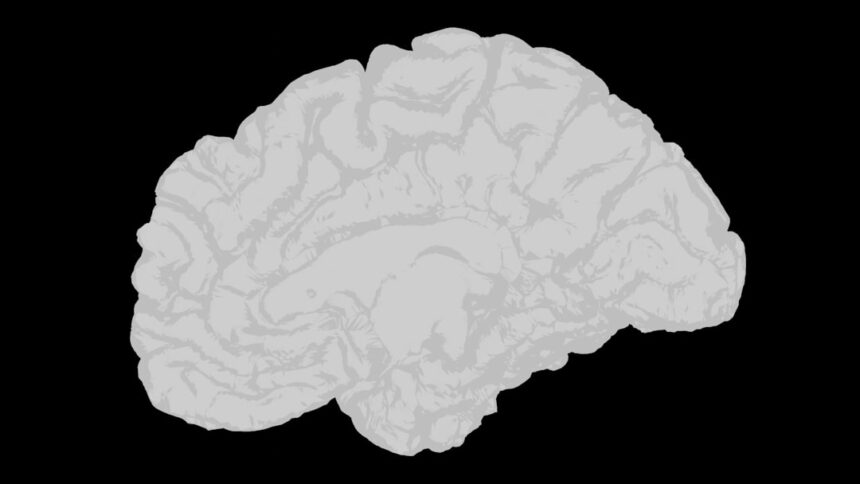
To grasp the complexities of addiction, it is essential to understand the brain’s reward system. This intricate network of structures and pathways is responsible for feelings of pleasure and reinforcement.
This chemical not only enhances your mood but also reinforces the behavior, making you more likely to repeat it in the future. The reward system is designed to encourage behaviors that are beneficial for survival, but it can also be hijacked by substances or activities that provide immediate gratification. When you indulge in addictive behaviors, the brain’s reward system can become imbalanced.
Substances like drugs or alcohol can lead to an overwhelming release of dopamine, creating a euphoric high that is difficult to resist.
This shift can lead to a cycle of dependency, where the pursuit of that initial high becomes a driving force in your life.
Understanding this mechanism is crucial for recognizing how addiction develops and why it can be so challenging to overcome.
Key Takeaways
- The brain’s reward system is responsible for reinforcing certain behaviors by releasing dopamine, a neurotransmitter associated with pleasure and motivation.
- Addictive behaviors can manifest in various forms, including substance abuse, gambling, and excessive technology use, and can have detrimental effects on mental and physical health.
- Identifying triggers and cravings is crucial in understanding and managing addictive behaviors, as they can be linked to specific situations, emotions, or environmental cues.
- Developing healthy coping mechanisms, such as practicing mindfulness and meditation, engaging in physical activity, and establishing a supportive social network, can help individuals manage cravings and reduce the risk of relapse.
- Seeking professional help and support, setting realistic goals and milestones, and celebrating successes are essential components of overcoming addictive behaviors and maintaining long-term recovery.
Recognizing Addictive Behaviors
Recognizing addictive behaviors in yourself is a vital step toward recovery. You might find yourself engaging in activities that you know are harmful, yet you feel compelled to continue. This could manifest as excessive drinking, compulsive gambling, or even an obsession with social media.
The key is to observe patterns in your behavior that suggest a loss of control. For instance, do you often prioritize these activities over responsibilities or relationships? Do you experience withdrawal symptoms when you try to cut back?
Acknowledging these signs is the first step in addressing the issue. It’s also important to differentiate between healthy habits and addictive behaviors. While enjoying a glass of wine with dinner or spending time on social media can be part of a balanced life, when these activities start to interfere with your daily functioning or well-being, they may have crossed into addiction territory.
You might notice feelings of guilt or shame associated with these behaviors, which can further complicate your relationship with them. By being honest with yourself about your habits, you can begin to take proactive steps toward change.
Identifying Triggers and Cravings
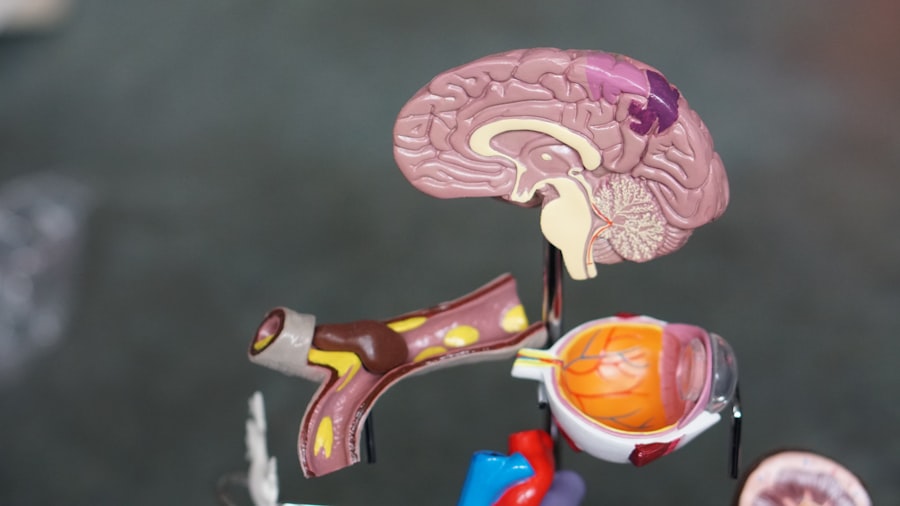
Once you’ve recognized addictive behaviors, the next step is identifying triggers and cravings that fuel them. Triggers can be external or internal; they might include specific environments, people, or even emotional states that prompt you to engage in addictive behaviors. For example, if you find yourself reaching for a drink when you’re stressed or anxious, stress becomes a significant trigger for your behavior.
By pinpointing these triggers, you can develop strategies to avoid or cope with them more effectively. Cravings often accompany triggers and can be intense and overwhelming. You may experience physical sensations or emotional urges that compel you to seek out the substance or behavior you’re trying to avoid.
Understanding the nature of these cravings is crucial; they are often temporary and can be managed with the right techniques. Keeping a journal to track your triggers and cravings can provide valuable insights into your patterns and help you develop a plan for addressing them when they arise.
Developing Healthy Coping Mechanisms
| Metrics | 2019 | 2020 | 2021 |
|---|---|---|---|
| Therapy Sessions | 100 | 120 | 150 |
| Exercise Frequency | 3 times/week | 4 times/week | 5 times/week |
| Meditation Minutes | 10 minutes/day | 15 minutes/day | 20 minutes/day |
As you work to overcome addictive behaviors, developing healthy coping mechanisms is essential. Instead of turning to substances or harmful activities when faced with stress or discomfort, consider alternative strategies that promote well-being. Engaging in creative outlets such as painting, writing, or playing music can provide an emotional release and serve as a positive distraction from cravings.
Additionally, practicing relaxation techniques like deep breathing or progressive muscle relaxation can help alleviate anxiety and reduce the urge to engage in addictive behaviors. Another effective coping mechanism is establishing a routine that incorporates self-care practices. This could include regular exercise, maintaining a balanced diet, and ensuring you get enough sleep.
By prioritizing your physical health, you create a solid foundation for emotional resilience. You might also explore hobbies or interests that bring you joy and fulfillment, allowing you to channel your energy into something constructive rather than destructive.
Seeking Professional Help and Support
When battling addiction, seeking professional help can be a game-changer. Therapists and counselors who specialize in addiction can provide valuable insights and strategies tailored to your unique situation. They can help you explore the underlying issues contributing to your addictive behaviors and guide you through the recovery process.
Whether through individual therapy, group sessions, or support groups like Alcoholics Anonymous or Narcotics Anonymous, connecting with others who share similar experiences can foster a sense of community and understanding. In addition to therapy, consider exploring treatment options such as cognitive-behavioral therapy (CBT) or motivational interviewing. These approaches focus on changing negative thought patterns and enhancing motivation for change.
You might also benefit from medication-assisted treatment if applicable, which can help manage withdrawal symptoms and cravings. Remember that seeking help is not a sign of weakness; it demonstrates strength and a commitment to improving your life.
Practicing Mindfulness and Meditation

Incorporating mindfulness and meditation into your daily routine can significantly enhance your recovery journey. Mindfulness involves being present in the moment without judgment, allowing you to observe your thoughts and feelings without becoming overwhelmed by them. This practice can help you develop greater awareness of your triggers and cravings, enabling you to respond more thoughtfully rather than react impulsively.
Meditation offers a structured way to cultivate mindfulness and reduce stress. By dedicating just a few minutes each day to meditation, you can create a sense of calm and clarity that supports your recovery efforts. Techniques such as guided imagery or loving-kindness meditation can foster self-compassion and resilience during challenging times.
As you become more attuned to your thoughts and emotions through mindfulness practices, you’ll find it easier to navigate cravings and make healthier choices.
Engaging in Physical Activity and Exercise
Physical activity plays a crucial role in overcoming addiction by promoting both physical and mental well-being. When you engage in exercise, your body releases endorphins—natural chemicals that elevate mood and reduce stress. This biochemical response can serve as a healthy alternative to the temporary highs associated with addictive substances or behaviors.
Whether it’s going for a run, practicing yoga, or participating in team sports, finding an activity you enjoy can make exercise an integral part of your recovery journey. Moreover, regular physical activity can improve your overall health and boost self-esteem. As you become more physically active, you’ll likely notice improvements in your energy levels and mood, which can further motivate you to stay on track with your recovery goals.
Consider setting fitness-related milestones for yourself; these achievements not only enhance your physical health but also provide a sense of accomplishment that reinforces positive behavior.
Establishing a Supportive Social Network
Building a supportive social network is vital for maintaining long-term recovery from addiction. Surrounding yourself with individuals who understand your journey can provide encouragement and accountability as you navigate challenges. Seek out friends or family members who are supportive of your goals and willing to engage in healthy activities with you.
This could involve participating in sober events, joining clubs focused on shared interests, or simply spending time together in environments that promote well-being. In addition to personal relationships, consider joining support groups where you can connect with others who have faced similar struggles. Sharing experiences and learning from one another can foster a sense of belonging and reduce feelings of isolation often associated with addiction.
Remember that building a supportive network takes time; be patient with yourself as you cultivate these connections.
Setting Realistic Goals and Milestones
Setting realistic goals is essential for maintaining motivation throughout your recovery journey. Break down larger objectives into smaller, manageable milestones that allow you to track your progress over time. For instance, if you’re aiming to reduce alcohol consumption, start by setting specific limits for yourself each week rather than attempting complete abstinence right away.
Celebrate each small victory along the way; acknowledging these achievements reinforces positive behavior and boosts your confidence. It’s also important to remain flexible with your goals as circumstances change. Life is unpredictable, and setbacks may occur; however, viewing these challenges as opportunities for growth rather than failures will help you stay resilient.
Adjusting your goals based on your experiences allows for continued progress while maintaining a sense of purpose in your recovery journey.
Creating a Structured Daily Routine
Establishing a structured daily routine can provide stability during the recovery process. A well-organized schedule helps minimize uncertainty and creates a sense of normalcy in your life. Start by outlining daily activities that prioritize self-care, such as meal planning, exercise sessions, work commitments, and leisure time dedicated to hobbies or relaxation techniques like meditation.
Incorporating regular check-ins with yourself throughout the day can also enhance accountability and mindfulness regarding your recovery goals. Consider setting aside time each evening to reflect on what went well during the day and areas where improvement is needed moving forward. This practice not only reinforces positive habits but also allows for continuous growth as you navigate challenges along the way.
Celebrating Milestones and Successes
As you progress through your recovery journey, it’s essential to celebrate milestones and successes—no matter how small they may seem. Acknowledging these achievements reinforces positive behavior and serves as motivation for continued growth. Whether it’s reaching a specific sobriety milestone or successfully managing cravings during challenging situations, take time to recognize your hard work.
Consider creating rituals around celebrating milestones; this could involve treating yourself to something special—a favorite meal, a day out doing something enjoyable, or even sharing your success with friends or family who have supported you along the way. Celebrating achievements fosters a sense of accomplishment while reminding you of how far you’ve come on this transformative journey toward healing and self-discovery. In conclusion, overcoming addiction is a multifaceted process that requires understanding the brain’s reward system, recognizing addictive behaviors, identifying triggers and cravings, developing healthy coping mechanisms, seeking professional help, practicing mindfulness, engaging in physical activity, establishing supportive networks, setting realistic goals, creating structured routines, and celebrating successes along the way.
By embracing these strategies holistically, you’ll empower yourself on the path toward lasting recovery and personal growth.
Resetting your brain’s reward system can be a transformative process, allowing you to break free from unhealthy habits and develop more productive behaviors. An insightful article that delves into this topic is available on Productive Patty’s website. It explores various strategies to recalibrate your brain’s reward pathways, helping you to cultivate a more balanced and fulfilling lifestyle. For more detailed information and practical tips, you can read the full article by visiting Productive Patty.
📅 Dopamine Is The Productivity Scam You Fell For (The Ultimate Focus Reset)
FAQs
What is the brain’s reward system?
The brain’s reward system is a network of neural structures that are responsible for reinforcing and motivating certain behaviors, such as eating, drinking, and social interaction. It is closely linked to the release of the neurotransmitter dopamine, which plays a key role in feelings of pleasure and reward.
Why would someone want to reset their brain’s reward system?
There are several reasons why someone might want to reset their brain’s reward system. This could include overcoming addiction, breaking unhealthy habits, or retraining the brain to find pleasure in more positive and fulfilling activities.
How can someone reset their brain’s reward system?
There are several strategies that can help reset the brain’s reward system, including engaging in new and rewarding activities, practicing mindfulness and meditation, seeking professional therapy or counseling, and making lifestyle changes such as improving diet and exercise habits.
What are the potential benefits of resetting the brain’s reward system?
Resetting the brain’s reward system can lead to a reduction in addictive behaviors, improved mental and emotional well-being, increased motivation and productivity, and a greater sense of fulfillment and satisfaction in life.
Are there any potential risks or drawbacks to resetting the brain’s reward system?
While resetting the brain’s reward system can have many positive effects, it can also be a challenging and potentially uncomfortable process. Individuals may experience withdrawal symptoms, cravings, and emotional difficulties as they work to rewire their brain’s reward pathways. It’s important to seek support and guidance from healthcare professionals when undertaking this type of endeavor.