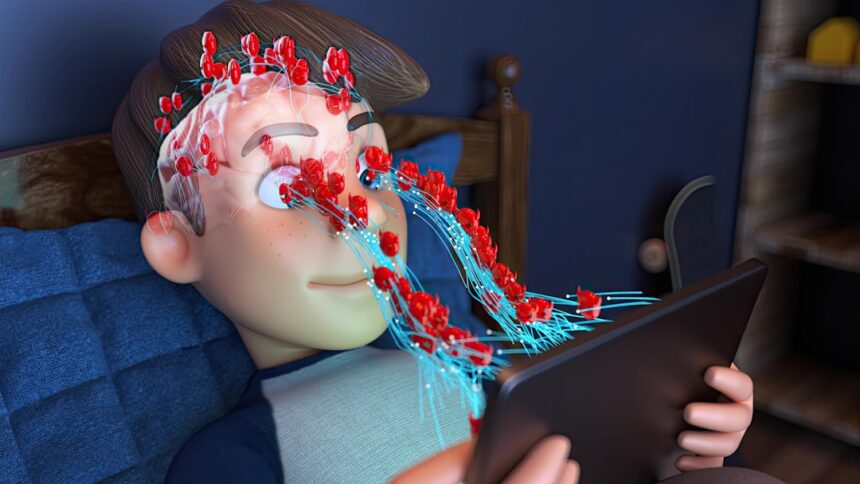
The protective reflex nervous system is a critical component of your body’s defense mechanism. It operates primarily outside conscious awareness, responding to potential threats and dangers in your environment. This system is governed by the autonomic nervous system, which comprises the sympathetic and parasympathetic branches.
The sympathetic nervous system triggers the “fight or flight” response, preparing your body to react quickly to perceived threats. The parasympathetic nervous system, conversely, promotes relaxation and recovery, allowing your body to restore balance after stress. Understanding this system’s function is important for recognizing its effects on overall well-being.
When you encounter a stressful situation, your protective reflexes activate almost immediately. This can result in increased heart rate, heightened alertness, and adrenaline release. These physiological changes prepare your body for action, enabling you to either escape from danger or confront it.
However, when these responses become hypersensitive or dysregulated, they can contribute to chronic stress and anxiety, which negatively affects quality of life.
Key Takeaways
- The protective reflex nervous system plays a crucial role in safeguarding the body from harm by triggering automatic responses.
- Dysregulation of this system can manifest as heightened anxiety, chronic stress, or difficulty managing emotions.
- Trauma can significantly disrupt the protective reflex nervous system, leading to long-term physical and emotional challenges.
- Techniques such as mind-body therapies, movement exercises, and proper nutrition can help retrain and support this nervous system.
- Consistent self-care and professional guidance are essential for maintaining and restoring the health of the protective reflex nervous system over time.
The Role of the Protective Reflex Nervous System in the Body
The protective reflex nervous system plays a multifaceted role in maintaining your health and safety. It not only helps you respond to immediate threats but also influences your long-term emotional and physical health.
If you touch something hot, your hand instinctively pulls away before you even consciously register the pain. This rapid response is vital for survival and illustrates how deeply embedded these reflexes are in your daily life. Moreover, the protective reflex nervous system is intricately linked to your emotional state.
Chronic activation of this system can lead to heightened anxiety and stress responses, which may manifest as irritability or difficulty concentrating. Over time, this can create a cycle where your body remains in a constant state of alertness, making it challenging to relax or feel safe. Understanding this connection can empower you to take proactive steps toward managing stress and fostering a sense of security within yourself. You can learn more about overcoming the perfectionism loop in this insightful video.
Signs of Dysregulation in the Protective Reflex Nervous System

Recognizing the signs of dysregulation in your protective reflex nervous system is crucial for addressing potential issues before they escalate. Common indicators include persistent feelings of anxiety, hypervigilance, and an exaggerated startle response. You may find yourself feeling on edge or easily overwhelmed by situations that wouldn’t typically provoke such reactions.
Additionally, physical symptoms such as muscle tension, headaches, or gastrointestinal disturbances can also signal that your protective reflexes are out of balance. Another sign of dysregulation is difficulty transitioning between states of arousal. You might notice that once you’re in a heightened state of alertness, it becomes challenging to return to a calm and relaxed state.
This can lead to insomnia or restless nights, further exacerbating feelings of anxiety and stress. By paying attention to these signs, you can begin to identify patterns in your behavior and emotional responses that may indicate a need for intervention.
The Impact of Trauma on the Protective Reflex Nervous System
Trauma can have a profound effect on the protective reflex nervous system, often leading to long-lasting changes in how you respond to stressors. When you experience a traumatic event, your body may become stuck in a heightened state of alertness, making it difficult to return to a baseline level of calm. This phenomenon is sometimes referred to as “hyperarousal,” where your nervous system remains in a constant state of readiness for danger, even when no immediate threat exists.
The impact of trauma can also manifest in emotional dysregulation. You may find yourself experiencing intense emotions that seem disproportionate to the situation at hand or struggling with feelings of detachment and numbness. These responses are often rooted in the protective reflex nervous system’s attempt to shield you from further pain or distress.
Understanding this connection can be an essential step toward healing, as it allows you to recognize that your reactions are not merely personal failings but rather responses shaped by past experiences.
Techniques for Retraining the Protective Reflex Nervous System
| Metric | Description | Typical Range | Measurement Method | Relevance to Retraining |
|---|---|---|---|---|
| Reflex Latency | Time delay between stimulus and reflex response | 20-50 ms | Electromyography (EMG) | Shorter latency indicates heightened reflex sensitivity; retraining aims to normalize latency |
| Reflex Amplitude | Strength of muscle response to stimulus | Variable by muscle group | EMG amplitude measurement | Reduced amplitude may indicate improved modulation of protective reflexes |
| Muscle Tone | Baseline tension in muscles at rest | Normal tone: 0-1 on Modified Ashworth Scale | Clinical assessment scales | Retraining aims to reduce hypertonicity associated with exaggerated reflexes |
| Startle Response Frequency | Number of involuntary startle reflexes per stimulus | 0-1 per stimulus in healthy adults | Behavioral observation | Decreased frequency indicates improved nervous system regulation |
| Autonomic Nervous System Activity | Heart rate variability as a marker of autonomic balance | High variability indicates good regulation | Heart rate monitors, HRV analysis | Improved autonomic balance supports reflex retraining outcomes |
Retraining your protective reflex nervous system involves implementing various techniques designed to restore balance and promote a sense of safety. One effective approach is mindfulness meditation, which encourages you to focus on the present moment without judgment. By practicing mindfulness regularly, you can cultivate greater awareness of your thoughts and feelings, allowing you to respond more skillfully to stressors rather than reacting impulsively.
Another technique is breathwork, which can help regulate your autonomic nervous system by promoting relaxation and reducing anxiety. Deep breathing exercises activate the parasympathetic nervous system, signaling to your body that it is safe to relax. Incorporating practices such as diaphragmatic breathing or box breathing into your daily routine can significantly enhance your ability to manage stress and maintain emotional equilibrium.
Mind-Body Approaches to Healing the Protective Reflex Nervous System

Mind-body approaches offer powerful tools for healing the protective reflex nervous system by fostering a deeper connection between your mental and physical states. Techniques such as yoga and tai chi emphasize mindful movement and breath awareness, helping you cultivate a sense of inner peace while also improving physical flexibility and strength. These practices encourage you to tune into your body’s sensations and emotions, promoting self-awareness and facilitating healing.
Additionally, somatic experiencing is another mind-body approach that focuses on releasing stored trauma from the body. This therapeutic technique encourages you to explore bodily sensations associated with past experiences, allowing for the gradual release of tension and emotional blockages. By engaging with these sensations in a safe environment, you can begin to rewire your protective reflexes and foster a greater sense of safety within yourself.
The Importance of Self-Care in Supporting the Protective Reflex Nervous System
Self-care plays a vital role in supporting the health of your protective reflex nervous system. Engaging in regular self-care practices allows you to recharge physically, emotionally, and mentally. Simple activities such as taking a warm bath, spending time in nature, or indulging in creative hobbies can significantly reduce stress levels and promote relaxation.
By prioritizing self-care, you send a message to your nervous system that it is safe to unwind and let go of tension. Moreover, establishing healthy boundaries is an essential aspect of self-care that directly impacts your protective reflexes. Learning to say no when necessary and recognizing when you need time for yourself can help prevent overwhelm and burnout.
By honoring your needs and creating space for rest and rejuvenation, you empower yourself to maintain a balanced state within your nervous system.
Integrating Movement and Exercise to Support the Protective Reflex Nervous System
Movement and exercise are powerful allies in supporting the protective reflex nervous system. Engaging in regular physical activity helps release pent-up energy and tension stored within the body, promoting overall well-being. Whether it’s going for a brisk walk, dancing, or participating in team sports, finding activities that resonate with you can enhance your mood and reduce stress levels.
Incorporating mindful movement practices such as yoga or Pilates can further support your protective reflexes by encouraging body awareness and breath control. These practices not only improve physical fitness but also foster a sense of connection between mind and body. As you engage in movement with intention, you create opportunities for healing and restoration within your nervous system.
Nutritional Support for a Healthy Protective Reflex Nervous System
Nutrition plays an integral role in maintaining a healthy protective reflex nervous system. Consuming a balanced diet rich in whole foods can provide essential nutrients that support optimal brain function and emotional regulation. Foods high in omega-3 fatty acids, such as fatty fish, walnuts, and flaxseeds, have been shown to promote brain health and reduce inflammation—factors that contribute to overall well-being.
Additionally, incorporating foods rich in antioxidants—such as fruits and vegetables—can help combat oxidative stress within the body. Nutrients like magnesium found in leafy greens and nuts are known for their calming effects on the nervous system. By prioritizing nutritional support, you can create a foundation for resilience against stressors while nurturing your protective reflexes.
Seeking Professional Help for Dysregulated Protective Reflex Nervous System
If you find yourself struggling with dysregulation in your protective reflex nervous system despite implementing self-care strategies, seeking professional help may be beneficial. Mental health professionals such as therapists or counselors can provide valuable support through various therapeutic modalities tailored to your needs. Approaches like cognitive-behavioral therapy (CBT) or eye movement desensitization and reprocessing (EMDR) can help address underlying trauma and facilitate healing.
Additionally, working with somatic therapists or body-centered practitioners can offer unique insights into how trauma manifests physically within your body. These professionals can guide you through techniques designed to release stored tension and promote emotional healing. Remember that seeking help is not a sign of weakness; rather, it demonstrates strength and commitment to your well-being.
Long-Term Strategies for Maintaining a Healthy Protective Reflex Nervous System
Maintaining a healthy protective reflex nervous system requires ongoing commitment and awareness. Establishing consistent routines that incorporate mindfulness practices, physical activity, and self-care can create lasting positive changes in how you respond to stressors over time. Regularly checking in with yourself—both physically and emotionally—can help you identify any signs of dysregulation early on.
Additionally, fostering supportive relationships with friends or family members can provide an essential network for emotional support during challenging times. Engaging in open conversations about feelings and experiences can help normalize struggles while reinforcing connections that promote resilience. By integrating these long-term strategies into your life, you empower yourself to cultivate a balanced protective reflex nervous system that supports overall health and well-being.
Protective reflex nervous system retraining is an essential aspect of understanding how our bodies respond to stress and trauma. For those interested in exploring this topic further, a related article can be found on the Productive Patty website, which delves into various techniques and strategies for enhancing nervous system resilience. You can read more about it in this informative piece: