You’re standing at your front door, juggling grocery bags, fumbling in your pocket for your keys, and the inevitable sigh escapes your lips. This is a familiar scene for many, a daily reminder of the friction points in our homes. Your entryway, the first impression, the portal between your private sanctuary and the outside world, often feels more like a hurdle than a welcoming space. But what if it didn’t have to be?
Imagine a home that anticipates your arrival, a system that recognizes you and grants access with a simple gesture. The concept of revolutionizing your home’s entryway isn’t about unnecessary gadgetry; it’s about enhancing security, streamlining your daily routine, and bringing a touch of modern efficiency to a space that often gets overlooked. This article will explore innovative systems designed to transform your entryway, focusing on how you can implement them and the benefits they offer. The cornerstone of this transformation will be the biometric fingerprint scanner, a technology that promises to eliminate the age-old struggle of key management.
The biometric fingerprint scanner is more than just a futuristic novelty; it’s a sophisticated security device that leverages your unique physiological characteristics for identification. Unlike traditional keys, which can be lost, stolen, or duplicated, your fingerprint is inherently personal and practically impossible to replicate. This technology has become increasingly accessible and reliable, making it a prime candidate for enhancing your home’s security and convenience.
How Fingerprint Scanners Work
At its core, a biometric fingerprint scanner works by capturing a digital image of your fingerprint and then analyzing its distinct patterns. These patterns consist of ridges and valleys, also known as minutiae points. The scanner identifies these minute details, such as ridge endings, bifurcations (where a ridge splits into two), and dots.
- Image Capture: When you place your finger on the scanner, a sensor (optical or capacitive) captures a high-resolution image of your fingerprint.
- Optical Scanners: These use light to take a photographic image of your fingerprint. They are generally less expensive but can be more susceptible to spoofing from artificial prints deposited on the surface.
- Capacitive Scanners: These use electrical current passing through your skin to map the ridges and valleys. They are more secure and less affected by dirt or moisture on your finger, making them a more common choice for modern security systems.
- Feature Extraction: The scanner’s software then analyzes the captured image, identifying and extracting the unique minutiae points that form your fingerprint.
- Template Creation: These extracted features are converted into a digital template – a complex mathematical representation of your fingerprint. This template is stored securely in the system’s memory. It’s important to note that the actual image of your fingerprint is typically not stored; only the derived template is retained for comparison.
- Enrollment: During the initial setup, you will need to enroll your fingerprints. This process involves scanning your finger multiple times to ensure a comprehensive and accurate template is created.
- Verification/Identification: When you attempt to access your home, you place your finger on the scanner again. The system captures your live fingerprint, extracts its features, and compares them to the stored template(s).
- Verification (1:1 Matching): This is the most common approach for home access. The system compares your current scan to the specific template associated with your logged-in user. This is faster and more efficient for granting access.
- Identification (1:N Matching): In this scenario, the system compares your current scan against all stored templates to determine who you are. This is typically used in law enforcement or larger access control systems and is less common for individual home use.
- Decision: If the captured print matches a stored template within a certain tolerance level (to account for slight variations), the system grants access – typically by unlocking the door. If there’s no match, access is denied.
Security Benefits of Fingerprint Scanners
The primary appeal of a biometric fingerprint scanner lies in its inherent security. You are the key, and your fingerprint cannot be duplicated or stolen in the same way a physical key can.
- Elimination of Lost or Stolen Keys: The most obvious benefit is the end of the “where are my keys?” anxiety. You don’t have to worry about misplacing them or the potential security risk if they fall into the wrong hands.
- Unparalleled Uniqueness: Fingerprints are unique to each individual. Even identical twins have different fingerprints. This makes them a highly reliable form of personal identification.
- Difficult to Forge: While advanced spoofing techniques exist, they are generally complex and require significant effort, making them impractical for opportunistic burglars. Modern scanners often incorporate anti-spoofing features to further enhance security.
- Audit Trails: Many advanced systems log access attempts, providing you with a record of who entered and when. This can be invaluable for security monitoring and peace of mind.
- Reduced Risk of Unauthorized Entry: Without a physical key, someone cannot simply copy your key or pick your lock if they manage to obtain a copy. Access is granted only upon successful biometric scan.
Convenience Factors
Beyond security, fingerprint scanners offer a significant boost in daily convenience. This is where the “revolutionize” aspect truly comes into play.
- Keyless Entry: The freedom from carrying and fumbling with keys is liberating. This is particularly beneficial when your hands are full, you’re in a hurry, or you simply don’t want to be burdened by a keychain.
- Instant Access: Once enrolled, gaining entry is often a matter of a second or two. No more digging through bags or pockets.
- Access for Multiple Users: You can typically enroll multiple fingerprints, allowing family members, trusted friends, or even temporary guests (with a designated guest fingerprint) to access your home.
- Integration with Smart Home Systems: Many biometric scanners are designed to integrate with broader smart home ecosystems, offering further automation possibilities.
In exploring innovative solutions for enhancing entryway security and convenience, the concept of a one hook per person entryway system stands out. This system not only promotes organization but also ensures that each individual’s belongings are easily accessible and neatly stored. For further insights on optimizing entryway functionality, you can read a related article that delves into various strategies and products designed to improve home organization at Productive Patty.
Integrating Biometric Scanners into Your Entryway
The implementation of a biometric fingerprint scanner can range from a standalone smart lock to a more comprehensive entryway system. Your choice will depend on your budget, desired level of integration, and existing home infrastructure.
Smart Locks with Integrated Fingerprint Scanners
The most straightforward approach is to replace your existing deadbolt with a smart lock that features a built-in fingerprint scanner.
- Choosing the Right Smart Lock:
- Durability and Weather Resistance: Ensure the lock is designed for exterior use and can withstand various weather conditions. Look for certifications like ANSI/BHMA Grade 2 or Grade 1 for robust security.
- Connectivity Options: Most smart locks connect via Wi-Fi or Bluetooth. Wi-Fi allows for remote access and monitoring, while Bluetooth offers a more localized connection. Some offer both.
- Power Source: Smart locks typically run on batteries. Consider the battery life and the ease of replacement. Some advanced models also offer a backup power option, such as a USB port for emergency charging.
- App Functionality: Check the accompanying mobile app for features like user management, access logs, and temporary access codes or fingerprint provisioning.
- Aesthetics: The lock should complement your home’s architectural style. They come in various finishes and designs.
- Installation Process:
- DIY vs. Professional: Many smart locks are designed for relatively easy DIY installation, often replacing a standard deadbolt with minimal tools required. However, if you are not comfortable with basic home repairs, professional installation is recommended.
- Door Preparation: Ensure your door and its frame are compatible with the smart lock’s dimensions. This typically involves standard door preparation for deadbolts.
- Wiring (if applicable): Some more advanced systems might require minor wiring, but most battery-powered smart locks do not.
- Enrollment and Configuration:
- User Registration: Follow the manufacturer’s instructions to download the app and create your administrator account.
- Fingerprint Enrollment: The app will guide you through the process of enrolling your fingerprints and those of other authorized users. It’s crucial to follow the prompts carefully for accurate scanning.
- Creating Access Levels: You can often set different access levels for different users, such as permanent access for family members and temporary access for visitors.
Beyond the Lock: Integrated Entryway Solutions
For a more comprehensive transformation, consider entryway systems that incorporate fingerprint scanning with other smart technologies.
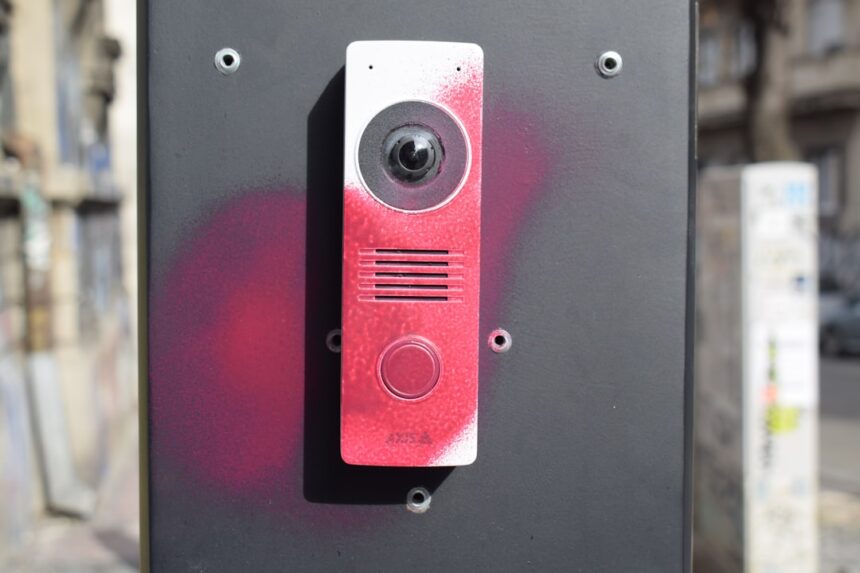
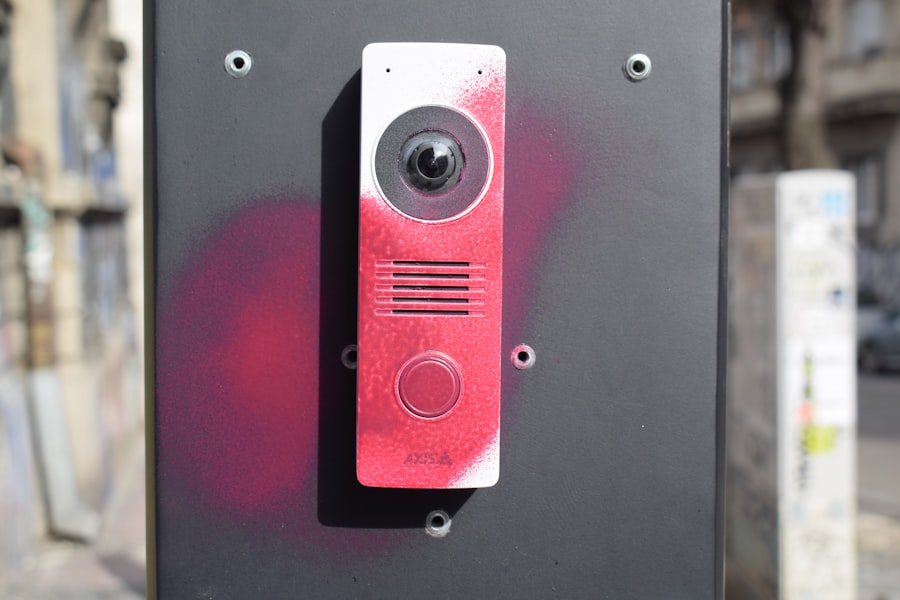
- Smart Doorbells with Biometrics: Some advanced smart doorbells integrate fingerprint scanners directly into their design. This means you can see and speak to visitors remotely, and they can grant access with their fingerprint, all from a single device.
- Features to look for: High-definition cameras, two-way audio, motion detection, cloud storage for video, and seamless integration with smart locks.
- Access Control Keypads with Fingerprint Readers: For businesses or multi-unit dwellings, standalone access control keypads with integrated fingerprint readers offer robust security and management capabilities. While these are often more complex than residential solutions, the principles are similar.
Enhancing Security and Automation: Complementary Systems
While the biometric fingerprint scanner is the star of your revamped entryway, it can work in conjunction with other systems to create a truly intelligent and secure home.
Smart Home Hubs and Automation
A smart home hub acts as the central brain for your connected devices, allowing them to communicate with each other and enabling automated routines.
- Connecting Your Biometric Scanner:
- Protocol Compatibility: Ensure your fingerprint scanner and smart hub use compatible communication protocols (e.g., Zigbee, Z-Wave, Wi-Fi).
- Integration Methods: Many smart hubs have built-in support for popular smart lock brands, allowing for direct integration. Others may use intermediary services or skills (like Alexa Skills or Google Assistant Actions).
- Creating Automated Routines:
- “Welcome Home” Scenes: Upon successful fingerprint scan, your entryway lights can illuminate, your thermostat can adjust to your preferred temperature, and your smart speakers can play your favorite playlist.
- “Away” Modes: When you leave, a specific fingerprint scan or a manual arming of your system can trigger all exterior lights to turn off, the thermostat to enter an energy-saving mode, and your security cameras to activate.
- Security Alerts: If an unauthorized access attempt is detected (e.g., multiple failed fingerprint scans), your hub can trigger an immediate notification to your smartphone and perhaps even activate an alarm.
- Guest Access Management: Your smart hub can be used to grant temporary fingerprint access to guests through the smart lock’s app, with the ability to set expiry dates and times for their access.
Video Surveillance and Monitoring
Integrating your biometric entry system with video surveillance provides an extra layer of security and peace of mind.
- Smart Cameras for Entryway Monitoring:
- Placement Strategy: Position cameras to have a clear view of your front door, walkway, and surrounding area. Consider wide-angle lenses to capture more of the scene.
- Recording Triggers: Configure cameras to record when motion is detected, or, more effectively, link them to your biometric scanner. This means recording begins automatically whenever someone uses the scanner to enter or exit.
- Live Viewing and Alerts: Receive real-time video feeds and instant alerts on your smartphone if suspicious activity is detected.
- Linking Biometrics and Video:
- Visual Verification: When a recognized fingerprint grants access, the associated camera can record a short video clip of the person entering. This provides a visual record of authorized entry.
- Alerting on Anomalies: If an unrecognized fingerprint is used, or if there are multiple failed attempts, the system can trigger both an alert on your phone and a recording on the nearest camera. This allows you to quickly assess the situation.
- Remote Access Control with Video Confirmation: In some advanced systems, you might be able to remotely grant access (via the app) and view live camera footage simultaneously, confirming the identity of the person requesting entry before unlocking the door.
Advanced Access Management Features
Beyond basic fingerprint scanning, consider systems that offer more sophisticated control over who enters your home and when.
- Time-Based Access: Not only can you grant permanent access, but you can also set specific hours or days when an enrolled fingerprint is valid. This is useful for service providers (e.g., cleaners, dog walkers) who only need access during certain times.
- Temporary Access Codes/Fingerprints: For guests or repair personnel, you can generate temporary access permissions that expire automatically after a set period or a specific number of uses. This eliminates the need to remember to revoke access later.
- Multi-Factor Authentication: For even higher security, some systems allow for multi-factor authentication. This means a fingerprint scan might be required in addition to a PIN code or a specific smartphone proximity, adding another layer of protection.
The Future of Entryway Technology

The evolution of entryway systems is not slowing down. As technology advances, you can expect even more seamless and intuitive solutions.
AI and Machine Learning in Access Control
Artificial intelligence (AI) and machine learning (ML) are poised to play a significant role in enhancing entryway security and user experience.
- Behavioral Analysis: Future systems might learn your typical patterns of arrival and departure. If your routine deviates significantly, or if an unfamiliar pattern is detected, the system could flag it as a potential anomaly for your review.
- Contextual Access: AI could analyze multiple factors to grant access. For example, it might consider the time of day, whether your phone is nearby, and the recognized fingerprint to make a more informed decision.
- Predictive Security: AI could potentially analyze local crime data or other relevant information to proactively suggest adjustments to your security settings or alert you to potential risks in your area.
Seamless Integration with Other Smart Home Devices
The trend towards a fully integrated smart home will further blur the lines between different devices and functions.
- Voice Control Integration: Imagine saying, “Hey [Assistant Name], unlock the door,” and having your voice command, combined with a quick fingerprint verification from a nearby device, grant you entry.
- Vehicle Integration: As connected car technology advances, your car might communicate with your home’s entryway system, preparing it for your arrival based on your navigation data and proximity.
- Facial Recognition Enhancements: While fingerprint scanning is highly effective, the combination with facial recognition technology for secondary verification or as an alternative entry method is a possibility for future advanced systems.
In exploring innovative solutions for enhancing home security, the one hook per person entryway system stands out as a practical approach to managing access. This system not only simplifies entry but also ensures that each individual has a designated point of access, reducing the risk of unauthorized entry. For more insights on how to optimize your home’s security measures, you can check out this informative article on productivepatty.com. By implementing such systems, homeowners can enjoy peace of mind while maintaining convenience for family members and guests alike.
Conclusion: Step into a Smarter Entryway
| Metrics | Data |
|---|---|
| Number of Hooks | 1 per person |
| Entryway System | Yes |
Revolutionizing your home’s entryway with systems like biometric fingerprint scanners is not just about adopting the latest technology; it’s about making a deliberate choice to enhance your security, simplify your daily life, and embrace a more intelligent and responsive living environment. The days of fumbling for keys are a relic of the past. By investing in these innovative solutions, you are not only upgrading your home’s defenses but also streamlining your interactions with it, creating a more welcoming, efficient, and secure space for you and your loved ones. Take that first step, and experience the effortless convenience and robust security that a modern entryway provides.
FAQs
What is the one hook per person entryway system?
The one hook per person entryway system is a method of organizing and managing personal belongings in a shared entryway or common area. Each individual is assigned a single hook for their coat, bag, or other items, helping to keep the space tidy and prevent clutter.
How does the one hook per person entryway system work?
In the one hook per person entryway system, each person is responsible for hanging their belongings on their designated hook when entering the space. This helps to maintain order and prevents overcrowding of the entryway area.
What are the benefits of using the one hook per person entryway system?
The one hook per person entryway system promotes organization and cleanliness in shared spaces. It also helps to prevent mix-ups or confusion regarding personal belongings, as each individual has their own designated hook for storage.
How can the one hook per person entryway system be implemented in a home or office setting?
To implement the one hook per person entryway system, hooks can be installed in a designated area such as a mudroom, hallway, or entry foyer. Each person should be assigned a specific hook for their use, and clear guidelines should be communicated to all individuals using the space.
Are there any potential drawbacks to the one hook per person entryway system?
While the one hook per person entryway system can be effective in promoting organization, it may require regular maintenance and enforcement to ensure that individuals adhere to the system. Additionally, there may be limitations in terms of space and the number of hooks available for use.