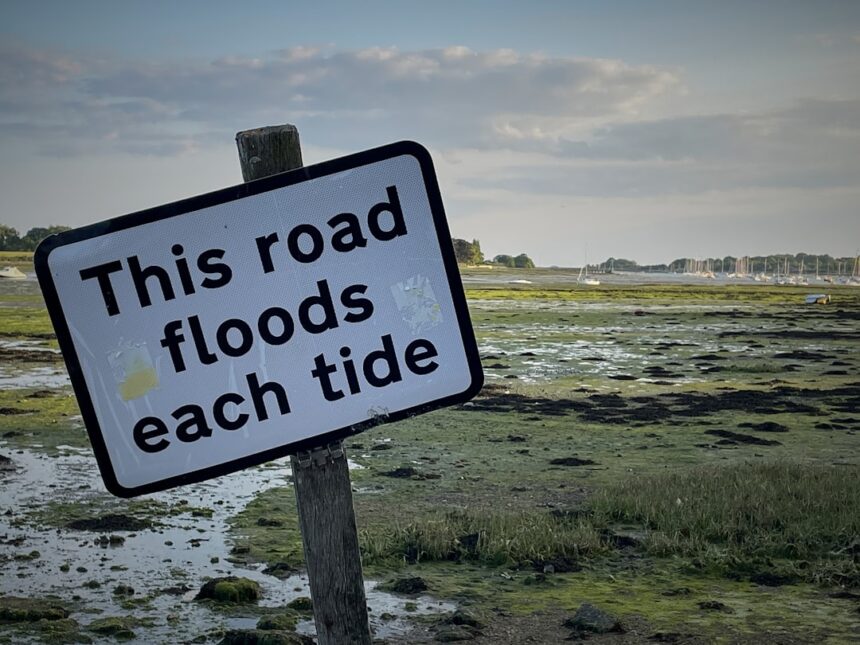
King tides are the highest astronomical tides that occur when the gravitational forces of the moon and sun combine at their strongest points during specific orbital alignments. These events happen when the moon is at its closest approach to Earth (perigee) and during new or full moon phases, typically resulting in tides that are 15-25% higher than average high tides. King tides occur naturally as part of predictable astronomical cycles, with the most extreme events happening approximately every 18.6 years when lunar orbital patterns reach maximum alignment.
However, the baseline water levels during these events are rising due to global sea level rise, which has increased by approximately 8-9 inches since 1880. This elevation makes king tides increasingly problematic for coastal infrastructure, as they now reach heights that previously occurred only during storm events. The frequency and timing of king tides vary by geographic location due to differences in coastal topography, tidal ranges, and regional oceanographic conditions.
Some areas experience multiple king tide events per year, while others may see them less frequently. Coastal communities increasingly use king tide events as planning tools, as they provide measurable data on how rising baseline sea levels will affect infrastructure, drainage systems, and flood-prone areas. These events cause temporary flooding of low-lying streets, storm drains, and coastal properties, offering concrete examples of future conditions as sea levels continue to rise at current rates of 3.3 millimeters per year globally.
Key Takeaways
- King tides are exceptionally high tides that worsen urban flooding, especially in coastal cities.
- Rising sea levels, driven by climate change, increase the frequency and severity of king tide flooding.
- Urban flooding from king tides leads to significant economic costs and infrastructure damage.
- Adaptation strategies, including green infrastructure and community engagement, are crucial for resilience.
- Collaborative efforts among governments, communities, and experts are essential to effectively address king tide impacts.
The Impact of Rising Sea Levels
Rising sea levels pose a significant threat to coastal ecosystems and human settlements alike. The primary drivers of this phenomenon include the melting of polar ice caps and glaciers, as well as the thermal expansion of seawater as it warms. As global temperatures continue to rise, projections indicate that sea levels could increase by several feet by the end of the century, leading to widespread consequences for coastal communities.
This gradual encroachment of seawater threatens not only residential areas but also critical infrastructure such as roads, bridges, and utilities. The impact of rising sea levels extends beyond physical displacement; it also affects local economies and ecosystems. Coastal habitats, such as wetlands and mangroves, serve as natural buffers against storm surges and flooding.
However, as sea levels rise, these vital ecosystems face degradation and loss, which can lead to diminished biodiversity and increased vulnerability to extreme weather events. The interplay between rising sea levels and urban development creates a complex challenge for cities striving to balance growth with sustainability.
Urban Flooding: A Growing Concern
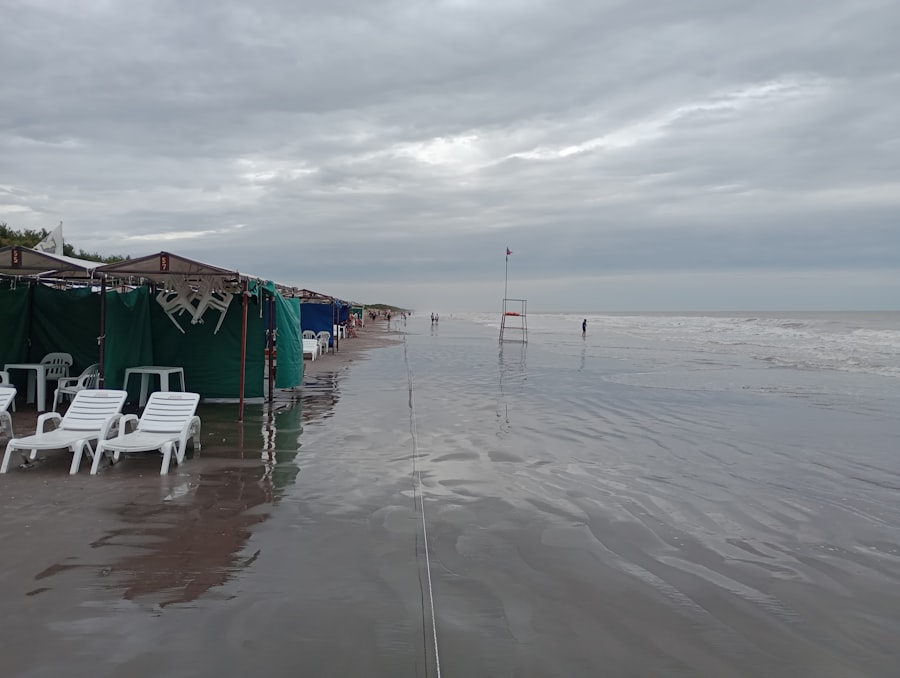
Urban flooding has emerged as a pressing issue in many cities around the world, exacerbated by factors such as increased rainfall, inadequate drainage systems, and rising sea levels. As urban areas expand, the natural landscape is often altered to accommodate infrastructure and development, leading to reduced permeability and increased runoff during heavy rain events. This transformation can overwhelm existing drainage systems, resulting in localized flooding that disrupts transportation, damages property, and poses health risks to residents.
Moreover, urban flooding is not solely a result of heavy rainfall; it can also be triggered by high tides and storm surges. In many coastal cities, the combination of these factors creates a perfect storm for flooding events. As urban populations continue to grow, the demand for housing and infrastructure increases, often outpacing the ability of cities to adapt to changing environmental conditions.
Consequently, urban flooding has become a multifaceted challenge that requires innovative solutions and proactive planning.
How King Tides Exacerbate Urban Flooding
King tides can significantly exacerbate urban flooding by raising baseline water levels during periods of heavy rainfall or storm events. When king tides coincide with precipitation events, the resulting surge can overwhelm drainage systems that are already struggling to cope with increased runoff. This phenomenon is particularly pronounced in low-lying coastal areas where infrastructure may not be designed to handle such extreme conditions.
As a result, residents may experience more frequent and severe flooding incidents during king tide events. Additionally, king tides can lead to saltwater intrusion into freshwater systems, further complicating the issue of urban flooding. When seawater infiltrates aquifers or freshwater bodies, it can compromise drinking water supplies and disrupt local ecosystems.
The cumulative effects of king tides on urban flooding highlight the urgent need for cities to reassess their flood management strategies and invest in resilient infrastructure that can withstand these increasingly common events.
The Role of Climate Change
| City | Year | Number of King Tide Flooding Events | Average Flood Depth (inches) | Impact on Infrastructure | Mitigation Measures |
|---|---|---|---|---|---|
| Miami, FL | 2023 | 15 | 8 | Road closures, power outages | Sea walls, pump stations |
| San Francisco, CA | 2023 | 7 | 6 | Flooded streets, disrupted transit | Improved drainage, flood barriers |
| New York, NY | 2023 | 10 | 7 | Subway flooding, property damage | Elevated infrastructure, flood gates |
| Boston, MA | 2023 | 8 | 5 | Coastal road flooding | Wetland restoration, seawalls |
| Seattle, WA | 2023 | 5 | 4 | Localized street flooding | Stormwater system upgrades |
Climate change plays a pivotal role in both rising sea levels and the frequency of extreme weather events that contribute to urban flooding. As global temperatures rise due to greenhouse gas emissions, polar ice melts at an accelerated rate, contributing to higher sea levels. Simultaneously, warmer air holds more moisture, leading to increased precipitation and more intense storms.
This dual impact creates a feedback loop that exacerbates the challenges faced by coastal cities. Moreover, climate change is not uniform; its effects vary by region and can disproportionately impact vulnerable communities. Low-income neighborhoods often lack the resources necessary to adapt to changing conditions, making them more susceptible to flooding and other climate-related hazards.
Addressing the role of climate change in urban flooding requires a comprehensive approach that considers social equity alongside environmental sustainability.
Vulnerable Cities and Regions

Certain cities and regions are particularly vulnerable to the impacts of king tides and rising sea levels due to their geographic location and socio-economic conditions. Coastal cities such as Miami, New Orleans, and New York City face significant risks from flooding events exacerbated by climate change. These urban centers often have extensive populations living in low-lying areas that are prone to inundation during high tide events.
In addition to geographic vulnerability, socio-economic factors play a crucial role in determining how communities respond to flooding risks. Areas with limited financial resources may struggle to implement necessary infrastructure improvements or emergency response plans. Furthermore, marginalized communities often bear the brunt of flooding impacts due to inadequate housing and limited access to resources for recovery.
Recognizing these disparities is essential for developing equitable solutions that address the needs of all residents.
The Economic Costs of Urban Flooding
The economic costs associated with urban flooding can be staggering, impacting both local economies and individual livelihoods. Flooding events can disrupt businesses, damage property, and lead to costly repairs and recovery efforts. In addition to immediate financial losses, cities may face long-term economic repercussions as residents relocate or businesses close due to repeated flooding incidents.
Insurance costs also rise in flood-prone areas as risk assessments become more stringent in light of increasing flood frequency. Homeowners may find it challenging to secure affordable coverage or may face higher premiums due to their location’s vulnerability. The cumulative economic impact of urban flooding underscores the importance of proactive planning and investment in resilient infrastructure that can mitigate future risks.
Adaptation and Mitigation Strategies
To address the challenges posed by king tides and urban flooding, cities must adopt comprehensive adaptation and mitigation strategies. These strategies may include investing in improved drainage systems, elevating infrastructure in flood-prone areas, and implementing green infrastructure solutions such as permeable pavements and rain gardens. By enhancing the resilience of urban environments, cities can better withstand the impacts of extreme weather events.
Additionally, community engagement is crucial in developing effective adaptation strategies. Residents should be involved in decision-making processes related to flood management and urban planning. By incorporating local knowledge and experiences into planning efforts, cities can create solutions that are tailored to their unique challenges while fostering a sense of ownership among community members.
Engaging Communities in Resilience Planning
Engaging communities in resilience planning is essential for creating effective responses to urban flooding challenges. Local residents possess valuable insights into their neighborhoods’ vulnerabilities and strengths, making their involvement critical in developing tailored solutions.
Moreover, fostering a culture of preparedness within communities can enhance resilience against flooding events. Educational initiatives that inform residents about flood risks and response strategies empower individuals to take proactive measures in safeguarding their homes and families. By building strong community networks focused on resilience planning, cities can create a collective response that enhances overall preparedness for future flooding challenges.
The Importance of Green Infrastructure
Green infrastructure plays a vital role in mitigating urban flooding by enhancing natural drainage systems and improving water management practices. Solutions such as green roofs, bioswales, and urban forests help absorb excess rainwater while reducing runoff into drainage systems. These approaches not only alleviate flooding risks but also provide additional benefits such as improved air quality and enhanced urban biodiversity.
Investing in green infrastructure also promotes community well-being by creating green spaces that enhance quality of life for residents. Parks and greenways provide recreational opportunities while serving as natural buffers against flooding events. By integrating green infrastructure into urban planning efforts, cities can create more resilient environments that adapt effectively to changing climate conditions.
Collaborative Solutions for Addressing King Tide Flooding
Addressing the challenges posed by king tide flooding requires collaborative solutions that involve multiple stakeholders at various levels. Government agencies, non-profit organizations, community groups, and private sector partners must work together to develop comprehensive strategies for managing flood risks effectively. Collaborative efforts can lead to innovative solutions that leverage diverse expertise while fostering a sense of shared responsibility among stakeholders.
Furthermore, regional cooperation is essential for addressing cross-jurisdictional flooding issues that may arise from king tides or rising sea levels. Coastal cities often share watersheds or drainage basins; therefore, coordinated planning efforts are necessary to ensure effective flood management across boundaries. By fostering collaboration among neighboring jurisdictions, cities can create more robust responses to the challenges posed by king tide flooding while promoting regional resilience.
In conclusion, king tides represent a significant challenge for coastal communities grappling with rising sea levels and increasing urban flooding risks.
By investing in resilient infrastructure and fostering collaboration among stakeholders, cities can better prepare for the impacts of climate change while safeguarding their residents’ well-being.
King tide flooding poses significant challenges for urban areas, as rising sea levels and extreme weather events exacerbate the impact on coastal communities. A related article that delves into the implications of king tide flooding and offers insights into potential mitigation strategies can be found here. This resource provides valuable information for understanding how cities can adapt to these environmental changes and protect their infrastructure.
FAQs
What is a king tide?
A king tide is an especially high tide that occurs when the gravitational forces of the moon and the sun align during a new or full moon, combined with the moon being at its closest point to Earth. These tides are higher than normal high tides and can cause coastal flooding.
Why do king tides cause flooding in urban areas?
King tides cause flooding in urban areas because the unusually high water levels can overflow coastal defenses, storm drains, and low-lying infrastructure. Urban areas near coastlines often have limited natural drainage, making them more vulnerable to flooding during these extreme high tides.
How often do king tides occur?
King tides typically occur a few times each year, often during the winter months when the sun and moon’s gravitational pull is strongest and the moon is closest to Earth. The exact timing varies depending on geographic location.
Are king tide floods permanent?
No, king tide floods are usually temporary and recede as the tide goes out. However, repeated flooding can cause long-term damage to infrastructure and increase the risk of permanent changes in coastal landscapes.
How does climate change affect king tide flooding?
Climate change contributes to rising sea levels, which can make king tide flooding more severe and frequent. Higher baseline sea levels mean that king tides can reach further inland, increasing the risk and impact of flooding in urban coastal areas.
What can cities do to prepare for king tide flooding?
Cities can prepare by improving coastal defenses, upgrading stormwater management systems, implementing zoning regulations to limit development in flood-prone areas, and developing emergency response plans. Public education and monitoring systems can also help communities respond effectively.
Is king tide flooding the same as storm surge flooding?
No, king tide flooding is caused by predictable astronomical tides, while storm surge flooding results from strong winds and low pressure during storms like hurricanes. However, king tides can exacerbate the effects of storm surges when they occur simultaneously.
Can king tide flooding affect freshwater systems?
Yes, king tide flooding can lead to saltwater intrusion into freshwater systems, contaminating drinking water supplies and harming freshwater ecosystems in urban areas near the coast.
How can individuals protect their property from king tide flooding?
Individuals can protect their property by elevating structures, installing flood barriers, sealing basements, and ensuring proper drainage around their homes. Staying informed about tide schedules and local flood warnings is also important.
Where can I find information about upcoming king tides in my area?
Information about upcoming king tides is often available from local government agencies, coastal management organizations, and tide prediction websites. Many coastal cities provide public alerts and educational resources about king tide events.