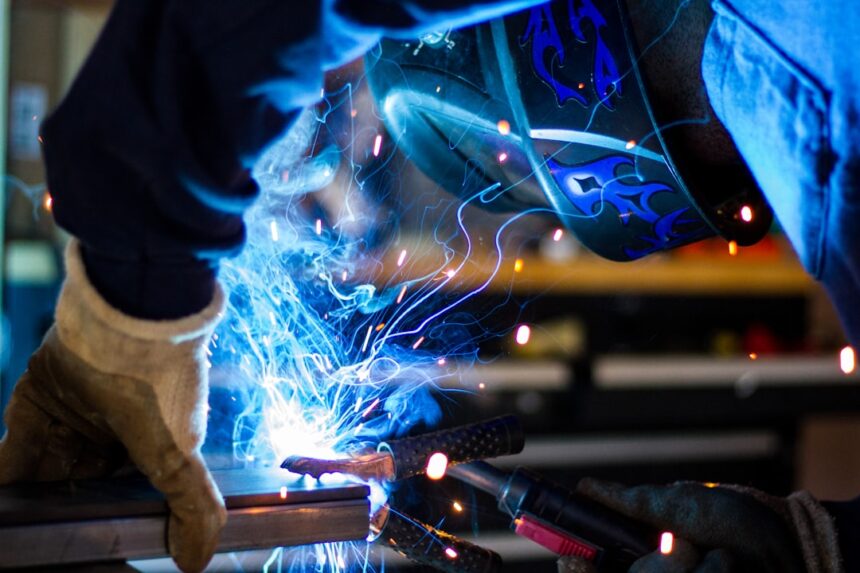
When it comes to engaging in messy tasks, whether at home or in a professional setting, prioritizing safety is paramount. You may often find yourself immersed in activities that involve hazardous materials, sharp tools, or potentially dangerous environments. By placing safety at the forefront of your actions, you not only protect yourself but also those around you.
A culture of safety fosters an environment where everyone can work confidently, knowing that precautions are in place to mitigate risks. Moreover, understanding the significance of safety can lead to increased productivity. When you feel secure in your surroundings, you are more likely to focus on the task at hand rather than worrying about potential accidents.
This peace of mind can enhance your efficiency and effectiveness, allowing you to complete messy tasks with greater ease and less stress. Ultimately, embracing a safety-first mindset is not just about compliance; it’s about cultivating a responsible approach to work and life.
Key Takeaways
- Prioritize safety to prevent accidents during messy tasks.
- Use appropriate tools, PPE, and preparation to handle risks effectively.
- Follow best practices for hazardous materials and waste disposal.
- Communicate clearly and coordinate with team members for safety.
- Ensure proper training and emergency response readiness.
Understanding the Risks of Messy Tasks
Engaging in messy tasks often comes with a unique set of risks that you must be aware of. These activities can involve exposure to harmful substances, sharp objects, or even heavy machinery. For instance, if you are working with chemicals, there is a risk of spills or splashes that could lead to skin irritation or respiratory issues.
Recognizing these hazards is the first step in ensuring your safety and the safety of others. Additionally, the physical environment plays a crucial role in the risks associated with messy tasks. Slippery surfaces, cluttered workspaces, and inadequate lighting can all contribute to accidents.
You should take the time to assess your surroundings before diving into any project. By identifying potential hazards and understanding the risks involved, you can take proactive measures to minimize them and create a safer working environment.
Tools and Equipment for Safe Handling

Having the right tools and equipment is essential for safely handling messy tasks. You should invest in high-quality tools that are designed for the specific job at hand. For example, if you are working with chemicals, using appropriate containers and mixing tools can prevent spills and ensure safe handling.
Additionally, ergonomic tools can help reduce strain on your body, making it easier to perform tasks without injury. Furthermore, maintaining your tools and equipment is equally important. Regular inspections and proper storage can prevent accidents caused by malfunctioning or damaged tools.
You should familiarize yourself with the proper use of each tool and ensure that you have access to any necessary safety features, such as guards or safety switches. By equipping yourself with the right tools and ensuring they are in good condition, you can significantly reduce the risks associated with messy tasks.
Proper Preparation for Messy Tasks
| Preparation Step | Description | Recommended Materials | Estimated Time | Effectiveness Rating (1-5) |
|---|---|---|---|---|
| Workspace Protection | Cover surfaces with plastic sheets or newspapers to prevent stains and damage. | Plastic sheets, newspapers, masking tape | 10 minutes | 5 |
| Personal Protective Gear | Wear gloves, aprons, and old clothes to protect skin and clothing. | Rubber gloves, aprons, old clothes | 5 minutes | 5 |
| Tool Preparation | Gather and organize all necessary tools and materials before starting. | Brushes, containers, cleaning cloths, tools specific to task | 15 minutes | 4 |
| Ventilation Setup | Ensure proper airflow to reduce inhalation of fumes or dust. | Open windows, fans, air purifiers | 5 minutes | 4 |
| Waste Disposal Plan | Prepare bins or bags for easy disposal of waste and used materials. | Trash bags, recycling bins | 5 minutes | 4 |
| Post-task Cleaning Supplies | Have cleaning agents and tools ready for quick cleanup after the task. | Soap, water, sponges, paper towels | 5 minutes | 5 |
Preparation is key when it comes to tackling messy tasks safely. Before you begin any project, take the time to plan out your approach. This includes gathering all necessary materials and tools, as well as reviewing any safety protocols that may apply.
By being well-prepared, you can minimize distractions and focus on executing the task efficiently. Additionally, consider creating a designated workspace for your messy tasks. This area should be organized and free from unnecessary clutter to reduce the risk of accidents.
You might also want to inform others in your vicinity about your plans so they can take precautions as well. Proper preparation not only enhances safety but also contributes to a smoother workflow, allowing you to complete your tasks more effectively.
Personal Protective Equipment (PPE) for Messy Tasks
Personal Protective Equipment (PPE) is an essential component of safety when engaging in messy tasks. Depending on the nature of the work, you may need various types of PPE, such as gloves, goggles, masks, or protective clothing. Wearing the appropriate gear can significantly reduce your risk of injury or exposure to harmful substances.
It’s important to select PPE that fits properly and is suitable for the specific task at hand. For instance, if you are working with chemicals, ensure that your gloves are resistant to those substances. Similarly, if you are dealing with sharp objects, protective eyewear can shield your eyes from potential injuries.
By prioritizing the use of PPE, you demonstrate a commitment to your own safety and well-being while performing messy tasks.
Best Practices for Handling Hazardous Materials
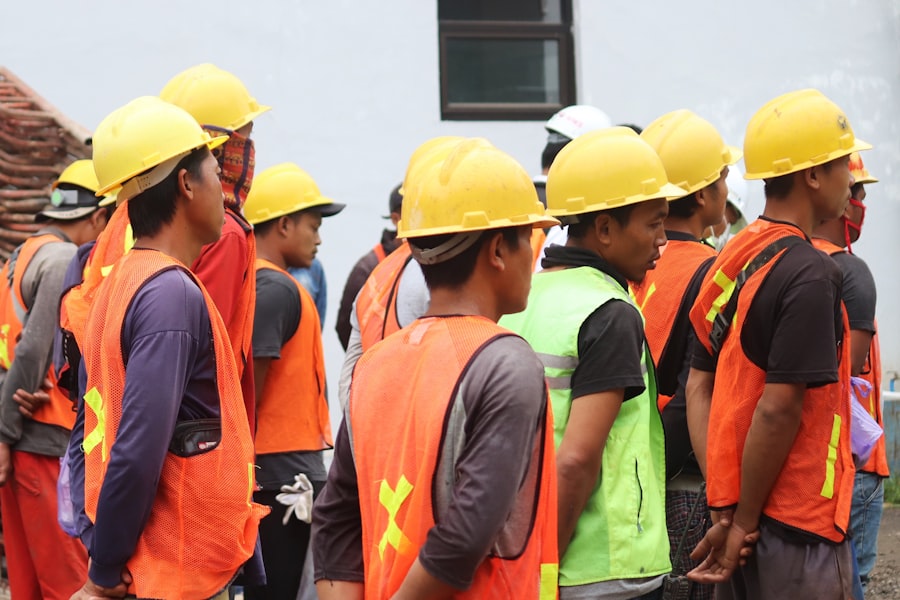
When handling hazardous materials, adhering to best practices is crucial for ensuring safety. First and foremost, familiarize yourself with the Material Safety Data Sheets (MSDS) for any substances you will be using. These documents provide vital information about the properties of the materials, including potential hazards and recommended safety measures.
In addition to understanding the materials themselves, you should also implement safe handling techniques. This may include using proper lifting techniques when moving heavy containers or ensuring adequate ventilation when working with volatile substances. Always follow established protocols for mixing or applying hazardous materials to minimize risks.
Safe Disposal of Waste and Debris
Proper disposal of waste and debris is an often-overlooked aspect of safety when engaging in messy tasks. You should always be aware of local regulations regarding waste disposal, especially when dealing with hazardous materials. Many substances require special handling and disposal methods to prevent environmental contamination or health risks.
Establishing a waste management plan before starting your project can help streamline this process. Designate specific containers for different types of waste and ensure they are clearly labeled. This not only helps in maintaining an organized workspace but also ensures that waste is disposed of correctly and safely.
By taking responsibility for waste disposal, you contribute to a safer environment for yourself and others.
Communicating and Coordinating with Others
Effective communication is vital when working on messy tasks, especially if you are part of a team or working in a shared space. Before starting any project, take the time to discuss your plans with others who may be affected by your work. This includes informing them about potential hazards and any precautions they should take.
Coordination is equally important in ensuring safety during messy tasks. If multiple people are involved in a project, establish clear roles and responsibilities to avoid confusion or accidents. Regular check-ins can help keep everyone informed about progress and any changes in plans or conditions.
By fostering open communication and coordination among team members, you create a safer working environment where everyone feels empowered to prioritize safety.
Safety Measures for Working at Heights
Working at heights presents unique challenges and risks that require specific safety measures. If your messy task involves climbing ladders or working on scaffolding, it’s essential to follow established safety protocols to prevent falls or injuries. Always inspect ladders and scaffolding before use to ensure they are stable and secure.
Additionally, consider using fall protection equipment such as harnesses or guardrails when working at elevated levels. These measures can provide an extra layer of security and significantly reduce the risk of accidents. You should also be aware of your surroundings and avoid distractions while working at heights.
By implementing these safety measures, you can confidently tackle tasks that require working above ground level.
Emergency Response and First Aid for Messy Tasks
Despite your best efforts to prioritize safety, accidents can still happen during messy tasks. Being prepared for emergencies is crucial for minimizing injuries and ensuring a swift response when incidents occur. Familiarize yourself with emergency procedures specific to your work environment, including evacuation routes and emergency contact numbers.
Having a well-stocked first aid kit readily available is also essential. Ensure that you know how to use the items within the kit effectively and consider taking a first aid training course if you haven’t already done so. In case of an accident, being able to provide immediate assistance can make a significant difference in outcomes.
By preparing for emergencies and knowing how to respond effectively, you enhance safety for yourself and those around you.
Training and Education for Safe Handling of Messy Tasks
Ongoing training and education are vital components of maintaining a safe working environment when engaging in messy tasks. You should seek out opportunities for training related to specific materials or equipment you will be using. Many organizations offer workshops or courses focused on safe handling practices that can enhance your knowledge and skills.
Additionally, staying informed about industry standards and regulations is crucial for ensuring compliance with safety protocols. Regularly reviewing safety procedures with your team can reinforce best practices and keep everyone aware of potential hazards. By committing to continuous learning and education regarding safe handling practices, you contribute to a culture of safety that benefits everyone involved in messy tasks.
In conclusion, prioritizing safety when engaging in messy tasks is essential for protecting yourself and others from potential hazards. By understanding risks, utilizing proper tools and equipment, preparing adequately, wearing appropriate PPE, following best practices for hazardous materials handling, ensuring safe waste disposal, communicating effectively with others, implementing safety measures for working at heights, preparing for emergencies, and committing to ongoing training and education, you create a safer environment that allows for efficient task completion without compromising well-being.
When starting a messy project, it’s essential to prioritize safety to ensure a smooth and enjoyable experience. For tips on how to effectively manage safety while diving into your creative endeavors, check out this informative article on safety measures: How to Use Safety to Start Messy Projects. This resource provides valuable insights that can help you navigate the challenges of messy activities while keeping safety at the forefront.
WATCH THIS! The Laziness LIE That Kills Your Productivity (The Science of Self-Sabotage)
FAQs
What is the importance of safety when starting a messy project?
Safety is crucial when starting a messy project to prevent accidents, injuries, and damage to property. Proper safety measures help ensure a controlled environment where risks are minimized.
What basic safety equipment should I use for messy activities?
Basic safety equipment includes gloves, safety goggles, aprons or protective clothing, and sometimes masks or respirators, depending on the materials involved.
How can I prepare my workspace for a messy project safely?
Prepare your workspace by clearing unnecessary items, covering surfaces with protective materials like plastic sheets or newspapers, ensuring good ventilation, and having easy access to cleaning supplies and first aid.
Are there specific safety tips for handling hazardous materials in messy projects?
Yes, always read and follow the safety instructions on labels, use materials in well-ventilated areas, wear appropriate protective gear, and store hazardous materials safely away from children and pets.
How do I safely clean up after a messy project?
Use appropriate cleaning agents, dispose of waste according to local regulations, wash hands thoroughly, and clean or dispose of protective gear properly to avoid contamination.
Can safety measures help improve the overall outcome of a messy project?
Yes, maintaining safety helps prevent accidents that could disrupt the project, ensures materials are handled correctly, and creates a more organized environment conducive to better results.
Is it necessary to supervise children during messy activities for safety?
Absolutely. Children should always be supervised during messy activities to ensure they follow safety rules and avoid exposure to harmful substances or unsafe tools.
What should I do if an accident occurs during a messy project?
Immediately stop the activity, assess the injury, provide first aid if necessary, seek medical help for serious injuries, and review safety procedures to prevent future incidents.