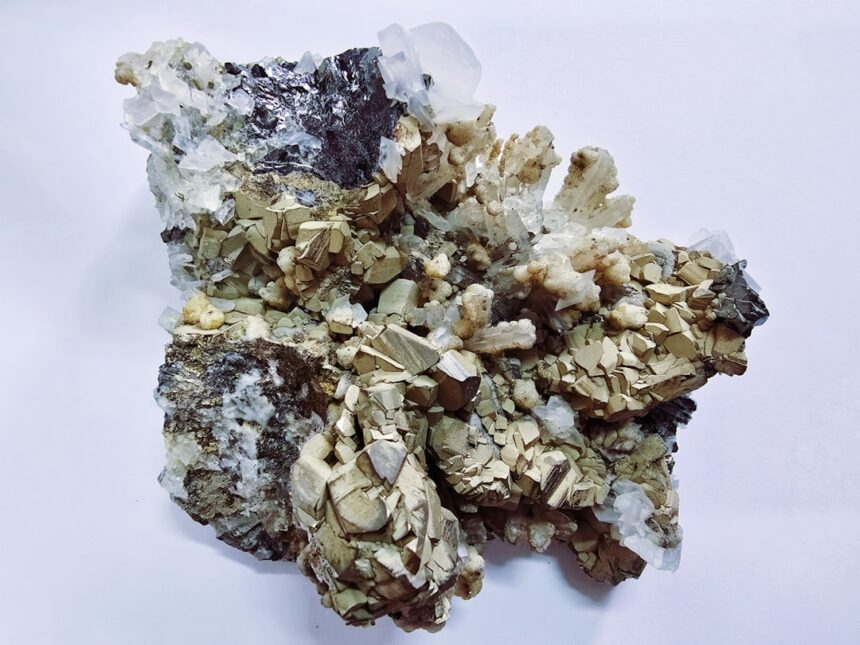
The transition to electric vehicles (EVs) is driven by a complex interplay of environmental imperatives, technological advancements, and evolving consumer preferences. At the heart of this shift lies the lithium-ion battery, the energy workhorse powering this new automotive era. However, the production of these batteries, and consequently the widespread adoption of EVs, is intricately tied to the availability and responsible sourcing of a specific set of elements: critical minerals. Your journey towards understanding and potentially influencing the future of EVs must confront this fundamental reality.
The demand for electric vehicles is multiplying, and with it, the demand for the components that make them function. The battery, in particular, is a critical bottleneck. Its very existence and performance rely on a suite of minerals that are not ubiquitous. Securing these resources is not a matter of convenience; it is an essential prerequisite for achieving decarbonization goals, enhancing energy independence, and fostering economic competitiveness.
The Anatomy of an EV Battery: A Mineral Inventory
A typical lithium-ion battery is more than just lithium. It’s a sophisticated electrochemical system that requires a precise blend of different materials to function effectively.
Lithium: The Electro-Chemical Spark
Lithium, the namesake of the battery, is crucial for its ability to store and release energy. Its light atomic weight and high electrochemical potential make it an ideal candidate for this role. However, significant quantities of lithium are required for each battery pack, and its extraction is concentrated in a few geographic regions, raising concerns about supply chain resilience.
Cobalt: The Performance Enhancer
Cobalt plays a critical role in stabilizing the cathode of a lithium-ion battery, allowing for higher energy density and longer cycle life. This translates to greater range and durability for your EV. The ethical and environmental implications of cobalt mining, particularly in certain regions, are significant and demand careful consideration.
Nickel: The Energy Density Driver
Nickel is another key component in many advanced battery chemistries, contributing to higher energy density. This means more power packed into the same volume, leading to extended EV range. The availability and pricing of nickel can significantly influence battery production costs.
Manganese: The Cost-Effective Stabilizer
Manganese is often incorporated into battery cathodes to improve thermal stability and reduce reliance on more expensive elements like cobalt. It offers a pathway to more affordable battery designs, a crucial factor for mass EV adoption.
Graphite: The Conductive Backbone
Graphite is primarily used in the anode of the battery, facilitating the flow of electrons and thus, electrical conductivity. The demand for high-purity graphite is rapidly increasing with EV battery production.
Other Essential Elements: Copper and Aluminum
Beyond the core cathode and anode materials, copper and aluminum are indispensable as current collectors within the battery structure. They ensure efficient electrical pathways throughout the battery pack.
In recent discussions surrounding the supply chain for electric vehicle batteries, the importance of critical minerals has come to the forefront. A related article that delves into this topic is available at Productive Patty, where it explores the challenges and opportunities associated with sourcing these essential materials. As the demand for electric vehicles continues to rise, understanding the dynamics of critical minerals becomes crucial for ensuring a sustainable and efficient supply chain.
The Geopolitical Landscape of Critical Mineral Supply
The concentration of critical mineral reserves and processing capabilities in a limited number of countries presents a complex geopolitical challenge. This concentration introduces vulnerabilities into the EV supply chain, impacting national security and economic stability.
Concentrated Reserves: A Geographic Reality
The earth’s crust has not distributed these essential minerals evenly. Certain regions possess significant natural endowments of lithium, cobalt, nickel, and other vital battery components. This geographic reality has profound implications for global supply chains.
Lithium Brines: South America’s Dominance
The “Lithium Triangle” – encompassing Argentina, Bolivia, and Chile – holds a substantial portion of the world’s known lithium reserves, primarily extracted from brine pools. This reliance on a single region for a critical mineral raises questions about diversification and pricing stability.
Hard Rock Lithium: Australia and Beyond
Australia is a major producer of lithium from hard rock deposits, complementing the brine-based extraction elsewhere. This geographical diversity within lithium production offers some degree of resilience but still highlights regional concentrations.
Cobalt: The Democratic Republic of Congo’s Central Role
The Democratic Republic of Congo (DRC) is overwhelmingly the world’s largest producer of cobalt. The country’s political and social landscape, coupled with historical issues surrounding artisanal mining, makes cobalt sourcing a particularly sensitive topic.
Nickel: Indonesia and the Philippines’ Growing Influence
Indonesia has emerged as a significant player in nickel production, particularly through its involvement in laterite nickel processing. The Philippines also possesses substantial nickel reserves.
Processing and Refining: The Added Layer of Complexity
The extraction of raw minerals is only the first step. These materials must then be processed and refined to the purity levels required for battery manufacturing. This refining stage is often even more geographically concentrated than the extraction of the raw ore.
China’s Dominance in Refining
China currently holds a dominant position in the global processing and refining of many critical minerals essential for EV batteries. This concentration of downstream processing capabilities gives China significant influence over the global supply chain.
The Need for Diversification in Refining
Reducing reliance on a single nation for critical processing stages is paramount for enhancing supply chain security. Investments in refining capacity outside of current dominant players are crucial for global resilience.
Strategies for Securing Critical Minerals
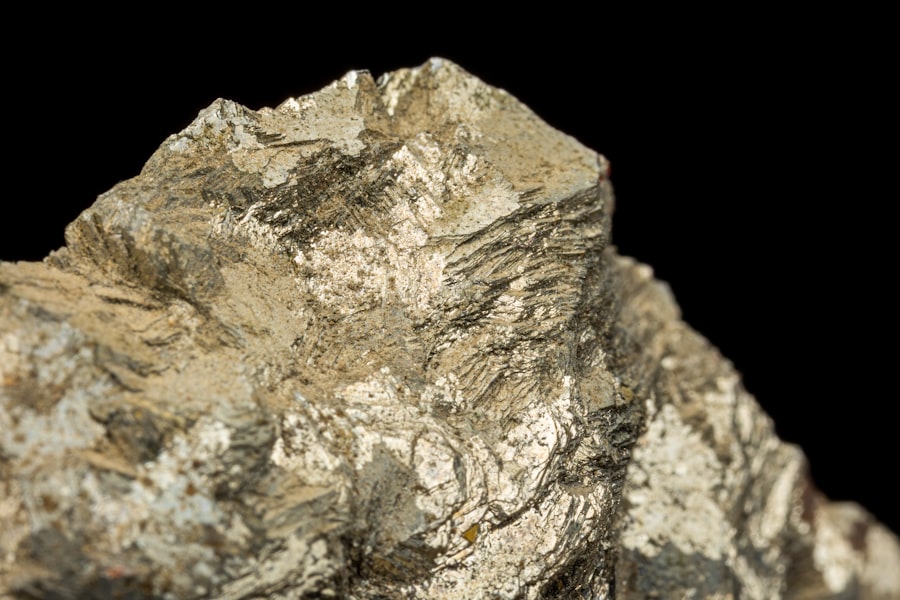
Addressing the challenges associated with critical mineral supply requires a multi-pronged approach, encompassing technological innovation, policy development, and strategic international cooperation.
Investing in Exploration and Extraction Technologies
Improving the efficiency and environmental profile of mineral extraction is a key area for development. This includes exploring new geological formations and refining existing extraction techniques.
Enhancing Discoveries: Advanced Geophysical Techniques
New technologies in remote sensing and seismic imaging are improving the ability to identify potential mineral deposits, reducing the cost and time associated with exploration.
Sustainable Extraction Methods: Minimizing Environmental Impact
Research into methods like in-situ recovery for lithium and improved tailings management for hard rock mining aims to reduce the environmental footprint of extraction processes.
Promoting Battery Recycling and the Circular Economy
The concept of a circular economy, where materials are reused and recycled, offers a vital pathway to reduce reliance on virgin mineral extraction.
The Potential of Battery Recycling
As the first wave of EVs reaches the end of their lifespans, the vast quantities of valuable materials within their batteries represent a significant secondary resource. Effective recycling processes can recover lithium, cobalt, nickel, and other critical elements.
Challenges in Recycling Infrastructure
Developing the necessary infrastructure and technologies for efficient and cost-effective battery recycling is a significant undertaking. Ensuring high recovery rates and minimizing hazardous waste are key priorities.
Designing for Recyclability
A proactive approach involves designing batteries with recycling in mind, making disassembly and material recovery more straightforward.
Fostering International Collaboration and Partnerships
No single nation can solve the critical mineral challenge alone. Strategic partnerships and collaborative efforts are essential for building resilient and responsible supply chains.
Establishing Secure Trade Routes
Diversifying supply sources and ensuring the free and open flow of critical minerals through secure trade routes is vital. This involves building trust and long-term agreements with a range of producing nations.
Promoting Responsible Sourcing Standards
Collaborating on and enforcing high environmental, social, and governance (ESG) standards for mineral extraction and processing is crucial to ensure ethical and sustainable practices. This helps to address concerns about human rights and environmental degradation.
The Role of Policy and Regulation
Government policies and regulatory frameworks play a pivotal role in shaping the landscape of critical mineral acquisition, processing, and utilization for the EV sector.
Incentivizing Domestic Production and Processing
Governments can enact policies to encourage the development of domestic mineral resources and processing capabilities, thereby reducing reliance on foreign sources.
Tax Credits and Subsidies
Financial incentives can make investments in exploration, extraction, and refining more attractive. This could include tax credits for capital expenditures or subsidies for research and development in critical mineral technologies.
Streamlining Permitting Processes
Bureaucratic hurdles can significantly delay or deter investment in new mining and processing facilities. Governments can work to streamline permitting processes while still maintaining robust environmental and safety standards.
Investing in Research and Development
Public investment in research and development is crucial for unlocking new extraction techniques, improving battery chemistries, and enhancing recycling technologies.
Advanced Battery Materials Research
Funding research into alternative battery materials that rely less on scarce or ethically challenging minerals is a long-term strategy.
Developing Novel Extraction Methods
Supporting R&D into innovative and more sustainable methods for extracting critical minerals from unconventional sources, such as mine tailings or even seawater, could broaden supply options.
Implementing International Agreements and Standards
Collaborative efforts at the international level are necessary to establish global norms and agreements that ensure fair access, responsible sourcing, and equitable distribution of critical minerals.
Establishing Free Trade Agreements Focused on Critical Minerals
Negotiating trade agreements that prioritize the smooth and predictable flow of essential minerals can build confidence and encourage investment. These agreements can also include provisions for dispute resolution and supply chain transparency.
Developing Global Standards for Ethical and Sustainable Mining
Working through international bodies to develop and enforce robust standards for environmental protection, labor rights, and community engagement in the mining sector is essential for building trust and legitimacy.
The growing demand for electric vehicles has intensified the focus on critical minerals essential for battery production, highlighting the importance of a stable supply chain. As manufacturers seek to secure these resources, understanding the geopolitical and economic factors at play becomes crucial. For a deeper dive into the implications of this trend, you can explore a related article that discusses the challenges and opportunities within the critical minerals sector. This insightful piece can be found here.
Innovation in Battery Technology: A Future-Proofing Approach
| Critical Mineral | Key Metrics |
|---|---|
| Lithium | Global reserves, production, demand |
| Cobalt | Supply sources, price trends, ethical concerns |
| Nickel | Usage in battery chemistries, market dynamics |
| Graphite | Quality, flake size, processing methods |
| Manganese | Role in battery chemistry, production locations |
While securing current critical mineral supplies is vital, innovation in battery technology offers a pathway to reduce future demand for certain elements and improve the overall sustainability of the EV ecosystem.
Developing Low-Cobalt and Cobalt-Free Cathodes
Cobalt’s high cost and ethical concerns have spurred significant research into alternative cathode chemistries.
Nickel-Manganese-Oxide (NMO) and Lithium-Iron-Phosphate (LFP) Batteries
NMO and LFP batteries are examples of chemistries that significantly reduce or eliminate the need for cobalt, offering cost advantages and improved safety profiles. Your choice of EV may already reflect these advancements.
Solid-State Batteries: The Next Frontier
Solid-state batteries, which replace liquid electrolytes with solid ones, hold the promise of higher energy density, faster charging, and improved safety. Crucially, many solid-state battery designs may also require less reliance on traditional critical minerals.
Enhancing Battery Durability and Lifespan
Extending the operational life of EV batteries means fewer batteries need to be produced and replaced over time, thereby reducing the overall demand for raw materials.
Advanced Battery Management Systems (BMS)
Sophisticated BMS can optimize charging and discharging cycles, minimizing stress on battery components and prolonging their lifespan.
Novel Electrode Materials
Research into new electrode materials that are more resistant to degradation can contribute to longer-lasting batteries.
Exploring Alternative Battery Chemistries
Beyond lithium-ion, researchers are exploring other battery technologies that might offer different resource requirements.
Sodium-Ion Batteries
Sodium-ion batteries utilize abundant and low-cost sodium, offering a potential alternative to lithium-ion technology, particularly for grid-scale energy storage and potentially some EV applications.
Emerging Battery Technologies
The landscape of battery development is constantly evolving, with ongoing research into technologies like zinc-air batteries and flow batteries that could ultimately redefine the critical mineral landscape for energy storage.
Your engagement with the EV transition necessitates an understanding of these complex mineral supply chains. By championing responsible sourcing, supporting technological innovation, and advocating for sound policy, you can contribute to a more secure and sustainable future for electric mobility.
FAQs
What are critical minerals for electric vehicle batteries?
Critical minerals for electric vehicle batteries are essential elements used in the production of lithium-ion batteries, which are the primary power source for electric vehicles. These minerals include lithium, cobalt, nickel, and graphite, among others.
Why are critical minerals important for the electric vehicle batteries supply chain?
Critical minerals are crucial for the electric vehicle batteries supply chain because they are key components in the production of lithium-ion batteries. Without these minerals, the manufacturing of electric vehicle batteries would be significantly hindered, impacting the growth and sustainability of the electric vehicle industry.
Where are critical minerals for electric vehicle batteries sourced from?
Critical minerals for electric vehicle batteries are sourced from various locations around the world. For example, lithium is primarily sourced from countries such as Australia, Chile, and Argentina, while cobalt is often mined in the Democratic Republic of the Congo. Nickel is sourced from countries like Indonesia, the Philippines, and Russia, and graphite is mined in countries including China, Brazil, and India.
What are the challenges in the supply chain of critical minerals for electric vehicle batteries?
Challenges in the supply chain of critical minerals for electric vehicle batteries include geopolitical issues, environmental concerns related to mining and processing, supply chain disruptions, and the potential for resource depletion. Additionally, there are concerns about the ethical sourcing of minerals, particularly in the case of cobalt, due to issues such as child labor in some mining operations.
What efforts are being made to address the supply chain issues of critical minerals for electric vehicle batteries?
Efforts to address the supply chain issues of critical minerals for electric vehicle batteries include diversifying sourcing locations, investing in recycling technologies to recover and reuse these minerals, and promoting responsible mining practices. Additionally, there are initiatives to develop alternative battery technologies that rely less on these critical minerals, as well as efforts to improve transparency and traceability in the mineral supply chain.