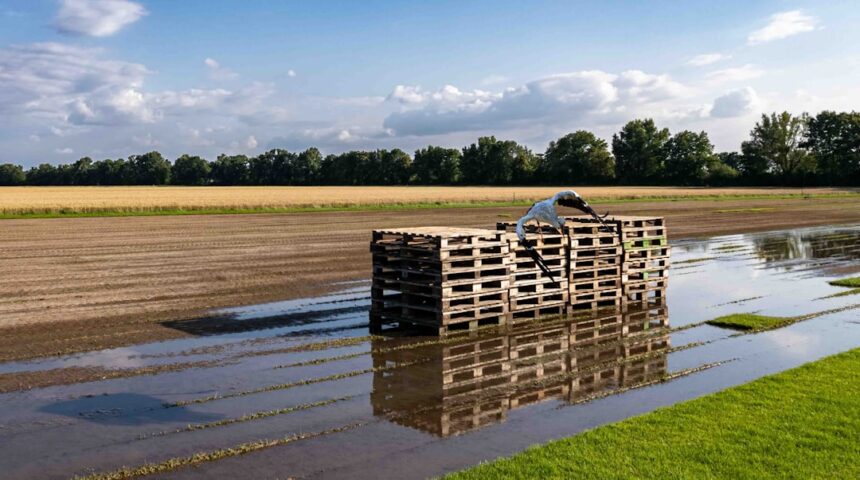
Flooding represents one of the most widespread natural hazards globally, affecting millions of people annually and causing billions of dollars in damages. Flood events occur when water temporarily covers land that is normally dry, and can be triggered by multiple meteorological and hydrological factors. Heavy precipitation events, particularly those exceeding the soil’s infiltration capacity or overwhelming drainage systems, constitute the primary cause of flooding.
Rapid snowmelt during spring months or warm weather events can similarly generate excessive water volumes that exceed natural and artificial drainage capabilities. Coastal flooding results from storm surges associated with tropical cyclones, nor’easters, and other severe weather systems that push ocean water inland. Dam failures, ice jams, and levee breaches represent additional flood triggers that can occur with minimal warning.
Scientific data indicates that climate change is intensifying the hydrological cycle, leading to more frequent extreme precipitation events and higher flood risks in many regions. The economic impacts of flooding extend significantly beyond immediate property damage. Direct costs include structural damage to buildings, loss of personal property, and infrastructure destruction.
Indirect economic effects encompass business interruptions, reduced property values, increased insurance costs, and temporary displacement expenses.
Critical infrastructure systems frequently experience prolonged disruptions following flood events.
Water treatment facilities may become contaminated or inoperable, electrical systems can fail due to water damage, and transportation networks often remain impassable for extended periods. These service interruptions compound recovery challenges and can persist for weeks or months after floodwaters recede, particularly in areas with aging infrastructure or limited redundancy in essential systems.
Key Takeaways
- Flood board installation grants help homeowners protect their properties from flood damage.
- Eligibility criteria must be met to qualify for these grants, often including location and property type.
- Professional installation ensures flood boards are correctly fitted and effective.
- Regular maintenance and inspection of flood boards are crucial for ongoing protection.
- Combining flood boards with other protective measures and insurance enhances overall home flood safety.
The Importance of Securing Your Home
Securing a home against flooding is not merely a precaution; it is a vital investment in the safety and well-being of its occupants. Floodwaters can infiltrate homes quickly, causing extensive damage to both the structure and its contents. By taking steps to fortify their homes, homeowners can significantly reduce the risk of water damage and the associated financial burden.
This proactive approach not only protects physical assets but also provides peace of mind during storm seasons when the threat of flooding looms large. In addition to physical security measures, securing a home against floods fosters a sense of community resilience. When homeowners take responsibility for their properties, they contribute to the overall safety and preparedness of their neighborhoods.
This collective effort can lead to improved emergency response strategies and a stronger support network during times of crisis. Ultimately, investing in flood protection is an essential aspect of responsible homeownership that benefits both individuals and the wider community.
Introducing Flood Board Installation Grants
In recognition of the growing need for effective flood protection measures, various government programs have emerged to assist homeowners in securing their properties. One such initiative is the introduction of flood board installation grants. These grants are designed to provide financial assistance to homeowners looking to install flood boards—temporary barriers that can be deployed to prevent water from entering homes during flooding events.
By alleviating some of the financial burdens associated with flood protection measures, these grants encourage more homeowners to take action. Flood board installation grants not only help individuals protect their homes but also contribute to broader community resilience efforts. When more homes are equipped with effective flood barriers, the overall impact of flooding on neighborhoods can be significantly reduced.
This collective investment in flood protection can lead to fewer emergency declarations and a quicker recovery process following a disaster. As awareness of these grants grows, more homeowners are likely to take advantage of this opportunity to enhance their flood preparedness.
Eligibility for Flood Board Installation Grants
Eligibility criteria for flood board installation grants can vary depending on the specific program and location. Generally, these grants are aimed at homeowners who reside in areas identified as high-risk for flooding. To qualify, applicants may need to demonstrate that they have experienced previous flooding events or that their property is situated in a designated flood zone.
Additionally, some programs may prioritize assistance for low-income households or those with limited resources to invest in flood protection measures. Homeowners interested in applying for these grants should carefully review the eligibility requirements outlined by their local government or relevant agencies. Understanding these criteria is crucial for ensuring that applications are submitted correctly and that potential funding opportunities are not overlooked.
By meeting the necessary qualifications, homeowners can take significant steps toward securing financial assistance for flood board installation.
How to Apply for Flood Board Installation Grants
| Grant Program | Eligibility Criteria | Maximum Grant Amount | Application Deadline | Purpose | Contact Information |
|---|---|---|---|---|---|
| Community Flood Board Installation Grant | Homeowners in flood-prone areas | 5,000 | December 31, 2024 | To assist with purchasing and installing flood boards | floodgrants@community.gov |
| Residential Flood Protection Grant | Residents within designated flood zones | 3,500 | March 15, 2025 | Installation of temporary flood barriers including flood boards | info@residentialflood.gov |
| Emergency Flood Mitigation Grant | Low-income households in flood risk areas | 4,000 | Ongoing until funds exhausted | Emergency installation of flood boards and related equipment | emergency@floodmitigation.org |
The application process for flood board installation grants typically involves several key steps that homeowners must follow to ensure their requests are considered. First, individuals should gather all necessary documentation, which may include proof of residence, evidence of previous flooding incidents, and any relevant financial information. This documentation will help establish eligibility and demonstrate the need for assistance.
Once the required materials are compiled, homeowners can submit their applications through designated channels, which may include online portals or in-person submissions at local government offices. It is essential for applicants to pay close attention to deadlines and specific submission guidelines to avoid any delays or complications in processing their requests. Following up on submitted applications can also be beneficial, as it allows homeowners to stay informed about the status of their requests and address any potential issues promptly.
Choosing the Right Flood Boards for Your Home
Selecting the appropriate flood boards for a home is a critical step in ensuring effective flood protection. Various types of flood boards are available on the market, each designed to meet different needs and specifications. Homeowners should consider factors such as the size of their property, the typical severity of flooding in their area, and their budget when making this decision.
Some flood boards are designed for temporary use and can be easily deployed during emergencies, while others may offer more permanent solutions. Additionally, homeowners should evaluate the materials used in constructing flood boards. Options range from lightweight plastic barriers to more robust aluminum or steel designs that provide enhanced durability and resistance against strong currents.
Consulting with professionals or local experts can also provide valuable insights into which products are best suited for specific properties and conditions. By making informed choices about flood boards, homeowners can maximize their protection against potential flooding events.
Hiring a Professional for Flood Board Installation
While some homeowners may choose to install flood boards themselves, hiring a professional can ensure that the installation is done correctly and effectively. Professionals bring expertise and experience that can be invaluable in assessing a property’s unique needs and determining the best approach for installation. They can also provide guidance on local regulations and best practices for flood protection.
Moreover, professional installation can save homeowners time and effort while minimizing the risk of errors that could compromise the effectiveness of the flood boards. A qualified contractor will have access to specialized tools and equipment that may not be readily available to the average homeowner. Ultimately, investing in professional installation can enhance the overall reliability of flood protection measures and provide additional peace of mind.
Maintaining and Inspecting Your Flood Boards
Once flood boards are installed, regular maintenance and inspection are essential to ensure they remain effective over time. Homeowners should establish a routine schedule for checking their flood boards for any signs of wear or damage, particularly after severe weather events or periods of heavy rainfall. This proactive approach allows individuals to address any issues promptly before they compromise the integrity of the flood protection system.
In addition to physical inspections, homeowners should also familiarize themselves with proper storage techniques for temporary flood boards when they are not in use. Ensuring that these barriers are stored in a dry, accessible location will facilitate quick deployment during emergencies. By prioritizing maintenance and inspection, homeowners can maximize the longevity and effectiveness of their flood boards.
Understanding Insurance and Flood Board Installation
Navigating insurance coverage related to flooding can be complex, particularly when it comes to understanding how flood board installation may impact policies. Homeowners should review their insurance policies carefully to determine what types of coverage are available for flood damage and whether installing flood boards could influence premiums or claims processes. Some insurance providers may offer discounts or incentives for homeowners who take proactive measures to protect their properties against flooding.
Additionally, it is advisable for homeowners to communicate with their insurance agents about any changes made to their properties regarding flood protection measures. Keeping insurers informed ensures that coverage remains adequate and up-to-date while also providing an opportunity to discuss potential adjustments based on new installations or improvements made over time.
Additional Measures for Home Flood Protection
While installing flood boards is an effective strategy for protecting homes from flooding, it should be part of a comprehensive approach that includes additional measures as well. Homeowners may consider implementing landscaping solutions such as grading yards away from foundations or planting vegetation that can absorb excess water. Installing sump pumps or drainage systems can also help manage water flow around properties during heavy rains.
Furthermore, creating an emergency plan that includes evacuation routes and communication strategies is essential for ensuring family safety during flooding events. Educating all household members about these plans will foster preparedness and confidence when faced with potential emergencies. By combining multiple strategies for flood protection, homeowners can create a robust defense against rising waters.
The Future of Home Flood Protection: Innovations and Technologies
As climate change continues to pose challenges related to flooding, innovations in home flood protection technologies are emerging at an accelerated pace. Researchers and engineers are developing advanced materials that offer enhanced durability while remaining lightweight and easy to deploy. Smart technologies are also being integrated into flood protection systems, allowing homeowners to receive real-time alerts about rising water levels or impending storms.
Additionally, community-based solutions such as green infrastructure—incorporating natural elements like rain gardens or permeable pavements—are gaining traction as effective ways to manage stormwater runoff and reduce flooding risks at a larger scale. As these innovations continue to evolve, they hold promise for transforming how homeowners approach flood protection in an increasingly unpredictable climate landscape. In conclusion, understanding the risks associated with floods is crucial for homeowners seeking to protect their properties effectively.
By securing homes through various measures—including utilizing flood board installation grants—individuals can enhance their resilience against flooding events while contributing positively to community safety efforts. As technology advances and awareness grows, the future of home flood protection looks promising, offering new opportunities for safeguarding lives and properties alike.
If you’re considering flood board installation grants, you might find valuable insights in our related article on the benefits of flood prevention measures.
For more information, check out the article [here](https://www.productivepatty.com/sample-page/).
FAQs
What are flood board installation grants?
Flood board installation grants are financial assistance programs designed to help homeowners and businesses cover the costs of purchasing and installing flood boards. These boards are temporary barriers used to protect properties from floodwaters.
Who is eligible to apply for flood board installation grants?
Eligibility criteria vary by program but typically include property owners in flood-prone areas, residents of designated flood zones, or communities affected by recent flooding events. Some grants may prioritize low-income households or small businesses.
What types of properties qualify for these grants?
Both residential and commercial properties located in flood risk zones may qualify. Some programs may have specific requirements regarding property type, location, or flood history.
How can I apply for a flood board installation grant?
Applications are usually submitted through local government agencies, flood control districts, or environmental organizations. Applicants may need to provide property details, proof of flood risk, and cost estimates for flood board installation.
Are there any restrictions on how the grant money can be used?
Yes, grant funds are generally restricted to costs directly related to the purchase and installation of flood boards. Using the funds for unrelated home improvements or repairs is typically not allowed.
Is there a deadline to apply for flood board installation grants?
Deadlines vary depending on the grant program. Some grants are available year-round, while others may have specific application periods, especially following flood events.
Do flood board installation grants cover maintenance or removal costs?
Most grants focus on initial purchase and installation costs. Maintenance and removal expenses are usually the responsibility of the property owner unless otherwise specified by the grant program.
Can flood board installation grants be combined with other flood mitigation funding?
In some cases, yes. Property owners may be able to combine flood board grants with other federal, state, or local flood mitigation programs to maximize financial assistance.
Where can I find more information about available flood board installation grants?
Information can be obtained from local government offices, emergency management agencies, flood control districts, or official websites of state and federal flood mitigation programs.