
In today’s fast-paced world, productivity has become a buzzword that resonates with many. You may find yourself constantly seeking ways to enhance your efficiency, whether at work, in your studies, or in your personal life. Productivity is not merely about getting more done; it’s about achieving meaningful results in a way that aligns with your goals and values.
Understanding the essence of productivity can empower you to take control of your time and resources, leading to a more fulfilling and balanced life. As you embark on your journey to boost productivity, it’s essential to recognize that it is a multifaceted concept. It encompasses various strategies, techniques, and mindsets that can help you work smarter rather than harder.
By focusing on what truly matters and implementing effective practices, you can transform your approach to tasks and responsibilities. This article will guide you through essential steps to enhance your productivity, providing you with practical tools and insights to make the most of your time.
Key Takeaways
- Clear goals and priorities are essential for effective productivity.
- Daily schedules help organize tasks and manage time efficiently.
- Minimizing distractions and using time management techniques boost focus.
- Regular breaks and healthy habits improve overall work performance.
- Tracking progress and seeking accountability support continuous improvement.
Setting Clear Goals and Priorities
To kickstart your productivity journey, the first step is to set clear goals and priorities. You need to define what success looks like for you, both in the short term and long term. By establishing specific, measurable, achievable, relevant, and time-bound (SMART) goals, you create a roadmap that guides your actions.
This clarity allows you to focus on what truly matters, ensuring that your efforts align with your aspirations. Once you have your goals in place, it’s crucial to prioritize them effectively. You might find it helpful to categorize tasks based on urgency and importance.
The Eisenhower Matrix is a useful tool for this purpose, helping you distinguish between what needs immediate attention and what can be scheduled for later. By prioritizing tasks, you can allocate your time and energy more efficiently, ensuring that you tackle high-impact activities first.
Creating a Daily Schedule

With clear goals and priorities established, the next step is to create a daily schedule that reflects your objectives. A well-structured schedule serves as a blueprint for your day, allowing you to allocate time for each task while maintaining a sense of balance. You may want to start by identifying your peak productivity hours—those times when you feel most focused and energized.
By scheduling demanding tasks during these periods, you can maximize your output. In addition to task allocation, consider incorporating time blocks into your schedule. This technique involves dedicating specific chunks of time to particular activities, minimizing the temptation to multitask.
For instance, you might set aside an hour in the morning for deep work on a project, followed by a 30-minute break before tackling emails or meetings. By adhering to this structured approach, you can cultivate a sense of discipline and ensure that each task receives the attention it deserves.
Eliminating Distractions
Distractions are one of the most significant barriers to productivity. In an age of constant notifications and information overload, it’s easy to lose focus on the task at hand. To enhance your productivity, it’s essential to identify and eliminate these distractions.
Start by assessing your environment—are there specific triggers that pull you away from your work? Whether it’s social media notifications or background noise, recognizing these distractions is the first step toward mitigating their impact. Once you’ve identified potential distractions, take proactive measures to minimize them.
You might consider creating a dedicated workspace that is free from interruptions or using apps that block distracting websites during work hours. Additionally, setting boundaries with colleagues or family members can help create an environment conducive to concentration. By taking control of your surroundings, you empower yourself to stay focused and engaged in your tasks.
Implementing Time Management Techniques
| Day | Focus Area | Key Activity | Time Commitment | Expected Outcome |
|---|---|---|---|---|
| Day 1 | Goal Setting | Define 3 main goals for the week | 30 minutes | Clear direction and priorities |
| Day 2 | Time Management | Create a daily schedule with time blocks | 45 minutes | Improved focus and reduced distractions |
| Day 3 | Task Prioritization | Use the Eisenhower matrix to sort tasks | 30 minutes | Better task organization and urgency awareness |
| Day 4 | Eliminating Distractions | Identify and minimize common distractions | 20 minutes | Increased concentration during work periods |
| Day 5 | Energy Management | Incorporate short breaks and physical activity | 30 minutes | Higher energy levels and sustained productivity |
| Day 6 | Review & Adjust | Assess progress and adjust goals/schedule | 30 minutes | Continuous improvement and adaptability |
| Day 7 | Reflection & Planning | Reflect on week’s achievements and plan next steps | 30 minutes | Motivation and clear plan for ongoing productivity |
Effective time management techniques can significantly enhance your productivity levels. One popular method is the Pomodoro Technique, which involves working in focused bursts followed by short breaks. For instance, you might work for 25 minutes and then take a 5-minute break.
This approach not only helps maintain concentration but also prevents burnout by allowing regular intervals for rest and rejuvenation. Another valuable technique is the Two-Minute Rule, which suggests that if a task takes less than two minutes to complete, you should do it immediately rather than putting it off. This simple principle can help you tackle small tasks quickly, preventing them from piling up and becoming overwhelming.
By incorporating these time management strategies into your routine, you can optimize your workflow and achieve more in less time.
Utilizing Technology to Increase Efficiency
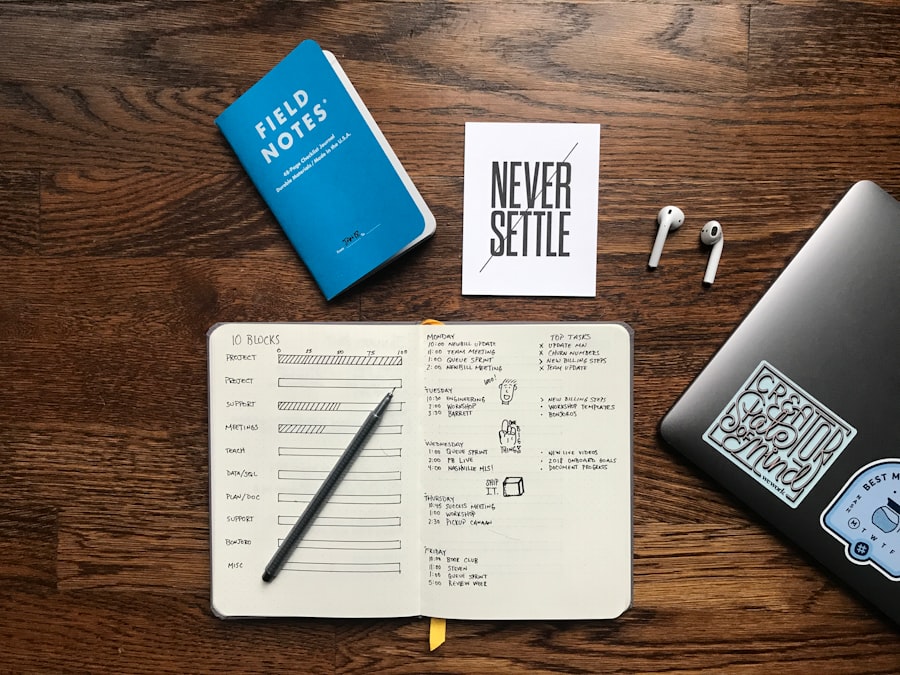
In our digital age, technology offers numerous tools designed to enhance productivity. You may find it beneficial to explore project management software that allows you to organize tasks, set deadlines, and collaborate with others seamlessly. Tools like Trello or Asana can help you visualize your workload and keep track of progress, ensuring that nothing falls through the cracks.
Additionally, consider leveraging automation tools to streamline repetitive tasks. For example, email filters can help prioritize important messages while automating responses for common inquiries saves time. By embracing technology as an ally in your productivity journey, you can free up valuable time for more meaningful work and creative pursuits.
Taking Regular Breaks and Rest
While it may seem counterintuitive, taking regular breaks is essential for maintaining high levels of productivity. Working for extended periods without rest can lead to fatigue and decreased focus over time. By incorporating short breaks into your schedule, you allow your mind to recharge and regain clarity.
Research suggests that even brief pauses can enhance cognitive function and creativity. Consider implementing techniques such as the 52/17 rule—working for 52 minutes followed by a 17-minute break—to optimize your productivity cycles. During these breaks, engage in activities that promote relaxation or physical movement, such as stretching or taking a short walk outside.
By prioritizing rest as part of your routine, you’ll find that you return to tasks with renewed energy and focus.
Incorporating Healthy Habits for Better Productivity
Your physical and mental well-being plays a crucial role in your overall productivity levels. Incorporating healthy habits into your daily routine can significantly impact how effectively you work.
Additionally, regular exercise is vital for maintaining both physical health and mental clarity. Engaging in physical activity releases endorphins that boost mood and reduce stress levels. Whether it’s a brisk walk during lunch or a workout session after work, finding ways to stay active will contribute positively to your productivity.
Tracking Progress and Making Adjustments
To truly enhance your productivity, it’s essential to track your progress regularly. Keeping a record of completed tasks not only provides a sense of accomplishment but also helps identify patterns in your workflow. You might consider using a journal or digital app to log daily achievements and reflect on what worked well and what didn’t.
As you analyze your progress, be open to making adjustments as needed. If certain strategies aren’t yielding the desired results or if distractions persist despite efforts to eliminate them, don’t hesitate to pivot your approach. Flexibility is key in the pursuit of productivity; adapting your methods based on experience will ultimately lead to greater success.
Seeking Support and Accountability
Finally, don’t underestimate the power of seeking support and accountability from others on your productivity journey. Sharing your goals with friends or colleagues can create a sense of commitment that motivates you to stay on track. Consider forming an accountability group where members check in regularly on each other’s progress and offer encouragement.
Additionally, seeking mentorship or guidance from someone who has successfully navigated similar challenges can provide valuable insights and strategies tailored to your unique situation. By surrounding yourself with supportive individuals who share similar aspirations, you’ll cultivate an environment conducive to growth and achievement.
Conclusion and Next Steps
In conclusion, enhancing productivity is an ongoing journey that requires intention and effort. By setting clear goals, creating structured schedules, eliminating distractions, implementing effective time management techniques, utilizing technology wisely, taking regular breaks, incorporating healthy habits, tracking progress, and seeking support from others, you can transform how you approach tasks in all areas of life. As you move forward on this path toward greater productivity, remember that it’s essential to remain patient with yourself.
Change takes time; celebrate small victories along the way while remaining committed to continuous improvement. With dedication and the right strategies in place, you’ll find yourself achieving more than ever before—both personally and professionally—leading to a more fulfilling life overall.
If you’re looking to boost your productivity, you might find the “Seven Day Productivity Starter Plan” particularly helpful. To complement this plan, you can check out a related article on productivity tips and strategies at com/’>Productive Patty.
This resource offers valuable insights that can enhance your productivity journey and help you implement effective habits in your daily routine.
WATCH THIS! 🧠 Why Your Breaks Are Actually Work (10x Breakthroughs)
FAQs
What is the Seven Day Productivity Starter Plan?
The Seven Day Productivity Starter Plan is a structured, one-week program designed to help individuals improve their productivity by implementing effective habits and time management techniques.
Who can benefit from the Seven Day Productivity Starter Plan?
Anyone looking to enhance their productivity, manage their time better, and develop consistent work habits can benefit from this plan, including students, professionals, and entrepreneurs.
What are the key components of the plan?
The plan typically includes daily tasks such as goal setting, prioritization, time blocking, minimizing distractions, and reflection exercises to build productive routines.
How much time do I need to commit each day?
The daily commitment varies but generally requires 15 to 30 minutes to complete the assigned activities and reflections.
Is the plan flexible to individual needs?
Yes, the plan can be adapted to fit personal schedules and productivity goals, allowing users to modify tasks according to their preferences.
Do I need any special tools or apps to follow the plan?
No special tools are required, but using planners, calendars, or productivity apps can enhance the experience and help track progress.
Can the Seven Day Productivity Starter Plan help with long-term productivity?
While the plan is designed as a starter, it lays the foundation for long-term productivity by encouraging habits that can be maintained beyond the initial seven days.
Is this plan suitable for remote workers?
Yes, the plan is effective for remote workers as it focuses on self-discipline, time management, and minimizing distractions, which are common challenges in remote work.
Where can I find the Seven Day Productivity Starter Plan?
The plan is often available through productivity blogs, coaching websites, or as part of self-help books and online courses focused on time management and productivity.
What should I do after completing the seven days?
After completing the plan, it is recommended to review your progress, identify which habits worked best, and continue practicing or adapting them to maintain and improve productivity.