
Workflow optimization has become increasingly important in modern work environments characterized by multiple concurrent tasks, tight deadlines, and complex responsibilities. Research indicates that inefficient workflows contribute to workplace stress and reduced productivity across various industries. Effective workflow management involves implementing systematic approaches that eliminate redundancies and focus resources on high-priority activities.
Studies show that streamlined processes can reduce task completion time by 20-40% while improving output quality. Key benefits include decreased cognitive load, improved time allocation, and enhanced ability to meet project deadlines. The Good Enough System represents one evidence-based approach to workflow optimization.
This methodology prioritizes functional solutions over perfectionist standards, based on the principle that excessive refinement often yields diminishing returns. Research in organizational psychology demonstrates that perfectionist tendencies can increase project timelines by 25-50% without proportional improvements in outcomes. The Good Enough System addresses this by establishing minimum viable standards that satisfy requirements while maintaining forward momentum.
This approach proves particularly effective in dynamic environments where requirements frequently change and rapid adaptation is essential for success.
Key Takeaways
- The Good Enough System focuses on optimizing workflows by balancing efficiency and practicality.
- Assessing and identifying weak points in your current workflow is crucial for targeted improvements.
- Implementing changes should be followed by thorough testing and continuous refinement.
- Maintaining the improved workflow ensures long-term sustainability and consistent productivity.
- Avoid common pitfalls by learning from case studies showcasing successful adoption of the system.
Understanding the Good Enough System
The Good Enough System is rooted in the idea that perfection can often be the enemy of progress. You may find yourself caught in a cycle of overthinking and striving for flawless execution, which can lead to procrastination and burnout. Instead of aiming for an unattainable ideal, this system encourages you to focus on delivering satisfactory results that meet your objectives.
By adopting this mindset, you can free yourself from the constraints of perfectionism and foster a more productive work environment. At its core, the Good Enough System promotes efficiency by encouraging you to make decisions based on practicality rather than idealism. You might ask yourself: “What is the minimum viable product I can deliver?” or “How can I achieve my goals with the resources I have?” This approach allows you to prioritize tasks that yield the highest impact while minimizing time spent on less critical activities.
By understanding and implementing this system, you can cultivate a more balanced and effective workflow.
Step 1: Assess Your Current Workflow

Before making any changes, it’s crucial to take a step back and assess your current workflow. This initial evaluation will provide you with valuable insights into how you operate and where improvements can be made. Start by mapping out your daily tasks and routines.
You might find it helpful to keep a journal for a week, noting how much time you spend on each activity and identifying any bottlenecks or inefficiencies. As you analyze your workflow, consider both the tools and processes you currently use. Are there specific software applications or methods that hinder your productivity?
Perhaps you’re using outdated tools that no longer serve your needs or relying on manual processes that could be automated. By taking stock of your current situation, you’ll be better equipped to identify areas for improvement and develop a plan for streamlining your workflow.
Step 2: Identify Areas for Improvement
Once you’ve assessed your current workflow, it’s time to pinpoint specific areas that require enhancement. Look for patterns in your daily activities that may indicate inefficiencies. For instance, do you frequently find yourself switching between tasks, leading to decreased focus and productivity?
Or perhaps you notice that certain tasks consistently take longer than expected due to lack of clarity or resources. In addition to identifying inefficiencies, consider gathering feedback from colleagues or team members who may have insights into your workflow. They might offer perspectives on areas where collaboration could be improved or suggest tools that have worked well for them.
By combining your self-assessment with external input, you can create a comprehensive list of areas that need attention, setting the stage for meaningful changes in your workflow.
Step 3: Implementing Changes
| Step | Description | Key Metrics | Typical Duration | Outcome |
|---|---|---|---|---|
| 1. Define the Problem | Identify and clearly state the problem to be solved. | Clarity score, Stakeholder alignment (%) | 1-2 days | Well-defined problem statement |
| 2. Generate Possible Solutions | Brainstorm and list potential solutions without overanalyzing. | Number of solutions generated, Diversity index | 1-3 days | List of feasible solutions |
| 3. Select a “Good Enough” Solution | Choose a solution that meets minimum criteria and is practical. | Selection confidence (%), Time to decision | Half a day to 1 day | Chosen solution ready for implementation |
| 4. Implement the Solution | Put the selected solution into action with available resources. | Implementation time, Resource utilization (%) | Varies (days to weeks) | Operational solution |
| 5. Review and Iterate | Evaluate results and make improvements as needed. | Success rate (%), Number of iterations | Ongoing | Improved and optimized solution |
With a clear understanding of the areas that need improvement, it’s time to implement changes in your workflow. Start small; focus on one or two adjustments at a time rather than overhauling everything at once. This incremental approach will allow you to gauge the effectiveness of each change without overwhelming yourself or your team.
Consider integrating new tools or technologies that align with the Good Enough System philosophy. For example, if you’ve identified communication as a bottleneck, implementing a project management tool could streamline collaboration and keep everyone on the same page. Additionally, establish clear guidelines for task prioritization and delegation to ensure that everyone understands their roles and responsibilities.
By taking these steps, you’ll create a more efficient workflow that supports productivity and reduces frustration.
Step 4: Testing and Refining
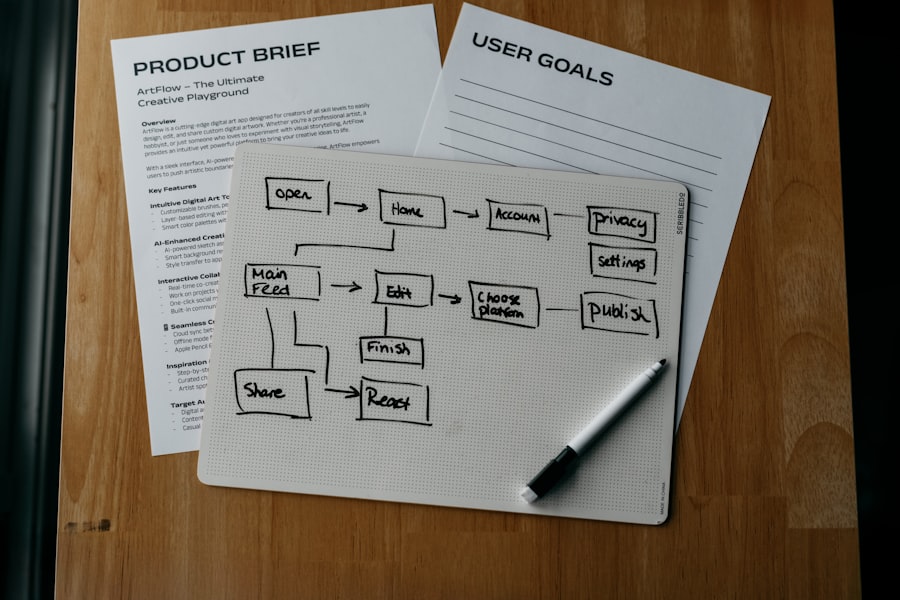
After implementing changes, it’s essential to test and refine your new workflow. Monitor how these adjustments impact your productivity and overall satisfaction with your work process. You might find it helpful to set specific metrics or goals to measure success—such as reduced time spent on certain tasks or improved collaboration among team members.
As you gather data on the effectiveness of your changes, be open to making further adjustments as needed. The Good Enough System encourages flexibility; if something isn’t working as intended, don’t hesitate to pivot and try a different approach. Regularly revisiting your workflow will help ensure that it remains aligned with your goals and continues to evolve as your needs change.
Step 5: Maintaining and Sustaining the Workflow
Creating an efficient workflow is not a one-time effort; it requires ongoing maintenance and commitment. To sustain the improvements you’ve made, establish regular check-ins with yourself or your team to evaluate how well the new processes are functioning. These meetings can serve as an opportunity to discuss any challenges encountered and brainstorm solutions collaboratively.
Additionally, consider setting aside time for continuous learning and development. Stay informed about new tools or methodologies that could further enhance your workflow. By fostering a culture of adaptability and growth, you’ll ensure that your workflow remains efficient and effective in the long run.
Benefits of the Good Enough System
Embracing the Good Enough System offers numerous benefits that can significantly enhance your productivity and overall work experience. One of the most notable advantages is reduced stress levels; by letting go of the need for perfection, you can focus on completing tasks efficiently without feeling overwhelmed by unrealistic expectations. Moreover, this system encourages a more balanced approach to work-life integration.
When you prioritize progress over perfection, you create space for creativity and innovation while still meeting deadlines and objectives. This shift in mindset can lead to increased job satisfaction and motivation, ultimately resulting in higher quality work.
Common Pitfalls to Avoid
While implementing the Good Enough System can lead to significant improvements in your workflow, there are common pitfalls to be aware of as you navigate this process. One such pitfall is falling back into old habits; it’s easy to revert to perfectionist tendencies when faced with challenges or setbacks. To combat this, remind yourself of the benefits of the Good Enough System and stay committed to maintaining a practical mindset.
Another potential pitfall is neglecting regular evaluations of your workflow.
Make it a priority to regularly assess and refine your processes to ensure they continue to serve your needs.
Case Studies: Successful Implementation of the Good Enough System
To illustrate the effectiveness of the Good Enough System, consider examining case studies from various industries where this approach has been successfully implemented. For instance, a tech startup may have adopted this system during its early stages, focusing on delivering a minimum viable product rather than striving for perfection before launch. This allowed them to gather user feedback quickly and iterate on their product based on real-world usage.
Similarly, a marketing team might have embraced the Good Enough System by prioritizing campaign execution over exhaustive planning. By launching campaigns with satisfactory content rather than waiting for perfect materials, they were able to engage their audience more effectively and adapt their strategies based on performance metrics. These examples demonstrate how embracing practicality can lead to tangible results across different sectors.
Embracing Efficiency in Your Workflow
In conclusion, streamlining your workflow through the Good Enough System is an empowering journey that can transform how you approach work.
As you embrace this philosophy, remember that progress is often more valuable than perfection.
By focusing on delivering satisfactory results and fostering a culture of adaptability, you’ll not only enhance your productivity but also cultivate a more enjoyable work experience. So take the leap—embrace efficiency in your workflow today!
In exploring the concept of the “Good Enough System” and its five-step workflow, you may find it beneficial to read more about practical applications and insights in the article available on Productive Patty’s website. This resource provides additional context and examples that can enhance your understanding of implementing effective systems in your daily routine. For more information, check out the article [here](https://www.productivepatty.com/sample-page/).
FAQs
What is the Good Enough System five step workflow?
The Good Enough System five step workflow is a productivity method designed to help individuals and teams complete tasks efficiently without striving for perfection. It emphasizes practical progress through five distinct steps to achieve satisfactory results.
What are the five steps in the Good Enough System workflow?
The five steps typically include: 1) Define the task or goal, 2) Plan the approach, 3) Execute the task, 4) Review the outcome, and 5) Adjust or finalize as needed. These steps guide users through a balanced process of action and evaluation.
Who can benefit from using the Good Enough System five step workflow?
Anyone looking to improve productivity and reduce procrastination can benefit from this workflow. It is especially useful for professionals, students, and teams who want to avoid perfectionism and focus on completing tasks effectively.
How does the Good Enough System differ from traditional workflows?
Unlike traditional workflows that may emphasize perfection and exhaustive detail, the Good Enough System prioritizes completing tasks to a satisfactory level quickly. It encourages moving forward rather than getting stuck on minor details.
Can the Good Enough System five step workflow be customized?
Yes, the workflow is flexible and can be adapted to fit different types of projects, industries, and personal work styles. Users can modify the steps or their order to better suit their specific needs.
Is the Good Enough System suitable for complex projects?
While it is primarily designed for efficiency and avoiding over-perfectionism, the system can be applied to complex projects by breaking them down into smaller, manageable tasks and applying the five steps to each segment.
What tools can support the Good Enough System five step workflow?
Various productivity tools such as task management apps, calendars, note-taking software, and collaboration platforms can support the workflow by helping users organize, track, and review their tasks effectively.
Does the Good Enough System promote quality work?
Yes, it promotes quality work that meets requirements without unnecessary delays. The focus is on delivering results that are “good enough” to fulfill the purpose, balancing quality with efficiency.
How can I get started with the Good Enough System five step workflow?
To get started, identify a task or project, follow the five steps systematically, and focus on completing each step without overanalyzing. Practice will help refine the process and improve productivity over time.