
You are a master architect of your own destiny, yet sometimes, your most formidable adversary resides not in external circumstances, but within the intricate labyrinth of your own brain. This article delves into the scientific underpinnings of self-sabotage, exploring how your neural circuitry can inadvertently reroute you from the path of success, and more importantly, how understanding these mechanisms empowers you to reclaim control.
Your brain, a remarkably adaptable organ, is constantly building and refining pathways based on your experiences. This principle, known as neuroplasticity, can be a double-edged sword. When negative experiences, failures, or critical feedback are repeatedly encountered, your brain can cement neural connections that associate effort with pain or futility. This creates a self-reinforcing cycle where the anticipation of failure becomes a self-fulfilling prophecy.
The Lingering Echo of Past Setbacks
Consider the persistent whisper of doubt that surfaces when you’re on the cusp of a significant achievement. This isn’t some ethereal entity; it’s the activation of neural networks forged in the fires of past disappointments. If you’ve experienced public embarrassment or significant professional setbacks, your amygdala, the brain’s fear center, may become oversensitive to further perceived threats. This hypervigilance can trigger an anticipatory stress response, even when the current situation bears little resemblance to past failures. Your brain, in essence, is running a simulation based on historical data, preparing you for a threat that may not materialize.
The Comfort of the Familiar, Even When It’s Detrimental
Your brain is inherently wired for efficiency. It seeks to conserve energy by relying on established routines and familiar patterns. This is why breaking old habits and adopting new ones can feel so arduous. Even when you consciously recognize that a particular behavior is detrimental to your success – perhaps procrastination or an avoidance of challenging tasks – your brain may still pull you back to the path of least resistance. This isn’t a conscious choice to be difficult; it’s the brain’s preference for the well-trodden neural highway, even if that highway leads to stagnation.
The Brain’s Internal Alarm System: Anxiety as a Guard Dog
Mild anxiety can serve a protective function, alerting you to potential risks. However, in self-sabotage, this alarm system can become overzealous. When faced with a goal that requires significant effort and carries the risk of failure, your brain might interpret this as a dangerous situation, triggering a cascade of anxiety-inducing neurochemicals like cortisol. This elevated stress response can impair cognitive functions essential for success, such as problem-solving, decision-making, and focused attention. Your internal guard dog, mistaking a mild breeze for an approaching predator, goes into overdrive, hindering your ability to navigate the situation effectively.
Understanding why your brain sabotages success can be a complex journey, often rooted in deep-seated beliefs and fears. For those looking to delve deeper into this topic, an insightful article can be found at Productive Patty, where the author explores the psychological barriers that hinder personal growth and achievement. By recognizing these mental blocks, individuals can develop strategies to overcome them and pave the way for a more successful and fulfilling life.
The Dopamine Dilemma: The Short-Term Fix vs. Long-Term Gain
The neurotransmitter dopamine plays a crucial role in reward and motivation. It’s the chemical messenger that signals pleasure and encourages us to repeat behaviors that lead to positive outcomes. However, this system can be easily hijacked, leading to self-sabotaging habits driven by the pursuit of immediate gratification over sustainable progress.
The Siren Song of Instant Gratification
Imagine your brain as a sophisticated investor. It’s constantly weighing potential returns. Self-sabotaging behaviors often offer a quick dopamine hit. Scrolling through social media, indulging in unhealthy snacks, or delaying important tasks all provide immediate, albeit fleeting, feelings of pleasure or relief. Your brain, seeking that dopamine reward, becomes addicted to these short-term fixes, effectively prioritizing instant pleasure over the larger, more substantial rewards of long-term success, much like a gambler chasing a small win instead of building a stable portfolio.
The Downward Spiral of Procrastination
Procrastination is a classic manifestation of the dopamine dilemma. The anticipation of a difficult or unpleasant task triggers discomfort. Your brain, seeking to avoid this discomfort, offers the allure of immediate relief through unrelated activities. While this provides a temporary reprieve, it ultimately leads to increased stress and guilt as the deadline looms. The dopamine received from the distracting activity is far outweighed by the subsequent negative emotional consequences, creating a vicious cycle: discomfort leads to procrastination, which leads to more discomfort.
The Brain’s Resistance to Delayed Rewards
Your brain’s capacity to delay gratification is a powerful predictor of success. However, this capacity is not fixed and can be influenced by various factors, including stress levels and early life experiences. When your brain is accustomed to immediate rewards, it struggles to prioritize activities that offer benefits far off in the future. This can manifest as an inability to stick to long-term plans or a tendency to abandon goals when immediate progress isn’t apparent. Your brain, like a child impatient for candy, struggles to grasp the value of a delayed, more substantial feast.
The Cortisol Connection: Stress as an Enemy of Achievement
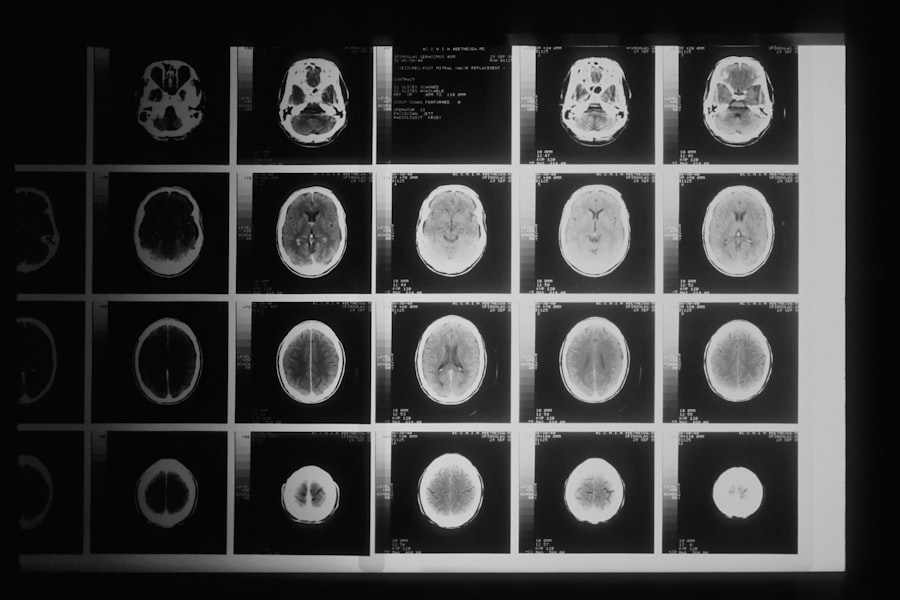
Chronic stress, a pervasive byproduct of modern life, can profoundly impact your brain’s structure and function, creating fertile ground for self-sabotage. The persistent elevation of stress hormones like cortisol can rewire neural pathways, making you more prone to negative thinking, poor decision-making, and emotional dysregulation.
The Amygdala’s Overactive Sentinel
As mentioned earlier, the amygdala is your brain’s threat detection system. When constantly bombarded with stress, it can become hypersensitive, interpreting even minor challenges as significant threats. This state of hypervigilance places your brain in a perpetual fight-or-flight mode, diverting vital cognitive resources away from higher-level thinking and toward survival instincts. This makes it incredibly difficult to approach complex problems or take calculated risks, as your brain is constantly on alert for danger.
The Hippocampus’s Fading Memory
The hippocampus is crucial for memory formation and retrieval, and it’s also sensitive to stress. Chronic exposure to cortisol can impair hippocampal function, leading to difficulties with learning, memory consolidation, and executive functions like planning and impulse control. This can manifest as a forgetfulness of long-term goals, an inability to recall important information, or a struggle to regulate impulsive behaviors that have been linked to past failures. Your hippocampus, like a library damaged by a flood, struggles to organize and access its vast collection of knowledge.
The Prefrontal Cortex Under Siege
The prefrontal cortex (PFC) is the CEO of your brain, responsible for executive functions such as planning, decision-making, working memory, and impulse control. Under chronic stress, the PFC can become less active, impairing its ability to regulate the amygdala and override impulsive behaviors. This weakened executive control makes you more susceptible to distractions, emotional reactivity, and a tendency to act without considering the long-term consequences, paving the way for self-sabotaging actions. Imagine your PFC as a CEO overwhelmed by frantic calls from the security department, unable to focus on strategic business decisions.
The Mindset Matrix: Cognitive Distortions as Architects of Failure

The way you perceive and interpret events significantly influences your actions and outcomes. Cognitive distortions, often referred to as “thinking traps,” are systematic errors in thinking that reinforce negative self-beliefs and propel you toward self-sabotage. These distortions act as invisible filters, colorizing your reality with shades of pessimism, thereby hindering your ability to see opportunities and believe in your own capabilities.
All-or-Nothing Thinking: The Binary Trap
This distortion involves viewing situations in black and white, with no room for nuance or middle ground. You either succeed perfectly, or you are a complete failure. If a project doesn’t go exactly as planned, you might dismiss all your efforts as worthless, rather than recognizing the valuable lessons learned. This rigid thinking prevents you from appreciating incremental progress and can lead to the abrupt abandonment of goals after minor setbacks. It’s like looking at a gradient of success and only seeing the extremes of pure white or absolute black, ignoring all the beautiful shades in between.
Overgeneralization: The Single Event Echo
In overgeneralization, you take a single negative event and extrapolate it to encompass all future situations. A single rejection becomes proof that you will always be rejected; a failed attempt at a new skill becomes evidence that you will never be proficient. This creates a self-imposed prison of limited possibilities, where past failures become definitive predictors of future outcomes, even when there is no logical basis for such a conclusion. It’s akin to hearing one off-key note in a symphony and declaring the entire orchestra unlistenable.
Catastrophizing: The Disaster Forecast
Catastrophizing involves predicting the worst possible outcome for any given situation. You anticipate doom and gloom, even when the likelihood of such an outcome is extremely low. A minor mistake is seen as a harbinger of professional ruin, or a slight disagreement is interpreted as the beginning of the end of a relationship. This constant anticipation of disaster creates immense anxiety and can lead you to avoid taking constructive action for fear of triggering these imagined catastrophes. Your brain, in essence, becomes a perpetually pessimistic weather forecaster, predicting storms even on the brightest days.
Personalization: The Burden of Blame
Personalization involves taking responsibility for events that are not entirely within your control, or for which you are only partially responsible. You blame yourself for things that are due to external factors or the actions of others. This can lead to excessive guilt and a sense of helplessness, making it harder to take effective action. You begin to view yourself as the central antagonist in every unfolding drama, regardless of your actual role.
Many people find themselves struggling to achieve their goals, often feeling as though their own brain is working against them. This phenomenon can be attributed to various psychological factors that lead to self-sabotage, making it crucial to understand these underlying mechanisms. For a deeper exploration of this topic, you can read a related article that delves into the reasons behind why your brain sabotages success. Understanding these concepts can empower you to break free from negative patterns and foster a more productive mindset. To learn more, check out this insightful piece here.
Rewiring for Resilience: Strategies for Overcoming Self-Sabotage
| Reason for Brain Sabotage | Description | Impact on Success | Possible Solution |
|---|---|---|---|
| Fear of Failure | The brain anticipates negative outcomes and avoids risks. | Leads to procrastination and missed opportunities. | Practice reframing failure as a learning experience. |
| Impostor Syndrome | Feeling undeserving of success despite evidence. | Reduces confidence and motivation to pursue goals. | Recognize achievements and seek supportive feedback. |
| Comfort Zone Bias | Preference for familiar routines over new challenges. | Limits growth and innovation. | Gradually introduce new tasks to expand comfort zone. |
| Negative Self-Talk | Internal dialogue that undermines self-esteem. | Increases stress and decreases performance. | Use positive affirmations and mindfulness techniques. |
| Overthinking | Excessive analysis leading to indecision. | Delays action and reduces productivity. | Set time limits for decisions and focus on actionable steps. |
Understanding the neural and psychological mechanisms behind self-sabotage is the crucial first step toward dismantling these destructive patterns. Fortunately, your brain’s neuroplasticity also offers a powerful avenue for change. By implementing targeted strategies, you can actively rewire your neural pathways and cultivate a mindset that supports, rather than hinders, your pursuit of success.
The Power of Mindfulness and Self-Awareness
Mindfulness involves paying attention to your present thoughts, feelings, and bodily sensations without judgment. By cultivating this awareness, you can begin to identify the early signs of self-sabotaging thoughts and behaviors. When you notice a familiar pattern of doubt or procrastination emerging, mindfulness allows you to pause, observe it without immediately acting on it, and then make a conscious choice about how to respond. This creates a crucial space between stimulus and response, where intentionality can flourish. It’s like being in the cockpit of your mind, able to observe the flight instruments and make corrections, rather than being tossed about by turbulence.
Cognitive Restructuring: Challenging Your Inner Critic
Cognitive restructuring involves actively identifying and challenging your negative thought patterns. When you catch yourself engaging in a cognitive distortion, such as all-or-nothing thinking or catastrophizing, you can consciously question its validity. Ask yourself: “What evidence do I have to support this thought?” “What’s a more balanced or realistic perspective?” By repeatedly challenging these distorted beliefs, you weaken the neural pathways that support them and begin to build new, more adaptive thought patterns. This is akin to pruning overgrown branches of a tree to allow for healthier growth.
Behavioral Activation: The Momentum of Action
When feeling overwhelmed or unmotivated, the tendency can be to withdraw or procrastinate, further fueling self-sabotage. Behavioral activation, conversely, encourages you to engage in small, manageable actions, even when you don’t feel like it. The key is to focus on the action itself, rather than waiting for motivation to strike. The act of doing, even something seemingly insignificant, can generate momentum, boost your mood, and provide a sense of accomplishment, creating a positive feedback loop that counteracts the inertia of self-sabotage. It’s about starting the engine, even if the journey is short; the sound of the engine running often inspires the desire for a longer ride.
Embracing Imperfection: The Growth Mindset Advantage
Cultivating a growth mindset, as theorized by Dr. Carol Dweck, is essential for overcoming self-sabotage. A growth mindset is the belief that your abilities and intelligence can be developed through dedication and hard work. This stands in contrast to a fixed mindset, which assumes these qualities are innate and unchangeable. When you embrace a growth mindset, setbacks are viewed not as evidence of inadequacy, but as opportunities for learning and improvement. This reframes the fear of failure, making you more willing to take risks and persist in the face of challenges. You begin to see your efforts as building blocks for future success, rather than a final judgment of your capabilities.
By understanding the intricate workings of your brain, you are already halfway to mastering the science of self-sabotage and, by extension, the science of success. Your brain is not an immutable entity; it is a dynamic landscape that you can, with conscious effort and informed strategy, cultivate for growth, resilience, and ultimately, achievement. The power to reroute your neural pathways from self-destruction to self-actualization lies within your own remarkable mind.
FAQs
Why does the brain sometimes sabotage success?
The brain may sabotage success due to evolutionary mechanisms designed to protect us from perceived threats, fear of failure, or discomfort with change. These responses can trigger self-doubt, procrastination, or avoidance behaviors that hinder progress.
What role does fear play in brain sabotage?
Fear, especially fear of failure or fear of the unknown, activates the brain’s amygdala, which can override rational thinking. This can lead to anxiety and self-sabotaging behaviors as a way to avoid potential negative outcomes.
How does the brain’s need for comfort affect success?
The brain prefers familiar routines and environments because they require less energy and feel safer. Pursuing success often involves stepping out of comfort zones, which can trigger resistance or self-sabotage as the brain tries to maintain stability.
Can self-sabotage be overcome by understanding brain function?
Yes, understanding how the brain works can help individuals recognize self-sabotaging patterns. Techniques such as mindfulness, cognitive-behavioral strategies, and goal-setting can rewire thought processes and reduce self-defeating behaviors.
Is self-sabotage linked to any mental health conditions?
Self-sabotage can be associated with conditions like anxiety, depression, and low self-esteem. These conditions affect brain chemistry and thought patterns, making it more challenging to maintain motivation and pursue success consistently.