
Context switching is the cognitive process that occurs when an individual shifts attention from one task to another. This process requires the brain to disengage from the current activity and reallocate mental resources to a different task. Research indicates that context switching involves significant cognitive overhead, as the brain must store information about the previous task while simultaneously loading new information for the incoming task.
The frequency of context switching has increased substantially in modern work environments due to digital communication tools, multitasking demands, and fragmented work schedules. Studies show that knowledge workers typically switch between applications and tasks every few minutes throughout their workday. Each transition requires mental effort to reorient attention, recall relevant information, and establish focus on the new activity.
The cognitive cost of context switching manifests in several measurable ways. Task resumption lag, the time required to return to peak performance on the original task, can range from several seconds to multiple minutes depending on task complexity. Additionally, switching between dissimilar tasks creates greater cognitive load than switching between related activities.
Frequent context switching has been associated with increased mental fatigue, reduced accuracy, and decreased overall task completion rates in controlled studies.
Key Takeaways
- Frequent context switching significantly reduces productivity and increases mental fatigue.
- The financial costs of context switching stem from lost time and decreased work quality.
- Technology can both contribute to and help minimize context switching through better tools and workflows.
- Context switching is closely linked to increased stress, burnout, and impaired decision-making.
- Creating environments that limit interruptions and promote focused work can reduce the negative effects of context switching.
The Impact on Productivity
The impact of context switching on productivity is profound and often underestimated. When you switch tasks, research indicates that it can take up to 25 minutes to regain your focus on the original task. This means that if you frequently shift your attention throughout the day, you may be losing hours of productive time without even realizing it.
The constant interruptions can lead to a fragmented work experience, where you struggle to complete tasks efficiently and effectively. Moreover, the quality of your work may suffer as a result of frequent context switching. When you are constantly moving from one task to another, it becomes increasingly difficult to immerse yourself fully in any single project.
This lack of deep focus can lead to mistakes, overlooked details, and a general sense of dissatisfaction with your output. As you navigate through various tasks without fully committing to any of them, you may find that your overall performance declines, leaving you feeling frustrated and unaccomplished.
The Mental Toll of Context Switching
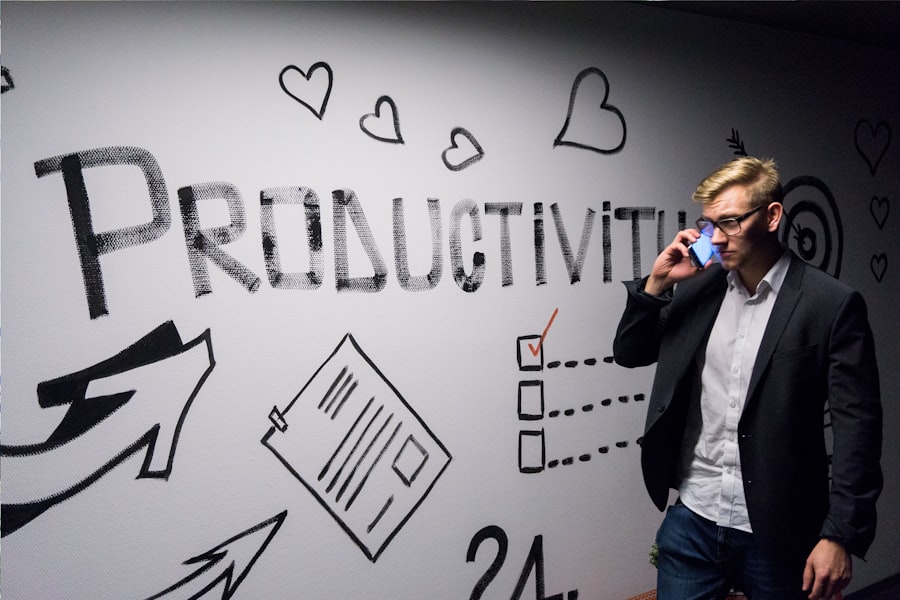
The mental toll of context switching can be significant and often goes unnoticed until it manifests in more severe ways. Each time you switch tasks, your brain expends energy to reorient itself, which can lead to cognitive fatigue over time. This fatigue can accumulate, leaving you feeling mentally drained and less capable of tackling complex problems or making sound decisions.
You may find yourself struggling to concentrate or feeling overwhelmed by the sheer volume of tasks at hand. Additionally, the constant need to shift gears can create a sense of anxiety and stress. You might feel pressured to respond quickly to emails or messages while simultaneously trying to meet deadlines for ongoing projects.
This pressure can lead to a cycle of stress that not only affects your work but also spills over into your personal life. As you grapple with the demands of multitasking, you may find it increasingly difficult to unwind and relax, leading to a perpetual state of mental unrest.
Financial Costs of Context Switching
The financial costs associated with context switching are often overlooked but can be substantial. For businesses, the time lost due to inefficient task management translates directly into lost revenue. If employees are spending significant portions of their day switching between tasks rather than focusing on their core responsibilities, the organization suffers as a whole.
This inefficiency can lead to missed deadlines, decreased quality of work, and ultimately, a negative impact on the bottom line. On an individual level, context switching can also have financial implications. If you are self-employed or work on commission, the time wasted on distractions can directly affect your income.
You may find that your ability to generate revenue diminishes as you struggle to maintain focus on client work or sales efforts. Furthermore, the stress associated with constant task-switching can lead to burnout, which may result in increased healthcare costs or even job loss in extreme cases.
Strategies for Minimizing Context Switching
| Metric | Description | Typical Value | Impact on Productivity |
|---|---|---|---|
| Time Lost per Switch | Average time taken to regain focus after switching tasks | 23 minutes | Significant delay in task completion |
| Number of Switches per Hour | How many times a person switches between tasks in an hour | 7 switches | Increases cumulative time lost |
| Productivity Loss Percentage | Estimated percentage decrease in productivity due to context switching | 20-40% | Reduced overall work output |
| Errors Increase | Increase in mistakes made due to disrupted focus | Up to 50% | Quality of work declines |
| Recovery Time | Time needed to fully regain concentration after a switch | 15 minutes | Delays progress on tasks |
To combat the negative effects of context switching, implementing effective strategies is essential. One approach is to prioritize your tasks and allocate specific blocks of time for each one. By creating a structured schedule that allows for focused work periods, you can minimize interruptions and enhance your productivity.
Consider using techniques such as the Pomodoro Technique, where you work for 25 minutes followed by a 5-minute break, allowing for sustained focus while still providing opportunities for brief mental resets. Another effective strategy is to limit distractions in your environment. This could involve silencing notifications on your phone or computer during designated work periods or creating a dedicated workspace that minimizes interruptions from family members or colleagues.
By establishing boundaries around your time and attention, you can create an environment conducive to deep work and reduce the temptation to switch contexts frequently.
The Role of Technology in Context Switching

Technology plays a dual role in context switching; it can both exacerbate the problem and offer solutions. On one hand, the constant barrage of notifications from emails, messaging apps, and social media can pull you away from your tasks and contribute to frequent context switching. Each ping or alert serves as a reminder that there are other demands on your attention, making it challenging to stay focused on what truly matters.
On the other hand, technology also provides tools that can help mitigate context switching.
Additionally, features like “Do Not Disturb” modes on devices can help create uninterrupted work periods.
By leveraging technology wisely, you can harness its benefits while minimizing its potential distractions.
Context Switching in the Workplace
In the workplace, context switching is often an inherent part of the culture. Many organizations encourage multitasking as a means of increasing efficiency; however, this approach can backfire when employees become overwhelmed by competing demands. You may find yourself pulled in multiple directions by colleagues seeking immediate responses or by management expecting quick turnarounds on various projects.
To address this issue, fostering a workplace culture that values focused work is essential. Encouraging employees to set aside dedicated time for deep work without interruptions can lead to improved outcomes for both individuals and teams. Additionally, promoting open communication about workload expectations can help reduce the pressure to constantly switch contexts and allow employees to manage their time more effectively.
The Connection to Burnout and Stress
The connection between context switching and burnout is increasingly recognized in today’s fast-paced work environment. As you navigate through numerous tasks without adequate focus or breaks, the cumulative stress can lead to feelings of exhaustion and disengagement. Burnout is characterized by emotional fatigue and a diminished sense of accomplishment; both are exacerbated by the constant demands of multitasking.
Recognizing the signs of burnout is crucial for maintaining your well-being. If you find yourself feeling overwhelmed or detached from your work, it may be time to reassess how often you are switching contexts and whether it is contributing to your stress levels. Taking proactive steps to minimize distractions and create a more manageable workload can help mitigate these feelings and promote a healthier work-life balance.
The Long-Term Effects of Context Switching
The long-term effects of context switching extend beyond immediate productivity losses; they can shape your overall approach to work and life. Over time, frequent task-switching may lead to chronic stress levels that affect not only your mental health but also your physical well-being. Research has shown that prolonged exposure to stress can contribute to various health issues, including cardiovascular problems and weakened immune function.
Moreover, habitual context switching can hinder your ability to develop deep expertise in any given area. As you flit from one task to another without fully engaging with any single project, you may miss opportunities for growth and skill development. This lack of depth can limit your career advancement prospects and leave you feeling unfulfilled in your professional journey.
How Context Switching Affects Decision Making
Context switching also has significant implications for decision-making processes. When you are constantly shifting your focus between tasks, it becomes increasingly difficult to think critically and make informed choices. Your cognitive resources are stretched thin as you attempt to juggle multiple priorities simultaneously, leading to rushed decisions that may not be well thought out.
In high-stakes situations where careful consideration is essential, context switching can be particularly detrimental. You might find yourself making impulsive choices based on incomplete information or overlooking critical details that could influence the outcome. By minimizing context switching and allowing yourself dedicated time for reflection and analysis, you can enhance your decision-making capabilities and achieve better results.
Creating a Context-Switching-Free Environment
Creating a context-switching-free environment requires intentionality and commitment. Start by assessing your current workflow and identifying areas where distractions frequently arise. Consider implementing designated “focus hours” during which you commit to working on specific tasks without interruptions from emails or meetings.
Establishing clear boundaries around availability can foster a culture of respect for focused work periods within your team or organization. By prioritizing deep work and minimizing context switching, you can cultivate an environment that supports productivity and well-being for everyone involved.
In conclusion, understanding context switching is essential for navigating today’s complex work landscape effectively. By recognizing its impact on productivity, mental health, financial costs, and decision-making processes, you can take proactive steps toward minimizing its effects in both personal and professional settings. Embracing strategies that promote focused work will not only enhance your performance but also contribute positively to your overall quality of life.
Context switching can significantly hinder productivity, as it disrupts focus and leads to increased time spent on tasks. For a deeper understanding of this phenomenon and strategies to mitigate its effects, you can read the article on productivity tips at