
Impulsive spending is a phenomenon that many individuals experience at some point in their lives. It refers to the act of making unplanned purchases without considering the consequences or the necessity of the item. You might find yourself in a store, drawn to a shiny gadget or a trendy piece of clothing, and before you know it, you’ve made a purchase that you hadn’t intended to make.
This behavior can stem from various triggers, including emotional states, social pressures, or even marketing tactics designed to entice consumers. Understanding impulsive spending is crucial because it allows you to recognize when you are acting on impulse rather than making informed financial decisions. As you delve deeper into the concept of impulsive spending, you may realize that it often leads to buyer’s remorse.
This feeling of regret can arise shortly after the purchase, as you reflect on whether the item was truly worth the money spent. You might find yourself questioning your judgment and feeling guilty about the financial strain it could impose. Recognizing these patterns is the first step toward gaining control over your spending habits and making more deliberate choices in the future.
Key Takeaways
- Impulsive spending is often driven by psychological factors such as emotions, social influences, and cognitive biases.
- Impulsive spending can have a significant impact on financial health, leading to debt, financial stress, and an inability to meet long-term financial goals.
- There is a strong link between impulsive spending and debt, as impulsive purchases often lead to increased credit card balances and loans.
- Impulsive spending can negatively affect emotional well-being, leading to feelings of guilt, regret, and anxiety.
- Impulsive spending can strain relationships, leading to conflicts over money and trust issues.
The Psychological Factors Behind Impulsive Spending
The psychological factors that contribute to impulsive spending are complex and multifaceted. One significant aspect is the role of emotions in decision-making. You may notice that when you are feeling stressed, anxious, or even bored, you are more likely to engage in impulsive buying as a way to cope with those feelings.
This behavior can provide a temporary sense of relief or happiness, but it often leads to negative consequences in the long run. Understanding this connection between your emotional state and your spending habits can help you identify triggers and develop healthier coping mechanisms. Another psychological factor at play is the influence of social comparison.
In today’s digital age, social media platforms often showcase curated lifestyles that can create feelings of inadequacy or envy. You might find yourself scrolling through images of friends or influencers flaunting their latest purchases, leading you to feel compelled to keep up with their spending habits. This desire to fit in or appear successful can drive impulsive buying behaviors, as you seek validation through material possessions.
Recognizing these influences can empower you to make more conscious choices about your spending.
The Impact of Impulsive Spending on Financial Health

Impulsive spending can have a profound impact on your overall financial health. When you frequently make unplanned purchases, it can disrupt your budget and lead to financial instability. You may find that your savings goals are slipping away as your discretionary spending increases without any real justification.
This pattern can create a cycle of living paycheck to paycheck, where you struggle to make ends meet due to overspending on non-essential items. Moreover, impulsive spending can hinder your ability to invest in your future. You might have dreams of buying a home, traveling, or saving for retirement, but these aspirations can be overshadowed by the immediate gratification of impulse purchases.
Acknowledging the impact of impulsive spending on your financial health is essential for making positive changes and prioritizing your future.
The Link Between Impulsive Spending and Debt
| Factors | Impact |
|---|---|
| Impulsive Spending | Leads to unnecessary purchases and debt accumulation |
| Emotional Triggers | Can lead to impulsive spending and increased debt |
| Financial Literacy | Can help individuals make informed decisions and avoid impulsive spending |
| Debt Levels | Can increase due to impulsive spending habits |
One of the most concerning consequences of impulsive spending is its direct link to accumulating debt. When you consistently spend beyond your means, it can lead to reliance on credit cards or loans to finance your lifestyle. You may convince yourself that it’s okay to make that purchase now and worry about paying it off later, but this mindset can quickly spiral out of control.
As debt accumulates, so does the stress associated with managing it, creating a vicious cycle that can be challenging to break.
You might find yourself trapped in a cycle of minimum payments and high-interest rates, making it difficult to regain control over your finances.
The anxiety that comes with debt can also exacerbate impulsive spending behaviors, as you may seek temporary relief through shopping as a way to escape from financial pressures. Understanding this link between impulsive spending and debt is crucial for developing strategies to break free from this cycle.
Impulsive Spending and Emotional Well-being
Your emotional well-being is intricately connected to your spending habits. Impulsive spending often serves as a coping mechanism for dealing with negative emotions such as stress, loneliness, or sadness. You might find that purchasing something new provides a temporary boost in mood, but this effect is usually short-lived.
Once the initial excitement fades, you may be left with feelings of guilt or regret, which can further impact your emotional state. Moreover, the cycle of impulsive spending can lead to increased anxiety and depression over time. As financial stress mounts due to overspending, you may feel overwhelmed by your situation, leading to a negative feedback loop where emotional distress drives further impulsive purchases.
Recognizing this connection between your emotional health and spending habits is vital for breaking free from this cycle and finding healthier ways to cope with your feelings.
How Impulsive Spending Affects Relationships
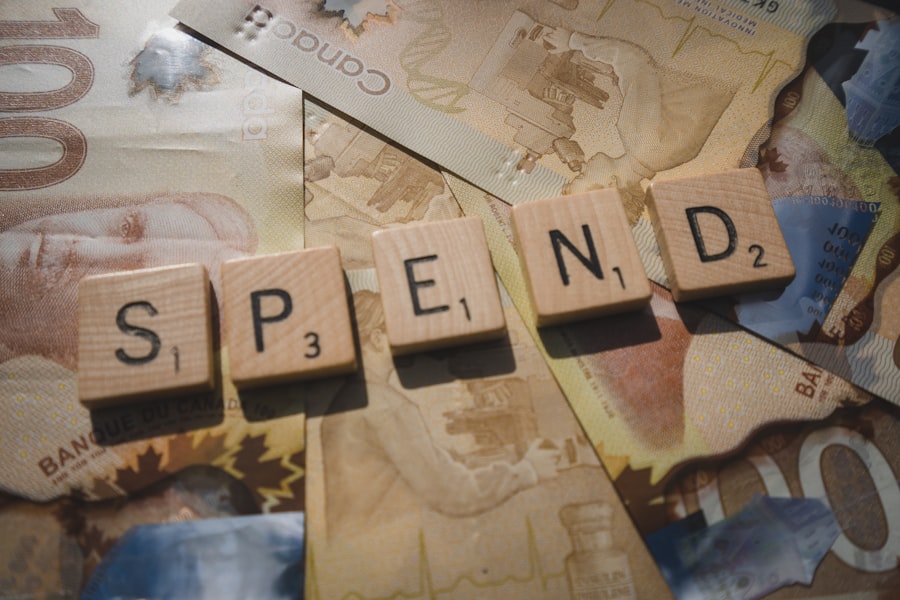
Impulsive spending doesn’t just affect your financial health; it can also have significant repercussions on your relationships. When you engage in unplanned purchases without discussing them with your partner or family members, it can lead to misunderstandings and conflicts. Your loved ones may feel frustrated or betrayed if they discover that you’ve made significant purchases without their knowledge or consent.
Additionally, financial stress resulting from impulsive spending can create tension within relationships. You might find that arguments about money become more frequent as debt accumulates or savings dwindle due to impulsive choices. This strain can erode trust and intimacy between partners, making it essential to communicate openly about spending habits and financial goals.
By addressing these issues together, you can work towards healthier financial practices that strengthen rather than weaken your relationships.
Impulsive Spending and Long-term Financial Goals
When you engage in impulsive spending, it becomes increasingly challenging to focus on long-term financial goals. You may have aspirations such as buying a home, saving for retirement, or funding your children’s education, but these dreams can feel out of reach when short-term desires take precedence over careful planning. Each impulsive purchase chips away at your ability to save and invest for the future.
Moreover, the immediate gratification associated with impulsive buying can overshadow the satisfaction derived from achieving long-term goals. You might find yourself prioritizing fleeting pleasures over meaningful investments in your future, leading to feelings of regret as time passes. To align your spending habits with your long-term aspirations, it’s essential to cultivate awareness around your purchasing decisions and consider how they impact your overall financial trajectory.
Recognizing and Managing Impulsive Spending Behaviors
Recognizing impulsive spending behaviors is the first step toward managing them effectively. You might start by keeping a journal of your purchases for a month, noting not only what you bought but also how you felt at the time of purchase. This exercise can help you identify patterns and triggers that lead to impulsive buying decisions.
By understanding these behaviors better, you can develop strategies for managing them more effectively. Once you’ve identified your triggers, consider implementing strategies such as setting a waiting period before making non-essential purchases. For instance, if you feel the urge to buy something on impulse, give yourself 24 hours to think it over before making a decision.
This pause allows you to evaluate whether the item is truly necessary or if it’s simply an impulse driven by emotion or external influences.
Strategies for Overcoming Impulsive Spending Habits
Overcoming impulsive spending habits requires commitment and self-discipline, but there are several strategies that can help you regain control over your finances. One effective approach is creating a budget that outlines your income and expenses clearly. By allocating specific amounts for discretionary spending each month, you can limit the temptation to overspend while still allowing yourself some flexibility for enjoyment.
Another useful strategy is to establish clear financial goals that motivate you to save rather than spend impulsively. Whether it’s saving for a vacation or building an emergency fund, having tangible goals can help shift your focus away from immediate gratification toward long-term rewards. Additionally, consider surrounding yourself with supportive individuals who share similar financial values; their encouragement can reinforce positive behaviors and help keep you accountable.
Seeking Professional Help for Impulsive Spending
If you find that impulsive spending continues to be a significant challenge despite your best efforts, seeking professional help may be beneficial. Financial advisors or therapists specializing in behavioral finance can provide valuable insights into your spending habits and help you develop personalized strategies for improvement. They can assist you in identifying underlying issues contributing to impulsive behavior and guide you toward healthier financial practices.
Therapy can also be an effective avenue for addressing emotional triggers associated with impulsive spending. A mental health professional can help you explore the root causes of your behavior and teach coping mechanisms that promote healthier emotional regulation. By addressing both the psychological and financial aspects of impulsive spending, you can work toward achieving lasting change.
The Importance of Developing Healthy Spending Habits
Ultimately, developing healthy spending habits is essential for achieving financial stability and emotional well-being. By cultivating mindfulness around your purchasing decisions and prioritizing long-term goals over short-term desires, you can create a more balanced approach to money management. This shift not only enhances your financial health but also contributes positively to your overall quality of life.
As you work toward establishing healthier habits, remember that change takes time and effort. Be patient with yourself as you navigate this journey; setbacks may occur along the way, but each step forward brings you closer to achieving greater control over your finances and fostering a more fulfilling life free from the burdens of impulsive spending.
Impulsive spending is a common challenge that many individuals face, often leading to financial stress and regret. To better understand and manage this behavior, it’s helpful to explore strategies that promote mindful spending and financial discipline. An insightful article that delves into these strategies can be found on Productive Patty’s website. This article provides practical tips and techniques to curb impulsive spending habits and foster a more intentional approach to managing finances. For more information, you can read the full article by visiting Productive Patty.
Caffeine: The Ultimate Productivity Scam You Fell For (Neuro-Economist Reveals The Truth) ☕️💸
FAQs
What is impulsive spending?
Impulsive spending refers to making unplanned and spontaneous purchases without considering the long-term consequences or financial impact.
What are some common triggers for impulsive spending?
Common triggers for impulsive spending include emotional distress, peer pressure, advertising, sales promotions, and the desire for instant gratification.
What are the potential consequences of impulsive spending?
The potential consequences of impulsive spending include financial strain, debt accumulation, stress, and difficulty in achieving long-term financial goals.
How can someone avoid impulsive spending?
To avoid impulsive spending, individuals can create a budget, practice mindful spending, avoid shopping when emotional, and wait before making a purchase to evaluate its necessity.
What are some strategies for overcoming impulsive spending habits?
Strategies for overcoming impulsive spending habits include tracking expenses, setting financial goals, seeking support from friends or professionals, and finding alternative ways to cope with emotions or stress.