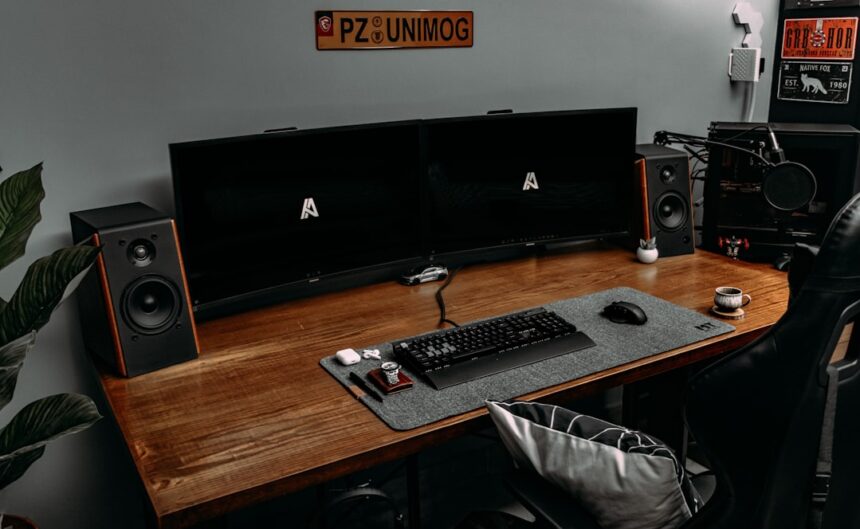
You’ve seen them. The meticulously curated images on social media, the sleekly minimalist workspaces that seem impossibly serene yet vibrantly productive. They beckon with clean lines, carefully chosen color palettes, and an abundance of carefully placed objects. These are aesthetic desk setups, and while their visual appeal is undeniable, you might want to pause and consider their true impact on your workflow.
The Siren Song of the Serene Workspace
The initial allure of an aesthetic desk setup is powerful. It promises to transform your chaotic corner into a sanctuary of focus, a biome precisely engineered for peak performance. You’re presented with rows of matching notebooks, artisan pens artfully arranged, ambient lighting that casts a warm glow, and perhaps a strategically placed succulent. The implied narrative is simple: this level of visual order will translate directly into mental clarity and unparalleled productivity. It’s a seductive proposition, especially when your current workspace feels like a reflection of a minor personal apocalypse. This is where the distraction begins, not with a bang, but with a whisper of aspirational perfection.
The Perceived Productivity Boost
The core attraction is the belief that a visually pleasing environment will inherently make you a more productive individual. You envision yourself effortlessly gliding through tasks, each keystroke a testament to the harmonious ecosystem you’ve created.
The Illusion of Control
When your external environment is aesthetically pleasing, it can provide a sense of control. This is particularly appealing in roles where much of your work might feel abstract or unpredictable.
The Social Currency of the ‘Workspace Aesthetic’
Let’s be honest, a beautiful desk setup garners likes and comments. It becomes a form of digital currency, a way to signal your dedication to your craft and your refined taste. This external validation can subtly influence your perception of productivity, even if actual output hasn’t changed.
The Investment in ‘Atmosphere’
A significant part of the aesthetic desk setup craze lies in creating a specific mood or atmosphere. It’s about more than just functionality; it’s about crafting an experience.
The Role of Lighting
From ring lights to desk lamps with adjustable color temperatures, lighting is a key component. The goal is often to mimic natural light or create a mood that conducive to prolonged focus.
The Impact of Color Psychology
The deliberate choice of colors, from calming blues and greens to energizing oranges and yellows, is intended to evoke specific emotional and cognitive responses.
A recent article on the impact of aesthetic desk setups on productivity highlights how visually appealing workspaces can inadvertently distract the brain, leading to decreased focus and efficiency. The article discusses the psychology behind clutter and design, suggesting that while a beautiful desk may inspire creativity, it can also create sensory overload. For more insights on this topic, you can read the full article at Productive Patty.
The Hidden Costs of Picture-Perfect Perfection
While the aesthetic is captivating, it’s crucial to examine what’s happening beneath the polished surface. The energy and resources – both mental and actual – you dedicate to achieving and maintaining this visual perfection can often detract from the very work you aim to accomplish.
The Time Sink of Curating and Maintaining
You spend hours browsing Pinterest and Instagram, searching for the ‘perfect’ item. Then comes the shopping itself, the waiting for deliveries, the agonizing over placement. Once achieved, the maintenance begins: dusting, rearranging, ensuring everything is always precisely how you envisioned it. This time, undoubtedly, could have been spent on actual tasks.
The Endless Cycle of Acquisition
The pursuit of the perfect aesthetic can become a treadmill. You acquire a new desk accessory, and suddenly, your existing mousepad looks jarringly out of place. The quest for perfection is rarely satisfied.
The Perfectionism Trap
For individuals prone to perfectionism, an aesthetic desk can be a breeding ground for anxiety. Every misplaced pen or slightly smudged monitor becomes a point of significant stress, derailing focus.
The Financial Drain of ‘Essential’ Accessories
Those beautiful notebooks, artisanal pens, ergonomic monitor arms, and ambient lamps aren’t cheap. The financial outlay for a truly ‘aesthetic’ setup can be substantial, leading to a situation where you’ve spent a small fortune to create a workspace that looks productive but doesn’t necessarily make you more so.
The Premium for Form Over Function
Often, aesthetically pleasing items come with a premium price tag, with little or no added functional benefit over their less stylish counterparts. You’re paying for the look, not necessarily the performance.
The Pressure to Constantly Upgrade
As trends shift, you might feel compelled to update your setup to remain current. This can lead to a continuous cycle of spending and obsolescence.
The Distraction Within the Design
The very elements that make an aesthetic desk setup visually appealing can, paradoxically, become significant distractions. Instead of fostering focus, they can pull your attention away from your tasks.
The Cognitive Load of Visual Clutter (Even if Organized)
While an aesthetic desk might appear clean, the sheer number of objects, even when artfully arranged, can still contribute to cognitive load. Your brain is still processing these items, even if subconsciously.
The ‘Easter Eggs’ of Distraction
Each carefully placed object, from a quirky miniature to a motivational quote card, is a potential rabbit hole. A glance at a book cover, a fleeting thought about a decorative item, can pull you away from your primary objective.
The Competing Visual Stimuli
When your desk is a feast for the eyes, it’s also competing for your visual attention. Your gaze might wander from your screen to the perfectly aligned stack of books, or the artfully arranged succulents, breaking your concentration.
The Temptation to ‘Tinker’ and Reorganize
A beautiful desk can become a playground for procrastination. Instead of working, you might find yourself spending time rearranging those decorative items, adjusting the angle of your monitor, or wiping down surfaces.
The ‘Productive Procrastination’ Loop
You tell yourself you’re ‘improving your workspace,’ which feels productive, but you’re actively avoiding the harder, more demanding cognitive tasks.
The Unconscious Avoidance Behavior
The act of fiddling with your desk can be an unconscious way to avoid engaging with challenging work, using the perceived task of desk organization as a shield.
Reclaiming Your Focus: Prioritizing Function Over Form
The desire for a pleasant workspace is understandable. However, the key lies in shifting your perspective from purely aesthetic pursuits to a more functional approach. This doesn’t mean your workspace has to be drab and utilitarian. It’s about finding a balance where visual appeal serves, rather than distracts from, your actual work.
Defining Your True Workspace Needs
Before you buy another desk accessory, ask yourself: what do I genuinely need to do my best work? Consider the tasks you perform most often and the tools that genuinely facilitate those tasks.
The Importance of Essential Tools
Identify the absolute necessities for your workflow: a comfortable chair, adequate lighting directly on your task area, a well-functioning keyboard and mouse, and sufficient desk surface for your primary activities.
Avoiding ‘Desk Clutter Bloat’
Be ruthless in decluttering. If an item doesn’t serve a clear purpose or isn’t used regularly, consider its removal. Less is often more when it comes to genuine focus.
Embracing Minimalist Functionality
A minimalist approach can be aesthetically pleasing and highly functional. The principle is to keep only what is essential and to ensure those essentials are easily accessible and well-maintained.
Intentionality in Every Item
Each item on your desk should have a purpose, and that purpose should be clear. This reduces the mental overhead of constantly processing unnecessary visual information.
The Power of ‘Unseen’ Organization
True organization isn’t always about visible tidiness. It’s about having systems in place that make it easy to find what you need and put things away, even if those systems are largely out of sight.
Many people believe that aesthetic desk setups can enhance productivity, but recent studies suggest they might actually distract your brain. For instance, an article on this topic discusses how cluttered or overly stylized workspaces can lead to decreased focus and increased cognitive load. You can read more about this intriguing perspective in the article found here. By understanding the impact of our surroundings on our mental state, we can create a workspace that truly supports our productivity rather than hinders it.
The Path to Sustainable Productivity
Ultimately, the goal is not to dismantle your desk and replace it with a bare slab of wood. It’s to cultivate a workspace that supports your productivity without becoming a self-sabotaging obsession. Recognize the allure of the aesthetic but understand its potential pitfalls. Prioritize function, be mindful of your time and financial investments, and create a space that truly serves you and your work. Your productivity will thank you for it, not with a perfectly staged Instagram photo, but with tangible, focused output.
The Long-Term Benefits of a Functional Workspace
A workspace designed for functionality, not just Instagram appeal, will yield more sustainable productivity gains. It reduces friction in your workflow and minimizes your susceptibility to distraction.
Reduced Stress and Increased Flow State
When your environment supports your tasks, you experience less frustration and are more likely to enter a state of flow, where work feels effortless and engaging.
Improved Work Quality and Efficiency
By minimizing distractions and ensuring easy access to necessary tools, you can dedicate more mental energy to the complexity of your tasks, leading to higher quality work completed more efficiently.
The Evolving Nature of Your Workspace
Understand that your workspace is not static. As your needs and workflows evolve, so too should your desk setup. This requires ongoing re-evaluation and a commitment to maintaining a functional balance.
Regular Workspace Audits
Periodically assess your desk setup. Are there items you no longer use? Are there new tools that would genuinely improve your productivity?
The Freedom from Aesthetic Pressure
Once you’ve embraced functionality, you can free yourself from the pressure of constantly chasing the next aesthetic trend. Your workspace becomes a tool, not a performance.
FAQs
1. What is an aesthetic desk setup?
An aesthetic desk setup refers to a visually pleasing and stylish arrangement of items on a desk, often including decorative elements, plants, and coordinated color schemes.
2. How does an aesthetic desk setup affect the brain?
Research suggests that overly aesthetic desk setups can be distracting to the brain, as they may draw attention away from the primary task at hand and lead to decreased focus and productivity.
3. What are the potential drawbacks of an overly aesthetic desk setup?
An overly aesthetic desk setup can lead to decreased productivity, increased procrastination, and difficulty in maintaining focus on work tasks. It may also contribute to decision fatigue and mental clutter.
4. Are there benefits to having a more minimalist desk setup?
A more minimalist desk setup can help reduce distractions, improve focus, and create a more organized and efficient work environment. It may also contribute to a sense of calm and clarity.
5. How can individuals strike a balance between aesthetics and functionality in their desk setup?
To strike a balance between aesthetics and functionality, individuals can prioritize essential items for their desk, incorporate minimal and intentional decorative elements, and regularly declutter and organize their workspace to maintain a visually pleasing yet productive environment.