The allure of the deep sea, with its mysterious canyons and seemingly untouched mineral wealth, has captured human imagination for decades. Yet, as the prospect of deep-sea mining moves from theoretical discussion to practical application, a potent and pervasive threat looms: the plumes generated by these operations. You are about to venture into the heart of this environmental concern, understanding not just what these plumes are, but the cascading and potentially irreversible damage they can inflict upon one of Earth’s last frontiers.
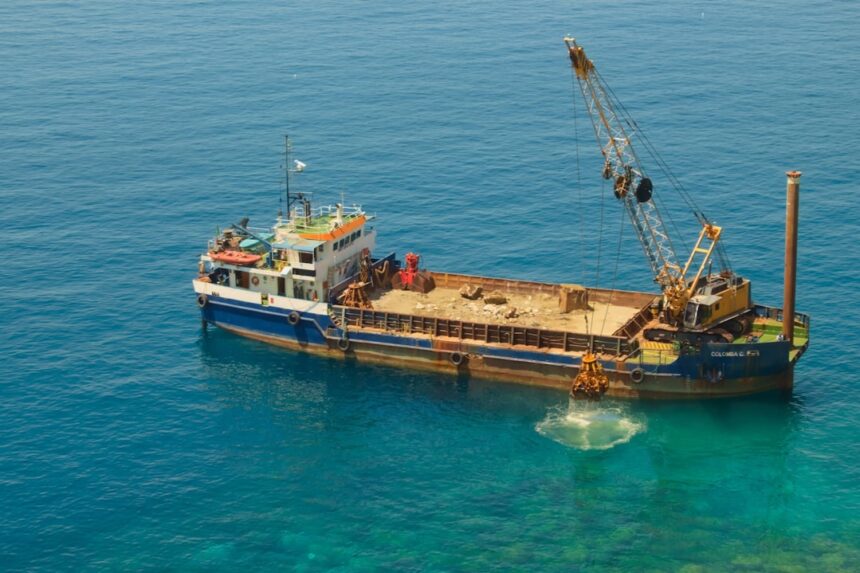
When you consider deep-sea mining, visualize massive vessels hovering above the ocean floor, cables descending into the abyss, and sophisticated machinery scooping up polymetallic nodules or extracting mineral-rich crusts. This is where the plumes originate. They are not simply a by-product; they are an inherent consequence of disturbing vast swathes of the seafloor.
The Mechanical Disturbance: A Surface-Level View
The most immediate source of plume generation is the destructive process of seafloor intervention. Hydraulic systems, mechanical excavators, and continuous-line bucket systems churn up the seabed. This action, akin to a giant underwater bulldozer, indiscriminately loosens sediment, detritus, and any organic matter that has accumulated over millennia. The scale of this disturbance is significant, with mining machinery designed to cover considerable areas, leaving a wake of freshly disturbed seabed.
Sediment Resuspension: The Primary Catalyst
At the heart of plume formation lies sediment resuspension. As the mining equipment operates, it breaks apart the consolidated layers of the seafloor. This process releases fine particulate matter into the water column. The size and density of these particles will vary, but even the smallest, most inert grains, when suspended in such volumes, can alter the local environment. Imagine a dust storm in the desert, but occurring in the perpetual darkness of the deep ocean.
Organic Matter Release: A Double-Edged Sword
The seafloor is not an inert landscape. It is home to a diverse array of life, from microscopic organisms to larger invertebrates, all contributing to the organic matter that forms the seafloor sediment. When this sediment is disturbed, this organic material is also released. While some might assume this is a benign addition of nutrients, its release in such concentrated and unnatural bursts can have detrimental effects, disrupting established biogeochemical cycles.
The Hydraulic Conundrum: A More Complex Component
Many deep-sea mining concepts rely on hydraulic systems to transport the mined materials from the seafloor to the surface. This introduces another layer of plume generation, often with a distinct character and dispersal pattern.
Discharge of Seawater: An Unacknowledged Effluent
The process of mining often involves pumping large volumes of seawater both down to the machinery and back up with the extracted materials. This discharged water, while nominally “seawater,” is not pristine. It has passed through the mining machinery, potentially carrying lubricants, hydraulic fluids, and other trace chemicals. More importantly, it is often discharged at a higher temperature and with different chemical properties than the surrounding water, leading to localized changes that can stress marine life.
Fine Sediment Entrainment: A Persistent Problem
Even after processing, the discharged water will inevitably carry fine sediment particles that were not fully removed. These particles, often of microscopic size, can remain suspended for extended periods, contributing to the overall turbidity of the water column. The pressure and volume of these discharges can also create localized turbulence, further entraining existing particulate matter.
Deep sea mining has garnered significant attention due to its potential environmental risks, particularly concerning the plumes generated during the extraction process. These plumes can have detrimental effects on marine ecosystems, impacting biodiversity and the health of ocean habitats. For a deeper understanding of these environmental challenges, you can read a related article that explores the implications of deep sea mining on oceanic life and the broader ecological consequences at this link.
The Journey of a Plume: Dispersion and Downstream Effects
Once generated, deep-sea mining plumes do not simply dissipate within meters of the operation. Their movement and dispersal are governed by complex oceanic processes, leading to widespread and long-lasting impacts.
Oceanic Currents: The Unseen Architects of Dispersal
The deep ocean is not a stagnant environment. Powerful currents, driven by thermohaline circulation and wind patterns, are constantly at play. These currents act as the primary agents of plume dispersal, carrying suspended particles far from the original mining site. The direction and speed of these currents are critical in determining the reach of the plume, potentially affecting vast areas of the seabed and water column.
Mesoscale and Sub-Mesoscale Eddies: Localized Chaos
Beyond large-scale currents, the dynamic nature of the ocean includes smaller, yet significant, features like mesoscale and sub-mesoscale eddies. These swirling masses of water can trap plumes, concentrating particulate matter and creating localized zones of high turbidity. They can also act as transport mechanisms, moving plumes in unpredictable directions and to unexpected distances.
Stratification and Mixing: The Vertical Dimension of Risk
The ocean is not uniformly mixed. Layers of water with different temperatures, salinities, and densities exist, a phenomenon known as stratification. Plumes are introduced at specific depths, and their vertical movement and dispersal will be heavily influenced by this stratification. If a plume is introduced into a stable, stratified layer, it may remain confined to that depth for a prolonged period, impacting organisms within that specific habitat. Conversely, turbulent mixing can distribute particles across different depth zones.
Particle Settling Rates: A Race Against Time
The ultimate fate of most suspended particles is to settle back to the seafloor. However, the rate at which this occurs is highly variable, depending on the size, density, and composition of the particles. Fine particles, particularly those with organic coatings, can remain suspended for weeks, months, or even years, allowing them to travel considerable distances.
Aggregation and Flocculation: The Clumping Effect
In the water column, fine particles can interact with each other and with organic matter, leading to aggregation and flocculation. This process, where small particles clump together to form larger aggregates, can influence their settling rates. While larger aggregates may settle faster, their increased biological availability can also present a different set of risks.
Long-Range Transport: A Global Concern?
The combination of oceanic currents and slow settling rates raises the alarming possibility of long-range transport. Particles released from a mining operation in one region could potentially be carried to distant ecosystems, impacting areas never directly subjected to mining. This raises concerns about the cumulative and transboundary impacts of deep-sea mining.
Ecological Impacts: A Cascade of Consequences

The physical presence of deep-sea mining plumes translates into a direct and often devastating impact on the unique and fragile ecosystems of the deep ocean. These impacts are not isolated incidents but rather a cascade of consequences that can disrupt established ecological relationships.
Smothering the Benthic Realm: A Suffocating Overlay
The most direct and visually apparent impact of plumes is the deposition of sediment onto the seafloor. This fine particulate matter can bury and smother benthic organisms, particularly those with sessile lifestyles or specialized feeding mechanisms.
Impact on Filter Feeders: Starvation by Sedimentary Doom
Many deep-sea invertebrates are filter feeders, relying on currents to bring them suspended food particles. As plumes increase turbidity, they clog the feeding apparatus of these organisms, effectively starving them. Imagine trying to eat through a constant, muddy downpour – it becomes an impossible task. This not only affects individual organisms but can lead to widespread population declines.
Burial of Eggs and Larvae: Interrupting the Life Cycle
Benthic environments are critical as nurseries for the early life stages of many marine species. The settling of plumes can bury eggs laid on the seafloor or the larvae that have yet to settle, preventing them from reaching maturity. This disruption of reproductive cycles can have long-term demographic consequences for these populations.
Alteration of Habitat Structure: A Loss of Foundation
The seafloor is not just sediment; it is a complex mosaic of geological features, coral reefs, and sponge gardens that provide habitat and shelter for countless species. The deposition of thick layers of sediment can fundamentally alter this habitat structure, transforming complex environments into homogenous plains, rendering them unsuitable for the organisms that once thrived there.
The Optical Abyss: Dimming the Dim Light
While the deep sea is characterized by darkness, it is not entirely devoid of light. Bioluminescence plays a critical role in communication, predation, and defense. Plumes can significantly reduce the penetration of any ambient light, including bioluminescence, disrupting these vital biological processes.
Disruption of Predator-Prey Dynamics: A Shift in the Hunt
For organisms that rely on visual cues, whether for hunting prey or avoiding predators, increased turbidity can be a significant disadvantage. Predators may struggle to locate their prey in the murky water, while prey species may be less able to detect approaching threats, leading to shifts in established predator-prey dynamics.
Impairment of Bioluminescent Communication: Lost in the Murk
Bioluminescence is a language of the deep. It is used for species identification, courtship, and even to lure prey. Increased turbidity can act as a “fog” on this bioluminescent communication, making it harder for organisms to find mates or signal danger, hindering their ability to interact effectively.
Chemical Contamination: More Than Just Sediment
While physical smothering is a primary concern, plumes are not exclusively composed of inert sediment. They can also carry and release other substances with potentially harmful chemical properties.
Mobilization of Metals and Toxins: Unleashing Buried Hazards
Deep-sea sediments, particularly those rich in minerals, can contain naturally occurring metals and other toxic elements. The disturbance caused by mining operations can mobilize these substances, releasing them into the water column where they can become bioavailable to marine organisms. This can lead to bioaccumulation and biomagnification within food webs.
Release of Processing Additives: Industrial Effluents in the Abyss
As mentioned earlier, the discharge from mining operations can contain processing additives, lubricants, and other chemicals used in the extraction process. Even in small quantities, these can be toxic to marine life and disrupt delicate physiological processes. The long-term effects of chronic exposure to these substances are poorly understood.
Physiological Stress and Behavioral Changes: The Unseen Toll
Beyond the direct physical and chemical impacts, the presence of plumes can induce significant physiological stress and alter the behavior of marine organisms, leading to a reduction in their overall health and resilience.
Respiratory Challenges: Difficulty in Breathing the Murky Water
For organisms that respire by extracting oxygen from the water, increased turbidity can create significant challenges. The fine particles in the water can clog their gills, making it more difficult to absorb oxygen. This can lead to reduced metabolic rates, increased energy expenditure to compensate, and in severe cases, suffocation.
Gill Damage and Irritation: A Constant State of Inflammation
The abrasive nature of fine sediment particles can cause physical damage and irritation to the delicate tissues of fish gills and invertebrate respiratory structures. This can lead to chronic inflammation, increased susceptibility to disease, and impaired respiratory function.
Oxygen Depletion in Sediments: A Vicious Cycle
When plumes settle and bury benthic organisms, the decomposition of this buried organic matter can lead to localized oxygen depletion in the sediment. This creates an anoxic or hypoxic environment that can kill off organisms that rely on oxygen in the sediment, further degrading the habitat.
Feeding Difficulties Beyond Smothering: A Preoccupping Problem
While direct smothering is a major issue, plumes can also impact feeding in more subtle ways, creating a constant struggle for sustenance.
Reduced Foraging Efficiency: A Wasted Effort
Foraging animals, particularly those that use visual cues, will find their efficiency significantly reduced in turbid waters. They may expend more energy searching for food with a lower probability of success, leading to a negative energy balance.
Decreased Palatability of Food: A Less Appealing Meal
The fine particles that make up plumes can also contaminate the food sources of many organisms. This can make their food less palatable or even toxic, further exacerbating feeding difficulties.
Behavioral Shifts and Stress Responses: A Constant State of Alert
The presence of plumes can induce a state of chronic stress in marine organisms, leading to altered behaviors and reduced reproductive success.
Avoidance Behavior: Fleeting Refuges
Many mobile species will likely attempt to avoid areas with high turbidity, seeking out clearer waters. However, this avoidance behavior can lead them away from important feeding grounds or breeding areas, disrupting their life cycles.
Increased Predation Risk From Evasion: A Costly Escape
When trying to escape from high turbidity, organisms may be forced into areas where they are more vulnerable to predation or where there is less food available. The act of evading the plume can itself become a new source of risk.
Impaired Navigation and Sensory Perception: Lost at Sea (Figuratively)
For species that rely on subtle environmental cues for navigation and orientation, the presence of plumes can disrupt these abilities. This can lead to disorientation, difficulty in finding mates, and problems in locating suitable habitats.
Deep sea mining has garnered significant attention due to its potential environmental risks, particularly concerning the plumes generated during the extraction process. These plumes can have detrimental effects on marine ecosystems, affecting biodiversity and the health of ocean habitats. For a more in-depth exploration of these environmental concerns, you can read a related article that discusses the implications of deep sea mining and its impact on ocean life. To learn more, visit this informative article.
Long-Term and Cumulative Effects: A Legacy of Disturbance
| Environmental Risks | Deep Sea Mining Plumes |
|---|---|
| Impact on Marine Life | Disruption of habitats and ecosystems |
| Sedimentation | Increased turbidity and reduced light penetration |
| Chemical Pollution | Release of heavy metals and toxic substances |
| Long-term Effects | Uncertainty about recovery and regeneration of deep sea ecosystems |
The concern surrounding deep-sea mining plumes extends beyond the immediate impacts. The long-term and cumulative effects raise the specter of widespread and potentially irreversible damage to deep-sea ecosystems.
Slow Recovery Rates in the Deep Sea: A Harsh Environment for Rebuilding
The deep ocean is characterized by extremely slow growth rates, low metabolic rates, and long generation times. This means that ecosystems damaged by mining operations will take an exceptionally long time to recover, if they can recover at all. The recovery processes that we are accustomed to seeing in shallower, more productive waters simply do not apply.
Ecosystem Resilience: Testing the Limits of Adaptation
The resilience of deep-sea ecosystems to disturbances is largely untested. The introduction of anthropogenically generated plumes represents a novel and extreme stressor. It is highly uncertain whether these ecosystems possess the inherent resilience to withstand such persistent and widespread disruption.
Extirpation and Extinction: The Ultimate Cost
In the worst-case scenarios, the cumulative and long-term impacts of plume generation could lead to the extirpation of local populations or even the extinction of species that are endemic to the affected areas. The unique biodiversity of the deep sea is particularly vulnerable to such localized extinctions.
Cumulative Impacts of Multiple Operations: A Mosaic of Damage
As deep-sea mining operations expand, the risk of cumulative impacts from multiple mining sites becomes a significant concern. The interaction of plumes from different operations, even if individually managed, could create far larger areas of impact and lead to synergistic effects that amplify the overall damage.
Overlapping Plume Footprints: A Wider Net of Destruction
If mining concessions are located in close proximity, their plumes could overlap, creating contiguous zones of elevated turbidity and sediment deposition. This reduces the potential for refuge for affected organisms and increases the likelihood of widespread ecosystem degradation.
Combined Stressors: A Multipronged Attack
The impacts of plumes are not occurring in isolation. They may interact with other anthropogenic stressors such as climate change, ocean acidification, and pollution from other sources. This combination of stressors could push deep-sea ecosystems beyond their tipping point.
The Unknowns of the Deep: A Vast Landscape of Ignorance
Our understanding of deep-sea ecosystems is still remarkably limited. There is a high degree of uncertainty regarding the specific sensitivities of many species to plume impacts, the long-term consequences of chronic exposure, and the potential for unforeseen cascading effects throughout the food web.
Insufficient Baseline Data: Measuring What We Don’t Know
For many deep-sea environments, we lack comprehensive baseline data on species composition, population densities, and ecosystem function. This makes it incredibly difficult to accurately assess the extent of the damage caused by mining plumes and to determine whether recovery is occurring.
Predicting Long-Term Consequences: A Crystal Ball Exercise
The complexity of deep-sea ecosystems makes it challenging to predict the long-term consequences of plume generation. Subtle changes in community structure, species interactions, and biogeochemical cycles could have unforeseen ripple effects that are only apparent decades or centuries later. The potential for irreversible, long-lasting damage is a serious and underappreciated risk.
Mitigating the Threat: Towards Responsible Exploration
The potential environmental risks posed by deep-sea mining plumes are substantial. Acknowledging these risks is the crucial first step towards developing responsible practices that minimize harm and protect the integrity of deep-sea ecosystems.
Technological Innovations: Striving for Cleaner Operations
The relentless pursuit of technological advancement offers a glimmer of hope in mitigating plume generation. Innovations in mining machinery, sediment management, and discharge systems are essential.
Closed-Loop Systems: Recycling the Sediment
The development of closed-loop mining systems, which aim to recycle sediment and discharge water back into the mining machinery, could significantly reduce the volume of material released into the water column. While technically challenging, this represents a promising avenue for minimizing plume impacts.
Advanced Filtration and Sediment Capture: Keeping Particles Contained
Improved filtration and sediment capture technologies at the point of discharge could prevent a substantial proportion of fine particles from entering the water column. This requires continuous research and development to ensure effectiveness in the harsh deep-sea environment.
Optimized Discharge Strategies: Minimizing Dispersal
Careful consideration of discharge locations and depths, along with strategies to minimize turbulence, could help to reduce the dispersal and impact of any unavoidable plumes. This might involve discharging in areas with stronger currents that promote faster dispersal or at depths where sensitive ecosystems are less likely to be affected.
Robust Monitoring and Adaptive Management: Learning and Adjusting
Even with the best intentions and technologies, some plume generation is likely unavoidable. Therefore, a robust system of monitoring and adaptive management is paramount.
Comprehensive Environmental Impact Assessments: A Pre-Mining Imperative
Thorough and independent environmental impact assessments must be conducted prior to any deep-sea mining operation. These assessments need to consider the potential plume impacts in detail and inform the permitting process to ensure that operations are only approved where risks can be demonstrably minimized.
Real-Time Plume Monitoring: Keeping an Eye on the Cloud
The development and deployment of advanced sensors for real-time monitoring of plume density, extent, and composition are crucial. This data can then be used to inform adaptive management strategies, allowing operators to adjust their activities if plumes exceed predicted thresholds or threaten sensitive areas.
Independent Scientific Oversight: Ensuring Accountability
Independent scientific bodies, free from commercial influence, must be responsible for overseeing monitoring programs and evaluating the effectiveness of mitigation measures. This ensures scientific rigor and public trust in the process.
The Precautionary Principle: A Prudent Path Forward
Given the profound uncertainties and the potentially irreversible nature of deep-sea impacts, the application of the precautionary principle is not merely advisable; it is essential.
Prioritizing Ecosystem Protection Over Extraction: A Fundamental Shift
The precautionary principle dictates that where there are threats of serious or irreversible damage, lack of full scientific certainty shall not be used as a reason for postponing cost-effective measures to prevent environmental degradation. In the context of deep-sea mining, this means prioritizing the protection of these vulnerable ecosystems over immediate economic gains from mineral extraction.
Establishing No-Go Zones: Preserving Pristine Habitats
The identification and designation of large, representative areas of the deep sea as “no-go zones” for mining activities are critical. These protected areas would serve as vital refuges for biodiversity and as reference sites against which the impacts of mining in other areas can be assessed.
Pausing on Commercial Extraction Until Risks are Understood: A Responsible Moratorium
Until comprehensive scientific understanding of plume impacts is achieved and effective mitigation strategies are proven, a moratorium on commercial deep-sea mining operations may be the only responsible course of action. This pause allows for continued research and the development of truly sustainable practices. The allure of deep-sea minerals should not blind you to the profound responsibility you hold for safeguarding these unique and invaluable environments. The storms of sediment you stir in the abyss have the potential to brew a lasting legacy of damage that could take millennia, if ever, to mend.
FAQs
What are deep sea mining plumes?
Deep sea mining plumes are the sediment clouds that are created when mining machines extract minerals from the seabed. These plumes consist of fine particles and chemicals that can spread over large areas and have the potential to impact marine ecosystems.
What are the environmental risks associated with deep sea mining plumes?
The environmental risks of deep sea mining plumes include smothering and burial of benthic organisms, disruption of deep sea habitats, release of toxic chemicals and heavy metals, and alteration of water chemistry. These risks can have long-term and potentially irreversible impacts on marine ecosystems.
How do deep sea mining plumes affect marine life?
Deep sea mining plumes can affect marine life by smothering and burying benthic organisms, disrupting food chains and habitats, and exposing organisms to toxic chemicals and heavy metals. These impacts can lead to declines in biodiversity and ecosystem health.
What are the potential long-term effects of deep sea mining plumes?
The potential long-term effects of deep sea mining plumes include changes in sediment composition, alteration of water chemistry, loss of habitat and biodiversity, and disruption of ecosystem functioning. These effects can have far-reaching consequences for the health and resilience of deep sea ecosystems.
What are some alternatives to deep sea mining to reduce environmental risks?
Some alternatives to deep sea mining to reduce environmental risks include recycling and reusing metals, improving land-based mining practices, investing in sustainable resource management, and promoting the development of environmentally friendly technologies. These alternatives can help minimize the environmental impacts of mineral extraction while meeting the demand for critical metals.