
You may have heard the term “laziness” thrown around casually, often used to describe a lack of motivation or an unwillingness to engage in tasks. However, this label can be misleading and oversimplified. The concept of laziness is often rooted in societal expectations and personal judgments, which can lead you to believe that your struggles with motivation are a character flaw rather than a complex interplay of biological, psychological, and environmental factors.
Understanding the “laziness lie” is crucial for reframing how you view your own behaviors and motivations. When you label yourself as lazy, you may inadvertently trap yourself in a cycle of negative self-talk and diminished self-worth.
By recognizing that what you perceive as laziness may actually stem from deeper neurological and psychological processes, you can begin to dismantle this harmful narrative. The journey toward understanding the intricacies of motivation and behavior is not just enlightening; it can also empower you to make meaningful changes in your life.
Key Takeaways
- Laziness is often misunderstood and linked to complex brain functions rather than mere lack of willpower.
- Dopamine plays a crucial role in motivation and can influence feelings of laziness.
- Procrastination negatively affects brain function, reinforcing lazy behaviors.
- Neuroplasticity allows the brain to change, enabling the formation of new, productive habits.
- External factors like stress, sleep quality, and technology significantly impact motivation and laziness.
The Neuroscience of Motivation
To grasp the complexities of motivation, it’s essential to delve into the neuroscience behind it. Your brain is a highly intricate organ, and its various regions work together to influence your drive to act. The prefrontal cortex, for instance, plays a pivotal role in decision-making and goal-setting.
When you set a goal, this area of your brain helps you plan the steps necessary to achieve it. However, if you find yourself struggling to take action, it may not be a matter of willpower but rather how your brain is wired to respond to motivation. Moreover, the limbic system, which includes structures like the amygdala and hippocampus, is involved in emotional responses and memory formation.
This means that your past experiences can significantly shape your current motivation levels. If you’ve faced repeated failures or setbacks, your brain may associate certain tasks with negative emotions, leading you to avoid them altogether. Understanding this neural landscape can help you realize that motivation is not merely a matter of choice; it’s deeply embedded in your brain’s architecture.
The Role of Dopamine in Laziness

Dopamine is often referred to as the “feel-good” neurotransmitter, but its role in motivation is far more nuanced than that. When you engage in activities that bring you pleasure or satisfaction, your brain releases dopamine, reinforcing those behaviors and encouraging you to repeat them. However, if you’re struggling with motivation, it could be due to an imbalance in dopamine levels or how your brain processes this neurotransmitter.
When you perceive a task as daunting or uninteresting, your brain may not release enough dopamine to motivate you to start. This can create a vicious cycle where the lack of motivation leads to procrastination, which in turn reinforces the belief that you’re lazy. By understanding the role of dopamine in your motivational landscape, you can take steps to boost its levels naturally through activities that bring you joy or fulfillment.
This could involve setting smaller, achievable goals that provide quick wins and stimulate dopamine release.
The Impact of Procrastination on the Brain
| Metric | Description | Impact on Brain | Reference Data |
|---|---|---|---|
| Prefrontal Cortex Activity | Region responsible for decision making and impulse control | Reduced activity during procrastination leading to poor self-regulation | fMRI studies show 20-30% decrease in activation during procrastination tasks |
| Stress Hormone Levels (Cortisol) | Hormone released in response to stress | Increased cortisol levels due to last-minute pressure and anxiety | Saliva tests indicate 15-25% higher cortisol in chronic procrastinators |
| Reward System Activation | Involves dopamine release linked to motivation and pleasure | Delayed gratification reduces dopamine response, reinforcing procrastination | Neuroimaging shows diminished dopamine release during delayed tasks |
| Memory Retention | Ability to store and recall information | Procrastination impairs working memory and long-term retention | Behavioral tests show 10-15% lower recall accuracy in procrastinators |
| Emotional Regulation | Managing emotional responses | Procrastination linked to increased negative emotions and poor regulation | Psychological assessments report higher anxiety and depression scores |
Procrastination is often viewed as a hallmark of laziness, but it’s essential to understand its psychological underpinnings. When you procrastinate, your brain is essentially engaging in a form of avoidance behavior. This can be linked to anxiety or fear of failure; when faced with a challenging task, your brain may trigger a stress response that makes you want to escape rather than confront the issue head-on.
Research has shown that procrastination can lead to changes in brain function over time. Chronic procrastinators may experience heightened levels of stress hormones like cortisol, which can impair cognitive function and further diminish motivation. This creates a feedback loop where procrastination leads to stress, which then leads to more procrastination.
Recognizing this pattern is crucial for breaking free from the cycle and reclaiming your ability to act decisively.
The Science of Habit Formation
Habits are powerful forces in your life; they shape your daily routines and influence your overall productivity. Understanding how habits form can provide valuable insights into overcoming feelings of laziness. The process of habit formation involves three key components: cue, routine, and reward.
When you encounter a cue—such as a specific time of day or an emotional state—you may automatically engage in a routine that leads to a reward. If you’re trying to combat laziness, consider how you can reshape your habits. Start by identifying cues that trigger unproductive behaviors and replace them with cues that encourage positive actions.
For instance, if you find yourself scrolling through social media when you should be working, try setting specific times for social media use as a reward for completing tasks. By consciously altering your routines and rewards, you can create new habits that foster motivation and productivity.
Overcoming the Laziness Lie: Neuroplasticity and Change
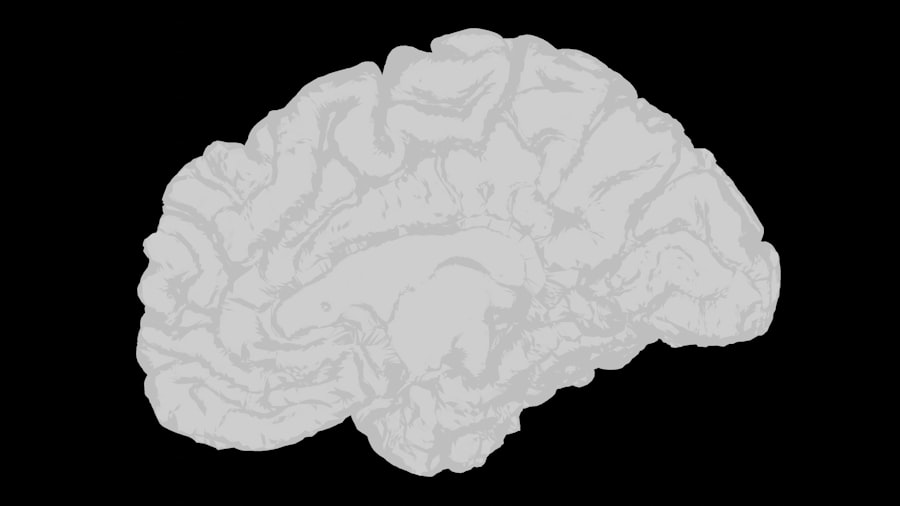
One of the most empowering concepts in neuroscience is neuroplasticity—the brain’s ability to reorganize itself by forming new neural connections throughout life. This means that even if you’ve struggled with motivation or feelings of laziness for years, change is possible. By actively engaging in new behaviors and thought patterns, you can reshape your brain’s wiring and cultivate a more motivated mindset.
To harness neuroplasticity effectively, start by setting small, achievable goals that challenge you without overwhelming you. Celebrate your successes along the way, no matter how minor they may seem.
Over time, these new connections can help diminish feelings of laziness and empower you to take action more readily.
The Influence of External Factors on Laziness
While internal factors like brain chemistry play a significant role in motivation, external influences cannot be overlooked. Your environment—both physical and social—can greatly impact your ability to act decisively. For instance, if you’re surrounded by distractions or negativity, it can be challenging to maintain focus and motivation.
Consider evaluating your environment and making adjustments where necessary. This could involve decluttering your workspace or surrounding yourself with supportive individuals who encourage productivity rather than complacency. By creating an environment conducive to action, you’re setting yourself up for success and reducing the likelihood of falling into patterns of laziness.
The Connection Between Stress and Laziness
Stress is another critical factor that can contribute to feelings of laziness or lack of motivation. When you’re under stress, your body enters a fight-or-flight mode that can lead to mental fatigue and emotional exhaustion. In such states, even simple tasks may feel overwhelming, causing you to retreat into avoidance behaviors.
To combat this connection between stress and laziness, it’s essential to develop effective stress management techniques. Mindfulness practices such as meditation or deep breathing exercises can help calm your mind and reduce anxiety levels. Additionally, regular physical activity has been shown to alleviate stress while boosting mood and motivation levels.
By addressing stress proactively, you can create a more favorable mental landscape for taking action.
The Role of Sleep in Combatting Laziness
Sleep is often an overlooked factor when it comes to motivation and productivity. A lack of quality sleep can lead to cognitive impairments such as decreased focus, poor decision-making skills, and heightened irritability—all of which can contribute to feelings of laziness. When you’re well-rested, however, your brain functions optimally, allowing for better concentration and increased motivation.
To improve your sleep quality, establish a consistent sleep schedule and create a calming bedtime routine that signals to your body it’s time to wind down. Limiting screen time before bed and creating a comfortable sleep environment can also enhance your restfulness. By prioritizing sleep as part of your overall strategy for overcoming laziness, you’ll find yourself better equipped to tackle tasks with renewed energy and focus.
The Impact of Technology on Laziness
In today’s digital age, technology plays a dual role in shaping our behaviors—both positively and negatively. While it offers tools for productivity and organization, it also presents countless distractions that can lead to procrastination and feelings of laziness. Social media platforms, streaming services, and endless notifications can easily pull you away from important tasks.
To mitigate the negative impact of technology on your motivation levels, consider implementing digital boundaries. Designate specific times for checking emails or social media rather than allowing them to interrupt your workflow constantly. Additionally, explore productivity apps that help you stay organized and focused on your goals rather than detracting from them.
By taking control of your technology use, you can create an environment that fosters productivity rather than laziness.
Embracing a Neuroscience-Based Approach to Overcoming Laziness
In conclusion, understanding the complexities behind what we often label as laziness allows for a more compassionate view of ourselves and our behaviors. By exploring the neuroscience of motivation—ranging from dopamine’s role to the impact of stress—you can begin to dismantle the harmful narrative surrounding laziness. Embracing concepts like neuroplasticity empowers you to reshape your habits and thought patterns actively.
As you navigate this journey toward greater motivation and productivity, remember that external factors also play a significant role in shaping your behaviors. By creating supportive environments and managing stress effectively while prioritizing sleep and mindful technology use, you’ll be better equipped to overcome feelings of laziness. Ultimately, adopting a neuroscience-based approach not only enhances your understanding but also equips you with practical strategies for fostering lasting change in your life.
In exploring the concept of the “laziness lie” through the lens of neuroscience, it’s fascinating to consider how our understanding of motivation and productivity can be influenced by various factors. For a deeper dive into this topic, you might find the article on productivity strategies at Productive Patty particularly insightful. It discusses practical approaches to overcoming perceived laziness and enhancing focus, which aligns well with the neuroscience behind motivation.
WATCH THIS! The Laziness LIE That Kills Your Productivity (The Science of Self-Sabotage)
FAQs
What is the “laziness lie” according to neuroscience?
The “laziness lie” refers to the misconception that people who struggle with motivation or productivity are simply lazy. Neuroscience shows that brain function, mental health, and neurological conditions can significantly impact motivation and energy levels, debunking the idea that lack of effort is the sole cause.
How does the brain influence motivation and productivity?
Motivation and productivity are regulated by complex brain systems involving neurotransmitters like dopamine, which affect reward processing and goal-directed behavior. Variations in these systems can influence a person’s drive and ability to initiate or sustain tasks.
Can neurological conditions affect a person’s energy and motivation?
Yes, conditions such as depression, ADHD, chronic fatigue syndrome, and other neurological or psychiatric disorders can impair brain function related to motivation, making it difficult for individuals to perform tasks despite their desire to do so.
Is lack of motivation always a sign of laziness?
No, lack of motivation can stem from various biological, psychological, and environmental factors. Neuroscience research emphasizes that it is often related to brain chemistry, mental health, or external stressors rather than a character flaw or laziness.
How can understanding neuroscience help in addressing motivation issues?
Understanding the brain mechanisms behind motivation can lead to better strategies for managing productivity challenges, including medical treatment, therapy, lifestyle changes, and supportive environments that acknowledge the biological basis of motivation difficulties.
What role does dopamine play in motivation?
Dopamine is a key neurotransmitter involved in the brain’s reward system. It helps regulate feelings of pleasure and reinforcement, which are critical for motivating behavior. Dysregulation of dopamine pathways can lead to decreased motivation and goal-directed activity.
Are there ways to improve motivation based on neuroscience findings?
Yes, approaches such as cognitive-behavioral therapy, medication for underlying conditions, regular physical exercise, adequate sleep, and structured goal-setting can help improve motivation by positively influencing brain function and neurochemical balance.
Why is it important to move beyond the “laziness” stereotype?
Moving beyond the laziness stereotype reduces stigma, encourages empathy, and promotes seeking appropriate help. Recognizing the neurological and psychological factors involved allows for more effective support and interventions for those struggling with motivation.