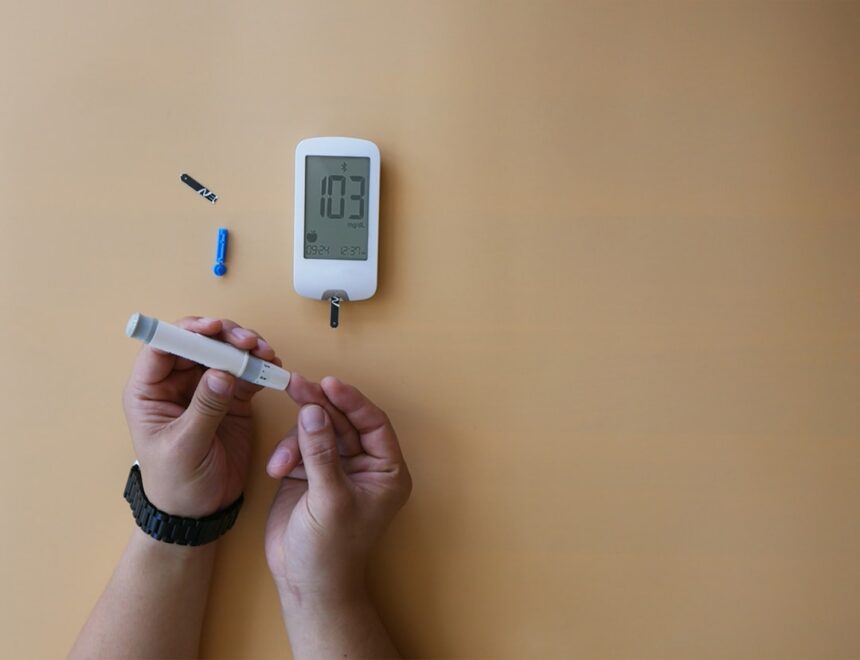
You’ve likely heard about insulin resistance, often associated with type 2 diabetes and metabolic health. But have you considered its far-reaching implications, extending beyond blood sugar levels and into the intricate workings of your brain? The connection between insulin resistance and dopamine signaling is a fascinating and increasingly understood area of neuroscience and endocrinology, suggesting a bidirectional relationship that impacts your mood, motivation, and behavior. This article explores that intricate link, delving into how these two crucial systems interact and what it might mean for your well-being.
Before we explore their connection, it’s essential to understand the individual roles of insulin and dopamine. Their functions are far more diverse than commonly perceived.
Insulin’s Brain Presence
While primarily known for its role in regulating blood glucose, insulin also plays a significant role within the central nervous system.
- Neurotransmitter Regulation: Insulin receptors are found throughout the brain, including regions involved in learning, memory, and mood, such as the hippocampus and hypothalamus. Insulin can influence the synthesis and release of various neurotransmitters, not just dopamine, but also serotonin and norepinephrine.
- Energy Metabolism in Neurons: Neurons, like other cells, require energy to function. Insulin facilitates glucose uptake into brain cells, ensuring adequate fuel for neuronal activity. This is crucial for cognitive processes and overall brain health.
- Neuroprotection: Research suggests that insulin may possess neuroprotective properties, shielding brain cells from damage caused by oxidative stress or inflammation. This aspect is still under active investigation.
Dopamine’s Multifaceted Involvement
Dopamine is a neurotransmitter that commands significant attention due to its association with pleasure and reward. However, its responsibilities are much broader.
- Reward and Motivation: The classic understanding of dopamine centers on its role in the brain’s reward pathways. It’s released when you engage in activities that are inherently pleasurable or conducive to survival, such as eating, social interaction, or achieving goals. This release reinforces those behaviors.
- Motor Control: Dopamine is vital for smooth and coordinated voluntary movement. A deficiency in dopamine in specific brain areas is the hallmark of Parkinson’s disease, leading to characteristic motor symptoms like tremors and rigidity.
- Cognition and Executive Functions: Beyond reward, dopamine is involved in several cognitive processes, including attention, working memory, planning, and problem-solving. It helps you filter distractions and focus on relevant information.
- Mood Regulation: While often linked to euphoria, dopamine’s influence on mood is more nuanced. It contributes to feelings of alertness, interest, and drive, and imbalances can be associated with conditions like depression and anhedonia (the inability to feel pleasure).
Recent research has highlighted the intricate relationship between insulin resistance and brain dopamine signaling, suggesting that metabolic dysfunction can significantly impact neurochemical pathways. For a deeper understanding of this connection, you can explore the article available at Productive Patty, which discusses how insulin resistance may influence dopamine levels and, consequently, affect mood and cognitive function.
The Emergence of Insulin Resistance in the Brain
The concept of insulin resistance isn’t confined to peripheral tissues like the liver and muscles. Your brain can also develop insulin resistance, impacting its intricate neurochemical balance.
Brain Insulin Resistance: A Growing Concern
When your brain becomes resistant to insulin, it struggles to utilize glucose effectively, even when blood glucose levels are normal.
- Impaired Glucose Uptake: Insulin signaling in the brain is critical for glucose to enter neurons. When this signaling is disrupted due to resistance, neurons may not receive sufficient fuel, potentially impairing their function and leading to deficits in cognitive processes.
- Disrupted Neurotransmitter Systems: As mentioned, insulin influences neurotransmitter systems. Insulin resistance can therefore lead to downstream effects on the synthesis, release, and receptor sensitivity of neurotransmitters like dopamine. This is a key area where the two systems intersect.
- Inflammation and Oxidative Stress: Insulin resistance is often accompanied by increased inflammation and oxidative stress. These processes can damage brain cells and contribute to neurodegenerative conditions.
Contributing Factors to Brain Insulin Resistance
Several lifestyle and genetic factors can contribute to the development of insulin resistance in your brain.
- Dietary Habits: Diets high in processed foods, refined sugars, and unhealthy fats are strongly linked to systemic insulin resistance, which can then impact the brain.
- Sedentary Lifestyle: Lack of physical activity reduces insulin sensitivity throughout the body, including the brain. Exercise is a potent modulator of both insulin and dopamine signaling.
- Obesity and Visceral Fat: Excess body fat, particularly visceral fat surrounding internal organs, is a major driver of insulin resistance.
- Chronic Stress: Prolonged exposure to stress can elevate cortisol levels, which can interfere with insulin signaling and contribute to insulin resistance.
- Genetics: Some individuals may have a genetic predisposition to developing insulin resistance more readily.
The Interplay: How Insulin Resistance Affects Dopamine Signaling
The disruption caused by insulin resistance within the brain directly impacts dopamine pathways, leading to a cascade of potential consequences for your motivation, reward processing, and overall mental state.
Dopamine Receptor Desensitization
One of the primary ways insulin resistance affects dopamine is through its influence on dopamine receptors.
- Reduced Receptor Sensitivity: When brain insulin signaling is impaired, it can lead to a decrease in the sensitivity of dopamine receptors. This means that even when dopamine is released, your brain may not respond to it as effectively. You might need a stronger stimulus or a higher concentration of dopamine to achieve the same level of activation.
- Impact on Reward Pathways: In the context of reward, this desensitization can manifest as a diminished sense of pleasure or satisfaction from activities that were once enjoyable. This is a significant component of anhedonia.
Altered Dopamine Synthesis and Release
Insulin’s role in neuronal energy metabolism and neurotransmitter regulation means that its resistance can directly affect how dopamine is produced and released.
- Energy Deficits for Dopamine Production: Dopamine synthesis is an energy-intensive process. If neurons are not efficiently taking up glucose due to insulin resistance, they may have less energy available, potentially leading to reduced dopamine production.
- Changes in Dopaminergic Neuron Function: Insulin can modulate the excitability of dopaminergic neurons. Insulin resistance can disrupt these modulatory effects, leading to altered firing patterns and subsequent changes in dopamine release into synaptic clefts.
Dopamine Transporter Regulation
The removal of dopamine from the synapse is primarily handled by dopamine transporters (DATs). Insulin resistance can influence the activity of these transporters.
- DAT Expression and Function: Some studies suggest that insulin resistance can lead to changes in the expression or function of DATs. This could result in dopamine being cleared from the synapse more quickly or slowly, altering its availability to receptors and thus influencing signaling. The exact mechanisms are complex and still being elucidated.
The Bidirectional Nature: Dopamine’s Influence on Insulin Sensitivity
The link isn’t solely one-way. Dopamine signaling itself can also play a role in modulating insulin sensitivity, further complicating and reinforcing this intricate relationship.
Dopamine and Metabolic Regulation
Dopamine pathways are intricately involved in regulating appetite and energy expenditure, which directly influence insulin sensitivity.
- Appetite Control: Dopamine in the hypothalamus plays a crucial role in regulating hunger and satiety signals. Dysregulated dopamine signaling can lead to overeating and weight gain, both of which contribute to insulin resistance.
- Energy Expenditure: Dopamine can influence aspects of your metabolism and physical activity levels. If dopamine signaling is impaired, you might experience reduced motivation for physical activity, contributing to a more sedentary lifestyle and consequently reduced insulin sensitivity.
Dopamine Agonists and Insulin Sensitivity
Research into drugs that target dopamine receptors has provided insights into this bidirectional link.
- Therapeutic Implications: In some cases, dopamine agonists (drugs that mimic the effects of dopamine) have been observed to improve insulin sensitivity in individuals with certain conditions. This suggests that enhancing dopaminergic signaling can positively impact metabolic health. However, this is a complex therapeutic area with potential side effects and requires careful medical supervision.
Recent studies have highlighted the intricate relationship between insulin resistance and brain dopamine signaling, suggesting that metabolic dysfunction can significantly impact neurotransmitter systems. For a deeper understanding of this connection, you can explore a related article that delves into the effects of insulin on dopamine pathways and their implications for mental health. This insightful piece can be found here, providing valuable information on how metabolic health influences brain function.
Implications for Your Health and Well-being
| Metrics | Insulin Resistance | Brain Dopamine Signaling |
|---|---|---|
| Effect | Reduces insulin sensitivity | Impacts dopamine release and reuptake |
| Consequences | Increased risk of type 2 diabetes | Linked to addictive behaviors and reward processing |
| Regulation | Can be improved through exercise and diet | Can be influenced by medications and lifestyle choices |
Understanding the link between insulin resistance and dopamine signaling has significant implications for how you approach your health, both physical and mental.
Cognitive and Mood Disturbations
The impact on dopamine pathways can manifest in various ways that affect your daily life.
- Diminished Motivation and Drive: Reduced dopamine signaling, stemming from insulin resistance, can lead to a lack of motivation, apathy, and a general feeling of being uninspired. This can make it difficult to initiate and sustain goal-directed behaviors.
- Anhedonia and Depression: The inability to experience pleasure or find enjoyment in activities, a hallmark of anhedonia, is strongly linked to impaired dopamine function. When insulin resistance contributes to this impairment, it can be a significant factor in the development or worsening of depressive symptoms.
- Focus and Attention Difficulties: Dopamine is crucial for regulating attention and executive functions. Insulin resistance-induced changes in dopamine signaling can contribute to difficulties concentrating, distractibility, and challenges with tasks requiring sustained mental effort.
Behavioral Changes and Addiction Vulnerability
The interplay between insulin resistance and dopamine can also influence your behavioral patterns and susceptibility to addictive behaviors.
- Compulsive Eating and Sugar Cravings: When dopamine reward pathways are dysregulated by insulin resistance, you might experience heightened cravings for highly palatable foods, particularly those high in sugar and fat. This can lead to a cycle of compulsive eating, further exacerbating insulin resistance.
- Increased Vulnerability to Addictive Behaviors: The blunted reward response associated with insulin resistance might drive individuals to seek out more intense or novel stimuli to experience pleasure. This can increase the risk of developing or relapsing into addictive behaviors, as the brain’s reward system becomes hypersensitive to external rewards.
Potential Therapeutic Avenues and Lifestyle Interventions
Recognizing this link opens doors to integrated approaches for managing both metabolic and neurological health.
- Dietary Modifications: Adopting a balanced diet rich in whole foods, lean proteins, healthy fats, and complex carbohydrates can improve insulin sensitivity and support healthy dopamine production. Reducing intake of processed foods and added sugars is paramount.
- Regular Physical Activity: Exercise is a powerful tool for enhancing insulin sensitivity and boosting dopamine levels. Aerobic exercise, in particular, has shown benefits for both metabolic health and mood regulation.
- Stress Management Techniques: Chronic stress negatively impacts both insulin signaling and dopamine pathways. Implementing effective stress management strategies, such as mindfulness, meditation, or yoga, can be beneficial.
- Adequate Sleep: Sufficient and restorative sleep is crucial for hormonal balance, including insulin regulation, and for the proper functioning of neurotransmitter systems like dopamine.
- Pharmacological Considerations (Under Medical Guidance): In certain clinical contexts, medications that target insulin pathways or dopamine signaling may be considered by healthcare professionals. However, these interventions are complex and require careful diagnosis and management.
By understanding the intricate ways insulin resistance and dopamine signaling intertwine, you gain a more comprehensive perspective on your overall health. This knowledge empowers you to make informed lifestyle choices that can positively influence both your metabolic well-being and your brain’s neurochemical balance, leading to improved mood, motivation, and cognitive function.
FAQs
What is insulin resistance?
Insulin resistance is a condition in which the body’s cells become resistant to the effects of insulin, leading to high levels of insulin in the blood. This can eventually lead to type 2 diabetes if not managed properly.
How does insulin resistance affect brain dopamine signaling?
Insulin resistance has been linked to disruptions in brain dopamine signaling, which can affect mood, motivation, and cognitive function. Research suggests that insulin resistance may contribute to dopamine dysfunction in the brain, leading to conditions such as depression and addiction.
What are the potential consequences of impaired brain dopamine signaling due to insulin resistance?
Impaired brain dopamine signaling due to insulin resistance may lead to an increased risk of developing mood disorders such as depression, as well as an increased susceptibility to addictive behaviors such as drug abuse and overeating.
Can insulin resistance be managed to improve brain dopamine signaling?
Yes, insulin resistance can be managed through lifestyle changes such as regular exercise, a healthy diet, and weight management. Additionally, medications and insulin therapy may be prescribed by healthcare professionals to help manage insulin resistance and improve brain dopamine signaling.
What are some potential treatment options for addressing insulin resistance and its impact on brain dopamine signaling?
Treatment options for addressing insulin resistance and its impact on brain dopamine signaling may include medications to improve insulin sensitivity, lifestyle modifications such as diet and exercise, and behavioral therapies to address any related mood or addiction issues. It is important to consult with a healthcare professional to determine the most appropriate treatment plan.