
You’ve likely experienced it. That moment when your brain feels like a sputtering engine running on fumes, productivity plummets, and the simplest task demands Herculean effort. You’ve hit the “70% energy cliff.” This isn’t just a feeling; it’s a surprisingly well-defined phenomenon with a distinct neurological basis. Understanding this cliff isn’t about finding a magic bullet, but rather about recognizing your brain’s sophisticated energy management system at work.
Your brain, though only about 2% of your body weight, is an insatiable energy glutton. It consumes approximately 20% of your body’s total caloric intake, primarily in the form of glucose. This constant demand means your brain operates on a tightly regulated energy budget, a system designed for survival. Think of your brain as a bustling metropolis, with neurons as its citizens, constantly sending and receiving signals – the city’s traffic. This traffic requires enormous amounts of energy to maintain, power the communication infrastructure, and keep the city running smoothly.
The Cellular Powerhouses: Mitochondria
At the heart of this energy production are mitochondria, the powerhouses of your cells, including neurons. These organelles are responsible for cellular respiration, the process of converting glucose and oxygen into adenosine triphosphate (ATP), the universal energy currency of the cell. Neurons are particularly mitochondria-rich, reflecting their high energy demands. The efficiency and number of these cellular power plants directly impact your cognitive function. When these mitochondria are optimally supplied and functioning, your brain’s energy reserves are robust, and you can sustain high levels of mental effort.
The Role of Glucose: The Brain’s Primary Fuel
Glucose, derived from the food you eat, is the brain’s preferred and most readily available fuel source. When glucose levels are stable, your brain has the necessary fuel to power complex operations like decision-making, problem-solving, and memory formation. Your body has intricate mechanisms to maintain blood glucose homeostasis, ensuring a steady supply to your brain. However, this supply isn’t unlimited, and fluctuations can have a direct impact on your cognitive state.
The Electrochemical Symphony: Neuronal Firing
Neurons communicate through intricate electrochemical signals. The movement of ions across neuronal membranes, the release of neurotransmitters, and the subsequent binding to receptors all require a significant expenditure of ATP. This constant firing, this electrochemical symphony, is what allows you to think, learn, and experience the world. When your energy reserves are depleted, the amplitude and frequency of these neuronal signals can be affected, leading to a noticeable decline in cognitive performance.
The concept of the 70 percent energy cliff in neuroscience highlights the significant drop in cognitive performance and energy levels that can occur when individuals exceed a certain threshold of mental exertion. For a deeper understanding of this phenomenon and its implications on productivity and mental health, you can explore a related article that discusses strategies to manage energy levels effectively. To read more about this topic, visit this article.
The Neurobiology of the 70% Energy Cliff
The 70% energy cliff isn’t a sudden flip of a switch; it’s a gradual but noticeable decline in cognitive performance that occurs when your brain’s readily available energy stores begin to run low. While the precise threshold can vary between individuals and situations, the underlying neurobiological mechanisms are consistent. It’s as if your city, the brain, starts to dim its lights in less critical districts to keep the essential services running.
Glucose Depletion and the Prefrontal Cortex
Studies suggest that the prefrontal cortex (PFC), the executive control center of your brain responsible for higher-order cognitive functions like planning, working memory, and impulse control, is particularly sensitive to glucose fluctuations. When glucose levels dip, the PFC is often the first to show signs of strain. This makes intuitive sense, as these demanding cognitive tasks require a consistent and robust energy supply.
Neurotransmitter Imbalances and Signal Attenuation
The production and release of neurotransmitters, the chemical messengers of your brain, are energetically expensive processes. When ATP levels decline, the synthesis and transport of these crucial molecules can be impaired. This can lead to a reduction in the strength and efficiency of neuronal communication, a phenomenon known as signal attenuation. Instead of crisp, clear signals, your brain begins to receive weaker, more garbled messages.
Adenosine Accumulation: The Brain’s Fatigue Signal
A key player in signaling fatigue is adenosine. As neurons fire and consume ATP, adenosine is released as a byproduct. Adenosine acts on specific receptors in the brain, particularly inhibitory receptors. This binding has a calming, sedating effect, effectively acting as a brake on neuronal activity. Think of adenosine as the city’s curfew, signaling that it’s time to wind down. When adenosine levels rise, it signifies increasing neural exhaustion.
The Role of Dopamine and Serotonin
Dopamine and serotonin are vital neurotransmitters involved in motivation, mood, and attention. Their synthesis and function are also dependent on adequate energy levels. As your brain’s energy depletes, the finely tuned balance of these neurotransmitters can be disrupted. This can manifest as decreased motivation, feelings of apathy, and difficulty concentrating, all hallmarks of hitting the energy cliff.
Navigating the Cliff: Recognizing the Signs

Recognizing the onset of the 70% energy cliff is crucial for effectively managing your cognitive resources. The signs are subtle at first, a slow erosion of your sharpest mental faculties, but they become increasingly pronounced as you descend further into depletion. Paying attention to these signals allows you to make proactive adjustments rather than simply pushing through to a state of near-complete cognitive shutdown.
Diminished Attention Span and Focus
One of the earliest and most common signs is a shortened attention span. You find yourself easily distracted, unable to sustain focus on a single task for an extended period. The vibrant tapestry of your thoughts begins to fray at the edges, and maintaining concentration becomes like trying to hold onto grains of sand.
Increased Errors and Reduced Decision-Making Quality
As your cognitive resources wane, so does the quality of your decision-making. You might find yourself making more errors, both in simple calculations and in more complex judgments. Your ability to weigh options, consider consequences, and think critically is compromised. It’s like the city’s traffic management system failing, leading to more fender-benders and gridlock.
Slower Processing Speed and Response Times
The speed at which your brain processes information and initiates responses also slows down. Tasks that were once effortless now feel sluggish. You might notice a delay between hearing a question and formulating an answer, or a lag in your reaction time to external stimuli. The once lightning-fast network of your brain starts to operate on dial-up speed.
Reduced Creativity and Problem-Solving Abilities
The spark of creativity and the agility of problem-solving are often the first casualties of an energy-depleted brain. You might feel stuck, unable to come up with new ideas or find elegant solutions to challenges. The innovative engine of your brain sputters and stalls.
Emotional and Motivational Shifts
The energy cliff isn’t just cognitive; it impacts your emotional state and motivation as well. You might experience increased irritability, frustration, or a general sense of being overwhelmed. Motivation plummets, and tasks that were once engaging now feel like insurmountable burdens.
The Impact on Cognitive Performance
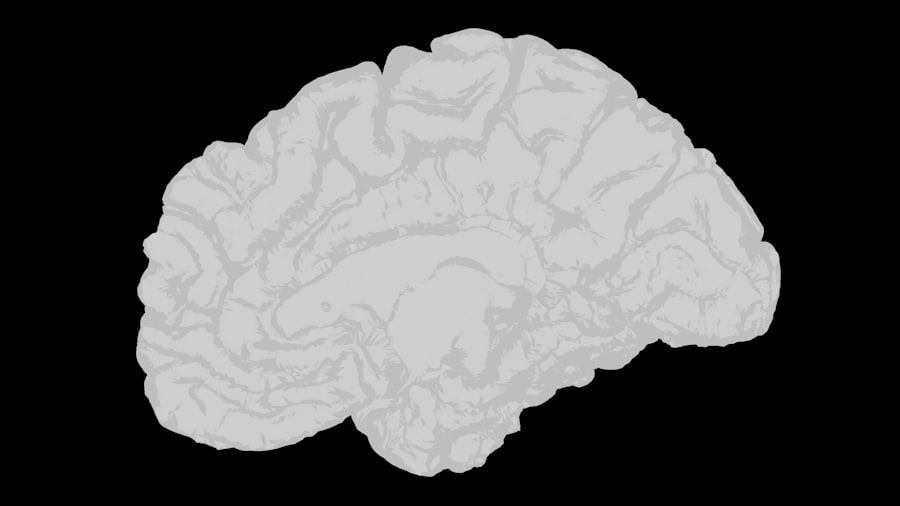
The 70% energy cliff doesn’t just make you feel tired; it demonstrably impairs your cognitive performance across a range of domains. Understanding these specific impacts helps you appreciate the real-world consequences of pushing your brain too hard for too long without adequate replenishment.
Impaired Working Memory
Working memory, the system that allows you to hold and manipulate information in your mind for short periods, is particularly vulnerable. This impacts your ability to follow complex instructions, engage in mental arithmetic, and keep track of ongoing conversations. It’s like trying to juggle too many balls, and they’re all starting to drop.
Reduced Cognitive Flexibility
Cognitive flexibility, the ability to switch between different tasks and adapt to changing circumstances, is also compromised. You might find yourself becoming rigid in your thinking and struggling to adjust your approach when faced with new information or unexpected changes. The city’s command center finds it difficult to reroute traffic when the usual roads are blocked.
Decreased Executive Functions
Executive functions, encompassing planning, organization, initiation, and self-monitoring, are heavily reliant on the prefrontal cortex and thus, on ample energy. When energy is low, these functions falter, leading to disorganization, procrastination, and difficulty in completing tasks.
Heightened Susceptibility to Distraction
As mentioned earlier, attention is a key casualty. This heightened susceptibility to distraction not only hinders task completion but also makes you more prone to errors and less efficient in your workflow. The city’s attention walls are breached by every passing siren.
Recent studies in neuroscience have shed light on the phenomenon known as the 70 percent energy cliff, which describes how cognitive performance can significantly decline when mental resources are depleted. This intriguing concept is explored in greater detail in a related article that discusses the implications of energy management on productivity and focus. For those interested in understanding how to optimize their mental energy, this article provides valuable insights. You can read more about it here.
Strategies for Replenishing Your Brain’s Energy
| Metric | Description | Value | Unit |
|---|---|---|---|
| Energy Consumption Drop | Percentage decrease in neuronal energy usage at the 70% energy cliff | 70 | % |
| ATP Production Rate | Rate of ATP synthesis in neurons before energy cliff | 120 | nmol/min/mg protein |
| ATP Production Rate | Rate of ATP synthesis in neurons after energy cliff | 36 | nmol/min/mg protein |
| Neuronal Firing Rate | Average firing rate of neurons before energy cliff | 15 | Hz |
| Neuronal Firing Rate | Average firing rate of neurons after energy cliff | 5 | Hz |
| Glucose Uptake | Glucose uptake rate in neurons at energy cliff | 40 | μmol/g/min |
| Oxygen Consumption | Oxygen consumption rate in neurons at energy cliff | 25 | μmol/g/min |
| Synaptic Transmission Efficiency | Relative efficiency of synaptic transmission post energy cliff | 50 | % of baseline |
Recognizing the 70% energy cliff is the first step; proactively managing your brain’s energy reserves is the solution. This involves not just reacting to depletion but implementing strategies that promote sustained cognitive vitality. Think of these as essential city maintenance and replenishment protocols.
Prioritizing Sleep: The Ultimate Recharge
Sleep is the most critical factor in restoring your brain’s energy. During sleep, your brain consolidates memories, clears out metabolic waste products, and allows neural pathways to repair and reset. Aim for 7-9 hours of quality sleep per night. It’s during sleep that your city undergoes its most extensive renovations.
Nutrition for Brain Health: Fueling the Engine
Your diet directly impacts your brain’s energy supply. Consuming a balanced diet rich in complex carbohydrates, healthy fats, and lean proteins provides the sustained release of glucose and essential nutrients for optimal brain function. Avoiding blood sugar spikes and crashes from refined sugars is crucial. Think of it as ensuring a consistent and high-quality fuel delivery to your city.
- Complex Carbohydrates for Sustained Energy: Whole grains, fruits, and vegetables provide a gradual release of glucose, preventing sharp drops in energy levels.
- Healthy Fats for Brain Structure: Omega-3 fatty acids, found in fish and nuts, are essential for neuronal membrane health and function.
- Protein for Neurotransmitter Synthesis: Amino acids from protein are the building blocks for neurotransmitters.
Strategic Breaks and Mindfulness
Taking regular, short breaks throughout your workday is not a sign of weakness but a strategic imperative. These breaks allow your brain to briefly disengage, recover, and prevent prolonged periods of high-intensity cognitive effort. Mindfulness practices, such as meditation, can also help to reduce mental fatigue and improve focus. These are like planned downtime for your city’s infrastructure, preventing burnout.
- The Pomodoro Technique: Work in focused bursts (e.g., 25 minutes) followed by short breaks (e.g., 5 minutes).
- Mindful Breathing Exercises: Even a few minutes of focused breathing can help to calm the nervous system and restore cognitive clarity.
Hydration: The Often-Overlooked Essential
Dehydration, even mild, can significantly impair cognitive function. Water is essential for all metabolic processes in the brain, including energy production and neurotransmitter transport. Ensure you’re drinking enough water throughout the day. It’s the circulatory system of your city; without proper flow, everything grinds to a halt.
Managing Stress: Protecting Your Energy Reserves
Chronic stress is a significant drain on your brain’s energy. The constant activation of the stress response system consumes valuable resources that could otherwise be used for cognitive tasks. Implementing stress management techniques is crucial for preserving your brain’s energy budget. High stress levels are like a constant, unnecessary energy drain on your city’s power grid.
- Physical Activity: Regular exercise is a powerful stress reliever and can also improve cognitive function.
- Setting Boundaries: Learning to say no and protecting your time and energy is vital.
Understanding the neuroscience behind the 70% energy cliff empowers you to work with your brain, not against it. By recognizing its sophisticated energy management system and implementing proactive strategies, you can avoid the precipice of depletion and sustain higher levels of cognitive performance and overall well-being. It’s about recognizing that your brain, like any sophisticated system, requires intelligent maintenance and thoughtful resource allocation to operate at its peak.
FAQs
What is the “70 percent energy cliff” in neuroscience?
The “70 percent energy cliff” refers to a critical threshold in brain energy metabolism where a reduction of about 30 percent in available energy supply leads to a sharp decline in neuronal function. Beyond this point, neurons struggle to maintain normal activity, which can result in impaired cognitive processes and neural signaling.
Why is energy metabolism important for brain function?
Energy metabolism is crucial for brain function because neurons require a continuous supply of energy, primarily in the form of ATP, to maintain ion gradients, neurotransmitter release, and synaptic activity. Disruptions in energy supply can impair these processes, leading to cognitive deficits and neurological disorders.
How does the brain respond to energy deficits near the 70 percent energy cliff?
When energy supply approaches the 70 percent threshold, the brain initiates compensatory mechanisms such as reducing synaptic activity, altering neurotransmitter release, and activating alternative metabolic pathways. However, if energy deficits persist or worsen, these compensations fail, resulting in neuronal dysfunction or cell death.
What are the potential implications of the 70 percent energy cliff for neurological diseases?
The 70 percent energy cliff concept helps explain why certain neurological diseases, such as Alzheimer’s disease, stroke, and traumatic brain injury, involve rapid declines in brain function following energy metabolism impairments. Understanding this threshold can aid in developing therapeutic strategies aimed at preserving or restoring energy metabolism to prevent neuronal damage.
Can interventions targeting brain energy metabolism help prevent crossing the 70 percent energy cliff?
Yes, interventions that improve or stabilize brain energy metabolism—such as enhancing glucose uptake, promoting mitochondrial function, or using alternative energy substrates like ketone bodies—may help prevent neurons from reaching the critical 70 percent energy cliff, thereby preserving cognitive function and reducing neurodegeneration risk.