
You find yourself entangled in a fascinating paradox. You hold two conflicting beliefs, or perhaps your actions diverge sharply from your values. This internal friction, this psychological unease, is not merely an inconvenience; it is a profound neurological phenomenon with profound implications for your journey toward success. This is the realm of cognitive dissonance, a concept that, while seemingly abstract, exerts a tangible influence on your thoughts, decisions, and ultimately, your achievements.
At its core, cognitive dissonance is a state of mental discomfort you experience when your beliefs, attitudes, or behaviors are inconsistent with each other. Imagine your brain as a meticulous librarian, striving for order and categorization. Dissonance is the equivalent of finding two contradictory books on the same shelf, each claiming to be the definitive guide. This inconsistency creates a psychological “noise” that your brain is hardwired to minimize.
Identifying the Internal Conflict
You can identify this internal conflict in various scenarios. Perhaps you are a smoker who values health, or a climate change advocate who regularly flies long distances. The discomfort arises because these incompatible cognitive elements – your knowledge, beliefs, values, or actions – clash. The greater the discrepancy and the importance you attach to these elements, the more intense the dissonance you will experience. Your brain, in its relentless pursuit of coherence, will initiate a powerful process of self-persuasion to alleviate this discomfort.
Neural Correlates of Dissonance
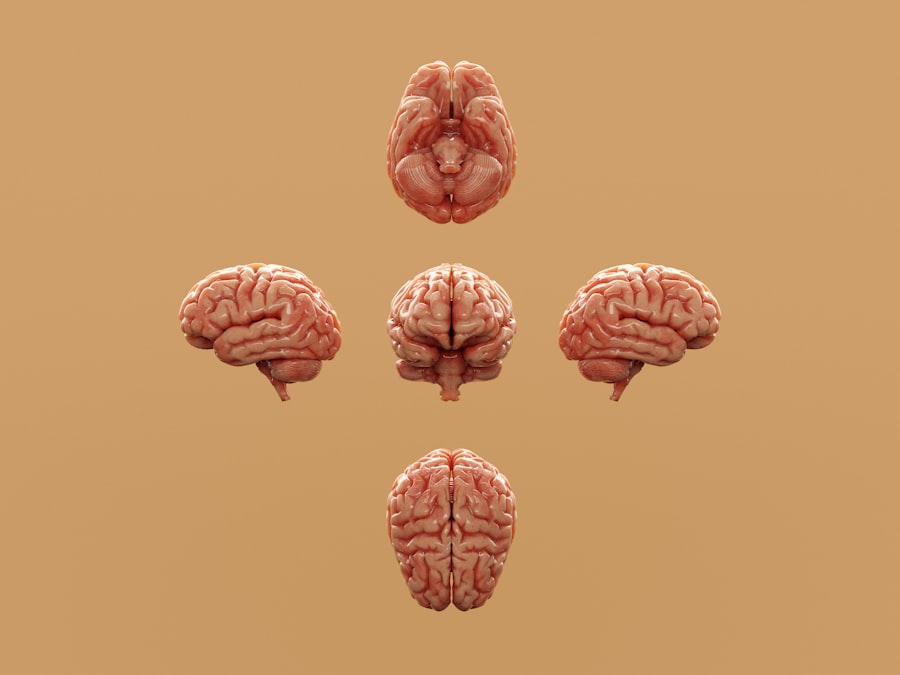
Neuroscientific studies have shed light on the brain regions activated during states of cognitive dissonance. Functional Magnetic Resonance Imaging (fMRI) has revealed increased activity in areas associated with emotional processing and conflict monitoring.
- Anterior Cingulate Cortex (ACC): This region, often implicated in error detection and conflict resolution, shows heightened activity when you encounter dissonant information. Think of it as your brain’s internal alarm bell, signaling that something is amiss.
- Insula: The insula plays a crucial role in processing bodily states and emotions, including discomfort and disgust. Its activation during dissonance suggests that the experience is not purely cognitive but also carries a strong affective component. You don’t just think the conflict; you feel it.
- Prefrontal Cortex (PFC): Particularly the dorsolateral prefrontal cortex (dlPFC) and ventromedial prefrontal cortex (vmPFC), are involved in executive functions, decision-making, and emotional regulation. These areas are crucial for mediating your response to dissonance, whether it involves rationalizing, changing beliefs, or modifying behavior.
In exploring the fascinating intersection of neuroscience and cognitive dissonance, a related article that delves into the mechanisms behind how our brains reconcile conflicting beliefs and behaviors can be found at this link. This piece offers insights into the neurological processes that underlie cognitive dissonance and discusses strategies for leveraging this understanding to achieve personal success and growth. By examining the brain’s response to dissonance, readers can gain valuable tools for navigating their own cognitive conflicts and enhancing their decision-making skills.
Strategies for Dissonance Reduction: Your Brain’s Toolkit for Coherence
When confronted with cognitive dissonance, your brain doesn’t simply wallow in discomfort. It actively employs various strategies to restore internal harmony. These strategies are not always rational or logical, but they are effective in reducing the psychological strain you experience.
Changing Your Behavior
This is often the most straightforward, yet frequently the most challenging, method of dissonance reduction. If you believe in healthy eating but consistently consume fast food, changing your dietary habits directly resolves the conflict. You align your actions with your beliefs, and the dissonance dissipates. However, behavioral change often requires significant effort and willpower, making it a less preferred option for your brain when easier alternatives exist.
Changing Your Beliefs or Attitudes
This strategy involves altering one of the conflicting cognitive elements. If you find yourself in a situation where you’ve invested heavily in a particular course of action, even if it’s proving unsuccessful, you might rationalize your continued commitment by convincing yourself that the endeavor is indeed worthwhile, even more so than initially thought. This is a common phenomenon in “sunk cost fallacy” where the initial investment fuels a re-evaluation of the project’s intrinsic value.
Adding New Cognitions (Rationalization)
This is perhaps the most prevalent and insidious strategy your brain employs. You introduce new beliefs or information that justify the inconsistency. For example, if you know smoking is bad for your health but continue to smoke, you might add the cognition that “my grandfather smoked his whole life and lived to be 90,” or “I only live once, so I should enjoy myself.” These added cognitions serve as mental bandages, patching over the cracks in your internal consistency.
Trivializing the Dissonance
You might simply reduce the perceived importance of the conflicting cognitions. If your actions are inconsistent with a belief you hold, but you decide that belief isn’t that important after all, the psychological discomfort diminishes. This can be a form of self-deception, allowing you to maintain your current behavior without confronting the underlying inconsistency.
Dissonance and Decision-Making: The Post-Decisional Justification

Cognitive dissonance plays a significant role in your decision-making processes, particularly after you have committed to a choice. This phenomenon, known as post-decisional dissonance, explains why you often become more convinced of the wisdom of your decisions after you’ve made them, even if there were equally valid alternatives.
Enhancing the Chosen Alternative
Once you’ve made a significant choice, such as buying a particular car or choosing a university, you immediately begin to enhance the attractiveness of your chosen option. You selectively focus on its positive attributes and downplay its drawbacks. Conversely, you tend to diminish the desirability of the unchosen alternatives, highlighting their flaws and overlooking their advantages. This mental gymnastics reduces the discomfort of having forfeited potentially beneficial options.
The “Spreading of Alternatives” Effect
Research has demonstrated the “spreading of alternatives” effect, where the perceived gap in attractiveness between the chosen and unchosen options widens after the decision. Before the decision, the options might have been rated similarly. After the commitment, the chosen option is rated significantly higher, and the rejected options significantly lower. This is your brain actively working to justify your choice and ensure your peace of mind.
Cognitive Dissonance as a Catalyst for Success: Leveraging Your Internal Conflict
While often viewed as a negative experience, cognitive dissonance is not inherently detrimental. In fact, if you understand its mechanisms, you can strategically harness its power to drive personal growth and achieve your goals.
The Motivational Force of Discomfort
The unpleasantness of dissonance serves as a powerful motivator for change. Just as a physical ache prompts you to address a bodily issue, the psychological discomfort of dissonance can alert you to inconsistencies that are hindering your progress. When your actions deviate from your aspirations, the resulting dissonance can be the spark that ignites corrective behavior.
- Setting Ambitious Goals: When you set an ambitious goal that you genuinely believe in but your current actions don’t fully align with achieving it, you will experience dissonance. This discomfort can motivate you to put in the extra effort, acquire new skills, or change old habits.
- Confronting Self-Limiting Beliefs: You might hold a belief that you are not good enough to achieve a certain level of success. If you then manage to achieve a small success in that area, the dissonance between your old belief and your new experience can force you to re-evaluate your self-perception, paving the way for further growth.
Promoting Self-Reflection and Growth
Dissonance, if embraced rather than avoided, can be a potent tool for self-reflection. When you acknowledge the inconsistency between your values and behaviors, it forces you to scrutinize your motivations, question your assumptions, and ultimately, strive for greater alignment.
- Ethical Dilemmas: In professional settings, you might encounter situations where company policy conflicts with your personal ethical code. The dissonance you experience can lead you to carefully consider your stance, potentially advocating for change or seeking alternative employment that aligns better with your values. This thoughtful engagement, rather than passive acceptance, is a sign of ethical leadership.
- Learning from Mistakes: When you make a mistake, especially one that has significant consequences, the dissonance between your self-perception as a competent individual and the reality of your error can be profound. Instead of rationalizing the mistake away, truly confronting it can lead to valuable lessons and foster a growth mindset.
Cognitive dissonance plays a significant role in our decision-making processes, influencing how we reconcile conflicting beliefs and behaviors. A fascinating exploration of this concept can be found in a related article that delves into the neuroscience behind cognitive dissonance and its implications for achieving personal success. By understanding how our brains process these internal conflicts, we can better navigate challenges and make more informed choices. For further insights, you can read more about this topic in the article available at Productive Patty.
Practical Applications for Your Journey to Success: From Awareness to Action
| Metric | Description | Typical Measurement | Relevance to Cognitive Dissonance Success |
|---|---|---|---|
| Anterior Cingulate Cortex (ACC) Activation | Brain region involved in conflict monitoring and error detection | fMRI BOLD signal increase during dissonance tasks | Higher ACC activation correlates with greater awareness of cognitive conflict and successful resolution |
| Prefrontal Cortex (PFC) Engagement | Involved in executive function and decision-making | fMRI activity and EEG frontal theta power | Increased PFC activity supports cognitive control to reduce dissonance |
| Skin Conductance Response (SCR) | Physiological measure of emotional arousal | Microsiemens (μS) increase during dissonance induction | Elevated SCR indicates emotional discomfort prompting dissonance reduction strategies |
| Reaction Time (RT) in Decision Tasks | Time taken to make choices under conflicting beliefs | Milliseconds (ms) | Longer RTs suggest greater cognitive effort to resolve dissonance |
| Self-Reported Dissonance Level | Subjective rating of discomfort or conflict | Likert scale (1-7) | Higher scores indicate stronger experienced dissonance, linked to motivation for attitude change |
| Post-Decision Attitude Change | Degree of change in beliefs or preferences after dissonance induction | Percentage change or scale difference | Greater attitude change reflects successful cognitive dissonance resolution |
Understanding the neuroscience of cognitive dissonance isn’t merely an academic exercise; it’s a practical tool you can integrate into your daily life to foster greater success.
Cultivating Self-Awareness
The first step is to become acutely aware of when you are experiencing dissonance. This requires introspection and an honest assessment of your beliefs, values, and behaviors. Are there areas where your aspirations significantly diverge from your actions? Are you consistently rationalizing behaviors that you know are detrimental to your long-term goals?
- Journaling: Regularly reflecting on your decisions, motivations, and the emotional responses you experience can help you identify patterns of dissonance.
- Mindfulness Practices: Training yourself to be present and observant of your internal states can make you more sensitive to the subtle cues of psychological discomfort arising from conflicting cognitions.
Strategic Goal Setting
When setting goals, consider how they might create productive dissonance. Frame your goals in a way that highlights the gap between your current state and your desired future, thereby leveraging the motivational power of discomfort.
- Public Commitments: Making your goals public can increase the dissonance if you fail to act, as it introduces an external pressure to align your actions with your stated intentions.
- Challenging but Achievable Goals: Goals that are too easy won’t generate much dissonance, and goals that are perceived as impossible might lead to apathy. The sweet spot is a goal that stretches your capabilities and challenges your current beliefs about what you can achieve.
Embracing Discomfort as a Signal
Instead of immediately seeking to alleviate dissonance through rationalization or denial, cultivate the habit of consciously experiencing and analyzing the discomfort. View it as a valuable signal that indicates an area ripe for growth or change.
- “Discomfort Zones”: Deliberately stepping into “discomfort zones” in your personal or professional life can trigger dissonance, forcing you to adapt, learn, and grow.
- Active Listening: When receiving feedback, especially critical feedback, you might experience dissonance if it conflicts with your self-perception. Instead of immediately becoming defensive, actively listen and consider the feedback as an opportunity for self-improvement.
Promoting Consistency and Integrity
Ultimately, the optimal outcome of understanding cognitive dissonance is to strive for greater consistency between your internal world and your external actions. This leads to enhanced integrity, both in your own eyes and in the eyes of others. When your words and deeds align, you build trust, confidence, and a stronger sense of self-efficacy.
By consciously navigating the delicate dance of opposing cognitions, you can transform internal conflict from a debilitating force into a powerful engine for self-improvement and sustained success. The discomfort you experience is not a weakness; it is a sign that your brain is actively working to reconcile inconsistencies, offering you a unique opportunity to shape your beliefs and behaviors to more effectively align with your highest aspirations.
FAQs
What is cognitive dissonance?
Cognitive dissonance is a psychological phenomenon where an individual experiences mental discomfort or tension due to holding two or more conflicting beliefs, values, or attitudes simultaneously. This discomfort often motivates people to reduce the inconsistency by changing their beliefs or behaviors.
How does neuroscience explain cognitive dissonance?
Neuroscience studies have shown that cognitive dissonance activates specific brain regions, such as the anterior cingulate cortex (ACC) and the prefrontal cortex. These areas are involved in conflict monitoring, decision-making, and emotional regulation, helping individuals recognize and resolve conflicting information.
What role does cognitive dissonance play in achieving success?
Cognitive dissonance can drive individuals to align their actions with their goals and values, promoting persistence and motivation. By resolving dissonance, people often adopt behaviors that support their success, such as improving skills or changing habits to reduce internal conflict.
Can understanding cognitive dissonance improve decision-making?
Yes, understanding cognitive dissonance can enhance decision-making by making individuals aware of their biases and internal conflicts. This awareness helps in critically evaluating choices, reducing irrational justifications, and making more consistent and rational decisions.
Are there any practical applications of neuroscience research on cognitive dissonance?
Neuroscience research on cognitive dissonance has practical applications in areas like marketing, therapy, education, and behavioral change programs. For example, it can inform strategies to encourage positive behavior change, improve learning outcomes, and design persuasive communication that aligns with individuals’ values.