
Identity protection is a fundamental aspect of human psychology, rooted in the need for self-preservation and social acceptance. Individual identity functions not only as a reflection of personal characteristics but also as a psychological defense mechanism against external threats. This process safeguards self-concept by maintaining the stability of beliefs, values, and social roles when faced with challenges.
Identity protection manifests through various mechanisms, including defensive behaviors and cognitive strategies that preserve a coherent sense of self. Individuals regularly encounter situations that challenge their identity, triggering protective responses. These behaviors range from direct denial of contradictory information to subtle forms of rationalization and selective interpretation.
Research demonstrates that identity protection serves essential psychological functions, including maintaining self-esteem, reducing cognitive dissonance, and preserving social connections. Understanding these mechanisms enables better recognition of when identity protection occurs and why it plays a crucial role in mental well-being. Recognizing the complexity of identity formation and the various threats it faces contributes to a more comprehensive understanding of human behavior and social interaction patterns.
Key Takeaways
- Identity protection is deeply linked to self-concept and how individuals perceive themselves.
- Cognitive dissonance and social comparison are key psychological processes driving identity protection.
- Social identity theory explains how group affiliations influence protective behaviors toward identity.
- Emotional regulation and self-esteem play crucial roles in managing threats to identity.
- Cultural, societal factors, and targeted strategies can enhance the effectiveness of identity protection mechanisms.
The Role of Self-Concept in Identity Protection Mechanisms
Your self-concept plays a pivotal role in how you protect your identity. It encompasses your beliefs about yourself, including your attributes, values, and roles within various social contexts. When faced with challenges to your self-concept, you may instinctively employ identity protection mechanisms to defend against perceived threats.
For instance, if someone questions your abilities or values, you might react defensively, reinforcing your self-image by dismissing their criticism or seeking validation from others. Moreover, the way you perceive yourself can influence how you respond to external pressures. If you have a strong and positive self-concept, you may be more resilient in the face of identity threats.
Conversely, a fragile self-concept can lead to heightened sensitivity and a greater need for protection. By cultivating a robust self-concept, you can enhance your ability to navigate challenges without resorting to defensive behaviors that may hinder personal growth.
Cognitive Dissonance and Identity Protection
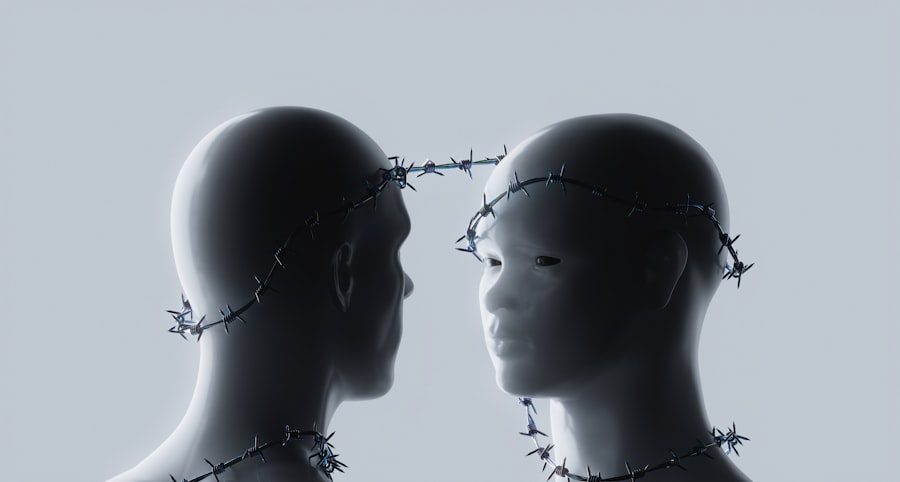
Cognitive dissonance is a psychological phenomenon that occurs when you hold conflicting beliefs or attitudes, leading to discomfort and tension. This dissonance often triggers identity protection mechanisms as you strive to restore harmony within your self-concept. For example, if you value honesty but find yourself lying in a particular situation, the resulting dissonance may prompt you to rationalize your behavior or downplay the importance of honesty in that context.
You might also find yourself engaging in selective exposure, where you seek out information that aligns with your existing beliefs while avoiding contradictory evidence. This behavior serves as a protective measure for your identity, allowing you to maintain a consistent self-image. Recognizing the role of cognitive dissonance in your life can help you understand the lengths to which you might go to protect your identity and encourage you to confront conflicting beliefs more openly.
Social Comparison and Identity Protection
Social comparison is another critical factor influencing how you protect your identity. You often evaluate yourself in relation to others, which can either bolster or threaten your self-concept. When you perceive yourself as superior to others, it can enhance your self-esteem and reinforce your identity.
However, when faced with individuals who excel in areas where you feel insecure, it may trigger defensive reactions aimed at protecting your self-image. In these moments of comparison, you might engage in downward comparison, focusing on those who are less successful or accomplished than yourself to feel better about your own situation. Alternatively, upward comparison can lead to feelings of inadequacy and prompt you to adopt protective strategies to shield your identity from perceived threats.
Understanding how social comparison influences your identity protection mechanisms can help you navigate these dynamics more effectively and foster a healthier self-image.
The Influence of Social Identity Theory on Identity Protection
| Identity Protection Mechanism | Description | Psychological Purpose | Common Examples | Impact on Behavior |
|---|---|---|---|---|
| Denial | Refusing to accept reality or facts | Protects self from painful truths | Ignoring medical diagnosis, refusing to acknowledge addiction | Leads to avoidance and delayed problem-solving |
| Projection | Attributing one’s own unacceptable feelings to others | Reduces anxiety by externalizing blame | Accusing others of hostility when feeling hostile | Can cause interpersonal conflicts |
| Rationalization | Justifying behaviors with logical reasons instead of true motives | Maintains self-esteem by avoiding guilt | Blaming failure on external factors | May prevent self-improvement |
| Repression | Unconscious blocking of distressing memories | Protects conscious mind from trauma | Forgetting traumatic events | Can lead to anxiety or emotional issues later |
| Identification | Adopting characteristics of others to enhance self-image | Builds self-esteem and social belonging | Imitating role models or authority figures | Influences personality development |
| Displacement | Redirecting emotions to a safer target | Allows expression of feelings without direct conflict | Taking out anger on a pet instead of a boss | May cause misplaced aggression |
Social Identity Theory posits that a significant part of your self-concept is derived from the groups to which you belong. These groups can include family, friends, cultural communities, and professional affiliations. When your group identity is threatened—whether through negative stereotypes or social exclusion—you may instinctively engage in identity protection behaviors to defend both yourself and your group.
For instance, if someone disparages a group with which you identify, you might feel compelled to defend that group vigorously, even if it means downplaying any negative aspects associated with it. This protective behavior not only safeguards your individual identity but also reinforces group cohesion. By understanding the interplay between social identity and personal identity protection, you can better appreciate the motivations behind your reactions and the importance of group dynamics in shaping your self-concept.
Emotional Regulation and Identity Protection

Emotional regulation is crucial when it comes to protecting your identity. Your emotions can significantly influence how you perceive threats to your self-concept and how you respond to them. When faced with challenges that threaten your identity, effective emotional regulation can help you manage feelings of anxiety, anger, or sadness that may arise.
You might find that employing strategies such as mindfulness or cognitive reframing allows you to approach identity threats with greater clarity and composure. By regulating your emotions effectively, you can reduce the likelihood of resorting to defensive behaviors that may ultimately undermine your sense of self. Developing emotional intelligence can enhance your ability to navigate complex social situations while maintaining a strong sense of identity.
The Impact of Threats on Identity Protection Mechanisms
Threats to your identity can come from various sources—social interactions, cultural expectations, or even internal conflicts. When these threats arise, they often trigger an instinctual response aimed at protecting your self-concept. You may find yourself becoming defensive or withdrawing from situations that challenge your beliefs or values.
Understanding the nature of these threats is essential for developing effective identity protection mechanisms. For example, if societal norms dictate certain behaviors that conflict with your values, recognizing this external pressure can empower you to stand firm in your beliefs rather than conforming out of fear. By identifying the sources of threat and their impact on your identity protection strategies, you can cultivate resilience and maintain a strong sense of self amidst external challenges.
The Role of Self-Esteem in Identity Protection
Self-esteem is intricately linked to how you protect your identity. A healthy level of self-esteem can bolster your confidence and resilience when faced with challenges to your self-concept. Conversely, low self-esteem may lead you to engage in more defensive behaviors as a means of compensating for feelings of inadequacy.
When your self-esteem is high, you’re more likely to approach identity threats with an open mind and a willingness to learn from criticism rather than reacting defensively. On the other hand, if you’re struggling with low self-esteem, even minor challenges can feel like significant threats, prompting heightened protective responses. By working on building a positive self-image and fostering healthy self-esteem, you can enhance your ability to navigate identity threats without resorting to maladaptive protective mechanisms.
Motivations for Identity Protection
Your motivations for protecting your identity are multifaceted and often deeply ingrained in psychological needs such as belongingness, validation, and self-consistency.
Additionally, the desire for social acceptance plays a crucial role in motivating identity protection behaviors.
You might find yourself conforming to group norms or defending shared values as a way to maintain harmony within social circles. Understanding these motivations can help clarify why certain situations elicit strong protective responses and encourage you to reflect on whether these reactions align with your authentic self.
The Influence of Cultural and Societal Factors on Identity Protection
Cultural and societal factors significantly shape how you perceive and protect your identity.
In collectivist societies, for instance, group harmony may take precedence over individual expression, leading individuals to prioritize group identity over personal beliefs.
Conversely, in individualistic cultures, there may be a stronger emphasis on personal achievement and self-expression, which could lead to more pronounced defensive behaviors when one’s individual identity is threatened. By recognizing the cultural context in which you operate, you can better understand the dynamics at play in your own identity protection strategies and how they may differ from those of others.
Strategies for Enhancing Identity Protection Mechanisms
To enhance your identity protection mechanisms effectively, consider adopting strategies that promote resilience and self-awareness. One approach is engaging in reflective practices such as journaling or meditation that allow you to explore your thoughts and feelings about your identity openly. This introspection can help clarify what aspects of your identity are most important to you and why they deserve protection.
Additionally, surrounding yourself with supportive individuals who affirm your values and beliefs can bolster your sense of belonging and reduce the need for defensive behaviors. Building strong social connections fosters an environment where you feel safe expressing yourself authentically without fear of judgment or rejection. In conclusion, understanding the intricate dynamics of identity protection is essential for navigating life’s challenges while maintaining a coherent sense of self.
By exploring the psychological underpinnings of this phenomenon—ranging from cognitive dissonance to social comparison—you can develop more effective strategies for protecting your identity while fostering personal growth and resilience.
In exploring the psychological aspects of identity protection mechanisms, it’s essential to consider how individuals navigate their self-concept in various contexts. A related article that delves into these themes can be found on Productive Patty, which discusses strategies for maintaining personal integrity and authenticity in a digital age. For more insights, you can read the article [here](https://www.productivepatty.com/sample-page/).
FAQs
What is an identity protection mechanism in psychology?
An identity protection mechanism in psychology refers to cognitive and emotional strategies individuals use to maintain a positive self-concept and protect their sense of identity from threats or challenges.
Why do people use identity protection mechanisms?
People use identity protection mechanisms to defend their self-esteem and psychological well-being when faced with criticism, failure, or information that conflicts with their self-image.
What are common types of identity protection mechanisms?
Common types include denial, rationalization, projection, selective perception, and self-serving bias, all of which help individuals avoid or reinterpret information that threatens their identity.
How do identity protection mechanisms affect behavior?
These mechanisms can influence behavior by shaping how individuals respond to feedback, interact with others, and make decisions, often leading to avoidance of situations that may challenge their self-concept.
Can identity protection mechanisms be harmful?
While they can provide short-term psychological relief, excessive reliance on identity protection mechanisms may hinder personal growth, self-awareness, and the ability to accept constructive criticism.
Are identity protection mechanisms conscious or unconscious?
Many identity protection mechanisms operate unconsciously, meaning individuals are often unaware they are using them to protect their self-identity.
How can understanding identity protection mechanisms be beneficial?
Understanding these mechanisms can improve self-awareness, enhance emotional regulation, and foster healthier interpersonal relationships by recognizing and addressing defensive behaviors.
Is identity protection related to self-esteem?
Yes, identity protection mechanisms are closely linked to self-esteem, as they serve to preserve an individual’s positive evaluation of themselves in the face of threats.
Do identity protection mechanisms vary across cultures?
Yes, cultural values and norms influence the types and expressions of identity protection mechanisms, as different societies prioritize various aspects of identity and self-concept.
Can therapy help with maladaptive identity protection mechanisms?
Yes, psychological therapies such as cognitive-behavioral therapy can help individuals recognize and modify maladaptive identity protection mechanisms to promote healthier coping strategies.