When you think of your brain at rest, you might picture a state of inactivity or idleness. However, this perception couldn’t be further from the truth. The resting brain is a dynamic entity, constantly processing information and engaging in various cognitive functions even when you are not consciously focused on a task.
This state of rest is crucial for your overall mental health and cognitive performance.
During rest, your brain engages in a variety of processes that contribute to your cognitive well-being.
It is during these moments of downtime that your brain can sift through the information it has gathered, organizing and integrating it into your existing knowledge base. This is essential for learning and memory retention. By understanding the complexities of the resting brain, you can appreciate the importance of allowing yourself time to relax and recharge, ultimately enhancing your cognitive abilities.
Key Takeaways
- The resting brain, particularly the Default Mode Network, plays a crucial role in creativity, memory consolidation, and emotional regulation.
- Daydreaming and mindfulness during rest enhance problem-solving abilities and insightful thinking.
- Brain connectivity during rest facilitates the integration of information, aiding complex problem-solving.
- Rest periods allow the brain to reorganize and consolidate memories, improving cognitive function.
- Harnessing the resting brain’s power can lead to more effective and innovative problem-solving strategies.
The Role of the Default Mode Network
At the heart of the resting brain’s activity lies the Default Mode Network (DMN), a network of brain regions that become active when you are not focused on the external environment. This network plays a pivotal role in self-referential thought, daydreaming, and mind-wandering. When you allow your mind to drift, the DMN springs into action, facilitating a range of cognitive processes that can lead to creative insights and problem-solving breakthroughs.
The DMN is particularly interesting because it highlights how your brain can be engaged in meaningful activity even when you feel like you are doing nothing. This network is involved in various functions, including recalling memories, envisioning future scenarios, and contemplating personal experiences. By tapping into the DMN during moments of rest, you can foster a deeper understanding of yourself and your surroundings, ultimately enhancing your ability to think critically and creatively.
Resting Brain and Creativity
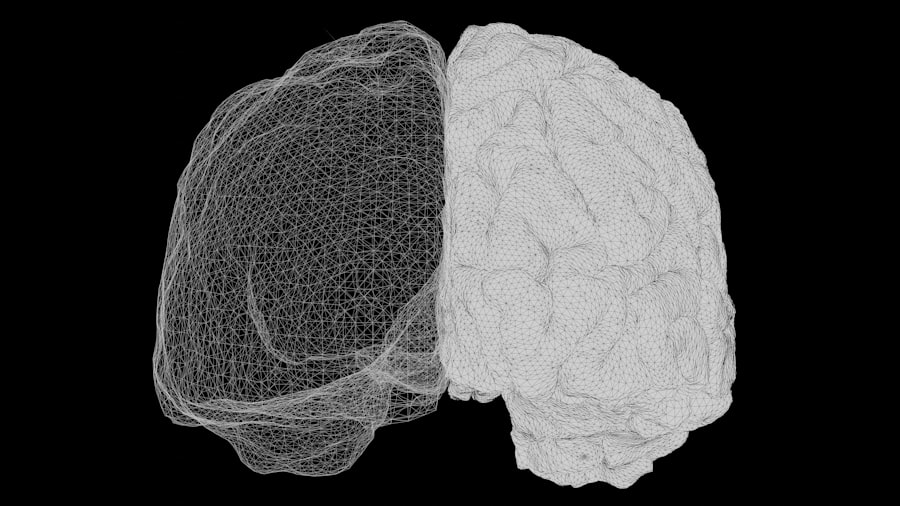
Creativity often flourishes in moments of relaxation when your mind is free to explore new ideas without the constraints of structured thinking. When you allow yourself to rest, your brain can make unique connections between seemingly unrelated concepts, leading to innovative solutions and artistic expressions. This phenomenon is not merely coincidental; it is rooted in the way your brain operates during periods of downtime.
Research has shown that engaging in activities that promote relaxation—such as taking a walk, meditating, or simply daydreaming—can significantly enhance your creative output. By stepping away from focused tasks and allowing your mind to wander, you create an environment where creativity can thrive. Embracing this aspect of the resting brain can lead to unexpected insights and breakthroughs that may not have emerged during more structured thinking processes.
Problem-Solving During Rest
You might be surprised to learn that some of your best problem-solving moments occur when you are not actively trying to solve a problem at all. The resting brain has a remarkable ability to process information subconsciously, allowing you to arrive at solutions without direct effort. This phenomenon is often referred to as “incubation,” where ideas simmer in the background while you engage in unrelated activities.
During these periods of rest, your brain continues to work on complex problems by making connections and associations that may not be immediately apparent. This subconscious processing can lead to sudden insights or “aha” moments when you least expect them. By recognizing the value of allowing your mind to rest and wander, you can enhance your problem-solving skills and approach challenges with renewed clarity and perspective.
The Importance of Daydreaming
| Metric | Description | Value/Observation | Source/Study |
|---|---|---|---|
| Default Mode Network (DMN) Activity | Brain network active during rest, linked to problem-solving and creativity | Increased activity during rest and mind-wandering | Raichle et al., 2001 |
| Incubation Period Effect | Improvement in problem-solving after a break or rest period | Up to 30% increase in creative problem-solving performance | Sio & Ormerod, 2009 |
| Alpha Brainwave Power | Brainwave associated with relaxed wakefulness and insight | Higher alpha power correlates with better problem-solving during rest | Jung-Beeman et al., 2004 |
| Sleep and Problem Solving | Role of sleep in consolidating information and enhancing solutions | Up to 40% improvement in insight-based problem solving after sleep | Wagner et al., 2004 |
| Resting-State Functional Connectivity | Connectivity between brain regions during rest linked to creativity | Higher connectivity predicts better problem-solving ability | Beaty et al., 2018 |
Daydreaming often gets a bad rap as a distraction or a waste of time, but in reality, it serves a vital function for your cognitive health. When you daydream, you engage in a form of mental exploration that allows you to envision possibilities beyond your immediate reality. This imaginative process can stimulate creativity and innovation, providing a fertile ground for new ideas to take root.
Moreover, daydreaming can serve as a form of mental rehearsal, allowing you to practice scenarios and outcomes in a safe space. By visualizing different possibilities, you can prepare yourself for real-life challenges and decisions. Embracing daydreaming as a valuable tool rather than dismissing it as mere distraction can lead to enhanced creativity and improved problem-solving abilities.
Resting Brain and Memory Consolidation

One of the most critical functions of the resting brain is memory consolidation—the process by which short-term memories are transformed into long-term ones. During periods of rest or sleep, your brain actively organizes and strengthens these memories, making them more accessible for future use. This process is essential for learning and retaining new information.
When you allow yourself time to rest after learning something new, you give your brain the opportunity to solidify those memories. Engaging in restful activities such as meditation or gentle exercise can further enhance this process by reducing stress and promoting relaxation. By prioritizing rest in your routine, you can improve your memory retention and overall cognitive performance.
Brain Connectivity and Problem-Solving
The resting brain is characterized by intricate patterns of connectivity between different regions, which play a crucial role in problem-solving. When you are at rest, your brain’s networks communicate with one another more freely, allowing for the exchange of information across various cognitive domains. This enhanced connectivity can lead to more effective problem-solving strategies and innovative solutions.
Research has shown that individuals who engage in regular periods of rest exhibit greater flexibility in their thinking and improved ability to switch between different cognitive tasks. By fostering strong connections between different areas of your brain during rest, you can enhance your capacity for creative thinking and complex problem-solving. Embracing this interconnectedness can empower you to approach challenges with a more holistic perspective.
Resting Brain and Emotional Regulation
Your emotional well-being is closely tied to the state of your resting brain. When you allow yourself time to relax and recharge, you create an environment conducive to emotional regulation. The resting brain helps process emotions by integrating experiences and reflecting on them without the immediate pressures of daily life.
During moments of rest, your brain can engage in self-reflection, allowing you to gain insights into your feelings and reactions. This process is essential for developing emotional intelligence and resilience. By prioritizing rest as part of your routine, you can cultivate a greater awareness of your emotions and improve your ability to navigate life’s challenges with composure.
The Impact of Mindfulness on Problem-Solving
Mindfulness practices have gained popularity for their ability to enhance focus and reduce stress, but they also play a significant role in optimizing the resting brain’s potential for problem-solving.
This balance creates an ideal environment for creative thinking and innovative solutions.
By incorporating mindfulness techniques into your daily routine, such as meditation or mindful breathing exercises, you can enhance your ability to tap into the resting brain’s resources. These practices promote relaxation and reduce mental clutter, enabling you to approach problems with clarity and insight. As a result, mindfulness becomes a powerful tool for unlocking the full potential of your resting brain.
Resting Brain and Insightful Thinking
Insightful thinking often emerges from moments of stillness when your mind is free from distractions. The resting brain has a unique capacity for synthesizing information and generating insights that may not be readily apparent during active problem-solving efforts. This phenomenon underscores the importance of giving yourself permission to pause and reflect.
When you allow yourself time to rest, you create an opportunity for deeper cognitive processing that can lead to profound insights. These moments of clarity often arise unexpectedly—perhaps while taking a shower or going for a walk—when your mind is relaxed and open to new ideas. By embracing these moments as valuable opportunities for insight, you can enhance your overall problem-solving abilities.
Harnessing the Power of the Resting Brain for Problem-Solving
To fully harness the power of your resting brain for problem-solving, it is essential to prioritize periods of rest in your daily life. This may involve scheduling breaks throughout your workday or setting aside time for relaxation activities that promote mental clarity. By consciously integrating rest into your routine, you create an environment where creativity and innovative thinking can flourish.
Additionally, consider engaging in activities that stimulate both relaxation and cognitive engagement—such as journaling or brainstorming sessions during downtime. These practices can help bridge the gap between rest and active problem-solving, allowing you to tap into the full potential of your resting brain. Ultimately, by recognizing the value of rest as an integral part of the cognitive process, you can enhance your ability to tackle challenges with creativity and insight.
In conclusion, understanding the complexities of the resting brain reveals its vital role in creativity, problem-solving, emotional regulation, and memory consolidation. By embracing moments of rest and allowing yourself time to daydream or engage in mindfulness practices, you can unlock new levels of cognitive potential that will serve you well in both personal and professional endeavors.
Recent research has shown that the brain continues to solve problems even when we are at rest, highlighting the importance of downtime for cognitive processing. For more insights on enhancing productivity and understanding how our minds work, you can check out this related article on productivity strategies at