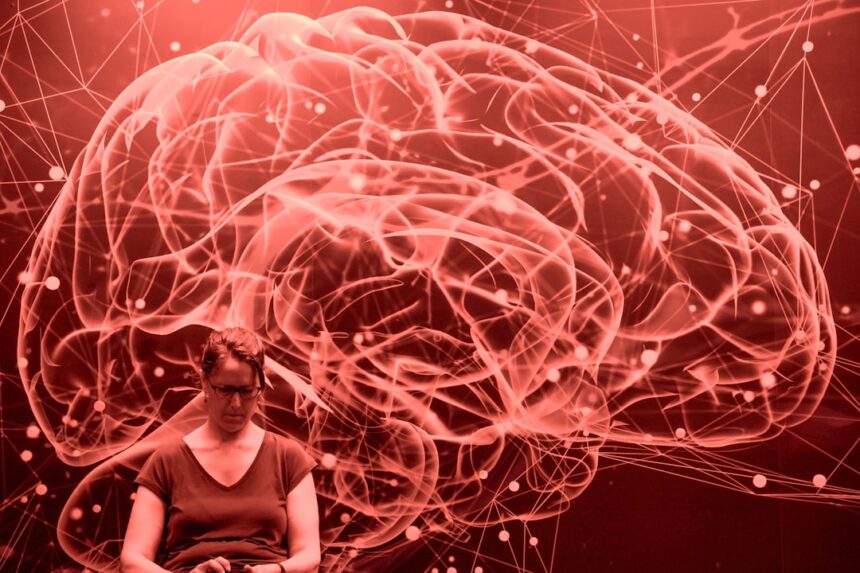
Social pain represents a significant component of human emotional experience, characterized by psychological distress resulting from social rejection, exclusion, or interpersonal loss. This phenomenon occurs when individuals experience disconnection from social groups, face rejection from peers, or lose important social relationships. Research indicates that such experiences can produce lasting psychological effects, influencing mental health outcomes and interpersonal functioning.
Social pain involves complex neurobiological processes that extend beyond simple emotional responses. When individuals encounter social rejection or exclusion, the brain activates neural pathways similar to those involved in physical pain processing. These neurological responses can trigger physiological changes including stress hormone release, altered immune function, and changes in neurotransmitter activity.
Studies using neuroimaging techniques have demonstrated that social pain activates regions such as the anterior cingulate cortex and right ventral prefrontal cortex, areas also associated with physical pain perception. Understanding these mechanisms provides insight into how social experiences influence both psychological well-being and physical health outcomes.
Key Takeaways
- Social pain activates similar brain regions as physical pain, highlighting their close connection.
- Social rejection triggers specific brain responses that can affect emotional well-being.
- Empathy plays a crucial role in experiencing and understanding social pain.
- Coping strategies for social pain include both psychological and social interventions.
- Ongoing research aims to better understand brain mechanisms to improve treatments for social pain-related issues.
The Neurobiology of Social Pain
The neurobiology of social pain is a fascinating field that explores how your brain responds to social threats and emotional distress. Research has shown that social pain activates similar neural pathways as physical pain, suggesting that your brain perceives these two types of pain in remarkably similar ways. When you experience social rejection or loss, your brain’s response can be as intense as if you had suffered a physical injury.
This connection highlights the importance of understanding social pain as a legitimate form of suffering. Neuroscientific studies have identified specific brain regions that are activated during experiences of social pain.
When you feel rejected or isolated, these regions become active, signaling distress and discomfort. This overlap between social and physical pain underscores the significance of social connections in your life and the potential consequences of their disruption.
The Role of Brain Activation in Social Pain
Brain activation plays a crucial role in how you experience social pain. When faced with social rejection or exclusion, your brain’s response can trigger a range of emotional and physiological reactions. The activation of specific neural circuits can lead to feelings of sadness, anxiety, and even anger.
Understanding this process can help you recognize the intensity of your emotional responses and the underlying mechanisms at play. Moreover, the degree of brain activation can vary from person to person, influenced by factors such as personality traits, past experiences, and even genetic predispositions. Some individuals may have heightened sensitivity to social cues, leading to stronger emotional reactions when faced with rejection.
By becoming aware of your own responses to social pain, you can develop strategies to manage these feelings more effectively and foster resilience in the face of adversity.
The Impact of Social Rejection on the Brain
Social rejection can have profound effects on your brain’s functioning and overall mental health. When you experience rejection, your brain may enter a state of heightened alertness, preparing you to respond to perceived threats in your social environment. This heightened state can lead to increased anxiety and stress, making it difficult for you to engage with others or form new connections.
Additionally, repeated experiences of social rejection can lead to long-term changes in brain structure and function. Chronic exposure to social pain may result in alterations in neural pathways associated with emotion regulation and social cognition. This means that over time, you may find it increasingly challenging to navigate social situations or maintain healthy relationships.
Recognizing the impact of social rejection on your brain can empower you to seek support and develop coping strategies to mitigate its effects.
Brain Regions Involved in Social Pain
| Brain Region | Activation Type | Associated Social Pain Metric | Study Reference |
|---|---|---|---|
| Anterior Cingulate Cortex (ACC) | Increased activation | Intensity of social exclusion | Eisenberger et al., 2003 |
| Insula | Heightened response | Emotional distress during social rejection | Eisenberger et al., 2003 |
| Prefrontal Cortex (PFC) | Modulated activation | Regulation of social pain | Kross et al., 2011 |
| Somatosensory Cortex | Activation | Physical pain overlap with social pain | DeWall et al., 2010 |
| Periaqueductal Gray (PAG) | Activation | Processing of social distress | Eisenberger, 2012 |
Several key brain regions are involved in processing social pain, each contributing to your emotional experience in unique ways. The anterior cingulate cortex (ACC) is particularly significant, as it plays a central role in emotional regulation and decision-making. When you experience social pain, the ACC becomes activated, signaling distress and prompting you to assess the situation.
Another important region is the insula, which is responsible for integrating sensory information and emotional experiences. The insula helps you become aware of your feelings during moments of social pain, allowing you to process these emotions more effectively. Additionally, the prefrontal cortex is involved in higher-order cognitive functions such as empathy and self-reflection.
This region helps you understand the perspectives of others and navigate complex social dynamics, which can be particularly challenging when you’re experiencing social pain.
The Connection Between Social Pain and Physical Pain
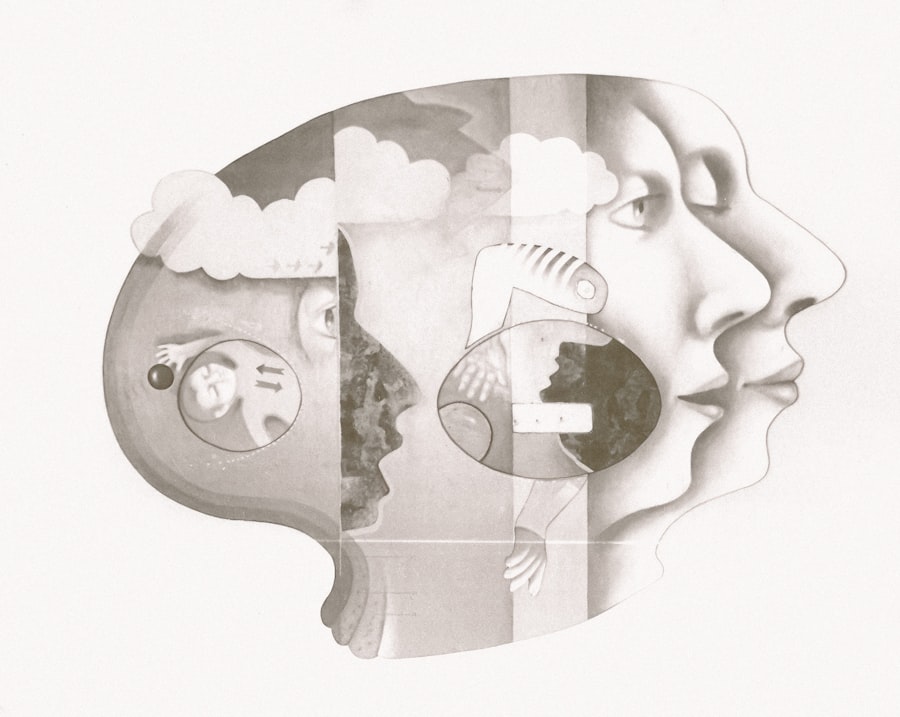
The connection between social pain and physical pain is a compelling aspect of human experience that highlights the intricate relationship between mind and body. Research has shown that the same neural pathways activated during physical pain are also engaged when you experience social rejection or isolation. This overlap suggests that your brain treats these two forms of pain similarly, reinforcing the idea that emotional suffering is just as real as physical suffering.
This connection has important implications for how you approach healing from both types of pain. Understanding that social pain can manifest physically may encourage you to take your emotional well-being seriously. Just as you would seek treatment for a physical injury, it’s essential to address emotional wounds with equal care and attention.
By recognizing this connection, you can foster a more holistic approach to your mental health.
The Evolutionary Purpose of Social Pain
From an evolutionary perspective, social pain serves a critical purpose in human survival and development. Throughout history, humans have relied on social bonds for protection, resource sharing, and reproduction. Experiencing social pain acts as a signal that something is amiss in your social environment, prompting you to seek reconnection or repair relationships that may be strained.
This evolutionary mechanism has helped shape human behavior over millennia. When faced with potential exclusion from a group, the discomfort associated with social pain encourages individuals to modify their behavior to maintain connections with others. In this way, social pain acts as a catalyst for fostering cooperation and strengthening community ties, ultimately enhancing your chances of survival.
The Influence of Social Pain on Mental Health
Social pain can have significant implications for your mental health, influencing everything from mood disorders to anxiety levels. When you experience repeated instances of social rejection or isolation, it can lead to feelings of worthlessness or hopelessness. These emotions may contribute to the development of mental health conditions such as depression or anxiety disorders.
Moreover, the impact of social pain can extend beyond individual experiences; it can also affect interpersonal relationships and overall quality of life. You may find yourself withdrawing from social interactions or struggling to form new connections due to fear of rejection. Recognizing the influence of social pain on your mental health is crucial for seeking support and developing effective coping strategies.
The Role of Empathy in Social Pain
Empathy plays a vital role in understanding and mitigating social pain, both for yourself and others. When you empathize with someone who is experiencing social rejection or isolation, you create an opportunity for connection and support. This shared understanding can help alleviate feelings of loneliness and distress, fostering resilience in the face of adversity.
Additionally, cultivating empathy within yourself can enhance your ability to cope with your own experiences of social pain. By recognizing that others also face similar struggles, you may find comfort in knowing that you are not alone in your feelings. Empathy allows you to build stronger relationships and create supportive environments where individuals feel valued and understood.
Strategies for Coping with Social Pain
Coping with social pain requires intentional strategies that promote emotional resilience and well-being. One effective approach is to engage in self-reflection and mindfulness practices. By taking time to understand your emotions and their triggers, you can develop greater awareness of how social situations impact your mental state.
Another strategy involves seeking support from friends or mental health professionals who can provide guidance and understanding during difficult times. Building a strong support network can help buffer against the effects of social pain by fostering connections that reinforce your sense of belonging. Additionally, engaging in activities that promote positive social interactions—such as joining clubs or volunteering—can help counteract feelings of isolation.
By actively seeking out opportunities for connection, you can create a more fulfilling social life that mitigates the impact of past rejections.
The Future of Research on Social Pain and Brain Activation
The future of research on social pain and brain activation holds great promise for deepening our understanding of this complex phenomenon. As neuroscientific techniques continue to advance, researchers will be able to explore the intricacies of how different brain regions interact during experiences of social pain. This knowledge could lead to more effective interventions for individuals struggling with emotional distress related to social rejection.
Moreover, ongoing studies may uncover new insights into how individual differences—such as personality traits or past experiences—affect responses to social pain. By identifying these factors, researchers could develop tailored approaches for coping with emotional suffering that resonate with diverse populations. As society becomes increasingly aware of the significance of mental health, research on social pain will likely gain greater attention within both academic circles and public discourse.
By fostering a deeper understanding of this critical aspect of human experience, we can work towards creating more supportive environments that prioritize emotional well-being for all individuals.
This intriguing overlap suggests that our emotional experiences are deeply intertwined with our physical sensations. For further insights into this topic, you can read more in the article available at Productive Patty.
FAQs
What is social pain?
Social pain refers to the emotional distress or discomfort that arises from experiences of social rejection, exclusion, or loss. It is similar to physical pain but is triggered by social or interpersonal situations.
Which areas of the brain are activated during social pain?
Research shows that social pain activates brain regions involved in physical pain processing, including the anterior cingulate cortex (ACC) and the insula. These areas are associated with the emotional component of pain.
How is social pain studied in neuroscience?
Social pain is often studied using neuroimaging techniques such as functional magnetic resonance imaging (fMRI). Experimental paradigms like the Cyberball game, where participants experience social exclusion, are commonly used to evoke social pain in a controlled setting.
Is social pain processed similarly to physical pain in the brain?
Yes, there is significant overlap in the neural circuits involved in social and physical pain. Both types of pain activate the anterior cingulate cortex and insula, suggesting that the brain processes social pain in a manner similar to physical pain.
Can social pain have long-term effects on the brain?
Chronic experiences of social pain, such as prolonged social rejection or isolation, can lead to changes in brain function and structure. These changes may affect emotional regulation and increase vulnerability to mental health disorders like depression and anxiety.
Are there any treatments targeting social pain brain activation?
While there are no treatments specifically targeting social pain brain activation, interventions such as cognitive-behavioral therapy (CBT), social skills training, and mindfulness can help individuals cope with social pain. Some research also explores the use of medications that modulate neural activity related to pain and emotion.
Why is understanding social pain brain activation important?
Understanding how the brain processes social pain can help in developing better treatments for mental health conditions linked to social distress, such as depression, anxiety, and social phobia. It also provides insight into the fundamental ways humans experience and respond to social interactions.