
You may have heard the term “Smart Kid Syndrome” used to describe children who exhibit exceptional intellectual abilities. This phenomenon often manifests in children who are not only academically gifted but also possess a unique way of thinking and processing information. As a parent or educator, it’s essential to recognize that these children may not fit the traditional mold of what it means to be “smart.” Instead, they often display a range of talents and interests that can set them apart from their peers.
Understanding this syndrome is crucial for fostering an environment where gifted children can thrive. Smart Kid Syndrome can lead to a variety of behaviors and attitudes. You might notice that gifted children often have intense curiosity, a strong desire for knowledge, and an ability to grasp complex concepts quickly.
However, this exceptional intelligence can also come with its own set of challenges. Gifted children may feel isolated or misunderstood, as their peers may not share the same interests or intellectual pursuits. Recognizing these nuances is the first step in supporting gifted children effectively.
Key Takeaways
- Smart Kid Syndrome can lead to feelings of isolation and pressure to constantly excel.
- Gifted children may exhibit signs such as advanced language skills, intense curiosity, and a strong sense of justice.
- Gifted children often face challenges such as boredom in the classroom and difficulty relating to peers.
- The pressure to perform academically and socially can lead to anxiety and stress for gifted children.
- Advocating for gifted education and seeking out resources can help support the unique needs of gifted children.
Identifying Gifted Minds: Signs and Characteristics
Identifying gifted children can be a nuanced process, as their abilities may manifest in various ways. You might observe that gifted children often excel in specific subjects or show advanced problem-solving skills at an early age. They may ask probing questions that go beyond the surface level, demonstrating a depth of understanding that is uncommon for their age group.
Additionally, gifted children often exhibit a high level of creativity, which can be expressed through art, writing, or innovative thinking. Another characteristic you may notice is their ability to learn new concepts quickly. While other children may take time to grasp a new idea, gifted children often require less repetition and can make connections between different subjects effortlessly.
Emotional sensitivity is also common among gifted individuals; they may feel deeply about social issues or show empathy towards others in ways that are more pronounced than their peers. Recognizing these signs can help you better understand and nurture the unique talents of gifted children.
Challenges Faced by Gifted Children
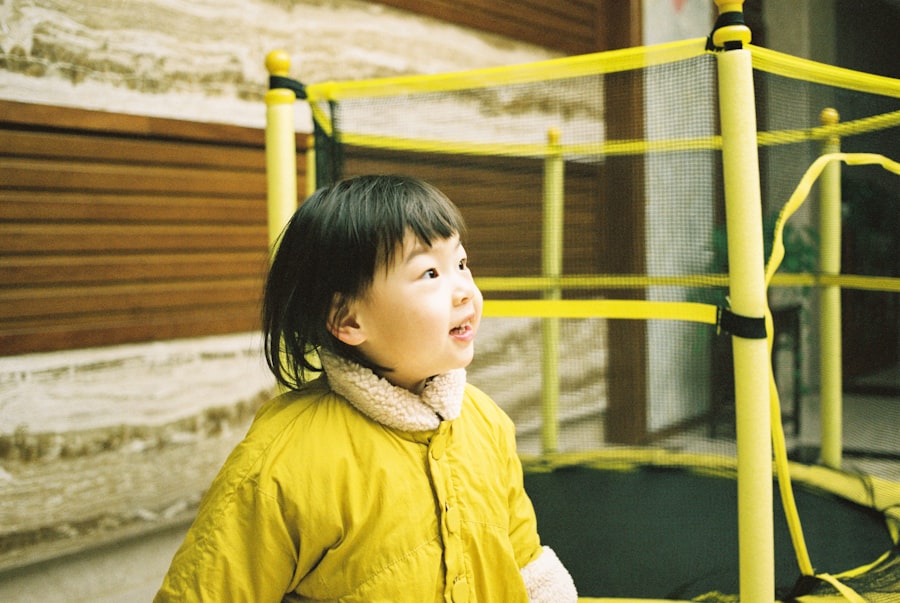
Despite their remarkable abilities, gifted children often face a range of challenges that can impact their overall well-being. You might find that these children struggle with feelings of isolation, as their advanced intellect can create a disconnect between them and their peers. This sense of being different can lead to loneliness and frustration, making it essential for you to foster social connections with like-minded individuals who share similar interests.
Additionally, gifted children may experience heightened anxiety and perfectionism. The pressure to excel academically and socially can be overwhelming, leading them to set impossibly high standards for themselves. You may notice that they become easily discouraged when they fail to meet these expectations, which can hinder their motivation and self-esteem.
Understanding these challenges is vital for providing the support they need to navigate their unique experiences.
The Pressure to Perform: Academic and Social Expectations
| Category | Metrics |
|---|---|
| Academic Expectations | Grades, GPA, Test Scores, Class Rank |
| Social Expectations | Peer Relationships, Extracurricular Activities, Social Media Presence |
| Pressure Indicators | Anxiety Levels, Stress Symptoms, Mental Health Concerns |
| Support Systems | Family Support, Counseling Services, Peer Support Groups |
As a parent or educator, you may feel the weight of societal expectations regarding gifted children. There is often an implicit belief that these children should consistently perform at the highest level academically and socially. This pressure can be detrimental, as it may lead to burnout or a fear of failure.
You might find that gifted children feel compelled to maintain their status as “the smart kid,” which can create an unhealthy cycle of stress and anxiety. Moreover, the pressure to conform to social norms can be equally challenging. Gifted children may struggle to fit in with their peers, leading them to either withdraw socially or overcompensate by trying to blend in.
This internal conflict can create a sense of inadequacy, as they grapple with the desire to be accepted while also wanting to embrace their unique abilities. It’s crucial for you to create an environment where they feel safe expressing themselves without the burden of unrealistic expectations.
Navigating the Education System: Advocating for Gifted Education
Navigating the education system can be a daunting task for parents of gifted children. You may find yourself advocating for appropriate educational opportunities that cater to your child’s unique needs. Many traditional school systems are not equipped to handle the complexities of gifted education, which can leave these children feeling unchallenged and disengaged.
You might also consider collaborating with teachers and school administrators to develop an Individualized Education Plan (IEP) or a 504 Plan tailored specifically for your child. Open communication is key; by sharing your insights about your child’s strengths and challenges, you can help educators understand how best to support their learning journey.
Your advocacy can make a significant difference in ensuring that gifted children receive the education they deserve.
Social and Emotional Impacts of Being Gifted

The social and emotional landscape for gifted children is often complex and multifaceted. You may notice that these children experience intense emotions, which can lead to both positive and negative outcomes. On one hand, their heightened sensitivity allows them to connect deeply with others and appreciate beauty in ways that others might overlook.
On the other hand, this emotional intensity can result in feelings of frustration or sadness when they encounter situations that seem unjust or illogical. Gifted children may also grapple with issues related to identity and self-worth. As they navigate their unique abilities, they might question whether their intelligence defines them or if they are valued for other qualities as well.
This internal struggle can lead to feelings of inadequacy or self-doubt, particularly if they perceive themselves as different from their peers. As someone invested in their well-being, it’s important for you to provide reassurance and support as they explore their identity.
Supporting the Unique Needs of Gifted Children
Supporting gifted children requires a tailored approach that acknowledges their unique needs and strengths. You might consider providing opportunities for enrichment outside of traditional schooling, such as extracurricular activities or specialized programs that align with their interests. Encouraging them to pursue hobbies or passions can help foster a sense of fulfillment and joy in learning.
Additionally, creating a supportive home environment is crucial for nurturing their emotional well-being. Open communication about their feelings and experiences can help them process any challenges they face. You might also encourage them to develop coping strategies for managing stress and anxiety, such as mindfulness practices or creative outlets like journaling or art.
By being attuned to their needs, you can help them flourish both academically and emotionally.
Overcoming Perfectionism and Imposter Syndrome
Perfectionism is a common trait among gifted individuals, often stemming from high expectations placed upon them by themselves or others. You may notice that your child becomes overly critical of their work or feels immense pressure to achieve flawless results. This mindset can lead to burnout and hinder their willingness to take risks or try new things.
Helping them understand that mistakes are a natural part of the learning process is essential for fostering resilience. Imposter syndrome is another challenge that many gifted individuals face. They may feel like frauds despite their accomplishments, believing that they do not deserve their success or that they are merely “lucky.” As someone who cares about their development, it’s important for you to validate their feelings while also encouraging them to recognize their achievements and capabilities.
By fostering a growth mindset, you can help them embrace challenges as opportunities for growth rather than sources of fear.
Finding Balance: Encouraging Well-Rounded Development
Encouraging well-rounded development in gifted children is vital for their overall growth and happiness. You might find it beneficial to expose them to a variety of experiences beyond academics, such as sports, arts, or community service projects. These activities not only provide opportunities for social interaction but also help them develop skills outside of their intellectual pursuits.
Striking a balance between academic excellence and personal interests is key to preventing burnout and promoting holistic development. Encourage your child to explore different passions and hobbies without the pressure of excelling at everything they try. By allowing them the freedom to experiment and discover what truly resonates with them, you can help cultivate a sense of joy in learning that extends beyond traditional measures of success.
Resources for Parents and Educators of Gifted Children
As you navigate the complexities of raising or teaching gifted children, it’s essential to seek out resources that can provide guidance and support. Numerous organizations focus on gifted education, offering valuable information on best practices, advocacy strategies, and community connections. Websites like the National Association for Gifted Children (NAGC) provide resources tailored specifically for parents and educators alike.
Books on gifted education can also be invaluable tools in your journey. Titles such as “The Gifted Child: How to Help Your Child Succeed” by Barbara Klein or “A Parent’s Guide to Gifted Children” by James T. Webb offer insights into understanding giftedness and practical strategies for supporting these exceptional individuals.
By arming yourself with knowledge, you can better advocate for your child’s needs while fostering an environment conducive to growth.
Celebrating the Strengths and Contributions of Gifted Minds
Finally, it’s important to celebrate the strengths and contributions of gifted minds rather than solely focusing on challenges or expectations. You might find joy in recognizing your child’s unique talents and encouraging them to share those gifts with others. Whether through creative expression, academic achievements, or community involvement, celebrating their successes fosters a sense of pride and belonging.
Encouraging your child to embrace their individuality while also appreciating the diverse strengths of others helps cultivate empathy and understanding. By creating an environment where differences are celebrated rather than stigmatized, you empower gifted children to thrive both personally and socially. Ultimately, recognizing the value they bring to the world will help them develop confidence in their abilities while inspiring them to make meaningful contributions throughout their lives.
Smart Kid Syndrome, a term used to describe the challenges faced by exceptionally intelligent children, can often lead to feelings of isolation and pressure to perform. For a deeper understanding of how to support these gifted children, you can read more in the article on Productive Patty, which discusses strategies for nurturing their unique needs while fostering emotional well-being.
WATCH THIS! The Smart Kid Trap: Why You’re Too Smart To Be Successful
FAQs
What is smart kid syndrome?
Smart kid syndrome is a term used to describe the phenomenon where a child who is academically gifted may struggle with social and emotional challenges.
What are the characteristics of smart kid syndrome?
Children with smart kid syndrome may exhibit traits such as perfectionism, high levels of anxiety, difficulty in forming friendships, and feeling isolated from their peers.
What are the causes of smart kid syndrome?
The causes of smart kid syndrome are not fully understood, but it is believed to be a combination of genetic, environmental, and social factors. The pressure to excel academically and the lack of understanding and support from peers and adults can also contribute to the syndrome.
How can smart kid syndrome be managed?
Managing smart kid syndrome involves providing support and understanding to the child. This may include seeking counseling or therapy, encouraging the development of social skills, and creating a balanced and nurturing environment at home and school.
What are the long-term effects of smart kid syndrome?
If left unaddressed, smart kid syndrome can lead to long-term issues such as low self-esteem, depression, and difficulty forming meaningful relationships in adulthood. However, with proper support and intervention, these long-term effects can be mitigated.