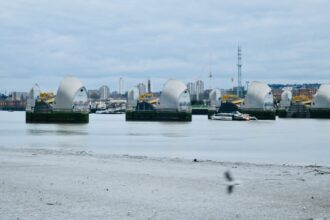
Tier 1 flood protection constitutes the primary level of flood defense infrastructure implemented to protect properties and communities from flood damage. This classification encompasses fundamental flood management systems and strategies deployed in flood-prone areas to reduce water-related risks. The principal objective of Tier 1 protection is to prevent floodwater infiltration into buildings and essential infrastructure, thereby reducing property damage and protecting public safety.
Tier 1 flood protection serves as the initial barrier against flooding events in most jurisdictions. These systems include engineered structures such as levees, floodwalls, and comprehensive drainage networks designed to manage anticipated flood volumes based on historical data and hydrological modeling. Knowledge of Tier 1 flood protection principles is essential for property owners, urban development professionals, and municipal authorities, as these foundational systems inform the development of supplementary flood risk reduction measures and long-term resilience planning.
Key Takeaways
- Tier 1 flood protection provides the highest level of defense against severe flooding events.
- Investing in Tier 1 systems can significantly reduce property damage and financial loss.
- These systems include multiple components such as barriers, pumps, and drainage improvements.
- Proper maintenance and regular upkeep are essential to ensure the effectiveness of Tier 1 protection.
- Government support and insurance incentives often play a crucial role in promoting Tier 1 flood protection adoption.
The Importance of Investing in Tier 1 Flood Protection
Investing in Tier 1 flood protection is not merely a precaution; it is a vital necessity for communities at risk of flooding. The financial implications of flooding can be devastating, leading to significant property damage, loss of personal belongings, and even displacement of residents. By implementing effective Tier 1 flood protection measures, communities can significantly reduce the economic burden associated with flood events.
This proactive approach not only protects individual properties but also preserves the overall economic stability of the region. Moreover, the importance of investing in Tier 1 flood protection extends beyond immediate financial concerns. It also encompasses public safety and environmental sustainability.
Flooding can lead to hazardous conditions that threaten lives and disrupt essential services. By prioritizing flood protection, communities can enhance their resilience against climate change and extreme weather events, ensuring that they are better prepared for future challenges. This investment fosters a sense of security among residents, encouraging them to remain in their homes and contribute to the local economy.
How Tier 1 Flood Protection Works
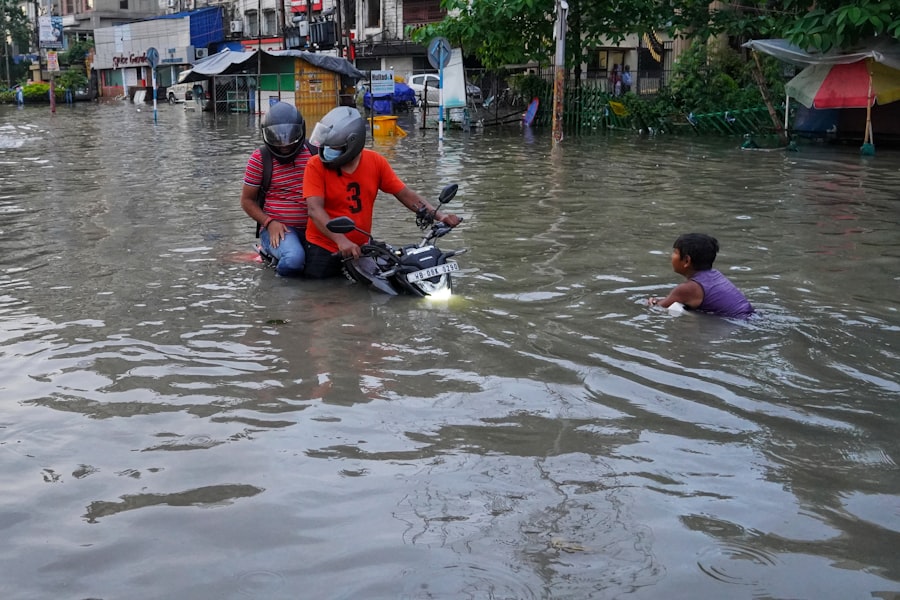
Tier 1 flood protection operates on several fundamental principles aimed at controlling water flow and minimizing its impact on vulnerable areas. The primary mechanism involves creating barriers that prevent floodwaters from encroaching on populated regions. These barriers can take various forms, including levees made from earth or concrete, which are designed to hold back rising waters during heavy rainfall or storm surges.
Additionally, drainage systems play a crucial role in directing excess water away from critical infrastructure and residential areas. Another essential aspect of how Tier 1 flood protection works is the integration of natural features into the landscape. Wetlands, for instance, can act as natural buffers against flooding by absorbing excess water and slowing its movement.
This dual approach—combining engineered solutions with natural systems—enhances the effectiveness of flood protection efforts while promoting ecological health. By understanding these mechanisms, stakeholders can better appreciate the importance of maintaining and improving Tier 1 flood protection systems.
The Components of Tier 1 Flood Protection
The components of Tier 1 flood protection are diverse and multifaceted, reflecting the complexity of managing flood risks effectively. Key elements include levees, which are earthen or concrete structures built along riverbanks or coastlines to hold back water. Floodwalls serve a similar purpose but are typically constructed from reinforced concrete and are used in urban areas where space is limited.
These structures are often complemented by drainage systems designed to channel excess water away from populated areas. In addition to physical barriers, Tier 1 flood protection also incorporates stormwater management practices such as retention basins and permeable pavements.
Permeable pavements allow water to seep through surfaces, reducing runoff and promoting groundwater recharge. Together, these components create a comprehensive approach to flood management that addresses both immediate threats and long-term sustainability.
Advantages of Tier 1 Flood Protection
| Metric | Description | Value | Unit | Notes |
|---|---|---|---|---|
| Design Flood Level | Maximum flood water level the protection is designed to withstand | 5.5 | meters | Based on 1-in-100 year flood event |
| Protection Length | Total length of flood barriers or levees | 12 | kilometers | Includes levees and floodwalls |
| Floodgate Capacity | Maximum flow rate through floodgates during flood events | 250 | cubic meters per second | Ensures controlled water discharge |
| Response Time | Time required to activate flood protection measures | 30 | minutes | Includes gate closures and pump activation |
| Pump Capacity | Volume of water that can be pumped out per hour | 10,000 | cubic meters per hour | Critical for dewatering protected areas |
| Maintenance Frequency | Scheduled inspections and upkeep of flood protection infrastructure | 6 | months | Ensures operational readiness |
| Protection Coverage Area | Land area safeguarded by Tier 1 flood protection | 150 | square kilometers | Includes residential and commercial zones |
The advantages of implementing Tier 1 flood protection systems are numerous and far-reaching. One of the most significant benefits is the reduction in property damage during flooding events. By effectively managing water flow and creating barriers against rising waters, these systems can save homeowners and businesses from costly repairs and losses.
This financial security is particularly important for communities that may struggle to recover from the economic impacts of flooding. Additionally, Tier 1 flood protection enhances community resilience by fostering a sense of safety among residents. When individuals feel secure in their homes and neighborhoods, they are more likely to invest in their properties and engage in local activities.
This sense of stability can lead to stronger community ties and increased economic activity, ultimately benefiting the entire region. Furthermore, effective flood protection measures can also improve property values, making investments in these systems not only practical but also financially sound.
Choosing the Right Tier 1 Flood Protection System for Your Property

Selecting the appropriate Tier 1 flood protection system for a property requires careful consideration of various factors, including location, topography, and specific flood risks. Property owners must assess their vulnerability to flooding by analyzing historical data on flood events in their area. This information can guide decisions on whether to implement levees, floodwalls, or other protective measures based on the unique characteristics of their property.
Consulting with experts in flood management is also crucial when choosing a Tier 1 flood protection system. Engineers and environmental planners can provide valuable insights into the most effective solutions tailored to individual needs. Additionally, property owners should consider the long-term implications of their choices, including maintenance requirements and potential impacts on local ecosystems.
By taking a comprehensive approach to selecting a flood protection system, property owners can ensure that their investments yield maximum benefits.
Common Misconceptions about Tier 1 Flood Protection
Despite its importance, there are several misconceptions surrounding Tier 1 flood protection that can hinder effective implementation. One common myth is that these systems provide absolute security against flooding. While Tier 1 measures significantly reduce risk, they cannot guarantee complete protection from all flooding scenarios.
It is essential for property owners and communities to understand that no system is infallible; rather, these measures should be viewed as part of a broader strategy for managing flood risks. Another misconception is that investing in Tier 1 flood protection is solely a government responsibility. While public agencies play a crucial role in developing and maintaining these systems, private property owners also have a stake in ensuring their own safety.
Individual investments in flood protection can complement public efforts and enhance overall community resilience. By dispelling these myths, stakeholders can foster a more informed dialogue about the importance of Tier 1 flood protection.
The Cost of Implementing Tier 1 Flood Protection
The cost of implementing Tier 1 flood protection varies widely depending on several factors, including the scale of the project, materials used, and specific site conditions. For small residential properties, simple measures such as installing drainage systems or elevating structures may be relatively affordable.
While initial costs may seem daunting, it is essential to consider the long-term savings associated with effective flood protection. The expenses incurred during a flooding event—such as property damage repairs, loss of income due to business interruptions, and emergency response costs—can far exceed the upfront investment in protective measures. Therefore, when evaluating the cost of implementing Tier 1 flood protection systems, stakeholders should adopt a holistic perspective that accounts for both immediate expenditures and potential future savings.
Maintenance and Upkeep of Tier 1 Flood Protection Systems
Maintenance and upkeep are critical components of ensuring the effectiveness of Tier 1 flood protection systems over time. Regular inspections are necessary to identify any signs of wear or damage that could compromise the integrity of levees or drainage systems. Neglecting maintenance can lead to catastrophic failures during flooding events, rendering even the most robust systems ineffective.
Property owners and local governments must establish clear maintenance protocols that outline responsibilities for inspections, repairs, and upgrades as needed. This proactive approach not only extends the lifespan of flood protection measures but also fosters community engagement in disaster preparedness efforts. By prioritizing maintenance, stakeholders can ensure that their investments in Tier 1 flood protection continue to provide reliable defense against flooding.
The Role of Government and Insurance in Tier 1 Flood Protection
Government agencies play a pivotal role in developing and implementing Tier 1 flood protection strategies at local, state, and federal levels. They are responsible for conducting risk assessments, establishing regulations for land use in flood-prone areas, and funding infrastructure projects aimed at enhancing community resilience. Additionally, government programs often provide financial assistance or incentives for property owners who invest in their own flood protection measures.
Insurance also plays a crucial role in the context of Tier 1 flood protection. Many homeowners may not fully understand their insurance policies regarding flooding coverage or may assume they are protected without taking proactive measures themselves. Educating property owners about available insurance options can help them make informed decisions about their coverage needs while encouraging them to invest in effective flood protection systems.
Case Studies: Success Stories of Tier 1 Flood Protection Implementation
Numerous case studies illustrate the success of implementing Tier 1 flood protection measures across various regions. For instance, after experiencing devastating floods in recent years, a coastal community invested in constructing levees and enhancing its drainage infrastructure. As a result, subsequent storms caused minimal damage compared to previous events, demonstrating the effectiveness of proactive investment in flood defense.
Another example can be found in urban areas where green infrastructure has been integrated into traditional flood management practices. Cities have successfully implemented permeable pavements and green roofs that not only reduce runoff but also enhance urban aesthetics and promote biodiversity. These success stories highlight how thoughtful planning and investment in Tier 1 flood protection can lead to safer communities while fostering environmental sustainability.
In conclusion, understanding Tier 1 flood protection is essential for safeguarding properties and communities against flooding risks. By investing in effective systems that combine engineered solutions with natural features, stakeholders can enhance resilience while minimizing economic impacts associated with flooding events. Through informed decision-making regarding system selection, maintenance practices, and collaboration with government agencies and insurance providers, communities can create safer environments for current residents and future generations alike.
Tier 1 flood protection is essential for safeguarding communities against the devastating impacts of flooding. For a deeper understanding of effective flood management strategies, you can read more in the article available at this link. This resource provides valuable insights into the measures that can be implemented to enhance flood resilience and protect vital infrastructure.
FAQs
What is Tier 1 flood protection?
Tier 1 flood protection refers to the highest standard of flood defense measures designed to protect areas from severe flooding events. It typically involves robust infrastructure such as levees, floodwalls, and advanced drainage systems capable of handling extreme water levels.
How does Tier 1 flood protection differ from other tiers?
Tier 1 flood protection offers the most comprehensive and reliable defense against flooding, often designed to withstand events with very low probabilities of occurrence (e.g., 1-in-1000-year floods). Lower tiers may provide less extensive protection, suitable for less severe flood risks.
What types of infrastructure are included in Tier 1 flood protection?
Infrastructure in Tier 1 flood protection can include reinforced levees, flood barriers, pumping stations, floodgates, and sophisticated water management systems that work together to prevent floodwaters from inundating protected areas.
Who is responsible for implementing Tier 1 flood protection?
Implementation is typically the responsibility of government agencies, such as local or national flood control authorities, often in collaboration with engineers, urban planners, and environmental experts.
Where is Tier 1 flood protection commonly used?
Tier 1 flood protection is commonly used in high-risk flood zones, including major urban centers, critical infrastructure sites, and areas with significant economic or population density that require the highest level of flood defense.
Can Tier 1 flood protection completely eliminate flood risk?
While Tier 1 flood protection significantly reduces the risk of flooding, it cannot completely eliminate it. Extreme or unforeseen events may still cause flooding, so emergency preparedness and response plans remain important.
How is the effectiveness of Tier 1 flood protection maintained?
Regular maintenance, inspections, upgrades, and monitoring are essential to ensure that Tier 1 flood protection systems remain effective over time and can respond to changing environmental conditions.
Is Tier 1 flood protection environmentally sustainable?
Modern Tier 1 flood protection projects often incorporate environmentally sustainable practices, such as integrating natural floodplains, wetlands restoration, and using eco-friendly materials to balance flood defense with ecological health.
What are the costs associated with Tier 1 flood protection?
Costs can be substantial due to the scale and complexity of infrastructure involved. However, these investments are justified by the potential to prevent extensive property damage, economic loss, and threats to human safety caused by flooding.
How can communities prepare for floods despite having Tier 1 protection?
Communities should maintain emergency plans, conduct flood drills, stay informed about flood warnings, and have evacuation routes and resources ready, as no flood protection system can guarantee absolute safety.