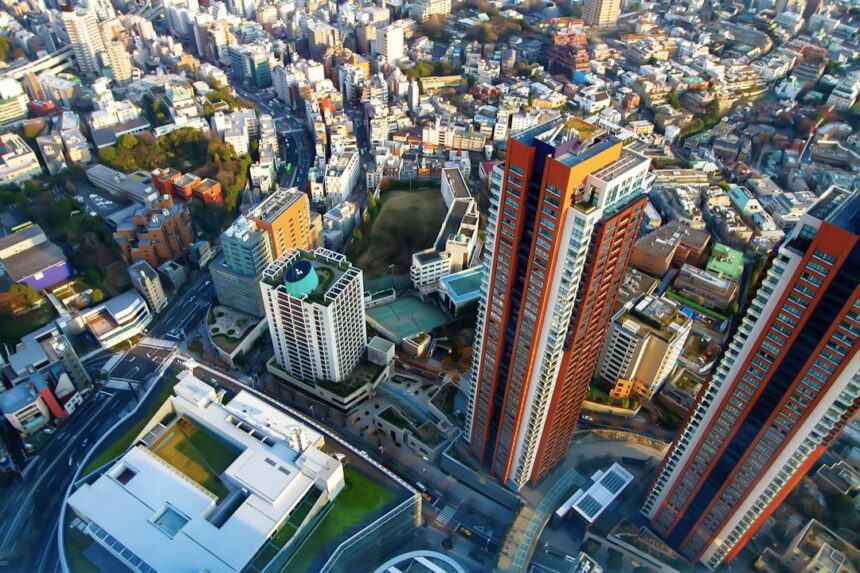
Tokyo, a bustling metropolis known for its vibrant culture and technological advancements, is also home to unique neighborhoods that lie below sea level. These areas, often characterized by their proximity to water bodies, present a fascinating juxtaposition of urban life and environmental challenges. The below sea level neighborhoods of Tokyo, such as Koto and parts of Chuo, are not only significant for their geographical positioning but also for the rich tapestry of life that unfolds within them.
Residents navigate the complexities of living in these low-lying areas, where the threat of flooding looms large, yet the allure of city life remains irresistible. The existence of these neighborhoods raises important questions about urban resilience and sustainability. As climate change continues to impact global sea levels, the implications for Tokyo’s below sea level areas become increasingly pressing.
Understanding the dynamics of these neighborhoods requires a deep dive into their history, infrastructure, and the ongoing efforts to mitigate risks associated with their unique geographical challenges. This article aims to explore the multifaceted aspects of Tokyo’s below sea level neighborhoods, shedding light on their historical context, current challenges, and future prospects.
Key Takeaways
- Tokyo’s below sea level neighborhoods are a result of extensive land reclamation projects with a rich historical background.
- Rising sea levels pose significant risks to these low-lying areas, necessitating advanced flood prevention infrastructure.
- Residents face unique challenges including flood threats, environmental concerns, and maintaining ecosystem balance.
- Urban planning in these neighborhoods integrates cultural, architectural significance with modern resilience strategies.
- Tokyo’s approach to managing below sea level areas offers valuable insights when compared to similar cities worldwide.
History of Tokyo’s Land Reclamation Projects
The history of Tokyo’s land reclamation projects is a tale of ambition and innovation. Beginning in the Edo period, the city’s transformation from a small fishing village into a sprawling urban center involved extensive land reclamation efforts. The initial projects were primarily aimed at expanding usable land for agriculture and habitation.
Over the centuries, these efforts evolved, particularly during the Meiji era when industrialization prompted a surge in urban development. The construction of artificial islands and the expansion of waterfront areas became essential to accommodate the growing population and economic activities. One of the most significant reclamation projects occurred in the post-World War II era when Tokyo faced a housing crisis due to war devastation.
The government initiated large-scale reclamation projects in Tokyo Bay, creating new land for residential and commercial use. This ambitious endeavor not only reshaped the city’s landscape but also laid the groundwork for neighborhoods that now lie below sea level. As these projects progressed, they reflected a blend of engineering prowess and urban planning vision, ultimately contributing to Tokyo’s status as a global city.
Impact of Rising Sea Levels on Tokyo’s Low-Lying Areas
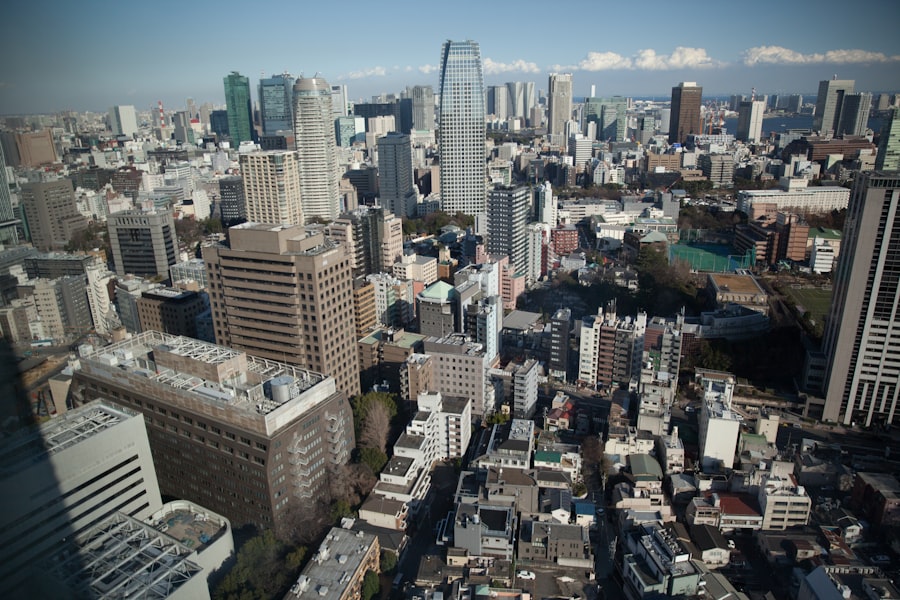
As climate change accelerates, rising sea levels pose a significant threat to Tokyo’s low-lying neighborhoods. The Intergovernmental Panel on Climate Change (IPCC) has projected that sea levels could rise by several feet by the end of the century, which would have dire consequences for areas already situated below sea level. For residents of neighborhoods like Koto and Chuo, this reality is not just theoretical; it is an imminent concern that shapes their daily lives and future planning.
The potential for increased flooding events is a pressing issue that local authorities must address. Heavy rainfall and storm surges can lead to inundation, disrupting lives and damaging property. The psychological impact on residents is profound; living with the constant threat of flooding can create anxiety and uncertainty about the future.
As such, understanding the implications of rising sea levels is crucial for both residents and policymakers as they navigate the complexities of urban living in these vulnerable areas.
Infrastructure and Flood Prevention Measures in Below Sea Level Neighborhoods
In response to the challenges posed by their geographical positioning, Tokyo’s below sea level neighborhoods have implemented various infrastructure and flood prevention measures. The city has invested heavily in advanced drainage systems designed to manage stormwater effectively. These systems include underground reservoirs and pumping stations that work in tandem to divert excess water away from residential areas during heavy rainfall.
Additionally, flood barriers and levees have been constructed along vulnerable waterfronts to provide an extra layer of protection against storm surges and rising tides. These measures are complemented by ongoing research into innovative solutions such as green infrastructure, which incorporates natural elements like parks and wetlands to absorb excess water. By integrating these strategies into urban planning, Tokyo aims to enhance its resilience against flooding while maintaining the livability of its below sea level neighborhoods.
Challenges Faced by Residents Living in Below Sea Level Areas
| Neighborhood | Average Elevation (m) | Percentage Below Sea Level | Flood Risk Level | Population |
|---|---|---|---|---|
| Edogawa | -1.2 | 65% | High | 680,000 |
| Koto | -0.8 | 55% | Moderate | 520,000 |
| Sumida | -0.5 | 40% | Moderate | 270,000 |
| Chuo | -0.3 | 30% | Low | 150,000 |
| Minato | -0.1 | 20% | Low | 250,000 |
Residents living in Tokyo’s below sea level neighborhoods face a myriad of challenges that extend beyond the immediate threat of flooding. One significant issue is the economic burden associated with living in these areas. Property values can fluctuate dramatically based on perceived risks, making it difficult for residents to secure mortgages or sell their homes.
This economic instability can lead to a sense of insecurity among residents who may feel trapped in their current situations. Moreover, there are social challenges that arise from living in low-lying areas. Community cohesion can be tested during times of crisis when residents must evacuate or deal with property damage.
The psychological toll of living under constant threat can lead to feelings of isolation or helplessness among community members. Addressing these challenges requires not only infrastructural solutions but also community engagement initiatives that foster resilience and support networks among residents.
Environmental Concerns and Ecosystems in Tokyo’s Low-Lying Areas
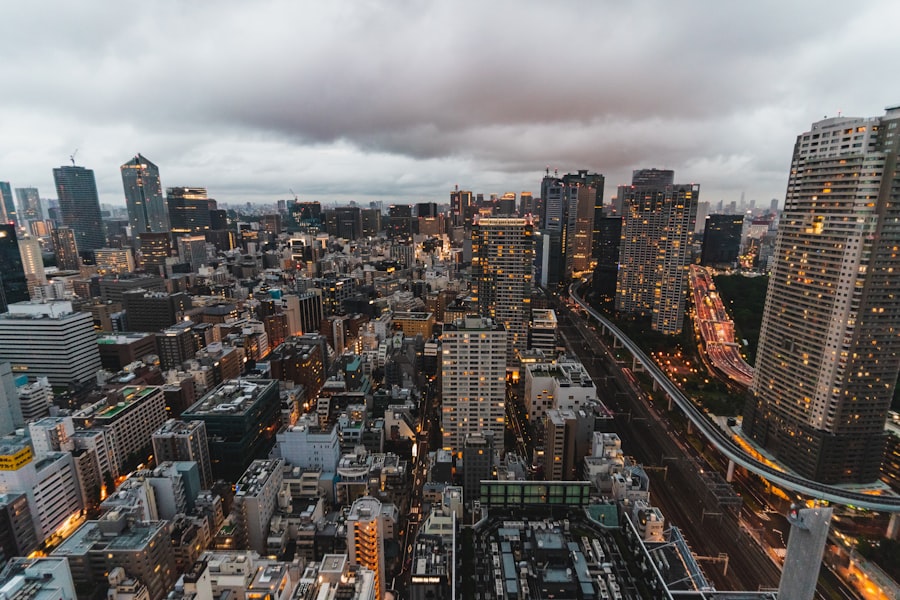
The environmental concerns surrounding Tokyo’s low-lying neighborhoods extend beyond flooding risks; they also encompass issues related to local ecosystems. Many of these areas were once rich in biodiversity, featuring wetlands and coastal habitats that supported various species. However, urbanization and land reclamation have significantly altered these ecosystems, leading to habitat loss and fragmentation.
As climate change exacerbates environmental pressures, the remaining ecosystems face additional threats from pollution and invasive species. Efforts to restore natural habitats are underway in some areas, aiming to reintroduce native flora and fauna while enhancing biodiversity. These initiatives not only contribute to ecological health but also provide valuable green spaces for residents, promoting mental well-being and community engagement.
Urban Planning and Development in Below Sea Level Neighborhoods
Urban planning in Tokyo’s below sea level neighborhoods requires a delicate balance between development and sustainability. Planners must consider both the immediate needs of residents and the long-term implications of climate change when designing new projects or revitalizing existing ones. This involves integrating flood risk assessments into planning processes to ensure that new developments are resilient against potential inundation.
Moreover, community input plays a crucial role in shaping urban development in these areas.
By prioritizing sustainable practices and community involvement, urban planners can create vibrant neighborhoods that thrive despite their geographical vulnerabilities.
Comparison with Other Below Sea Level Cities around the World
Tokyo is not alone in grappling with the challenges posed by below sea level living; several other cities around the world face similar circumstances. Cities like New Orleans, Venice, and Amsterdam have long histories of managing life below sea level due to their unique geographical settings. Each city has developed its own strategies for flood prevention and urban resilience, offering valuable lessons for Tokyo.
For instance, Amsterdam employs an extensive system of canals and dikes that have been refined over centuries to manage water levels effectively. Similarly, New Orleans has invested heavily in levees and drainage systems following devastating hurricanes. By examining these global examples, Tokyo can draw inspiration from successful strategies while adapting them to its specific context and challenges.
Cultural and Architectural Significance of Below Sea Level Neighborhoods
Tokyo’s below sea level neighborhoods are not only defined by their geographical challenges but also by their rich cultural heritage and architectural significance. Many of these areas boast unique historical landmarks that reflect the city’s evolution over time. Traditional wooden houses coexist with modern high-rises, creating a diverse architectural landscape that tells the story of Tokyo’s past.
Culturally, these neighborhoods often serve as vibrant hubs for local festivals, markets, and community events that celebrate their unique identities. The blending of old and new creates a dynamic atmosphere where tradition meets innovation, enriching the lives of residents and visitors alike. Preserving this cultural heritage while addressing contemporary challenges is essential for maintaining the character of these neighborhoods.
Future Prospects for Tokyo’s Below Sea Level Areas
Looking ahead, the future prospects for Tokyo’s below sea level neighborhoods hinge on proactive planning and adaptive strategies. As climate change continues to reshape environmental realities, it is imperative for local authorities to prioritize resilience-building measures that safeguard both people and property. This may involve investing in cutting-edge technologies for flood management or exploring innovative urban designs that incorporate natural elements.
Furthermore, fostering community engagement will be crucial in navigating future challenges. By empowering residents to participate in decision-making processes, authorities can cultivate a sense of shared responsibility for their neighborhoods’ well-being. As Tokyo continues to evolve as a global city, its below sea level neighborhoods can serve as models for resilience and adaptability in the face of environmental uncertainties.
The Resilience and Adaptability of Tokyo’s Below Sea Level Neighborhoods
In conclusion, Tokyo’s below sea level neighborhoods embody a complex interplay between urban life and environmental challenges. Their historical significance, cultural richness, and architectural diversity contribute to the city’s unique identity while highlighting the pressing need for sustainable solutions in an era marked by climate change. As residents navigate the realities of living in low-lying areas, their resilience shines through in community initiatives and adaptive strategies aimed at mitigating risks.
The journey ahead will require collaboration among residents, urban planners, and policymakers to ensure that these neighborhoods not only survive but thrive amidst changing conditions. By embracing innovation while honoring cultural heritage, Tokyo can pave the way for a future where its below sea level neighborhoods remain vibrant centers of life—resilient against adversity yet adaptable to new realities.
Tokyo is known for its unique neighborhoods, some of which are situated below sea level, raising concerns about flooding and urban planning. For a deeper understanding of the challenges and innovations in these areas, you can read more in this related article on urban development and resilience in Tokyo. Check it out here: Urban Development in Tokyo.
FAQs
What does it mean for a neighborhood to be below sea level?
A neighborhood below sea level is an area where the land’s surface is lower than the average sea level. This can make such areas more vulnerable to flooding, especially during heavy rains or storm surges.
Are there neighborhoods in Tokyo that are below sea level?
Yes, certain neighborhoods in Tokyo are situated below sea level. These areas are often located near Tokyo Bay and require extensive flood control measures to protect against water intrusion.
Why are some parts of Tokyo below sea level?
Some parts of Tokyo are below sea level due to land reclamation projects and natural subsidence. Over time, the ground in these areas has settled or been artificially lowered, resulting in below-sea-level elevations.
How does Tokyo manage flood risks in below sea level neighborhoods?
Tokyo employs a combination of flood control infrastructure such as levees, seawalls, pumping stations, and drainage systems. The city also has advanced water management policies and emergency response plans to mitigate flood risks.
Is living in a below sea level neighborhood in Tokyo safe?
While there are inherent risks due to potential flooding, Tokyo’s robust infrastructure and disaster preparedness measures make living in these neighborhoods relatively safe. Residents are encouraged to stay informed about flood warnings and emergency procedures.
What are some examples of below sea level neighborhoods in Tokyo?
Neighborhoods such as parts of Koto Ward and Edogawa Ward include areas that are below sea level. These districts have extensive flood protection systems in place.
Has Tokyo experienced flooding in its below sea level neighborhoods?
Tokyo has experienced flooding in the past, particularly during typhoons and heavy rainfall events. However, continuous improvements in flood defenses have reduced the frequency and severity of such incidents.
Can climate change affect below sea level neighborhoods in Tokyo?
Yes, rising sea levels and increased rainfall due to climate change can heighten the risk of flooding in below sea level neighborhoods. Tokyo is actively working on climate adaptation strategies to address these challenges.
Are there any special building regulations for below sea level areas in Tokyo?
Yes, construction in below sea level areas often must comply with stricter building codes designed to enhance flood resistance, such as elevated foundations and waterproofing measures.
How can residents prepare for flooding in below sea level neighborhoods?
Residents should stay informed about weather forecasts, have emergency kits ready, know evacuation routes, and participate in community disaster preparedness programs to ensure safety during flood events.