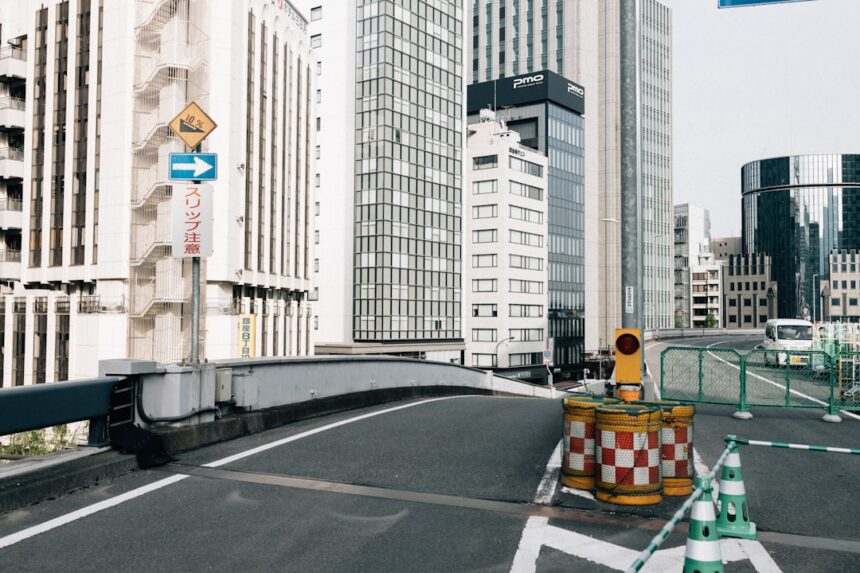
Tokyo, the capital of Japan with a metropolitan population exceeding 37 million, is located on the Kanto Plain in a region characterized by high flood risk. The city experiences an average annual rainfall of 1,520 millimeters, with the majority occurring during the rainy season (June-July) and typhoon season (August-October). Tokyo’s elevation ranges from sea level to approximately 25 meters above sea level, with significant portions of the urban area situated below the high-water mark of surrounding rivers.
The Tokyo Metropolitan Area is traversed by multiple river systems, including the Sumida, Arakawa, and Tama rivers, which historically have caused severe flooding events. Notable floods occurred in 1910, 1947, and 1958, with the 1958 Kanogawa Typhoon resulting in 1.2 million people affected and economic losses exceeding 200 billion yen. These events prompted the development of comprehensive flood control infrastructure.
Tokyo’s current flood defense system consists of underground discharge channels, pumping stations, retention basins, and river improvements spanning over 2,600 kilometers of waterways. The Metropolitan Area Outer Underground Discharge Channel, completed in 2006, represents the world’s largest underground flood water diversion facility, capable of handling 200 cubic meters of water per second. This infrastructure investment, totaling approximately 230 billion yen, demonstrates the economic priority placed on flood risk reduction in one of the world’s most densely populated urban areas.
Key Takeaways
- Tokyo has developed an advanced flood defense system to address its history of severe flooding.
- The system incorporates innovative engineering features and cutting-edge technology to manage flood risks effectively.
- Key components include underground tunnels, floodgates, and large-scale water storage facilities.
- Despite its success, the system faces challenges such as environmental impact and limitations in extreme weather events.
- Future plans aim to enhance the system’s capacity and sustainability, ensuring long-term protection for the city.
History of Flooding in Tokyo
The history of flooding in Tokyo is as old as the city itself. The Edo period, which lasted from 1603 to 1868, witnessed numerous floods that devastated communities and disrupted daily life. The Sumida River, which flows through the heart of Tokyo, has been particularly notorious for its propensity to overflow during heavy rains.
Historical records indicate that significant floods occurred in 1910, 1934, and 1958, each causing extensive damage and loss of life. These events highlighted the urgent need for a comprehensive flood management strategy. In the aftermath of World War II, Tokyo underwent rapid reconstruction and urbanization, further increasing its vulnerability to flooding.
The population surged, and with it came the expansion of infrastructure that often disregarded natural water flow patterns. The Great Tokyo Flood of 1958 was a turning point; it prompted the government to take serious action in addressing flood risks. This event catalyzed the development of a more sophisticated flood defense system that would evolve over the decades into what it is today.
The Development of Tokyo’s Innovative Flood Defense System
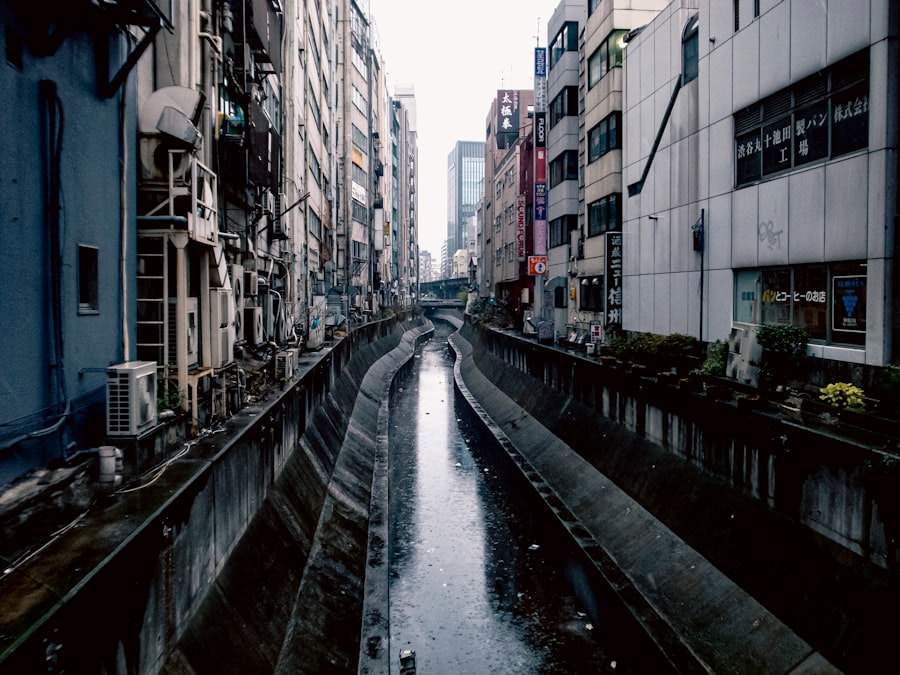
The evolution of Tokyo’s flood defense system can be traced back to the mid-20th century when the city recognized the need for a proactive approach to flood management. In response to the catastrophic floods of 1958, authorities initiated a series of projects aimed at improving drainage systems and river management. The establishment of the Tokyo Metropolitan Government’s Bureau of Construction marked a significant step in coordinating these efforts.
Over the years, various measures were implemented, including the construction of levees, floodgates, and retention basins. By the 1990s, Tokyo had begun to adopt more advanced engineering techniques and technologies in its flood defense strategy. The introduction of underground drainage systems and large-scale reservoirs became essential components of the city’s approach.
The Metropolitan Area Outer Underground Discharge Channel (MAOUDC), completed in 2006, stands as a testament to this innovative spirit. This massive underground facility was designed to divert excess rainwater away from urban areas, showcasing Tokyo’s commitment to integrating modern engineering with environmental considerations.
Key Features of Tokyo’s Flood Defense System
Tokyo’s flood defense system is characterized by several key features that work in concert to mitigate flooding risks. One of the most notable elements is the extensive network of levees and embankments that line the city’s rivers. These structures are designed to contain rising water levels and prevent overflow into populated areas.
The MAOUDC plays a pivotal role in this regard, capable of handling up to 200 tons of water per second during peak rainfall events.
Furthermore, retention basins scattered throughout the city serve as temporary storage for excess water, allowing it to be gradually released back into rivers once levels stabilize.
How Tokyo’s Flood Defense System Works
| Metric | Value | Unit | Description |
|---|---|---|---|
| Maximum Water Storage Capacity | 6.3 | million cubic meters | Capacity of underground reservoirs to store floodwater |
| Length of Flood Tunnels | 6.3 | kilometers | Total length of underground flood tunnels |
| Number of Floodgates | 5 | units | Floodgates controlling water flow into tunnels |
| Maximum Pumping Capacity | 200 | cubic meters per second | Rate at which water is pumped out to prevent flooding |
| Flood Defense System Completion Year | 2006 | year | Year when the main system was completed |
| Area Protected | 100 | square kilometers | Urban area protected by the flood defense system |
The functionality of Tokyo’s flood defense system relies on a combination of engineering design and real-time monitoring. When heavy rainfall occurs, water is channeled through a series of drains and culverts that lead to larger waterways. The system is designed to manage both surface runoff and groundwater levels effectively.
As water levels rise in rivers, sensors trigger automated responses within the floodgates and levees, ensuring that they are activated at critical moments. Moreover, the MAOUDC operates as a crucial safety net during extreme weather events. When rainfall exceeds the capacity of surface drainage systems, excess water is diverted into this underground facility.
Here, it is temporarily stored before being gradually released into nearby rivers once conditions improve. This multi-layered approach allows Tokyo to manage flooding dynamically, adapting to changing weather patterns while minimizing disruption to daily life.
The Role of Technology in Tokyo’s Flood Defense System
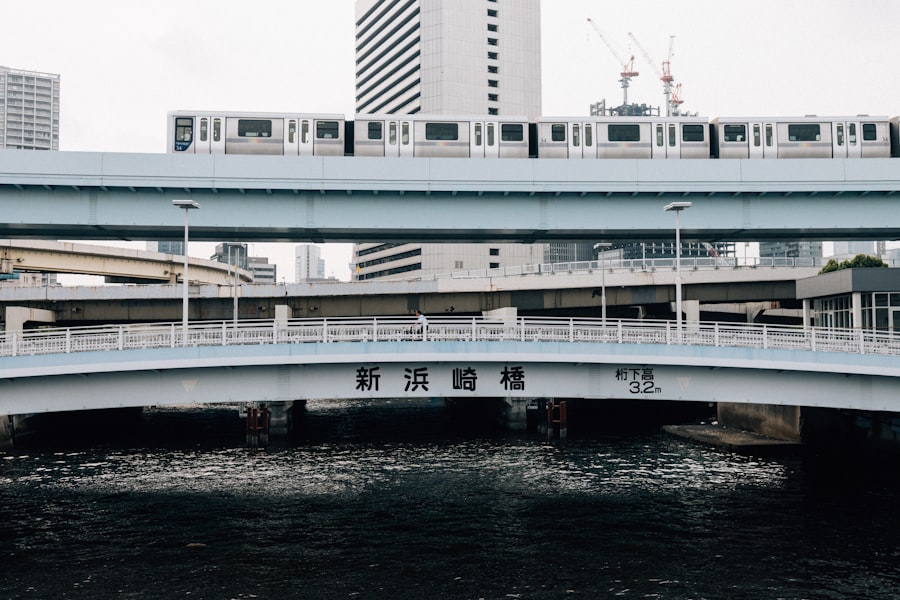
Technology plays an indispensable role in enhancing the effectiveness of Tokyo’s flood defense system. Advanced meteorological forecasting tools enable city planners and engineers to predict rainfall patterns with remarkable accuracy. This data informs decision-making processes regarding when to activate floodgates or implement other protective measures.
Real-time monitoring systems equipped with sensors track water levels across various points in the city, providing critical information that helps manage flooding risks proactively. Additionally, Geographic Information Systems (GIS) are employed to analyze spatial data related to flooding vulnerabilities. By mapping areas at risk and assessing infrastructure resilience, city officials can prioritize investments in flood defense measures.
The integration of technology not only improves response times during emergencies but also facilitates long-term planning for climate resilience.
Environmental Impact of Tokyo’s Flood Defense System
While Tokyo’s flood defense system is primarily designed for protection against flooding, it also has significant environmental implications. The construction of underground reservoirs and retention basins has altered local ecosystems but has also created opportunities for urban green spaces. These areas can serve dual purposes: managing stormwater while providing recreational spaces for residents.
However, there are concerns regarding the ecological impact of such large-scale engineering projects. Alterations to natural waterways can disrupt habitats and affect biodiversity within urban environments. As such, ongoing assessments are necessary to ensure that flood defense measures do not compromise ecological integrity while still providing essential protection against flooding.
Challenges and Limitations of Tokyo’s Flood Defense System
Despite its advanced design and technology, Tokyo’s flood defense system faces several challenges and limitations. One significant issue is the increasing frequency and intensity of extreme weather events attributed to climate change. As rainfall patterns become more unpredictable, even well-engineered systems may struggle to cope with unprecedented volumes of water.
Moreover, urbanization continues to pose challenges for effective flood management. As more land is developed for housing and infrastructure, natural drainage pathways are often obstructed or altered. This can lead to increased surface runoff and exacerbate flooding risks in certain areas.
Continuous adaptation and investment in infrastructure are essential to address these evolving challenges effectively.
Comparison with Other Flood Defense Systems Around the World
Tokyo’s flood defense system stands out as one of the most comprehensive globally; however, it is not without its counterparts in other cities facing similar challenges. For instance, Amsterdam employs a network of dikes and canals designed to manage water levels effectively in a city built largely below sea level. Similarly, New Orleans has invested heavily in levees and pump systems following Hurricane Katrina’s devastation in 2005.
While each city’s approach reflects its unique geographical and climatic conditions, common themes emerge: proactive planning, community engagement, and technological integration are crucial elements for success. By learning from one another’s experiences, cities worldwide can enhance their resilience against flooding while fostering sustainable urban development.
Future Plans for Tokyo’s Flood Defense System
Looking ahead, Tokyo’s authorities recognize that continuous improvement is vital for maintaining an effective flood defense system amid changing environmental conditions. Future plans include expanding existing infrastructure and investing in innovative technologies that enhance predictive capabilities for rainfall events. Additionally, there is a growing emphasis on integrating green infrastructure solutions that work harmoniously with traditional engineering methods.
Community involvement will also play a crucial role in shaping future flood management strategies. Engaging residents in discussions about local vulnerabilities and potential solutions fosters a sense of ownership and responsibility toward flood resilience efforts. By prioritizing collaboration between government agencies, engineers, scientists, and citizens, Tokyo aims to create a more robust framework for managing flooding risks in the years to come.
The Importance of Tokyo’s Innovative Flood Defense System
In conclusion, Tokyo’s innovative flood defense system represents a remarkable achievement in urban planning and engineering. Its development has been shaped by historical experiences with flooding and an unwavering commitment to protecting residents from natural disasters. As climate change continues to pose new challenges, the importance of such systems cannot be overstated; they are essential not only for safeguarding lives but also for ensuring economic stability within vulnerable urban environments.
Tokyo serves as a beacon for other cities grappling with similar issues worldwide. By embracing technology, fostering community engagement, and prioritizing sustainable practices, urban centers can enhance their resilience against flooding while promoting environmental stewardship. Ultimately, Tokyo’s experience underscores that proactive measures are crucial for navigating an uncertain future marked by climate variability and increasing urbanization challenges.
Tokyo has been proactive in enhancing its flood defense systems, especially in light of the increasing frequency of heavy rainfall and typhoons. A related article that delves into the innovative measures being implemented can be found at this link. The article discusses various strategies, including the construction of underground reservoirs and advanced drainage systems, aimed at mitigating the impact of flooding in the city.
FAQs
What is the Tokyo flooding defense system?
The Tokyo flooding defense system is a comprehensive infrastructure network designed to protect the Tokyo metropolitan area from flooding caused by heavy rainfall, typhoons, and storm surges. It includes floodgates, underground tunnels, pumping stations, levees, and reservoirs.
Why was the Tokyo flooding defense system developed?
The system was developed in response to Tokyo’s vulnerability to flooding due to its low-lying geography, high population density, and frequent heavy rains and typhoons. The goal is to minimize flood damage, protect lives and property, and ensure the city’s resilience against natural disasters.
What are the main components of the Tokyo flooding defense system?
Key components include the Metropolitan Area Outer Underground Discharge Channel (a massive underground tunnel system), floodgates on rivers, pumping stations to remove excess water, levees along riverbanks, and retention basins to temporarily store floodwater.
How does the Metropolitan Area Outer Underground Discharge Channel work?
This underground facility collects excess water from rivers and channels it through large tunnels to a discharge point outside the city, preventing river overflow and urban flooding. It is one of the largest flood control systems in the world.
Has the Tokyo flooding defense system been effective?
Yes, the system has significantly reduced the impact of flooding in Tokyo. It has successfully managed several heavy rain events and typhoons, preventing widespread damage and maintaining urban safety.
Is the Tokyo flooding defense system still being improved?
Yes, ongoing maintenance, upgrades, and expansions are regularly conducted to enhance the system’s capacity and adapt to changing climate conditions and urban development.
Can other cities learn from Tokyo’s flooding defense system?
Absolutely. Tokyo’s integrated approach to flood management, combining advanced engineering with urban planning, serves as a model for other flood-prone metropolitan areas worldwide.