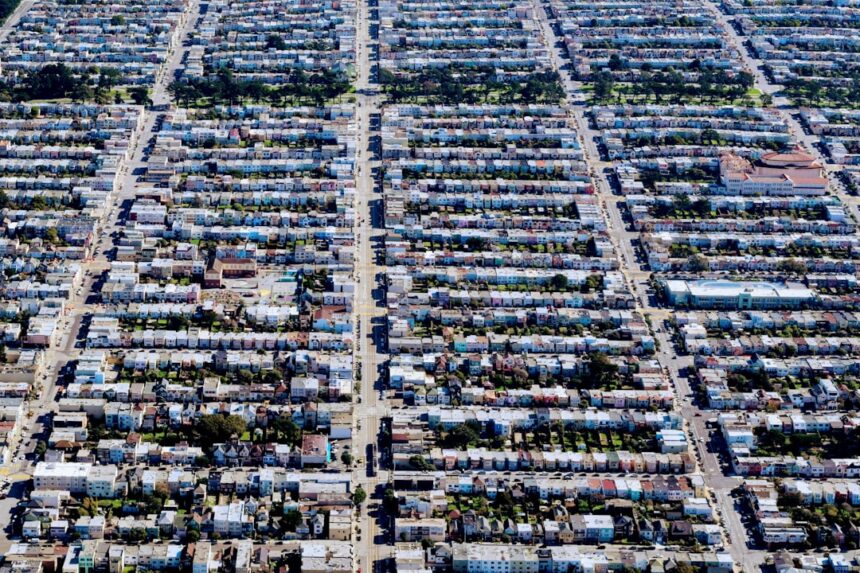
Climate gentrification describes the demographic and property value changes in neighborhoods resulting from climate change impacts. Areas perceived as safer from climate-related disasters such as flooding or extreme heat become more attractive to wealthy individuals and developers, leading to increased property prices and displacement of original residents. This process highlights how environmental changes can worsen existing vulnerabilities of marginalized communities.
The concept represents the intersection of environmental and socio-economic factors. As climate change intensifies, areas with greater resilience attract investment and new residents, often transforming neighborhood characteristics and marginalizing existing residents who lack resources to adapt or relocate. Climate gentrification illustrates how environmental challenges compound social inequities, creating displacement patterns that disproportionately impact low-income communities.
Key Takeaways
- Climate gentrification occurs when climate change impacts cause shifts in neighborhood desirability, leading to displacement and socioeconomic changes.
- Rising climate risks like flooding and heatwaves alter neighborhood dynamics, often pushing vulnerable populations out.
- Policy and urban planning play crucial roles in either mitigating or exacerbating climate gentrification effects.
- Community resistance and advocacy are vital in protecting residents from displacement and promoting environmental justice.
- Building resilient, inclusive communities requires addressing the intersections of race, class, and climate vulnerability.
The Impact of Climate Change on Neighborhood Dynamics
Climate change has far-reaching implications for neighborhood dynamics, influencing everything from housing markets to community cohesion. As certain areas become increasingly vulnerable to climate-related events—such as hurricanes, wildfires, or rising sea levels—residents may find themselves facing heightened risks. In response, some individuals and families may choose to relocate to areas perceived as safer, leading to demographic shifts that can alter the fabric of communities.
This migration often results in a ripple effect, where the influx of new residents drives up demand for housing and services, further exacerbating existing inequalities. Moreover, the impact of climate change on neighborhood dynamics is not uniform; it varies significantly based on geographic location and socio-economic status. Wealthier neighborhoods may invest in infrastructure improvements and green spaces that enhance their resilience to climate impacts, while poorer areas often lack such resources.
This disparity can lead to a stark divide in how communities experience climate change, with affluent neighborhoods becoming more desirable and less vulnerable, while marginalized communities face increasing risks and challenges. The result is a complex landscape where climate change acts as both a catalyst for gentrification and a magnifier of existing social inequities.
Case Studies: Neighborhoods Affected by Climate Gentrification
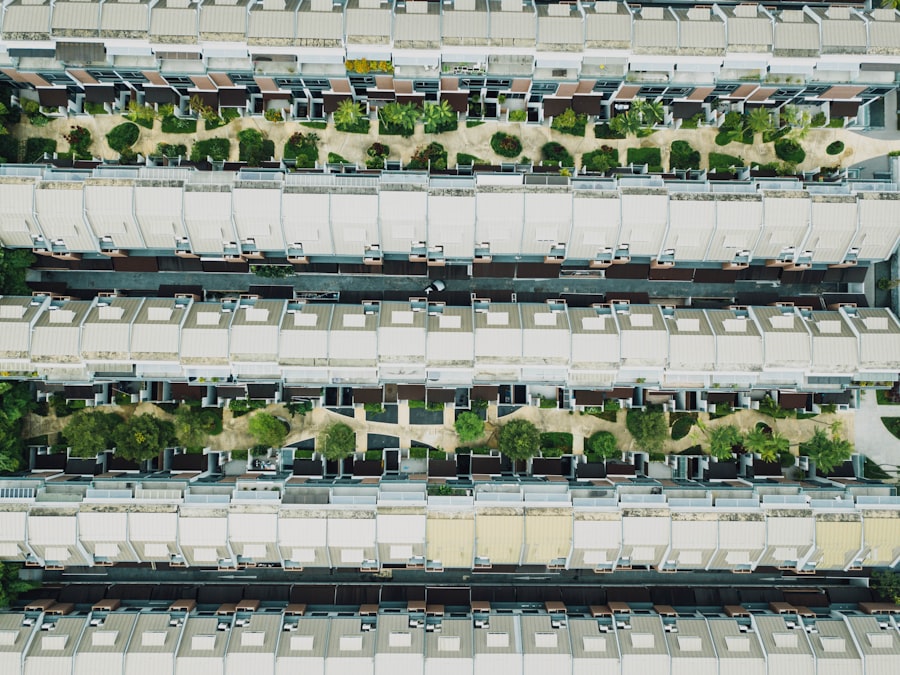
Several neighborhoods across the United States have become emblematic of climate gentrification, showcasing the multifaceted nature of this issue. One notable example is Miami’s Little Haiti, a historically Black neighborhood that has seen an influx of wealthier residents seeking refuge from rising sea levels and flooding. As developers invest in luxury housing and commercial spaces, long-time residents face the threat of displacement.
The cultural heritage of Little Haiti is at risk as new developments reshape the landscape, highlighting the tension between economic growth and community preservation. Another case study can be found in New Orleans, where neighborhoods like the Lower Ninth Ward are grappling with the aftermath of Hurricane Katrina. In the years following the disaster, there has been a push for revitalization that has attracted new investment but also led to rising property values.
While some residents welcome improvements in infrastructure and services, others fear losing their homes as gentrification takes hold. These case studies illustrate how climate change not only influences physical environments but also reshapes social dynamics, often leaving vulnerable populations at a disadvantage.
The Role of Policy and Planning in Addressing Climate Gentrification
Effective policy and planning are crucial in addressing the challenges posed by climate gentrification. Local governments must adopt strategies that prioritize equitable development while enhancing community resilience to climate impacts. This involves creating policies that protect existing residents from displacement, such as rent control measures or affordable housing initiatives.
Additionally, urban planning must incorporate climate adaptation strategies that consider the needs of all community members, ensuring that improvements do not come at the expense of long-standing residents. Moreover, collaboration between policymakers, community organizations, and residents is essential for developing inclusive solutions. Engaging local voices in the planning process can help identify specific needs and concerns, fostering a sense of ownership among community members.
By prioritizing equity in climate adaptation efforts, cities can work towards mitigating the adverse effects of climate gentrification while promoting sustainable development that benefits everyone.
Displacement and Gentrification: Understanding the Connection
| City | Climate Risk Factor | Median Property Value Increase (%) | Displacement Rate (%) | Time Period | Notes |
|---|---|---|---|---|---|
| Miami, FL | Flood Risk | 25 | 12 | 2010-2020 | Higher elevation neighborhoods saw increased investment |
| New Orleans, LA | Hurricane Vulnerability | 18 | 15 | 2012-2022 | Post-Katrina rebuilding led to gentrification in safer zones |
| San Francisco, CA | Sea Level Rise | 22 | 10 | 2015-2023 | Increased demand in inland neighborhoods |
| Boston, MA | Flood Risk | 20 | 8 | 2010-2020 | Investment in higher ground areas increased property values |
| Houston, TX | Flood Risk | 15 | 14 | 2013-2023 | Post-Harvey migration to less flood-prone neighborhoods |
Displacement is a central concern in discussions about gentrification, particularly in the context of climate change. As neighborhoods become more desirable due to their perceived safety from environmental hazards, long-time residents often find themselves pushed out by rising rents and property values. This displacement is not merely an economic issue; it also carries profound social implications, as communities lose their cultural identity and social networks.
Understanding the connection between displacement and gentrification requires an examination of the broader socio-economic landscape. Factors such as income inequality, housing policies, and access to resources all play a role in shaping how communities respond to climate change. As wealthier individuals move into vulnerable neighborhoods seeking safety from climate impacts, they inadvertently contribute to a cycle of displacement that disproportionately affects low-income residents.
Addressing this connection necessitates a comprehensive approach that considers both economic and social dimensions.
Community Resistance and Advocacy in the Face of Climate Gentrification
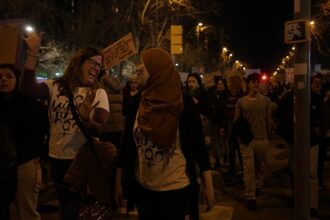
In response to the challenges posed by climate gentrification, many communities are mobilizing to advocate for their rights and protect their neighborhoods. Grassroots organizations play a vital role in raising awareness about the impacts of climate change on local communities and pushing for policies that prioritize equity and inclusion. These efforts often involve organizing community meetings, conducting research on local conditions, and engaging with policymakers to ensure that resident voices are heard.
Community resistance takes many forms, from protests against unjust development projects to campaigns for affordable housing initiatives. Residents are increasingly recognizing the importance of collective action in addressing the threats posed by climate gentrification. By uniting around shared goals and advocating for their needs, communities can challenge the status quo and work towards creating more equitable urban environments that prioritize resilience and sustainability.
Environmental Justice and Climate Gentrification
The concept of environmental justice is deeply intertwined with discussions about climate gentrification. Environmental justice advocates argue that marginalized communities should not bear a disproportionate burden of environmental hazards while being excluded from the benefits of urban development. As neighborhoods undergo changes driven by climate impacts, it is essential to consider how these shifts affect vulnerable populations who may lack the resources to adapt or relocate.
Addressing environmental justice within the context of climate gentrification requires a commitment to equitable policies that prioritize the needs of marginalized communities. This includes ensuring access to affordable housing, green spaces, and essential services while actively involving residents in decision-making processes. By centering environmental justice in discussions about climate gentrification, cities can work towards creating more inclusive urban environments that promote resilience for all residents.
The Intersection of Race, Class, and Climate Gentrification
The intersection of race, class, and climate gentrification reveals deep-seated inequalities within urban environments. Historically marginalized communities often bear the brunt of climate impacts while facing systemic barriers to economic mobility and access to resources. As neighborhoods become more desirable due to their perceived safety from climate change, wealthier individuals—often predominantly white—move in, leading to increased property values and displacement of long-time residents who are typically people of color.
This dynamic underscores the need for an intersectional approach when addressing climate gentrification. Policymakers must recognize how race and class intersect to shape experiences of vulnerability and resilience within communities. By prioritizing equity in urban planning efforts and actively engaging marginalized voices in decision-making processes, cities can work towards dismantling systemic barriers that perpetuate inequality while fostering inclusive development.
Strategies for Mitigating the Effects of Climate Gentrification
Mitigating the effects of climate gentrification requires a multifaceted approach that encompasses policy changes, community engagement, and innovative planning strategies. One effective strategy is implementing inclusionary zoning policies that mandate a percentage of new developments be set aside for affordable housing. This can help ensure that long-time residents are not priced out as neighborhoods undergo transformation due to climate-related investments.
Additionally, cities can invest in community land trusts or cooperative housing models that empower residents to have a stake in their neighborhoods’ future. By prioritizing community ownership over speculative development, these strategies can help preserve affordability while fostering resilience against climate impacts. Engaging residents in participatory planning processes also allows for tailored solutions that reflect local needs and aspirations.
Building Resilient Communities in the Face of Climate Change
Building resilient communities in the face of climate change involves fostering social cohesion alongside physical infrastructure improvements. Resilience is not solely about adapting buildings or landscapes; it also encompasses strengthening community ties and ensuring that all residents have access to resources necessary for recovery during crises. Initiatives such as community gardens or local disaster preparedness programs can enhance both social capital and environmental resilience.
Furthermore, investing in education and awareness campaigns can empower residents with knowledge about climate risks and adaptation strategies. By equipping communities with information and resources, cities can foster a culture of preparedness that enhances resilience against future challenges posed by climate change. Ultimately, building resilient communities requires a holistic approach that integrates social equity with environmental sustainability.
The Future of Neighborhood Dynamics in the Era of Climate Gentrification
As cities continue to grapple with the realities of climate change, neighborhood dynamics will inevitably evolve in response to shifting environmental conditions. The phenomenon of climate gentrification will likely persist as wealthier individuals seek refuge from climate impacts while marginalized communities face increasing vulnerability. However, there is potential for positive change if cities prioritize equitable policies that address these challenges head-on.
The future will depend on how effectively communities advocate for their needs while engaging with policymakers to shape inclusive urban development strategies. By centering equity in discussions about climate adaptation and resilience planning, cities can work towards creating environments where all residents thrive despite the challenges posed by climate change. Ultimately, fostering collaboration between diverse stakeholders will be essential for navigating this complex landscape and ensuring that neighborhood dynamics evolve in ways that promote justice and sustainability for all.
Climate gentrification is an emerging phenomenon where rising sea levels and increased flooding lead to the displacement of lower-income communities, often resulting in wealthier individuals moving into these areas. A related article that delves deeper into this issue can be found at this link. The article explores the socio-economic impacts of climate change on urban neighborhoods and highlights the need for equitable solutions to address these challenges.
FAQs
What is climate gentrification?
Climate gentrification refers to the process where neighborhoods less vulnerable to climate change impacts, such as flooding or extreme heat, become more desirable and expensive. This often leads to displacement of lower-income residents as wealthier individuals move in.
What causes climate gentrification?
Climate gentrification is primarily caused by increasing awareness of climate risks, leading people to relocate to safer areas. Rising property values in these safer neighborhoods attract investment and development, which can drive up housing costs.
Which areas are most affected by climate gentrification?
Areas less prone to climate hazards like flooding, hurricanes, or heatwaves—often higher elevation neighborhoods or those with better infrastructure—are most affected. Examples include parts of Miami and New Orleans where residents move away from vulnerable coastal zones.
How does climate gentrification impact local communities?
It can lead to displacement of long-term, often lower-income residents due to rising rents and property taxes. This disrupts social networks and can exacerbate economic inequality and housing insecurity.
Are there any strategies to mitigate climate gentrification?
Yes, strategies include implementing affordable housing policies, investing in climate resilience across all neighborhoods, and involving communities in planning to ensure equitable development and prevent displacement.
Is climate gentrification a global phenomenon?
While most studied in U.S. cities, climate gentrification can occur globally wherever climate risks influence migration and real estate markets, particularly in urban areas vulnerable to climate change.
How is climate gentrification different from traditional gentrification?
Traditional gentrification is driven mainly by economic and cultural factors, whereas climate gentrification is specifically influenced by environmental risks and the search for safer living conditions in the face of climate change.