
In today’s world, where resources are finite and environmental concerns are at the forefront of global discussions, understanding the importance of leak audits is essential. Leaks in systems can lead to significant waste, both financially and environmentally. A leak audit is a systematic examination of infrastructure to identify and quantify leaks, ensuring resource conservation and operational efficiency optimization.
Prioritizing leak audits enables a proactive approach to asset management, ultimately leading to enhanced sustainability and cost savings. The significance of leak audits extends beyond detection. They serve as a critical tool for risk management, helping identify system vulnerabilities before they escalate into larger issues.
Regular audits create a culture of accountability and awareness within organizations. This proactive approach safeguards resources and positions organizations as responsible environmental stewards, which is increasingly important in today’s socially conscious marketplace.
Key Takeaways
- Leak audits are essential for detecting and addressing leaks that cause financial loss and environmental harm.
- Common leak sources include pipes, valves, and fittings, which require regular inspection.
- Regular leak audits help save money, conserve resources, and improve operational efficiency.
- Advanced technology and software enhance the accuracy and efficiency of leak detection processes.
- Ongoing maintenance and staff training are critical to sustaining leak prevention and maximizing long-term benefits.
The Cost of Ignoring Leaks: Financial and Environmental Impacts
Ignoring leaks can have dire consequences that ripple through both your financial statements and the environment. When you overlook even minor leaks, you may be allowing substantial amounts of water, gas, or other valuable resources to escape. This not only inflates your utility bills but can also lead to costly repairs down the line.
You might find yourself facing increased operational costs due to inefficiencies that stem from undetected leaks. The longer you wait to address these issues, the more expensive they become, creating a cycle of waste that can be difficult to break. On an environmental level, the implications of ignoring leaks are equally concerning.
Water scarcity is a pressing global issue, and every drop wasted contributes to this crisis.
By failing to conduct regular leak audits, you are not only jeopardizing your bottom line but also contributing to a larger problem that affects communities and ecosystems.
The responsibility lies with you to ensure that your operations are sustainable and that you are doing your part to protect the planet.
Identifying Common Sources of Leaks: From Pipes to Valves

To effectively manage leaks, it is essential to identify their common sources. You may be surprised to learn that leaks can occur in various parts of your infrastructure, from pipes and valves to fittings and joints. Aging infrastructure is often a primary culprit; as materials degrade over time, they become more susceptible to leaks.
If you have older systems in place, it is crucial to pay close attention to these areas during your audits. Additionally, improper installation or maintenance can lead to leaks that might otherwise be preventable. For instance, if valves are not correctly sealed or if pipes are not adequately supported, they may develop leaks over time.
You should also consider external factors such as temperature fluctuations and ground movement, which can exacerbate existing vulnerabilities in your systems. By understanding where leaks are most likely to occur, you can focus your efforts on these high-risk areas during your leak audits.
The Benefits of Regular Leak Audits: Saving Money and Resources
Conducting regular leak audits offers numerous benefits that extend beyond immediate cost savings. By identifying and addressing leaks promptly, you can significantly reduce your operational expenses. You may find that the money saved from reduced utility bills can be reinvested into other areas of your business, fostering growth and innovation.
Furthermore, by conserving resources, you contribute to a more sustainable operation that aligns with modern environmental standards. In addition to financial savings, regular leak audits can enhance your organization’s reputation. As consumers become increasingly aware of environmental issues, they are more likely to support businesses that demonstrate a commitment to sustainability.
By showcasing your proactive approach to leak management, you can differentiate yourself from competitors and attract environmentally conscious customers. Ultimately, the benefits of regular leak audits extend far beyond immediate savings; they contribute to a more resilient and responsible business model.
Case Studies: Real-life Examples of Uncovered Value
| Metric | Description | Value | Impact |
|---|---|---|---|
| Number of Hidden Value Giveaways | Count of undisclosed giveaways identified during the leak audit | 12 | Medium |
| Estimated Revenue Loss | Potential revenue lost due to hidden giveaways | 150,000 | High |
| Leak Source | Origin of the leak causing hidden giveaways | Internal System Misconfiguration | Critical |
| Time to Detect | Average time taken to identify hidden giveaways after leak occurrence | 3 weeks | Medium |
| Number of Affected Customers | Customers who received hidden giveaways unintentionally | 450 | Low |
| Remediation Cost | Cost to fix the leak and prevent future hidden giveaways | 25,000 | Medium |
Examining real-life case studies can provide valuable insights into the potential value uncovered through leak audits. For instance, consider a manufacturing facility that conducted a comprehensive leak audit and discovered significant water loss due to outdated piping systems. By investing in repairs and upgrades, the facility not only reduced its water consumption by 30% but also saved thousands of dollars annually on utility costs.
This case illustrates how proactive measures can lead to substantial financial benefits while promoting sustainability. Another compelling example comes from a municipal water authority that implemented regular leak audits across its distribution network. Through these audits, they identified numerous leaks that had gone undetected for years.
By addressing these issues promptly, the authority was able to reduce water loss by 25%, translating into millions of gallons saved each year. This not only improved their bottom line but also enhanced community trust in their ability to manage resources effectively. These case studies highlight the tangible value that can be uncovered through diligent leak auditing practices.
How to Conduct a Leak Audit: Tips for Success
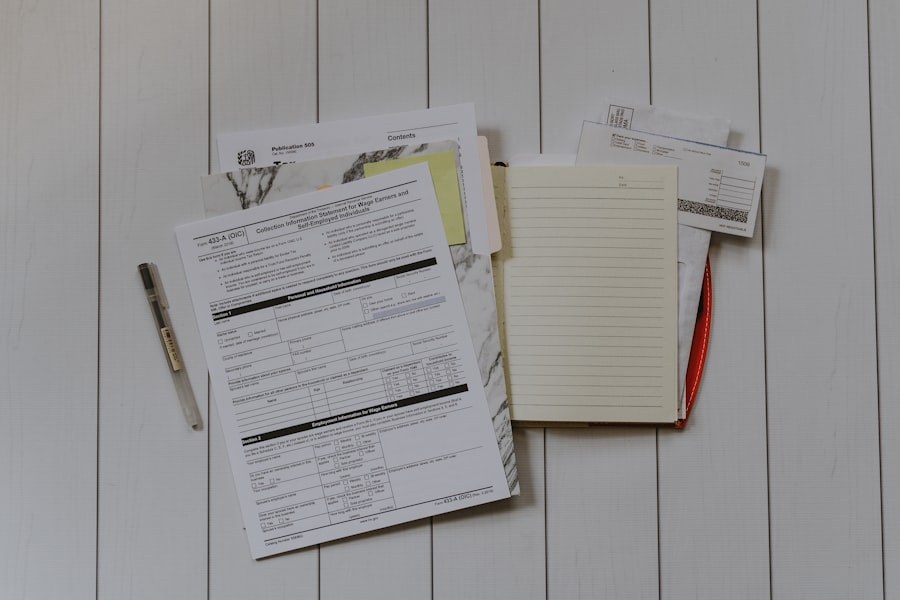
Conducting a successful leak audit requires careful planning and execution.
This diverse skill set will enable you to approach the audit from multiple angles and ensure comprehensive coverage of your systems.
Once your team is in place, develop a clear audit plan outlining the scope, objectives, and timeline for the audit process. During the audit itself, it is essential to employ a systematic approach. Begin by reviewing historical data related to water or energy consumption; this will help you identify patterns or anomalies that may indicate leaks.
Next, conduct physical inspections of your infrastructure, focusing on high-risk areas identified in previous sections. Utilize tools such as ultrasonic leak detectors or thermal imaging cameras to enhance your detection capabilities. Finally, document all findings meticulously and prioritize them based on severity and potential impact on operations.
Utilizing Technology: Tools and Software for Efficient Leak Detection
In today’s digital age, technology plays a crucial role in enhancing the efficiency of leak detection efforts. You have access to an array of tools and software designed specifically for this purpose. For instance, advanced sensors can be installed throughout your infrastructure to monitor for changes in pressure or flow rates continuously.
These sensors can alert you in real-time when anomalies occur, allowing for swift action before minor issues escalate into major problems. Additionally, software solutions can streamline the data analysis process following an audit. By leveraging data analytics tools, you can identify trends and patterns in your leak data over time.
This information can inform future audits and help you make data-driven decisions regarding maintenance and upgrades. Embracing technology not only enhances your leak detection capabilities but also positions you as a forward-thinking organization committed to operational excellence.
Analyzing Audit Findings: Identifying Giveaways and Opportunities for Improvement
Once you have completed your leak audit, analyzing the findings is crucial for identifying giveaways and opportunities for improvement. Start by categorizing the leaks based on their severity and potential impact on operations. This will help you prioritize which issues need immediate attention versus those that can be addressed over time.
Look for patterns in the data; for example, if multiple leaks are occurring in similar locations or types of equipment, this may indicate a systemic issue that requires further investigation. In addition to identifying immediate fixes, consider how the audit findings can inform long-term strategies for improvement. Are there recurring issues that suggest a need for better training among staff?
Or perhaps outdated equipment that requires replacement? By taking a holistic view of your audit findings, you can develop a comprehensive action plan that addresses both short-term fixes and long-term improvements.
Implementing Solutions: Strategies for Fixing Leaks and Preventing Future Issues
Implementing solutions based on your audit findings is where the real work begins. Start by addressing the most critical leaks identified during the audit; this may involve repairing or replacing damaged pipes or valves or improving insulation around vulnerable areas. Ensure that all repairs are conducted by qualified professionals who understand the specific requirements of your systems.
Beyond immediate fixes, it is essential to develop strategies for preventing future leaks from occurring. This may involve investing in higher-quality materials or implementing more rigorous maintenance schedules. Additionally, consider establishing a culture of awareness among employees regarding leak detection; training staff on how to identify potential issues can empower them to take proactive measures before problems escalate.
The Role of Maintenance and Training: Ensuring Long-term Success
Maintenance and training play pivotal roles in ensuring the long-term success of your leak management efforts. Regular maintenance checks should be integrated into your operational routine; this will help catch potential issues before they develop into significant problems. You should also consider implementing predictive maintenance strategies that leverage data analytics to anticipate when equipment may require attention based on historical performance.
Training is equally important; equipping your staff with the knowledge and skills necessary for effective leak detection can make a significant difference in your organization’s overall performance. Consider offering workshops or seminars focused on best practices for leak management and encouraging open communication among team members regarding any concerns they may have about potential leaks.
Maximizing Value through Proactive Leak Audits
In conclusion, maximizing value through proactive leak audits is not just about saving money; it’s about fostering a culture of sustainability and responsibility within your organization. By understanding the importance of leak audits and their financial and environmental impacts, you position yourself as a leader in resource management. Identifying common sources of leaks allows you to focus your efforts where they matter most while regular audits provide ongoing opportunities for improvement.
As technology continues to evolve, embracing innovative tools for leak detection will enhance your capabilities further. Analyzing audit findings enables you to uncover valuable insights that inform both immediate actions and long-term strategies for success. Ultimately, by prioritizing maintenance and training alongside effective leak management practices, you ensure that your organization remains resilient in an ever-changing landscape while maximizing value for both your bottom line and the environment.
In the context of uncovering hidden value in audit findings, a related article that delves into the intricacies of leak audits and their implications can be found at this link. This resource provides valuable insights into how organizations can identify and leverage overlooked assets, ultimately enhancing their operational efficiency and profitability.
FAQs
What is a leak audit?
A leak audit is a systematic examination of a company’s processes, systems, or financials to identify areas where value is unintentionally lost or “leaked.” This can include inefficiencies, errors, or overlooked opportunities that reduce overall profitability or effectiveness.
What are hidden value giveaways?
Hidden value giveaways refer to unnoticed or unintentional losses of value within an organization. These can be in the form of excessive discounts, inefficient resource use, unclaimed rebates, or other factors that diminish potential revenue or savings.
How does a leak audit help identify hidden value giveaways?
A leak audit helps by thoroughly analyzing business operations, financial transactions, and customer interactions to uncover areas where value is being lost. It highlights inefficiencies, errors, or policies that lead to unnecessary costs or reduced income, enabling corrective actions.
Who should conduct a leak audit?
Leak audits can be conducted by internal audit teams, financial analysts, or external consultants specializing in operational efficiency and financial optimization. The choice depends on the organization’s size, complexity, and available expertise.
What are common areas where hidden value giveaways occur?
Common areas include pricing strategies, discount policies, contract management, billing errors, supply chain inefficiencies, and unclaimed vendor rebates or incentives.
What benefits can a company expect from performing a leak audit?
Benefits include increased profitability, improved operational efficiency, better pricing and discount controls, enhanced contract compliance, and identification of new revenue opportunities.
How often should leak audits be performed?
The frequency depends on the organization’s size and complexity but generally should be conducted regularly—such as annually or biannually—to continuously monitor and address value leaks.
Can leak audits be applied to all industries?
Yes, leak audits are applicable across various industries, including retail, manufacturing, services, and finance, as all organizations can experience hidden value giveaways.
What tools or methods are used in leak audits?
Leak audits may use data analysis software, financial modeling, process mapping, benchmarking, and interviews with key personnel to identify and quantify value leaks.
What steps should be taken after identifying hidden value giveaways?
After identification, organizations should develop and implement corrective action plans, adjust policies or processes, monitor improvements, and establish controls to prevent future leaks.