Procrastination is a universal experience that many of us encounter at various points in our lives. You may find yourself putting off tasks, whether they are mundane chores or significant projects, often opting for distractions instead. This tendency to delay can lead to a cycle of stress and guilt, as deadlines loom and responsibilities pile up.
Understanding procrastination is essential, not just for your productivity but also for your overall well-being. By recognizing the patterns and triggers that lead to procrastination, you can take steps to break free from its grip. In a world filled with distractions, from social media to streaming services, the temptation to procrastinate is ever-present.
You might think that you are alone in this struggle, but the truth is that procrastination affects people from all walks of life. It can manifest in various forms, from minor delays in completing daily tasks to significant setbacks in achieving long-term goals. By delving deeper into the psychology behind procrastination, you can begin to understand why you engage in this behavior and how it can be addressed effectively.
Key Takeaways
- Procrastination is the act of delaying or postponing tasks, often leading to negative consequences.
- Understanding the psychology of procrastination involves recognizing the role of emotions, self-regulation, and time management.
- Identifying the root causes of procrastination can include fear of failure, perfectionism, lack of motivation, or poor time management skills.
- Procrastination can have a significant impact on mental health, leading to increased stress, anxiety, and decreased well-being.
- Different types of procrastination include active procrastination, passive procrastination, and perfectionist procrastination, each with its own characteristics and challenges.
Understanding the Psychology of Procrastination
To truly grasp the phenomenon of procrastination, it is crucial to explore the psychological factors that contribute to it. At its core, procrastination often stems from a complex interplay of emotions, beliefs, and cognitive processes. You may find that fear of failure or perfectionism plays a significant role in your tendency to delay tasks.
When faced with a daunting project, the anxiety of not meeting your own expectations can lead you to avoid starting altogether. This avoidance behavior is a defense mechanism, allowing you to escape the discomfort associated with potential failure. Moreover, the instant gratification provided by distractions can further exacerbate procrastination.
In a society that values immediate rewards, you might prioritize short-term pleasures over long-term goals. This tendency can create a cycle where the satisfaction derived from procrastinating reinforces the behavior, making it increasingly difficult to break free. Understanding these psychological underpinnings is the first step toward addressing your procrastination habits and fostering a more productive mindset.
Identifying the Root Causes of Procrastination

Identifying the root causes of your procrastination is essential for developing effective strategies to combat it. You may find that certain triggers consistently lead you to delay tasks. For instance, feelings of overwhelm can be a significant factor; when faced with a large project, you might feel paralyzed by the sheer volume of work ahead.
This sense of being overwhelmed can lead you to avoid starting altogether, perpetuating a cycle of procrastination. Additionally, personal beliefs and attitudes toward work can influence your propensity to procrastinate. If you hold a belief that your efforts will never be good enough or that success is unattainable, you may be more likely to put off tasks as a form of self-sabotage.
Recognizing these underlying beliefs is crucial for addressing procrastination effectively. By challenging and reframing these thoughts, you can begin to shift your mindset and reduce the likelihood of falling into procrastination traps.
The Impact of Procrastination on Mental Health
| Impact of Procrastination on Mental Health |
|---|
| Increased stress and anxiety |
| Decreased self-esteem and confidence |
| Difficulty in managing emotions |
| Impaired decision-making abilities |
| Feelings of guilt and shame |
The effects of procrastination extend beyond mere productivity; they can significantly impact your mental health as well. When you delay tasks, you may experience heightened levels of stress and anxiety as deadlines approach. This stress can create a vicious cycle where the pressure to complete tasks leads to even more avoidance behavior.
You might find yourself caught in a loop of guilt and self-criticism, which can further exacerbate feelings of inadequacy and low self-esteem. Moreover, chronic procrastination can lead to feelings of depression and hopelessness. As tasks pile up and responsibilities become overwhelming, you may feel trapped in a cycle of inaction.
This sense of helplessness can diminish your motivation and energy levels, making it even more challenging to tackle your responsibilities. Recognizing the mental health implications of procrastination is vital for understanding its broader impact on your life and well-being.
Uncovering the Different Types of Procrastination
Procrastination is not a one-size-fits-all phenomenon; it manifests in various forms that can affect different aspects of your life. One common type is “active procrastination,” where you intentionally delay tasks but still manage to complete them under pressure. While this may seem like an effective strategy for some, it can lead to increased stress and anxiety over time.
On the other hand, “passive procrastination” involves avoiding tasks altogether due to fear or lack of motivation. This type can be particularly detrimental as it often leads to missed opportunities and unfulfilled potential. By understanding the different types of procrastination that resonate with you, you can tailor your approach to overcoming these behaviors more effectively.
Recognizing the Procrastination Fingerprint in Your Life

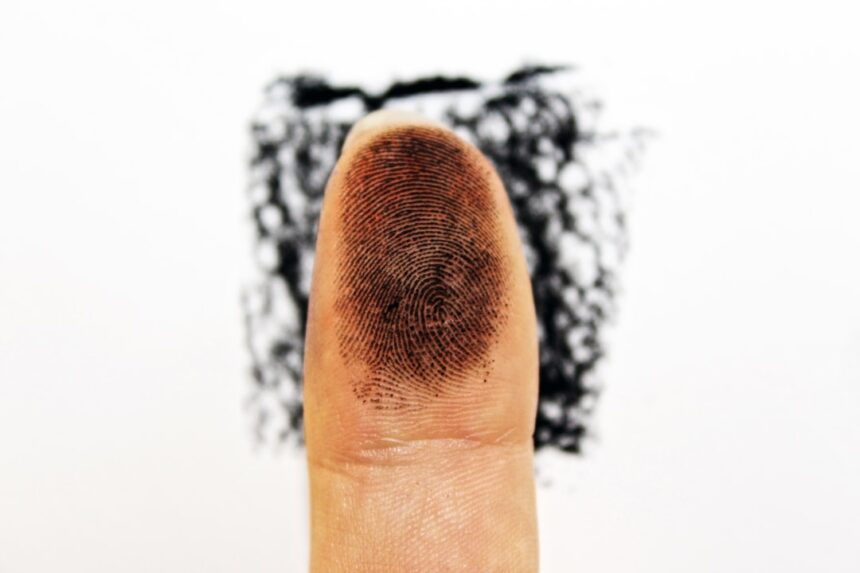
To combat procrastination effectively, it is essential to recognize its unique fingerprint in your life. Take some time to reflect on your habits and behaviors when faced with tasks or responsibilities. You might notice patterns in your avoidance strategies—perhaps you tend to scroll through social media or binge-watch shows instead of tackling your to-do list.
Identifying these behaviors is crucial for developing awareness around your procrastination tendencies. Additionally, consider the specific situations or tasks that trigger your procrastination. Are there particular projects that consistently lead you to delay?
Understanding these triggers allows you to anticipate moments when you might be tempted to procrastinate and develop strategies to counteract them proactively.
Strategies for Overcoming Procrastination
Once you’ve identified your procrastination patterns and triggers, it’s time to implement strategies for overcoming them. One effective approach is breaking tasks into smaller, manageable steps. Instead of viewing a project as an overwhelming whole, focus on completing one small part at a time.
This method not only makes tasks feel less daunting but also provides a sense of accomplishment as you check off each step. Another strategy involves setting specific deadlines for yourself, even if they are self-imposed. By creating a sense of urgency around tasks, you can motivate yourself to take action rather than allowing them to linger indefinitely.
Additionally, consider using techniques such as the Pomodoro Technique—working in focused bursts followed by short breaks—to maintain productivity while preventing burnout.
Tools and Techniques for Managing Procrastination
In today’s digital age, numerous tools and techniques are available to help you manage procrastination effectively. Task management apps like Todoist or Trello can assist you in organizing your responsibilities and tracking progress visually. These tools allow you to prioritize tasks and set reminders, making it easier to stay on top of your commitments.
Mindfulness practices can also be beneficial in combating procrastination. Engaging in mindfulness meditation or deep-breathing exercises can help reduce anxiety and increase focus when faced with overwhelming tasks. By incorporating these techniques into your daily routine, you can cultivate a greater sense of awareness around your procrastination habits and develop healthier coping mechanisms.
Seeking Professional Help for Chronic Procrastination
If you find that your procrastination habits are deeply ingrained and significantly impacting your life, seeking professional help may be a valuable option. A therapist or counselor can provide support in exploring the underlying psychological factors contributing to your procrastination tendencies. They can also help you develop personalized strategies for overcoming these challenges.
Cognitive-behavioral therapy (CBT) is one approach that has shown promise in addressing procrastination issues. Through CBT, you can learn to identify negative thought patterns and replace them with more constructive beliefs about productivity and self-worth. Professional guidance can be instrumental in breaking free from chronic procrastination and fostering lasting change.
Embracing a Proactive Mindset and Lifestyle
Ultimately, overcoming procrastination requires embracing a proactive mindset and lifestyle changes that support productivity and well-being.
Additionally, consider establishing routines that promote productivity and focus. Creating designated workspaces free from distractions can help signal to your brain that it’s time to engage in productive activities. Incorporating regular breaks and self-care practices into your routine will also ensure that you maintain balance while working toward your goals.
Embracing Change and Growth in Overcoming Procrastination
In conclusion, overcoming procrastination is not merely about increasing productivity; it’s about fostering personal growth and embracing change in your life. By understanding the psychology behind procrastination, identifying its root causes, and implementing effective strategies, you can break free from its grip and cultivate a more fulfilling lifestyle. Remember that change takes time; be patient with yourself as you navigate this journey.
As you work toward overcoming procrastination, celebrate small victories along the way. Each step forward is an opportunity for growth and self-discovery. Embrace the process, knowing that with dedication and perseverance, you have the power to transform your relationship with productivity and achieve your goals.
In exploring the concept of the “procrastination fingerprint,” which delves into the unique patterns and triggers that lead individuals to delay tasks, it’s insightful to consider related discussions on productivity strategies. An article that complements this topic can be found on Productive Patty’s website, where various productivity tips and techniques are shared. For more insights, you can read the article on their homepage by visiting Productive Patty. This resource offers valuable perspectives on overcoming procrastination and enhancing personal efficiency.
WATCH THIS! 😔The Hidden Shame Trap Behind Your Procrastination
FAQs
What is the procrastination fingerprint?
The procrastination fingerprint is a concept that refers to the unique patterns and tendencies that individuals exhibit when it comes to procrastination.
How is the procrastination fingerprint determined?
The procrastination fingerprint is determined by analyzing an individual’s habits, behaviors, and thought processes related to procrastination. This can include factors such as the types of tasks that are typically procrastinated, the reasons for procrastination, and the strategies used to cope with procrastination.
Why is understanding the procrastination fingerprint important?
Understanding the procrastination fingerprint can help individuals and researchers gain insight into the underlying causes of procrastination and develop more effective strategies for managing and overcoming it.
Can the procrastination fingerprint change over time?
Yes, the procrastination fingerprint can change over time as individuals develop new habits, coping mechanisms, and strategies for dealing with procrastination. External factors such as changes in lifestyle, work environment, and personal circumstances can also influence the procrastination fingerprint.
Are there tools or assessments to help identify the procrastination fingerprint?
There are various tools and assessments, such as questionnaires and self-assessments, that can help individuals and researchers identify and understand their procrastination fingerprint. These tools can provide valuable insights into patterns of procrastination and potential areas for improvement.