Your body is a vast, intricate network of sensory receptors, a silent orchestra constantly playing somatic reward signals. These signals, often overlooked in the pursuit of purely intellectual motivation, are potent drivers of your behavior, influencing everything from your desire to eat a delicious meal to your drive to engage in physical activity. Understanding and intentionally harnessing these visceral cues can unlock a powerful new dimension of motivation, guiding you towards your goals with a more integrated, embodied approach. This exploration delves into the science behind somatic reward, its significance for motivation, and practical strategies you can employ to amplify its influence.
Your somatic experience – the feeling of your physical being – is far more than passive sensation. It is an active participant in your brain’s reward circuitry, a vital component of learning and motivation. These somatic signals are the raw data streams from your body, telling your brain about internal states and external interactions.
Interoception: The Body’s Inner Compass
At the heart of somatic reward lies interoception. This is your sense of the physiological condition of your body, encompassing a vast array of signals originating from your internal organs, tissues, and systems. Think of it as your internal weather report, constantly updating you on your hunger, thirst, temperature, pain, and even subtle shifts in your emotional state.
The Gut-Brain Axis: A Two-Way Street
A crucial pathway for interoceptive signaling is the gut-brain axis. Your gastrointestinal tract is rich in sensory neurons, communicating directly with your brain via the vagus nerve. When you consume nutritious food, for instance, pleasant signals are relayed, contributing to feelings of satiety and well-being, a powerful somatic reward. Conversely, discomfort from poor choices can serve as a negative somatic signal, motivating you to avoid similar experiences.
Somatosensory Cortex: Mapping Your Bodily Landscape
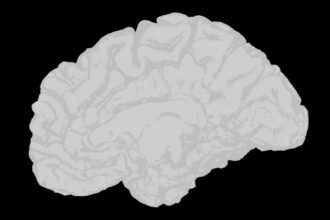
The somatosensory cortex in your brain is responsible for processing touch, temperature, pain, and other bodily sensations. While often associated with external stimuli, it also plays a critical role in integrating interoceptive information. The interplay between these internal and external signals creates a rich tapestry of embodied experience, directly influencing your motivational drives.
Neurochemical Messengers of Pleasure and Drive
Somatic reward is not just about feeling good; it’s about the release of specific neurochemicals that reinforce behaviors. These chemical messengers act as the currency of your brain’s reward system, shaping your approach to various stimuli.
Dopamine: The Anticipation and Reinforcement Engine
Dopamine is a cornerstone of the reward system, often associated with pleasure and motivation. While it’s not exclusively a “pleasure chemical,” it plays a significant role in anticipation and reinforcement. When you engage in an activity that leads to a positive somatic outcome – like the feeling of muscles stretching after a workout or the calming sensation after a deep breath – your brain may release dopamine, strengthening the likelihood of repeating that behavior.
Serotonin: The Mood Regulator
Serotonin is another key neurotransmitter, influencing mood, appetite, and sleep. Its role in somatic reward is more nuanced, contributing to feelings of contentment and well-being when internal conditions are balanced. Balanced serotonin levels can create a foundation of positive somatic states, making you more receptive to engaging in rewarding activities.
Endorphins: The Natural Pain Relievers and Ebullient Boosters
Endorphins are your body’s natural opiates, released in response to pain or stress, but also during activities like exercise. The “runner’s high” is a prime example of endorphin-induced somatic reward, leading to feelings of euphoria and reduced perception of fatigue. These powerful chemicals can act as potent motivators for physically demanding endeavors.
Oxytocin: The Social Bonding and Comfort Chemical
While often associated with social bonding, oxytocin also plays a role in somatic reward through comfort and relaxation. Feeling safe and secure, a state that can be fostered through positive physical touch or a nurturing environment, can trigger oxytocin release, contributing to a sense of well-being. This can motivate you to seek out or maintain such relationships and environments.
Recent research has highlighted the role of somatic reward signals in enhancing motivation, suggesting that our bodily sensations can significantly influence our drive to pursue goals. For a deeper understanding of this fascinating topic, you can explore the article on motivation and somatic experiences at Productive Patty. This resource delves into how physical sensations and emotional responses intertwine to shape our motivational landscape, offering valuable insights for anyone looking to boost their productivity and engagement.
The Motivational Power of Embodied Signals
Your body is not merely a vessel for carrying out your thoughts; it actively shapes your desires and directs your actions through its inherent reward mechanisms. Recognizing these signals allows you to leverage a more intuitive and powerful source of motivation.
Beyond Abstract Goals: The Somatic Anchor
Many motivational strategies focus on abstract goals and long-term visions. While these are important, they can sometimes feel detached from your immediate experience. Somatic reward signals provide a tangible, embodied anchor for your motivation. The immediate feeling of satisfaction from a healthy meal, the sense of accomplishment after physical exertion, or the calming effect of mindful breathing – these are all somatic rewards that directly reinforce positive behaviors.
The “Reward Circuit Breaker”: When Somatic Signals Go Awry
It’s crucial to acknowledge that somatic signals aren’t always positive. Chronic pain, fatigue, or discomfort can act as powerful “reward circuit breakers,” undermining motivation and leading to avoidance behaviors. Understanding the roots of these negative somatic experiences is essential for creating a foundation of positive motivation.
Learning Through Bodily Experience: The Somatic Feedback Loop
Your brain learns and adapts through feedback loops, and somatic reward signals are a critical component of this process. When an action leads to a positive physical sensation, your brain associates that action with reward, increasing the likelihood of repetition. Conversely, negative somatic feedback discourages certain behaviors.
Classical and Operant Conditioning in Your Body
These principles are deeply rooted in classical conditioning (associating a neutral stimulus with a naturally rewarding one) and operant conditioning (learning through the consequences of behavior). Imagine associating the smell of a certain fruit with the pleasant feeling of its sweetness. This is classical conditioning driven by somatic reward. Or, the feeling of muscle soreness after a challenging workout (a negative somatic signal) might lead you to consciously moderate your intensity next time, demonstrating operant conditioning.
The Motivational Edge of Embodied Skills
Developing skills that engage your body in a rewarding way can foster intrinsic motivation. Think about learning a musical instrument, mastering a sport, or becoming proficient in a craft. The physical coordination, the tactile sensations, and the immediate feedback from your body often provide their own inherent rewards, driving your continued practice and improvement.
The Flow State: Where Effort Meets Embodied Reward
The concept of the flow state, characterized by deep immersion and enjoyment in an activity, is often intrinsically linked to somatic reward. When you are fully engaged in a challenging yet manageable task, your body can experience a state of optimal arousal and effortless action, creating a powerful loop of positive somatic feedback that fuels your engagement.
Harnessing Somatic Reward for Goal Achievement
You can intentionally cultivate and leverage somatic reward signals to enhance your motivation and drive you towards your objectives. This involves a conscious effort to attune to your body’s cues and create experiences that naturally reinforce your desired behaviors.
Mindful Movement: Connecting with Your Body’s Wisdom
Regular physical activity is a primary avenue for experiencing somatic reward. However, the way you engage in movement can significantly amplify these benefits. Mindful movement encourages you to pay attention to the sensations in your body – the rhythm of your breath, the engagement of your muscles, the feeling of the ground beneath your feet.
The Sensation of Progress: Not Just the Outcome
Instead of solely focusing on the abstract outcome of a workout (e.g., weight loss, muscle gain), shift your attention to the somatic rewards along the way: the feeling of your heart rate increasing, the warmth spreading through your limbs, the sense of release in your muscles after stretching. These immediate sensations are powerful motivators.
Re-framing Effort: From “Pain” to “Engagement”
By practicing mindful movement, you can begin to re-frame the perception of physical effort. Instead of viewing it solely as discomfort, you can learn to appreciate it as a sign of your body working, adapting, and becoming stronger. This shift in perception can unlock a deeper well of motivation.
Nourishment as a Somatic Reward: The Pleasure of Fueling Your Body
What and how you eat directly impacts your somatic experience. Choosing nutritious foods, and savoring them mindfully, can turn eating into a powerful somatic reward. This goes beyond simply satiating hunger; it’s about experiencing the vibrant flavors, the satisfying textures, and the subsequent feeling of energy and well-being.
The Gut Feeling: Trusting Your Body’s Cravings for Health
Pay attention to the signals your body sends regarding food. While cravings for less healthy options can be strong, learning to discern between a genuine need for energy and a fleeting desire can be facilitated by attuning to how different foods make you feel afterwards. Do you feel energized and clear, or sluggish and heavy? This somatic feedback is crucial for making informed choices.
The Ritual of Eating: Cultivating Anticipatory Reward
Transforming meals into a mindful ritual can enhance somatic reward. This involves setting aside dedicated time to eat, free from distractions, and focusing on the sensory experience. The anticipation of a delicious and nourishing meal can itself be a motivator.
Creating Conditions for Positive Somatic States
Your environment and your habits play a significant role in shaping your baseline somatic experience. Creating conditions that promote comfort, relaxation, and positive physical sensations can foster a more motivated and resilient you.
The Power of Touch: From Self-Care to Social Connection
Positive physical touch, whether it’s a self-massage, a warm bath, or a hug from a loved one, can trigger the release of oxytocin and endorphins, contributing to feelings of comfort and well-being. Intentionally incorporating these touches can build a reservoir of positive somatic experiences.
Sleep and Stress Management: The Foundation of Somatic Balance
Inadequate sleep and chronic stress are major disruptors of somatic balance, leading to fatigue, irritability, and a general feeling of malaise. Prioritizing sufficient sleep and implementing effective stress management techniques (like meditation or deep breathing) are foundational for creating a positive somatic landscape upon which motivation can flourish.
Addressing Somatic Roadblocks to Motivation
Sometimes, your body sends signals that actively impede motivation. These “roadblocks” are not to be ignored; they require understanding and strategic intervention to move forward.
Chronic Pain and Fatigue: The Motivation Drain
Living with chronic pain or persistent fatigue can be incredibly draining, making it challenging to muster the energy and desire to pursue goals. These are visceral signals that your body is not in a state of ease or optimal functioning.
Seeking Professional Guidance: When Your Body Needs Expert Support
It is imperative to seek professional medical advice if you are experiencing chronic pain or unexplained fatigue. A healthcare provider can help diagnose underlying issues and develop appropriate treatment plans. Addressing these somatic roadblocks is a prerequisite for effective motivation.
Pacing and Energy Management: Working With Your Body
For those managing chronic conditions, pacing and energy management become crucial motivational strategies. This involves learning to recognize your body’s limits, breaking down tasks into smaller, manageable steps, and scheduling periods of rest. It’s about working with your current somatic reality, rather than against it.
Negative Self-Talk and Somatic Manifestations
Your thoughts and beliefs can manifest physically, impacting your somatic experience. Negative self-talk, for instance, can trigger a stress response, leading to muscle tension, shallow breathing, and a general feeling of unease.
The Mind-Body Connection in Action: Identifying Somatic Cues of Negativity
Become aware of the physical sensations that accompany negative thoughts. Do you feel tightness in your chest? A knot in your stomach? Recognizing these somatic cues allows you to interrupt the cycle of negative thinking and its physical repercussions.
Shifting Internal Dialogue: Cultivating Embodied Affirmation
Practice shifting your internal dialogue from critical to compassionate. When you catch yourself engaging in negative self-talk, consciously replace it with encouraging and affirming statements. Imagine your body responding positively to kindness and support.
Past Trauma and Somatic Memory
Past trauma can leave a lasting imprint on your somatic experience, leading to hypervigilance, anxiety, and a generalized sense of being unsafe in your own body. These somatic memories can significantly impact your ability to engage in rewarding activities.
Somatic Experiencing and Trauma-Informed Approaches
Therapeutic modalities like Somatic Experiencing are specifically designed to help individuals process trauma held within the body. These approaches focus on releasing stored tension and re-establishing a sense of safety and regulation in the nervous system, which is crucial for unlocking motivation.
Trauma-Informed Self-Care: Creating a Secure Somatic Sanctuary
Engage in self-care practices that prioritize safety and comfort. This might involve creating a calming sensory environment, practicing grounding techniques, or engaging in gentle movement that feels empowering rather than threatening. Building a sense of embodied security is a vital step.
Recent research has shed light on the role of somatic reward signals in driving motivation, highlighting how our bodily sensations can influence our decision-making processes. For a deeper understanding of this fascinating topic, you can explore an insightful article that discusses the interplay between physical sensations and motivation. This article delves into how these signals can enhance our drive to achieve goals and improve overall well-being. To read more about it, check out this related article that provides valuable insights into the connection between our bodies and motivation.
Cultivating a Somatically Rewarding Lifestyle
| Metric | Description | Typical Range | Relevance to Somatic Reward Signals |
|---|---|---|---|
| Dopamine Release Level | Concentration of dopamine in reward-related brain areas | 5-20 nM (nanomolar) | Indicator of reward prediction and motivation intensity |
| Heart Rate Variability (HRV) | Variation in time intervals between heartbeats | 20-200 ms | Reflects autonomic nervous system response to reward anticipation |
| Skin Conductance Response (SCR) | Change in skin electrical conductance due to sweat gland activity | 0.01-10 µS (microsiemens) | Measures emotional arousal linked to motivational states |
| Facial Electromyography (EMG) | Muscle activity in facial regions associated with reward | 5-50 µV (microvolts) | Detects somatic markers of positive motivation |
| Blood Oxygen Level Dependent (BOLD) Signal | fMRI measure of brain activity in reward circuits | Variable, relative signal change 0.5-5% | Maps neural correlates of somatic reward processing |
Integrating somatic reward into your life is not a one-time fix, but rather a continuous practice of attuning to your body and consciously creating experiences that foster well-being and drive. It’s about building a life where your body’s inherent wisdom becomes your most reliable compass.
The Long Game: Consistency Over Intensity
The most effective way to cultivate somatic reward is through consistent, small actions. Instead of aiming for dramatic, infrequent bursts of activity, focus on incorporating regular practices that nourish your body and mind. This builds a steady foundation of positive somatic experiences that fuel your long-term motivation.
Building Habits: The Automatic Pilot of Somatic Reward
Your brain is wired to automate behaviors that lead to reward. By consistently engaging in somatic-rewarding activities, you can gradually turn them into habits. This makes it easier to maintain momentum, as the motivation becomes more automatic, less reliant on sheer willpower.
Embracing Imperfection: The Body Is a Work in Progress
It’s important to approach this journey with self-compassion and embrace imperfection. Your body will have good days and challenging days. The goal is not to achieve a state of constant somatic bliss, but to develop a more resilient and responsive relationship with your physical self.
The Learning Curve: Adapting and Adjusting
Recognize that learning to harness somatic reward is a process. There will be times when your strategies don’t yield the desired results. View these as opportunities for learning and adjustment, rather than failures. Your body’s signals are constantly evolving, and so should your approach.
Integration with Cognitive Motivation: A Synergistic Approach
Somatic motivation is not a replacement for cognitive motivation, but rather a powerful complement. By integrating your bodily wisdom with your intellectual goals, you create a more holistic and sustainable approach to driving your behavior.
The Embodied Goal Setter: Aligning Mind and Body
When setting goals, consider the somatic experience you desire. How do you want to feel when you achieve your goal? What physical sensations are associated with success in this endeavor? By aligning your cognitive goals with desired somatic states, you create a stronger, more resonant motivation.
The Embodied Achiever: Experiencing Success Through Your Senses
As you work towards your goals, pay attention to the somatic rewards of progress. Celebrate the small victories, the physical energy you gain, the sense of calm that comes with consistent effort. Experiencing success through your senses embeds the motivation more deeply. You are not just achieving a goal; you are feeling the fulfillment of it.
FAQs
What are somatic reward signals?
Somatic reward signals are bodily responses that provide feedback related to rewards or punishments. These signals often involve physiological changes such as heart rate, skin conductance, or hormonal fluctuations that influence motivation and decision-making.
How do somatic reward signals influence motivation?
Somatic reward signals help individuals evaluate the potential outcomes of their actions by associating bodily sensations with positive or negative experiences. This feedback can enhance motivation by reinforcing behaviors that lead to rewards and discouraging those that result in negative consequences.
Which brain regions are involved in processing somatic reward signals?
Key brain regions involved include the ventromedial prefrontal cortex, insular cortex, and the amygdala. These areas integrate somatic signals with cognitive processes to guide decision-making and motivational states.
Can somatic reward signals be consciously perceived?
Sometimes somatic reward signals are consciously perceived, such as feeling excitement or anxiety, but often they operate below conscious awareness, subtly influencing motivation and behavior without explicit recognition.
What is the significance of somatic reward signals in psychological research?
Somatic reward signals are important in understanding how emotions and bodily states contribute to motivation, learning, and decision-making. They provide insights into disorders like addiction, depression, and anxiety, where reward processing and motivation are disrupted.