You stand at a crucial juncture in your daily experience, amidst a torrent of information and demands on your attention. The quest for greater productivity, enhanced learning, and a more fulfilling intellectual life often leads you to explore various strategies and concepts. Among these, two powerful ideas, neuroplasticity and deep work, emerge as cornerstones for unlocking your innate potential. This article will delve into these concepts, demonstrating how you can harness their principles to sculpt your brain and achieve remarkable feats of focus and output.
Your brain, far from being a static organ, is a dynamic and adaptable system. This remarkable characteristic is known as neuroplasticity, or brain plasticity. It refers to your brain’s ability to reorganize itself by forming new neural connections throughout life. This continuous remodeling is not a mere theoretical concept; it is the very foundation of learning, memory, and your capacity to adapt to new environments and challenges.
Historical Context and Discovery
For many centuries, the prevailing scientific belief was that the brain was largely fixed in its structure and function after childhood. The idea that adults could generate new neurons or significantly alter existing neural pathways was largely dismissed. However, pioneering research in the latter half of the 20th century began to challenge this dogma.
- Early Observations: Seminal work by scientists like Donald Hebb in the 1940s, with his famous adage “neurons that fire together, wire together,” laid the groundwork for understanding synaptic plasticity. Hebb’s theory proposed that repeated co-activation of neurons strengthens their connections, forming the basis of learning and memory.
- Technological Advancements: The advent of sophisticated imaging techniques, such as functional magnetic resonance imaging (fMRI) and positron emission tomography (PET), allowed researchers to observe brain activity in real-time, providing concrete evidence of structural changes and functional reorganization in response to experience.
Mechanisms of Neuroplasticity
Neuroplasticity operates through several intricate mechanisms that allow your brain to constantly reconfigure itself. Understanding these mechanisms provides insight into how your actions and experiences directly influence your neural architecture.
- Synaptic Plasticity: This is perhaps the most well-understood form of neuroplasticity. It refers to the strengthening or weakening of connections between neurons (synapses) in response to increased or decreased activity. Long-term potentiation (LTP) and long-term depression (LTD) are two key processes involved in synaptic plasticity, representing the strengthening and weakening of synaptic efficacy, respectively. When you learn a new skill or information, your brain strengthens the relevant synaptic pathways.
- Structural Plasticity: Beyond changes at the synaptic level, your brain also undergoes more macroscopic structural changes. This includes neurogenesis, the creation of new neurons, particularly in areas like the hippocampus (crucial for memory and learning). You also observe changes in the density of dendrites (tree-like branches receiving signals) and axons (long projections transmitting signals), as well as alterations in glial cell populations, which support neuronal function.
- Functional Plasticity: Your brain can also reassign functions to different areas. For example, if one part of your brain is damaged, other areas can sometimes compensate and take over its functions. Similarly, if you repeatedly engage in a specific task, the brain area responsible for that task may expand or become more efficient. Think of it as a city where a particular district becomes more developed and interconnected due to increased traffic and activity.
Neuroplasticity, the brain’s ability to reorganize itself by forming new neural connections, plays a crucial role in enhancing our capacity for deep work, which is the ability to focus without distraction on cognitively demanding tasks. For those interested in exploring this fascinating intersection further, I recommend reading the article on productive habits and mental resilience found at Productive Patty. This resource delves into how understanding neuroplasticity can help individuals cultivate deeper focus and improve their overall productivity.
The Power of Focus: Exploring Deep Work
In an age characterized by constant digital distractions, the ability to concentrate deeply on a single, cognitively demanding task has become an increasingly scarce and valuable skill. This is the essence of deep work, a concept popularized by author Cal Newport. Deep work is defined as professional activities performed in a state of distraction-free concentration that push your cognitive capabilities to their limit. These efforts create new value, improve your skill, and are hard to replicate.
Characteristics of Deep Work
Deep work is not merely about spending time on a task; it’s about the quality and intensity of that focus. Several key characteristics define a deep work session.
- Undivided Attention: You commit your full cognitive resources to the task at hand, deliberately excluding all potential distractions, whether internal (e.g., intrusive thoughts) or external (e.g., notifications, emails). Imagine building a complex structure; you cannot afford to have your attention pulled away every few minutes with trivial matters.
- Cognitive Demanding: Deep work involves tasks that challenge your intellect and require significant mental effort. These are not routine or administrative tasks but rather assignments that push you to think critically, solve complex problems, or create something novel.
- Time-Bound and Structured: Deep work sessions are typically planned and have a defined duration. You don’t just stumble into deep work; you intentionally carve out time for it. This structured approach helps in maintaining discipline and preventing cognitive fatigue.
- High Value Output: The result of deep work is usually a significant contribution, a breakthrough, a profound understanding, or a highly refined product. It’s the work that truly moves the needle in your professional or personal development.
The Contrast with Shallow Work
To fully appreciate deep work, it is useful to contrast it with its antithesis: shallow work. Shallow work consists of non-cognitively demanding, logistical-style tasks, often performed while distracted. These tasks typically do not create much new value in the world and are easy to replicate.
- Examples of Shallow Work: Replying to routine emails, scheduling meetings, attending non-essential gatherings, browsing social media, and administrative tasks fall under shallow work. While some shallow work is unavoidable, an overreliance on it can severely impede your ability to perform deep work.
- Impact of Shallow Work: A significant amount of time spent on shallow work creates a fragmented attention span, making it harder to transition into a state of deep concentration. It trains your brain to be constantly stimulated by novel inputs, thereby eroding your capacity for sustained focus.
The Synergistic Relationship: Neuroplasticity and Deep Work

The connection between neuroplasticity and deep work is not coincidental; it is a fundamental feedback loop that allows you to continuously improve your cognitive abilities. When you engage in deep work, you are actively leveraging and reinforcing the principles of neuroplasticity.
Deep Work as a Catalyst for Neuroplastic Change
Every time you commit to a session of deep work, you are, in essence, performing targeted training for your brain. This deliberate effort triggers specific neuroplastic changes.
- Strengthening Neural Pathways: As you intensely focus on a complex problem, the neural circuits involved in that cognitive process become more active. According to Hebb’s rule, these repeatedly firing neurons “wire together” more strongly, making those pathways more efficient and robust for future use. This is like constantly driving on a dirt road until it becomes a well-paved highway.
- Myelination and Faster Processing: Sustained, focused effort also promotes the growth of myelin, a fatty substance that insulates nerve fibers. Myelin increases the speed and efficiency of electrical signal transmission between neurons. More myelin means faster thought processes and improved cognitive performance in the areas you train.
- Increased Synaptic Density: Deep work, particularly when learning or mastering new skills, can lead to an increase in the number of synapses in relevant brain regions. This greater connectivity allows for more sophisticated and nuanced information processing.
Neuroplasticity Enhancing Deep Work Capacity
Conversely, the changes induced by neuroplasticity enhance your ability to engage in deep work more effectively over time. It’s a virtuous cycle.
- Improved Focus and Attention: As your brain becomes more adept at sustained concentration through repeated deep work, the neural circuits responsible for attention and inhibition of distractions become stronger. This makes it easier to enter and maintain a deep work state in subsequent sessions.
- Enhanced Cognitive Endurance: Just as physical training builds muscular endurance, consistent deep work builds cognitive endurance. Your brain becomes more resistant to fatigue during prolonged periods of intense focus, allowing you to sustain deep work for longer durations.
- Faster Learning and Skill Acquisition: The neuroplastic changes wrought by deep work contribute to a more efficient learning process. New information is integrated more effectively, and skills are acquired and refined more rapidly, further empowering you to tackle increasingly complex deep work tasks.
Strategies for Cultivating Deep Work
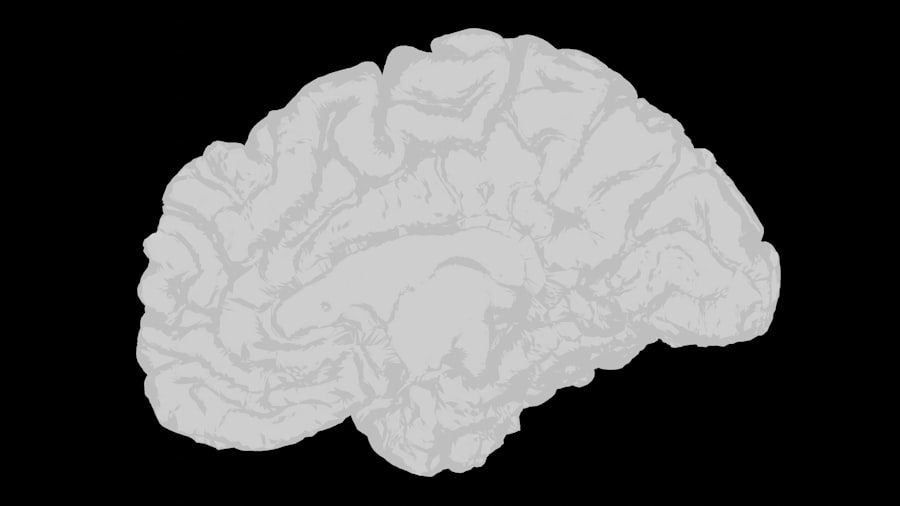
Knowing about deep work and neuroplasticity is one thing; actively implementing strategies to reap their benefits is another. You can consciously cultivate your capacity for deep work through several practical approaches.
Designing Your Deep Work Environment
Your physical and digital environment play a significant role in your ability to concentrate. Intentional design of these spaces can significantly reduce distractions.
- Eliminate Digital Distractions: Turn off notifications on all devices. Close unnecessary browser tabs and applications. Consider using website blockers or ‘do not disturb’ modes during deep work sessions. Treat your digital space like a pristine, undisturbed workspace.
- Physical Isolation: Find a quiet space where you are unlikely to be interrupted. This might be a dedicated office, a quiet corner of your home, or even a library booth. Communicate your deep work hours to colleagues or family members to minimize interruptions.
- Minimize Visual and Auditory Clutter: A tidy workspace can contribute to a tidy mind. Avoid visual distractions. If auditory distractions are an issue, consider using noise-canceling headphones or ambient noise generators.
Developing Deep Work Rituals
Routines and rituals can act as powerful cues for your brain, signaling that it’s time to shift into a state of intense focus.
- Pre-Deep Work Wind-Up: Before starting a deep work session, engage in a brief ritual to transition into focus. This could involve reviewing your goals for the session, preparing your materials, or taking a short walk. This signals to your brain that a period of intense concentration is about to begin.
- Structured Breaks: Deep work is not about endless toil. Schedule regular, short breaks (e.g., 5-10 minutes every hour or 90 minutes). During these breaks, completely disengage from the deep work task. Walk around, stretch, or do something entirely different to allow your mind to rest and consolidate information.
- Post-Deep Work Wind-Down: After a deep work session, have a ritual to transition out of it. This might involve reviewing your progress, planning your next steps, or engaging in a relaxing activity. This helps prevent residual cognitive load from impacting your off-work time.
Neuroplasticity, the brain’s remarkable ability to reorganize itself by forming new neural connections, plays a crucial role in enhancing our capacity for deep work. By understanding how our brains adapt and change, we can create environments that foster concentration and productivity. For further insights on this topic, you might find the article on productive strategies particularly enlightening, as it explores techniques that leverage neuroplasticity to improve focus and efficiency in our daily tasks.
Nurturing Your Brain: Lifestyle Factors for Neuroplasticity
| Metric | Description | Impact on Neuroplasticity | Relation to Deep Work | Typical Measurement |
|---|---|---|---|---|
| Synaptic Density | Number of synapses per neuron in a brain region | Increases with focused learning and practice | Enhanced by sustained deep work sessions | Microscopic imaging, post-mortem studies |
| Gray Matter Volume | Volume of neuronal cell bodies in specific brain areas | Can increase with cognitive training and deep focus | Deep work promotes growth in prefrontal cortex | MRI scans |
| Myelination | Thickness of myelin sheath around axons | Improves signal transmission speed with practice | Deep work enhances myelination in task-relevant circuits | Diffusion tensor imaging (DTI) |
| Brain-Derived Neurotrophic Factor (BDNF) | Protein supporting neuron growth and survival | Levels rise with learning and mental effort | Deep work sessions can increase BDNF production | Blood serum assays |
| Focused Attention Duration | Length of uninterrupted concentration | Longer durations promote neuroplastic changes | Core component of effective deep work | Self-report, behavioral tracking |
| Task Performance Improvement | Increase in skill or knowledge over time | Reflects underlying neuroplastic adaptation | Deep work accelerates performance gains | Standardized tests, productivity metrics |
While specific deep work strategies directly target cognitive processes, your overall lifestyle significantly impacts your brain’s capacity for neuroplasticity and, consequently, your ability to sustain deep work. Neglecting these fundamental aspects is akin to trying to run a high-performance engine on low-quality fuel.
The Role of Sleep
Sleep is not merely a period of inactivity; it is a vital process for brain health and cognitive function, profoundly influencing neuroplasticity.
- Memory Consolidation: During sleep, particularly REM and slow-wave sleep, your brain actively consolidates memories formed during wakefulness. This process involves strengthening and integrating neural connections, which is a direct manifestation of neuroplasticity.
- Synaptic Homeostasis: Sleep helps restore synaptic balance, pruning less important connections and strengthening vital ones, preventing synaptic overload. This “reset” allows new learning and plasticity to occur effectively each day.
- Cognitive Restoration: Sufficient and quality sleep is essential for restoring your brain’s cognitive resources, including attention and focus. Sleep deprivation significantly impairs your ability to engage in deep work by reducing your cognitive endurance and increasing distractibility. Aim for 7-9 hours of quality sleep per night.
The Impact of Nutrition
What you consume directly fuels your brain and influences its structure and function. A brain-healthy diet supports optimal neuroplasticity.
- Omega-3 Fatty Acids: Found in fatty fish, flaxseeds, and walnuts, Omega-3s are crucial for brain cell membrane structure and function. They play a role in synaptic plasticity and neurogenesis.
- Antioxidants: Berries, dark chocolate, and leafy greens are rich in antioxidants, which protect brain cells from oxidative stress and inflammation, factors that can impair neuroplasticity.
- Whole Grains and Complex Carbohydrates: These provide a steady supply of glucose to the brain, its primary energy source, preventing energy crashes that hinder focus and cognitive function. Avoid highly processed foods and excessive sugar, which can lead to inflammation and cognitive impairment.
Physical Exercise and Brain Health
Physical activity is not just good for your body; it’s a powerful stimulant for brain health and neuroplasticity.
- Increased Blood Flow: Exercise increases blood flow to the brain, delivering essential oxygen and nutrients. This improved circulation supports neuronal health and function.
- Neurogenesis and BDNF: Regular aerobic exercise, in particular, has been shown to promote neurogenesis (the birth of new neurons) in the hippocampus. It also boosts levels of brain-derived neurotrophic factor (BDNF), a protein often referred to as “Miracle-Gro for the brain,” which plays a critical role in neuronal growth, survival, and synaptic plasticity.
- Stress Reduction: Exercise is a potent stress reducer. Chronic stress can negatively impact neuroplasticity and cognitive function. By mitigating stress, exercise creates a more favorable environment for your brain to learn and adapt. Incorporate at least 30 minutes of moderate-intensity exercise most days of the week.
The Long-Term Vision: A Life of Growth and Achievement
By consistently applying the principles of neuroplasticity and deep work, you embark on a transformative journey. You are not only enhancing your immediate productivity but are actively shaping your brain for sustained growth and intellectual fulfillment. Regularly engaging in deep work, supported by a healthy lifestyle, is an investment in your cognitive capital.
You are building a more resilient, adaptable, and powerful mind, capable of tackling increasingly complex challenges and achieving profound insights. Embrace these concepts not as fleeting trends but as fundamental tools for unlocking your full potential and sculpting a future rich with learning, creativity, and meaningful accomplishment. Your brain is not a fixed entity; it is a garden that, with diligent cultivation, can yield an extraordinary harvest.

Strategies for implementing deep work in student life
FAQs
What is neuroplasticity?
Neuroplasticity is the brain’s ability to reorganize itself by forming new neural connections throughout life. This adaptability allows the brain to compensate for injury, adjust to new experiences, and improve cognitive functions.
How does deep work relate to neuroplasticity?
Deep work involves focused, distraction-free concentration on cognitively demanding tasks. Engaging in deep work can stimulate neuroplasticity by strengthening neural pathways associated with learning, problem-solving, and skill development.
Can practicing deep work improve brain function?
Yes, regularly practicing deep work can enhance brain function by promoting neuroplastic changes. This leads to improved attention, memory, and the ability to acquire complex skills more efficiently.
How long should deep work sessions be to benefit neuroplasticity?
Effective deep work sessions typically last between 60 to 90 minutes, allowing sufficient time for intense focus without mental fatigue. Consistent practice over weeks or months is necessary to observe significant neuroplastic benefits.
Are there any strategies to maximize neuroplasticity during deep work?
To maximize neuroplasticity during deep work, minimize distractions, set clear goals, take regular breaks to prevent burnout, and engage in varied cognitive challenges. Additionally, maintaining a healthy lifestyle with proper sleep, nutrition, and exercise supports brain plasticity.