
Your venture into deep-sea mining is a significant undertaking, pushing the boundaries of human exploration and resource acquisition. As you navigate this complex frontier, understanding the foundational principles of royalty formulas and revenue distribution is paramount. These mechanisms are not mere bureaucratic hurdles; they are the very architecture of your enterprise’s financial sustainability and its ethical standing in the global community. Your success will hinge on your ability to engage with these frameworks, not just to comply, but to actively shape them for a fair and enduring outcome.
Your deep-sea mining operation, by its very nature, will access resources that belong to all humanity. This shared ownership necessitates a system of compensation, and royalty formulas are the established method for this. These formulas are designed to capture a portion of the value extracted, returning it to the international custodian of these resources – in most cases, the International Seabed Authority (ISA) or a similar governing body. For you, understanding these formulas means dissecting their components and anticipating their impact on your operational costs and profitability.
The Core Components of Royalty Calculations
At their most fundamental, royalty formulas are a means of quantifying the value of the minerals you extract. This value is then subjected to a predetermined rate. You will encounter various methodologies for this.
Value of the Mineral
The first critical element you must grapple with is how the “value” of your extracted minerals is determined. This is not a static figure. It can fluctuate based on market prices for the specific metals and minerals, their purity, and their grade. Your operational projections and financial modeling must account for this volatility.
Market-Based Pricing
The most common approach is to tie the value to prevailing market prices for the commodities you are extracting, such as cobalt, nickel, copper, and manganese. This requires sophisticated market analysis and often involves using benchmark prices from reputable exchanges. You will need to monitor these markets closely and understand how they influence your royalty obligations.
Grade and Purity Adjustments
The raw ore you bring to the surface will not be in a finished state. Its ultimate value, and therefore the basis for royalties, may be adjusted based on its grade (the concentration of valuable metals) and purity after initial processing. Understanding the processing pathways and how they affect the final marketable product is crucial for accurate royalty calculations.
Cost of Production Considerations
In some instances, royalty calculations might incorporate elements of the cost of production. This can be a complex debate, as it blurs the line between royalties and profit-sharing. You will need to understand if and how your direct operational costs, such as extraction, processing, and transportation, can influence the royalty base.
The Royalty Rate
Once the value is established, a specific percentage, the royalty rate, is applied. This rate is typically a matter of international negotiation and policy setting. Your business plan must incorporate the current and anticipated royalty rates as a significant operational expense.
Fixed Percentage Rates
The simplest form of royalty is a fixed percentage applied to the gross value of the extracted minerals. This offers predictability but may not account for varying profitability.
Tiered or Progressive Rates
More sophisticated formulas might employ tiered or progressive rates. This means the royalty rate increases as the profitability of the operation grows. Such a system aims to ensure a greater share for the international community during periods of high profit.
Hybrid Models
Expect to encounter hybrid models that combine elements of fixed and progressive rates, or incorporate other economic indicators to determine the royalty percentage. Flexibility and adaptation will be key.
Challenges and Considerations in Royalty Implementation
The practical application of royalty formulas in the deep-sea environment presents unique challenges that you must anticipate and address. These are not theoretical exercises; they have direct consequences for your financial viability.
Valuation of Unique Deep-Sea Minerals
The minerals extracted from the seabed, particularly polymetallic nodules and cobalt-rich crusts, may not have direct, established market prices or standardized grades like terrestrial ores. This creates a significant challenge in accurately valuing them for royalty calculations.
Development of Benchmark Prices
You will likely be involved in the process of developing benchmark prices for these novel resources, necessitating close collaboration with regulatory bodies and market analysts.
Standardization of Purity Metrics
Establishing standardized metrics for purity and grade for these deep-sea minerals will be essential to ensure fair and consistent valuation across different mining operations.
Auditing and Verification
Ensuring the accuracy of your reported mineral quantities and values is critical. Robust auditing and verification mechanisms will be put in place to prevent underreporting and ensure financial accountability.
Data Transparency Requirements
Expect rigorous data transparency requirements, obligating you to provide detailed records of extraction, processing, and sales.
Third-Party Audits
Independent, third-party audits of your operations and financial reporting will likely be a standard requirement.
Deep sea mining has emerged as a critical topic in discussions about sustainable resource extraction, particularly regarding the formulation of royalty structures and the equitable distribution of revenue generated from these activities. A related article that delves into the complexities of deep sea mining royalty formulas and the implications for revenue distribution can be found at this link. This article provides valuable insights into the economic and environmental considerations that must be balanced to ensure responsible management of ocean resources.
The Ethical Imperative: Revenue Distribution Mechanisms
Beyond simply paying royalties, the deeper significance of deep-sea mining lies in how the revenue generated is distributed. This is where the principles of common heritage of mankind come into play. You are not just extracting resources; you are participating in a global system designed to benefit humanity as a whole, particularly developing nations and future generations.
The Framework of Global Benefit Sharing
The governing bodies you will interact with are tasked with ensuring that the benefits derived from deep-sea resources are shared equitably. This is a complex and evolving area of international law and policy.
The Role of the International Seabed Authority (ISA)
The ISA is the primary intergovernmental organization responsible for regulating mineral-related activities in the international seabed area. Understanding its mandate and its mechanisms for revenue distribution is paramount.
The Enterprise
The ISA has established ‘The Enterprise,’ a commercial arm intended to conduct deep-sea mineral activities on behalf of the Authority and to ensure that activities benefit developing countries. Your relationship with The Enterprise, or its operational equivalent, will be a key aspect of your engagement.
The Legal and Policy Framework
Familiarize yourself with the United Nations Convention on the Law of the Sea (UNCLOS) and the Mining Code developed by the ISA. These documents lay the groundwork for revenue distribution and benefit-sharing.
Models for Distributing the Proceeds
The actual mechanisms for distributing the revenue collected from your mining operations are still being refined. You need to be aware of the different approaches being considered and implemented.
Direct Financial Transfers
The most straightforward approach is direct financial transfer of collected royalties and other revenues to a central fund managed by the ISA.
Allocation to Developing States
A significant portion of these funds is typically earmarked for distribution to developing states, enabling them to invest in capacity building, infrastructure, and sustainable development.
Support for Scientific Research
Funds may also be allocated to support marine scientific research, environmental monitoring, and capacity development in the field of deep-sea science.
In-Kind Contributions and Technology Transfer
Revenue distribution is not solely about financial transfers. In-kind contributions and technology transfer are also crucial components of fair benefit sharing.
Training and Capacity Building
Your operations may be required to provide training and capacity-building opportunities for individuals from developing nations in various aspects of deep-sea mining, from geological surveying to environmental management.
Technology Sharing
You may also be obligated to share relevant technologies and expertise, enabling developing countries to participate more effectively in the deep-sea industries or to manage their own marine resources.
Accountability and Transparency in Distribution
The integrity of the entire system relies on robust mechanisms for accountability and transparency in revenue distribution. Any perception of impropriety can undermine the entire enterprise.
Reporting and Auditing of Funds
The ISA and its member states will require transparent reporting and regular auditing of all funds collected and distributed, ensuring that they are used for their intended purposes.
Public Access to Distribution Data
Mechanisms for public access to data on revenue collection and distribution will likely be established to foster trust and accountability.
Grievance Mechanisms
There may be established grievance mechanisms to address any concerns or disputes related to revenue distribution.
Navigating the Regulatory Landscape: ISA and National Jurisdictions
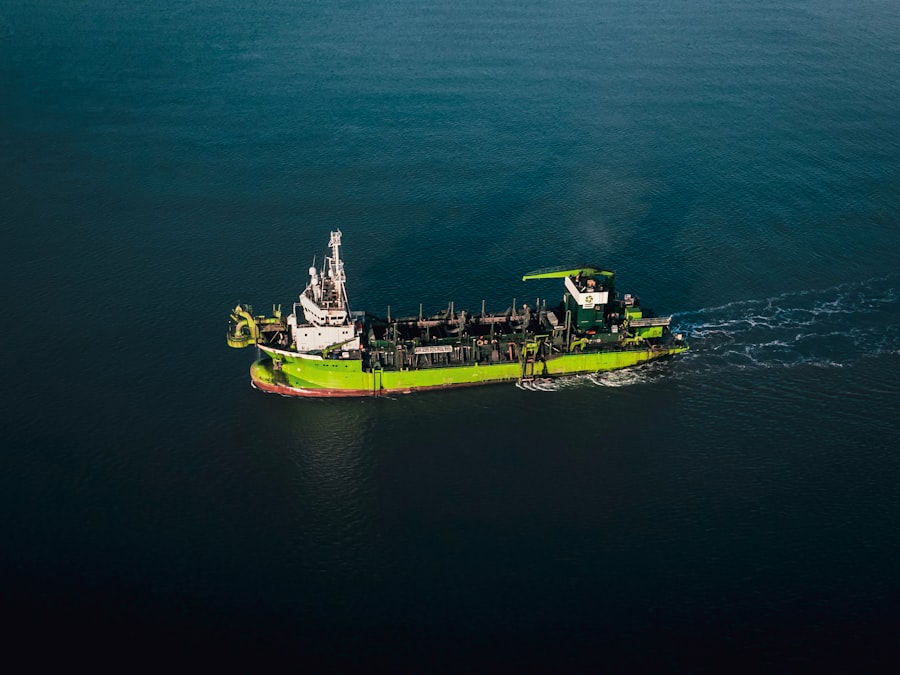
Your deep-sea mining operations will exist within a dual regulatory framework: the international regime managed by the ISA for the areas beyond national jurisdiction, and the national jurisdiction of the coastal state if your operations are within its Exclusive Economic Zone (EEZ). Understanding the nuances of both is crucial.
The International Seabed Authority (ISA) as a Regulator
The ISA’s authority extends to the “common heritage of mankind” – areas of the seabed and ocean floor and subsoil thereof, beyond the limits of national jurisdiction. This is where the most significant deep-sea mineral resources are located.
Exploration and Exploitation Contracts
The ISA grants exploration and exploitation contracts for these areas. These contracts are the legal instruments that authorize your activities and stipulate the terms and conditions, including royalty and revenue sharing.
Environmental Regulations and Impact Assessments
A significant portion of ISA regulations focuses on environmental protection. You will be required to conduct rigorous environmental impact assessments and adhere to strict environmental management plans.
Reporting and Compliance Obligations
Each ISA contract comes with specific reporting and compliance obligations, ensuring that you adhere to the terms of the contract and the ISA’s regulations.
Coastal State Jurisdiction within EEZs
If your mining operations are proposed within the EEZ of a coastal state (up to 200 nautical miles from the coast), you will be subject to that state’s national laws and regulations concerning seabed mining.
National Licensing and Permitting
Coastal states will have their own licensing and permitting processes, which may differ significantly from ISA requirements.
Revenue Sharing with Coastal States
Revenue sharing mechanisms will be negotiated directly with the coastal state, often involving a combination of royalties, taxes, and direct equity stakes.
Potential for Overlap and Conflict
You must be prepared for potential overlaps and conflicts in regulatory requirements between the ISA and coastal states if your operations span both jurisdictions or have transboundary environmental impacts.
The Economic Realities: Profitability and Royalty Burdens
Ultimately, your deep-sea mining venture must be economically viable. The royalty formulas and revenue distribution mechanisms directly impact your profit margins. A clear understanding of these economic realities is essential for long-term success.
Calculating the Economic Viability of Your Operations
The economic feasibility of deep-sea mining is a complex equation, and royalty obligations are a significant variable. Your financial models must be robust.
Capital Expenditure (CAPEX) and Operational Expenditure (OPEX)
The substantial capital investment required for exploration, infrastructure development, and specialized mining equipment, coupled with high operational costs, means that royalty rates can exert considerable pressure on your bottom line.
Cost of Capital
The cost of capital for such high-risk, innovative ventures will be elevated. This needs to be factored into your profitability calculations.
Technological Innovation and Efficiency
Your ability to innovate and improve technological efficiency will directly impact your cost structure and, consequently, your ability to absorb royalty burdens.
The Impact of Royalty Rates on Profitability
You must analyze how different royalty rates affect your projected return on investment. This analysis should inform your strategic decisions.
Break-Even Analysis
Determine the break-even point of your operation under various royalty scenarios. This will highlight the minimum commodity prices or extraction volumes needed to cover costs, including royalties.
Discounted Cash Flow (DCF) Analysis
Conduct thorough DCF analyses to evaluate the long-term profitability of your project, incorporating projected royalty payments and revenue distributions.
Negotiation and Lobbying
In some instances, there may be opportunities to engage in discussions and negotiations regarding royalty rates and revenue sharing mechanisms. Understanding the economic impact of these negotiations is critical.
Industry Collaboration
Collaborating with other entities in the deep-sea mining sector can strengthen your position in discussions with regulatory bodies concerning royalty burdens.
Demonstrating Economic Contribution
You may need to effectively demonstrate the economic contribution of your operations, including job creation and technological advancements, to advocate for reasonable royalty frameworks.
Deep sea mining has become a topic of increasing interest as nations explore the potential for extracting valuable minerals from the ocean floor. A recent article discusses the complexities of royalty formulas and revenue distribution in this emerging industry, highlighting the need for equitable frameworks to ensure that benefits are shared fairly among stakeholders. For more insights on this subject, you can read the article on productivepatty.com, which delves into the challenges and opportunities presented by deep sea mining.
The Future of Deep-Sea Mining Governance: Evolution and Adaptation
| Country | Deep Sea Mining Royalty Formula | Revenue Distribution |
|---|---|---|
| Country A | Percentage of gross revenue | 50% to government, 25% to local communities, 25% to environmental conservation |
| Country B | Fixed fee per ton of extracted minerals | 60% to government, 20% to infrastructure development, 20% to research and development |
| Country C | Profit-based royalty | 40% to government, 30% to education and training, 30% to technology innovation |
The governance of deep-sea mining, including royalty formulas and revenue distribution, is not static. It is a dynamic and evolving field, shaped by scientific advancements, economic realities, and international political considerations. Your engagement must be forward-looking.
Adapting to Scientific and Technological Advancements
As technology advances and our understanding of deep-sea ecosystems deepens, regulatory frameworks will invariably evolve.
New Extraction Technologies
The development of new, more efficient, or environmentally benign extraction technologies could necessitate adjustments to royalty calculations, potentially based on new metrics of value or environmental impact.
Discoveries of New Resources
The discovery of new types of mineral deposits or previously unknown valuable resources will require adaptations in royalty formulas to account for their unique characteristics.
The Role of Stakeholder Engagement
Broad stakeholder engagement is crucial for developing robust and equitable governance frameworks for deep-sea mining. You are a key stakeholder, but so are environmental organizations, scientific bodies, and governments.
Environmental Stewardship and Social License
Maintaining your social license to operate will depend on your commitment to environmental stewardship and transparent engagement with all stakeholders regarding revenue distribution and its intended benefits.
Long-Term Sustainability Goals
Your focus must extend beyond immediate profitability to encompass the long-term sustainability of deep-sea ecosystems and the equitable distribution of benefits for future generations.
International Cooperation and Harmonization
Given the transboundary nature of the deep-sea, international cooperation and harmonization of regulations will be critical for ensuring a stable and predictable operating environment.
Global Standards and Best Practices
The development and adoption of global standards and best practices for royalty formulas and revenue distribution will foster greater consistency and reduce potential for regulatory arbitrage.
Dispute Resolution Mechanisms
Robust and effective dispute resolution mechanisms will be essential to manage disagreements that may arise regarding the interpretation and application of royalty and revenue sharing agreements.
Your journey into deep-sea mining is one of immense potential and significant responsibility. By thoroughly understanding and actively engaging with royalty formulas and revenue distribution mechanisms, you are not simply navigating the financial aspects of your enterprise; you are contributing to the establishment of a just and sustainable framework for harnessing the planet’s last frontier. Your foresight in these matters will define your legacy.
FAQs
What is deep sea mining royalty formula?
Deep sea mining royalty formula is a method used to calculate the amount of royalty payments that mining companies must pay to the government for extracting minerals from the deep sea.
How is revenue distributed from deep sea mining?
Revenue from deep sea mining is typically distributed among various stakeholders, including the government, local communities, and the mining companies involved. The specific distribution of revenue can vary depending on the terms of the mining contract and the regulations in place.
What factors are considered in deep sea mining royalty formulas?
Deep sea mining royalty formulas typically take into account factors such as the quantity and value of minerals extracted, the cost of extraction, and the prevailing market prices for the minerals. These factors help determine the amount of royalty payments owed by the mining companies.
Who sets the deep sea mining royalty formulas?
The deep sea mining royalty formulas are typically set by the government or regulatory authorities in the country where the mining activities are taking place. These formulas are often established through legislation or regulations governing the mining industry.
How do deep sea mining royalty formulas impact the environment?
The impact of deep sea mining royalty formulas on the environment can vary depending on how they are structured. In some cases, royalty formulas may incentivize mining companies to prioritize environmental sustainability and responsible mining practices in order to minimize their royalty payments. However, if not carefully designed, royalty formulas could potentially incentivize excessive or irresponsible mining practices that harm the marine environment.