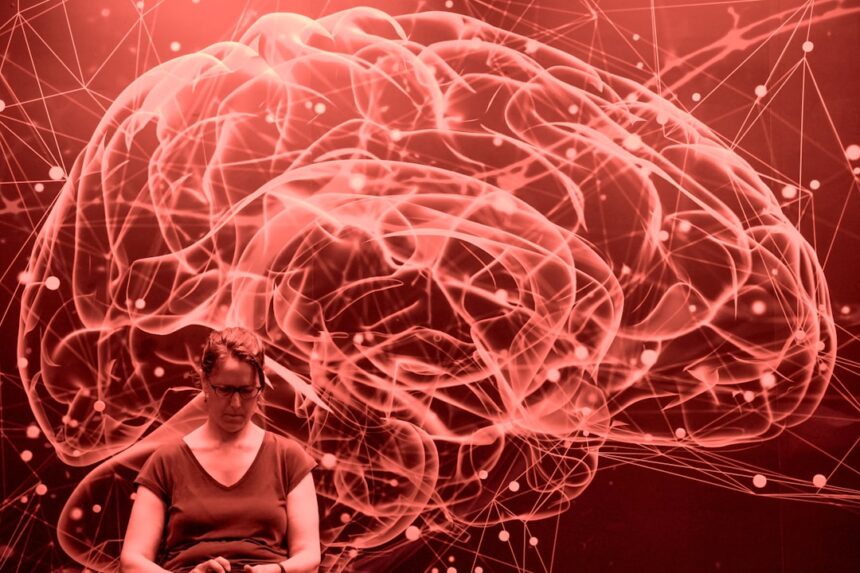
Neuroplasticity refers to the brain’s capacity to reorganize itself by forming new neural connections throughout an individual’s lifetime. This adaptability enables the brain to modify its activities in response to new situations, experiences, and injuries. Neuroplasticity occurs not only during childhood but continues to function throughout adulthood, playing an essential role in adult learning and recovery processes.
The brain’s plastic nature demonstrates that individuals can acquire new skills and recover from cognitive or physical impairments at any age. Neuroplasticity consists of two primary categories: functional plasticity and structural plasticity. Functional plasticity describes the brain’s ability to transfer functions from damaged regions to undamaged areas.
Structural plasticity involves the brain’s capacity to physically alter its structure in response to learning experiences. These mechanisms demonstrate the brain’s resilience and potential for adaptation, making neuroplasticity a significant focus in neuroscientific research and clinical applications. Knowledge of neuroplasticity principles supports cognitive health maintenance and facilitates continuous learning throughout life.
Key Takeaways
- Neuroplasticity enables the brain to adapt, learn, and recover by reorganizing neural pathways.
- Stimulating neuroplasticity through techniques like physical exercise and mindfulness can enhance cognitive function and mental health.
- Neuroplasticity plays a crucial role in rehabilitation after brain injury and in overcoming addiction.
- Maintaining neuroplasticity is vital for healthy aging and preserving memory and learning abilities.
- Ongoing research aims to unlock new methods to harness neuroplasticity for improved brain health and recovery.
The Role of Neuroplasticity in Learning and Memory
When you engage in learning, whether it’s picking up a new language or mastering a musical instrument, neuroplasticity is at work. The brain forms new synapses and strengthens existing connections, allowing you to retain information and skills more effectively. This process is essential for memory formation, as it enables the brain to encode, store, and retrieve information.
As you practice and repeat tasks, your brain becomes more efficient at processing related information, demonstrating the profound impact of neuroplasticity on your learning journey. Moreover, neuroplasticity plays a vital role in memory consolidation. When you learn something new, your brain initially stores that information in a temporary state.
Over time, through processes like sleep and rehearsal, these memories become more stable and integrated into your existing knowledge base. This transformation is a testament to the brain’s ability to adapt and reorganize itself, ensuring that you can access and utilize your memories effectively. By understanding this connection between neuroplasticity and memory, you can adopt strategies that enhance your learning experiences and improve your retention of information.
Harnessing Neuroplasticity for Rehabilitation and Recovery
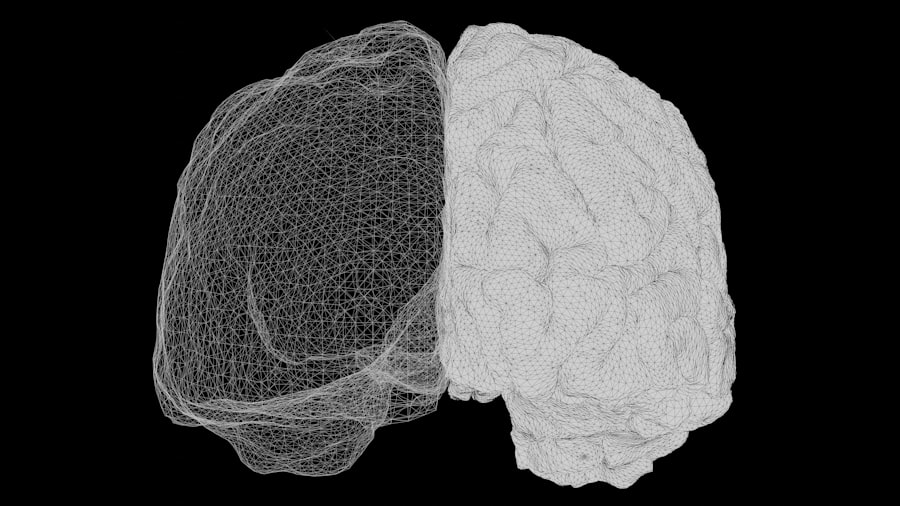
Neuroplasticity is particularly significant in the context of rehabilitation and recovery from injuries or neurological conditions. When you experience a stroke or traumatic brain injury, the affected areas of your brain may lose some of their functions. However, thanks to neuroplasticity, other parts of your brain can often compensate for these losses by taking over the functions of the damaged areas.
This remarkable ability underscores the importance of targeted rehabilitation programs that leverage neuroplasticity to promote recovery. In rehabilitation settings, therapists often employ various techniques designed to stimulate neuroplastic changes. These may include repetitive task practice, constraint-induced movement therapy, or even virtual reality environments that encourage engagement and motivation.
By actively participating in these therapeutic activities, you can facilitate the brain’s natural healing processes and enhance your recovery outcomes. Understanding how neuroplasticity works can inspire you to remain hopeful and proactive during your rehabilitation journey.
Techniques for Stimulating Neuroplasticity
To harness the power of neuroplasticity effectively, you can incorporate specific techniques into your daily routine. Engaging in activities that challenge your brain is one of the most effective ways to stimulate neuroplastic changes. This could involve learning a new skill, solving puzzles, or even playing strategy-based games that require critical thinking.
By pushing yourself out of your comfort zone, you encourage your brain to form new connections and pathways. Another powerful technique is mindfulness meditation. Research has shown that mindfulness practices can lead to structural changes in the brain, enhancing areas associated with attention, emotional regulation, and self-awareness.
By dedicating time each day to mindfulness exercises, you not only cultivate a sense of calm but also promote neuroplasticity in ways that can benefit your overall cognitive health. Combining these techniques with a commitment to lifelong learning can create a robust foundation for stimulating neuroplastic changes throughout your life.
The Impact of Neuroplasticity on Mental Health
| Metric | Description | Typical Range/Value | Relevance to Neuroplasticity |
|---|---|---|---|
| Synaptic Density | Number of synapses per unit volume in the brain | 10^9 synapses/mm³ (varies by region) | Increases with learning and rewiring, indicating enhanced connectivity |
| Long-Term Potentiation (LTP) | Strengthening of synapses following high-frequency stimulation | Measured as % increase in synaptic response (e.g., 150-200%) | Key mechanism underlying memory formation and neuroplasticity |
| Neurogenesis Rate | Rate of new neuron formation in adult brain regions (e.g., hippocampus) | Approx. 700 new neurons/day in adult human hippocampus | Supports brain rewiring and adaptation to new experiences |
| Axonal Sprouting | Growth of new axon terminals from existing neurons | Variable; increases after injury or learning | Facilitates formation of new neural circuits during recovery |
| Myelination Changes | Alterations in myelin sheath thickness and distribution | Increased myelination observed with skill learning | Enhances signal transmission speed, supporting efficient rewiring |
| Functional Connectivity | Correlation of activity between different brain regions | Measured by fMRI or EEG coherence values | Changes reflect dynamic rewiring and network reorganization |
Neuroplasticity also plays a crucial role in mental health, influencing how you respond to stress, trauma, and emotional challenges. The brain’s ability to adapt means that negative thought patterns or behaviors can be reshaped over time through therapeutic interventions. Cognitive-behavioral therapy (CBT), for example, leverages neuroplasticity by helping you identify and modify unhelpful thought patterns, ultimately leading to healthier emotional responses.
Additionally, practices such as mindfulness and meditation have been shown to promote positive neuroplastic changes that enhance emotional resilience. By cultivating awareness and acceptance of your thoughts and feelings, you can create new neural pathways that support mental well-being. Understanding the connection between neuroplasticity and mental health empowers you to take proactive steps toward improving your emotional landscape and fostering a healthier mindset.
Neuroplasticity and Aging: Maintaining Cognitive Function

As you age, maintaining cognitive function becomes increasingly important for overall quality of life. Neuroplasticity offers hope in this regard, as it suggests that the aging brain is not as rigid as once believed. Engaging in mentally stimulating activities can help preserve cognitive abilities by promoting the formation of new neural connections.
Activities such as reading, learning new skills, or even socializing with others can all contribute to maintaining cognitive vitality. Moreover, research indicates that physical exercise also plays a significant role in supporting neuroplasticity as you age. Regular physical activity has been linked to increased blood flow to the brain and the release of growth factors that promote neural health.
By combining mental challenges with physical exercise, you create an environment conducive to neuroplastic changes that can help stave off cognitive decline and enhance your overall well-being.
The Connection Between Neuroplasticity and Physical Exercise
The relationship between neuroplasticity and physical exercise is a compelling area of study that highlights how movement can influence brain health. When you engage in regular physical activity, your body releases various neurotrophic factors that support the growth and survival of neurons. This process not only enhances neuroplasticity but also contributes to improved mood and cognitive function.
Aerobic exercises, such as running or swimming, have been shown to be particularly effective in promoting neurogenesis—the creation of new neurons—in areas of the brain associated with memory and learning. Additionally, strength training has been linked to improvements in executive function and overall cognitive performance. By incorporating a balanced exercise routine into your life, you can harness the benefits of physical activity to stimulate neuroplastic changes that support both your body and mind.
Neuroplasticity and Brain Injury: Promoting Healing and Regeneration
In cases of brain injury, understanding neuroplasticity becomes essential for promoting healing and regeneration. After an injury, the brain undergoes a complex process of recovery where damaged areas may begin to heal while other regions adapt to take on lost functions. This adaptability is crucial for regaining abilities such as speech or motor skills.
Therapeutic interventions designed for individuals recovering from brain injuries often focus on maximizing neuroplastic potential. Techniques such as repetitive task training or mirror therapy encourage the brain to rewire itself by engaging in targeted activities that promote recovery. By actively participating in these therapies, you can facilitate the healing process and enhance your chances of regaining lost functions.
The Role of Neuroplasticity in Overcoming Addiction
Neuroplasticity also plays a significant role in understanding addiction and recovery from substance use disorders. When you engage in addictive behaviors, your brain undergoes changes that reinforce those behaviors through reward pathways. However, through targeted interventions such as therapy or support groups, it is possible to reshape these neural pathways over time.
Cognitive-behavioral therapy (CBT) is one approach that leverages neuroplasticity by helping individuals identify triggers for their addictive behaviors and develop healthier coping strategies. By consistently practicing these new behaviors and thought patterns, you can create lasting changes in your brain’s wiring that support recovery from addiction.
Neuroplasticity and Mindfulness: Cultivating a Healthy Brain
Mindfulness practices have gained popularity for their ability to promote mental well-being while also stimulating neuroplastic changes in the brain. Engaging in mindfulness meditation encourages you to focus on the present moment without judgment, fostering greater self-awareness and emotional regulation. Research has shown that regular mindfulness practice can lead to structural changes in areas of the brain associated with attention, empathy, and stress regulation.
By incorporating mindfulness into your daily routine, you not only cultivate a sense of calm but also create an environment conducive to positive neuroplastic changes. This practice can enhance your overall cognitive function while promoting emotional resilience—an invaluable combination for navigating life’s challenges.
Future Directions in Neuroplasticity Research
As research into neuroplasticity continues to evolve, exciting possibilities emerge for enhancing cognitive health across various populations. Future studies may explore innovative interventions aimed at maximizing neuroplastic potential in individuals with neurological disorders or age-related cognitive decline. Additionally, advancements in technology may lead to novel approaches for stimulating neuroplastic changes through virtual reality or biofeedback mechanisms.
Understanding neuroplasticity opens doors for personalized interventions tailored to individual needs—whether it’s enhancing learning capabilities or supporting recovery from injury or addiction. As our knowledge deepens, we may uncover even more ways to harness the power of neuroplasticity for improving mental health and overall well-being throughout life. In conclusion, embracing the concept of neuroplasticity empowers you to take control of your cognitive health at any stage of life.
By understanding how the brain adapts and reorganizes itself through experience and practice, you can implement strategies that promote lifelong learning, recovery from injury or addiction, and overall mental well-being. The future holds great promise for further exploration into this dynamic field—one that has the potential to transform lives through enhanced understanding of our most complex organ: the brain.
For a deeper understanding of this fascinating topic, you can explore an insightful article on the subject at Productive Patty, which discusses various aspects of nervous system rewiring and its implications for personal growth and healing.
FAQs
What is neuroplasticity?
Neuroplasticity is the brain’s ability to reorganize itself by forming new neural connections throughout life. This process allows the nervous system to adapt to new experiences, learn new information, and recover from injuries.
How does neuroplasticity affect the nervous system?
Neuroplasticity enables the nervous system to rewire itself by strengthening or weakening synapses, creating new neural pathways, and sometimes even generating new neurons. This adaptability helps improve cognitive functions, motor skills, and emotional regulation.
Can neuroplasticity help in recovery from brain injuries?
Yes, neuroplasticity plays a crucial role in recovery after brain injuries such as strokes or trauma. Through rehabilitation and therapy, the brain can reorganize and compensate for damaged areas by rerouting functions to healthy regions.
What factors influence neuroplasticity?
Several factors influence neuroplasticity, including age, environment, learning experiences, physical exercise, and overall health. Younger brains tend to be more plastic, but adults can also enhance neuroplasticity through mental and physical activities.
Is neuroplasticity only beneficial?
While neuroplasticity is generally beneficial, it can sometimes lead to maladaptive changes, such as chronic pain or addiction, where the nervous system reinforces harmful patterns. Understanding and guiding neuroplasticity is important for positive outcomes.
How can one promote neuroplasticity?
Neuroplasticity can be promoted through activities like learning new skills, engaging in physical exercise, practicing mindfulness or meditation, maintaining social interactions, and ensuring adequate sleep and nutrition.
Does neuroplasticity occur throughout life?
Yes, neuroplasticity occurs throughout life, although it is more pronounced during childhood. The adult brain retains the ability to change and adapt, which supports lifelong learning and recovery from neurological conditions.
What is the difference between structural and functional neuroplasticity?
Structural neuroplasticity refers to the brain’s ability to physically change its neural architecture, such as growing new neurons or synapses. Functional neuroplasticity involves changes in the efficiency or strength of existing neural connections without altering the physical structure.