
An identity dashboard represents a systematic framework for organizing and analyzing the various elements that constitute an individual’s sense of self. This conceptual tool encompasses measurable aspects of personal identity, including core values, behavioral patterns, and long-term objectives. Research in psychology and personal development indicates that individuals who maintain awareness of their identity components demonstrate improved decision-making capabilities and goal achievement rates.
The identity dashboard functions as a reference system for evaluating choices and responses to external circumstances. Studies show that self-aware individuals exhibit greater consistency between their stated values and actual behaviors, leading to reduced cognitive dissonance and increased life satisfaction. This framework enables individuals to identify discrepancies between their current actions and desired outcomes, facilitating targeted personal development efforts.
Key components of an identity dashboard include cultural influences, formative experiences, belief systems, and documented emotional patterns. Psychological research demonstrates that individuals who regularly assess these elements show improved self-regulation and adaptive responses to challenges. Data collection methods for identity assessment may include personality assessments, values inventories, and behavioral tracking systems.
Analysis of these components reveals recurring patterns that influence decision-making processes and interpersonal relationships. This systematic approach to self-understanding provides a foundation for evidence-based personal development strategies and goal-setting frameworks.
Key Takeaways
- Understand and define your personal identity dashboard to monitor growth effectively.
- Set clear, measurable goals and track key metrics to gauge your progress.
- Use data and self-reflection tools to analyze strengths and weaknesses objectively.
- Develop actionable plans and build a support network to stay accountable.
- Regularly review, adapt your dashboard, and celebrate milestones to sustain success.
Identifying Key Metrics for Success
Once you have a grasp on your identity dashboard, the next step is identifying key metrics for success. These metrics serve as benchmarks that help you measure your progress and achievements over time. Think of them as the vital signs of your personal development journey.
They can include aspects such as emotional well-being, career satisfaction, relationships, and personal growth. By pinpointing these metrics, you create a framework that allows you to evaluate where you stand and where you want to go. To effectively identify these key metrics, start by reflecting on what success means to you personally.
It’s essential to recognize that success is subjective; what works for one person may not resonate with another. Consider what areas of your life are most important to you and how you can quantify them. For instance, if maintaining healthy relationships is a priority, metrics could include the quality of your interactions or the frequency of meaningful conversations with loved ones.
By establishing these personalized metrics, you set the stage for a more focused and intentional approach to achieving your goals.
Setting Clear Goals and Objectives

With a clear understanding of your identity dashboard and key metrics in place, it’s time to set clear goals and objectives. Goals provide direction and purpose, acting as a roadmap for your journey toward success. When setting goals, it’s essential to ensure they are specific, measurable, achievable, relevant, and time-bound (SMART).
This framework helps you create actionable objectives that are realistic and attainable within a defined timeframe. As you formulate your goals, think about both short-term and long-term aspirations. Short-term goals can serve as stepping stones toward larger ambitions, providing motivation and a sense of accomplishment along the way.
For example, if one of your long-term goals is to advance in your career, a short-term goal might be to complete a relevant certification or attend networking events within the next six months. By breaking down your objectives into manageable tasks, you can maintain focus and momentum as you work toward achieving your vision.
Tracking Your Progress
Tracking your progress is an essential component of personal development that allows you to stay accountable and motivated.
This process not only provides valuable insights but also reinforces the importance of consistency in pursuing your goals.
To effectively track your progress, consider implementing a system that works best for you. This could be a journal where you document daily or weekly reflections on your achievements, challenges, and lessons learned. Alternatively, digital tools such as apps or spreadsheets can help you visualize your progress over time.
Whichever method you choose, make it a habit to review your progress regularly. This practice will not only keep you accountable but also allow you to celebrate small victories that contribute to your overall success.
Analyzing Your Strengths and Weaknesses
| Metric | Description | Importance | Typical Value/Range | Actionable Insight |
|---|---|---|---|---|
| Authentication Success Rate | Percentage of successful user authentications | High | 95% – 99.9% | Identify and reduce authentication failures to improve user experience |
| Failed Login Attempts | Number of unsuccessful login attempts | High | Varies by user base | Monitor for potential security threats or user issues |
| Multi-Factor Authentication (MFA) Adoption Rate | Percentage of users enrolled in MFA | High | 70% – 100% | Increase MFA adoption to enhance security posture |
| Average Time to Provision User | Time taken to create and enable a new user account | Medium | Minutes to hours | Optimize provisioning process to improve operational efficiency |
| Access Request Approval Time | Average time to approve user access requests | Medium | Hours to days | Streamline approval workflows to reduce delays |
| Number of Orphaned Accounts | Accounts without an active owner or user | High | Should be zero or minimal | Regularly review and remove orphaned accounts to reduce risk |
| Identity-Related Security Incidents | Number of security incidents related to identity management | High | As low as possible | Investigate and mitigate root causes to improve security |
| Self-Service Password Reset Usage | Percentage of password resets done via self-service | Medium | 30% – 70% | Encourage self-service to reduce helpdesk workload |
| Identity Data Accuracy | Percentage of user identity data that is accurate and up-to-date | High | 90% – 100% | Maintain data hygiene to ensure effective identity management |
As you continue on your journey of self-discovery and growth, analyzing your strengths and weaknesses becomes paramount. Understanding what you excel at can help you leverage those skills in various aspects of your life, while recognizing areas for improvement allows for targeted development. This dual analysis creates a balanced perspective that fosters both confidence and humility.
To begin this analysis, take some time to reflect on past experiences where you felt particularly successful or challenged. What skills or attributes contributed to those outcomes? Conversely, consider situations where you struggled—what weaknesses became apparent?
You might also seek feedback from trusted friends or mentors who can provide an outside perspective on your strengths and areas for growth. By embracing this comprehensive analysis, you can create a more nuanced understanding of yourself that informs future decisions and actions.
Leveraging Data to Make Informed Decisions
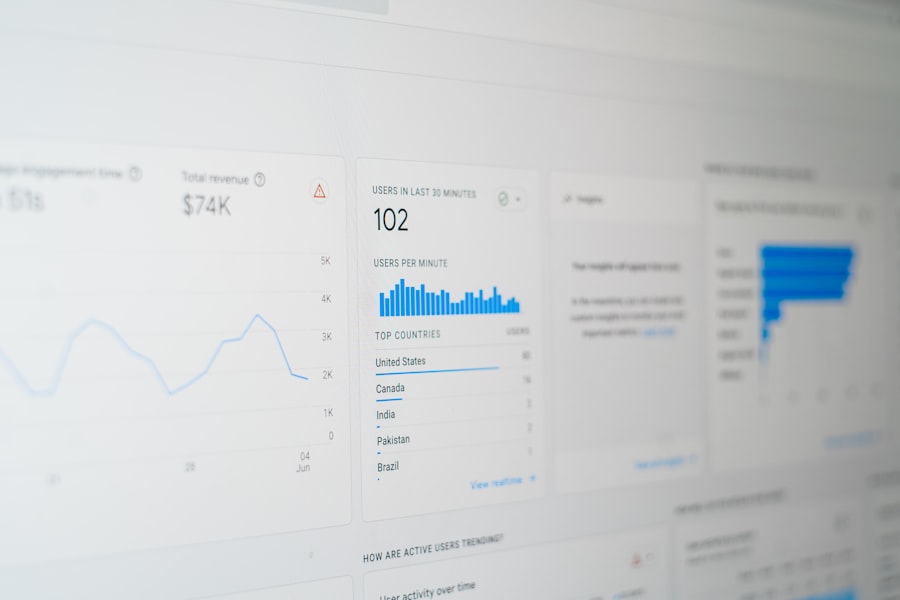
In an age where data is abundant, leveraging it to make informed decisions is more accessible than ever before. Your identity dashboard is essentially a collection of data points about yourself—your preferences, habits, and experiences—and using this information strategically can enhance your decision-making process. By analyzing trends in your behavior or outcomes related to specific choices, you can gain clarity on what works best for you.
For instance, if you’ve been tracking your productivity levels throughout the week, you may notice patterns indicating when you’re most focused or creative. This insight can guide how you structure your workdays or allocate time for specific tasks. Similarly, if you’re evaluating relationships in your life, data on how often you connect with certain individuals can help identify which relationships are thriving and which may need more attention.
By harnessing this data-driven approach, you empower yourself to make choices that align with your goals and values.
Utilizing Tools and Resources for Self-Reflection
Self-reflection is a powerful tool for personal growth, allowing you to gain deeper insights into your thoughts and feelings. To facilitate this process, consider utilizing various tools and resources designed for self-reflection. Journaling is one of the most effective methods; it provides a safe space for expressing emotions and processing experiences.
Writing down your thoughts can help clarify feelings and reveal patterns in behavior that may not be immediately apparent. In addition to journaling, there are numerous apps and online resources available that offer guided reflection exercises or prompts. These tools can help structure your self-reflection sessions and encourage deeper exploration of specific topics or emotions.
Engaging with these resources regularly can enhance your self-awareness and provide valuable insights into how to navigate challenges or pursue opportunities for growth.
Creating Action Plans for Improvement
Once you’ve identified areas for improvement through self-reflection and analysis of strengths and weaknesses, it’s time to create action plans for improvement. An action plan serves as a strategic roadmap that outlines specific steps you’ll take to address challenges or enhance skills. This structured approach not only clarifies what needs to be done but also instills a sense of accountability in following through with your intentions.
When developing an action plan, start by breaking down each area for improvement into manageable tasks. For example, if one of your weaknesses is public speaking, an action plan might include joining a local Toastmasters club, practicing speeches in front of friends or family, or taking an online course focused on communication skills. By setting clear deadlines for each task and regularly reviewing progress against these goals, you’ll create a proactive approach to personal development that fosters continuous improvement.
Building a Support Network for Accountability
Building a support network is essential for maintaining accountability as you pursue personal growth. Surrounding yourself with individuals who share similar goals or values can provide encouragement and motivation during challenging times. Whether it’s friends, family members, mentors, or colleagues, having a support system in place creates an environment conducive to growth.
To cultivate this network effectively, consider reaching out to those who inspire or challenge you positively. Share your goals with them and express how they can support you in achieving them—whether through regular check-ins or simply being there to celebrate milestones together. Additionally, consider joining groups or communities focused on personal development; these spaces often foster connections with like-minded individuals who can offer valuable insights and encouragement along the way.
Celebrating Milestones and Achievements
As you progress on your journey of self-discovery and growth, it’s crucial to take time to celebrate milestones and achievements along the way. Acknowledging these moments reinforces positive behavior and serves as motivation to continue striving toward your goals. Celebrations don’t have to be grand gestures; even small acknowledgments can have a significant impact on maintaining momentum.
Consider creating a ritual for celebrating achievements—this could be treating yourself to something special after completing a challenging task or sharing successes with friends or family members who have supported you throughout the process. By recognizing these milestones, you cultivate a positive mindset that encourages further growth while reinforcing the importance of perseverance in achieving long-term success.
Evolving and Adapting Your Identity Dashboard for Continued Success
Finally, remember that personal growth is an ongoing journey; therefore, evolving and adapting your identity dashboard is essential for continued success. As you gain new experiences and insights over time, it’s important to revisit the components of your identity dashboard regularly. This reflection allows you to assess whether your current metrics still align with who you are becoming or if adjustments are necessary.
Embrace change as an integral part of this process—your values may shift as life circumstances evolve or new opportunities arise. By remaining open-minded about these changes and willing to adapt accordingly, you’ll ensure that your identity dashboard remains relevant and reflective of your true self. Ultimately, this commitment to continuous evolution will empower you to navigate life’s challenges with resilience while pursuing fulfillment in all aspects of life.
When considering the essential metrics for an identity dashboard, it’s crucial to explore how these metrics can drive user engagement and satisfaction. A related article that delves deeper into this topic is available at Productive Patty, where you can find insights on optimizing dashboard performance and understanding user behavior through effective data visualization.
FAQs
What is an identity dashboard?
An identity dashboard is a centralized interface that provides visibility into identity-related metrics and data within an organization. It helps monitor and manage user identities, access permissions, and authentication activities.
Why are identity dashboard metrics important?
Identity dashboard metrics are important because they enable organizations to track the effectiveness of their identity and access management (IAM) strategies, detect security risks, ensure compliance, and improve operational efficiency.
What types of metrics are typically included in an identity dashboard?
Common metrics include user login activity, failed login attempts, access request approvals, privilege escalations, orphaned accounts, multi-factor authentication (MFA) adoption rates, and compliance status with identity policies.
How can identity dashboard metrics improve security?
By providing real-time insights into user behavior and access patterns, identity dashboard metrics help identify suspicious activities, enforce least privilege access, detect potential insider threats, and ensure timely revocation of access for terminated employees.
Who should use an identity dashboard?
Identity dashboards are primarily used by IT security teams, identity and access management professionals, compliance officers, and system administrators responsible for managing user identities and access controls.
Can identity dashboard metrics help with regulatory compliance?
Yes, identity dashboard metrics assist organizations in demonstrating compliance with regulations such as GDPR, HIPAA, SOX, and others by providing audit trails, access reports, and evidence of policy enforcement.
How often should identity dashboard metrics be reviewed?
Metrics should be reviewed regularly, often daily or weekly, depending on the organization’s risk profile and compliance requirements, to ensure timely detection and response to identity-related issues.
Are identity dashboard metrics customizable?
Yes, most identity dashboard solutions allow customization of metrics and reports to align with specific organizational goals, security policies, and compliance mandates.
What challenges exist in implementing an identity dashboard?
Challenges include integrating data from multiple identity sources, ensuring data accuracy, managing large volumes of data, and aligning metrics with business objectives and compliance needs.
How does an identity dashboard support identity governance?
An identity dashboard supports governance by providing visibility into access rights, enabling certification campaigns, tracking policy violations, and facilitating decision-making around identity lifecycle management.