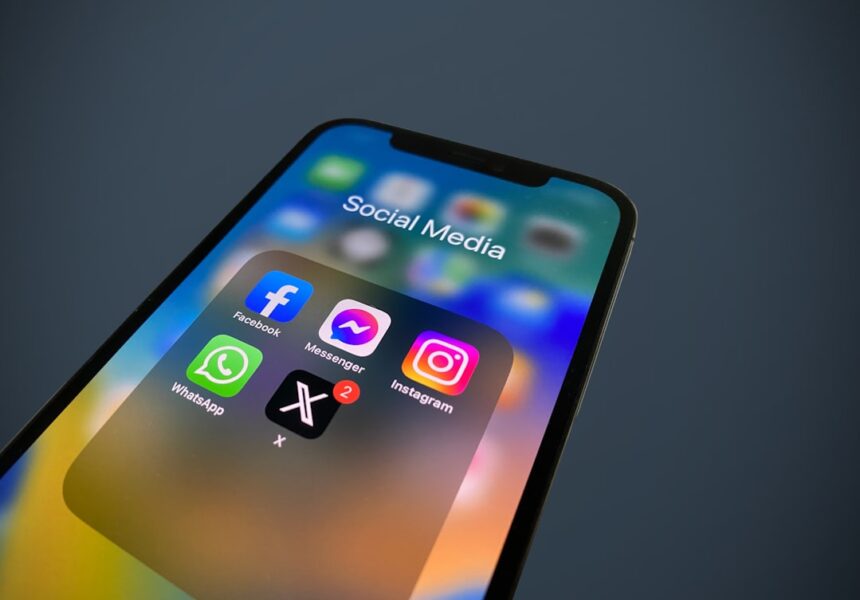
In today’s fast-paced digital landscape, notifications have become an integral part of your daily life. Every ping, buzz, or vibration from your smartphone or computer serves as a reminder of the constant stream of information vying for your attention. You may find yourself checking your device multiple times an hour, often without even realizing it.
This habitual behavior is not merely a quirk of modern technology; it is a learned response to the stimuli that notifications provide. Each alert can trigger a rush of dopamine, the feel-good neurotransmitter, reinforcing the cycle of checking and responding to notifications. As you navigate through your day, you might notice how notifications can dictate your focus and productivity.
Whether it’s a message from a friend, an email from work, or an update from a social media platform, these interruptions can fragment your attention and disrupt your workflow. Understanding this habit is the first step toward regaining control over your time and mental space. By recognizing how notifications influence your behavior, you can begin to make conscious choices about when and how to engage with technology.
Key Takeaways
- Constant notifications can lead to a habit of constantly checking our devices, which can impact our mental health.
- Excessive notifications can contribute to anxiety, stress, and decreased productivity.
- Signs of notification addiction include feeling anxious when not checking notifications, constantly checking for updates, and difficulty focusing on offline activities.
- Setting boundaries with technology, such as turning off notifications during certain times, can help reduce the impact on mental health.
- Creating a notification-free zone, such as during meals or before bedtime, can provide a break from constant digital interruptions.
The Impact of Constant Notifications on Mental Health
The incessant barrage of notifications can take a toll on your mental health. Research has shown that constant interruptions can lead to increased anxiety and stress levels. You may feel overwhelmed by the pressure to respond immediately, leading to a sense of urgency that permeates your daily life.
This pressure can create a cycle of anxiety, where the fear of missing out (FOMO) drives you to stay connected at all times, even when it detracts from your well-being. Moreover, the impact of notifications extends beyond immediate stress. Over time, you might find that your ability to concentrate diminishes, making it harder to engage in deep work or enjoy leisure activities.
The constant need to check your device can lead to feelings of inadequacy or dissatisfaction, as you compare your life to the curated images and updates of others. Recognizing these effects is crucial in understanding how to mitigate them and reclaim your mental health.
Recognizing the Signs of Notification Addiction
As you reflect on your relationship with technology, it’s essential to recognize the signs of notification addiction. You might find yourself reaching for your phone during conversations or feeling anxious when you don’t have immediate access to it. These behaviors can indicate that notifications have taken precedence over real-life interactions and experiences.
If you often feel compelled to check your device even when you’re engaged in other activities, it may be time to assess how deeply ingrained this habit has become. Another sign of notification addiction is the emotional response you experience when you receive alerts. If you feel a rush of excitement or anxiety with each notification, it’s a clear indication that your brain has been conditioned to respond to these digital cues.
Acknowledging these signs is the first step toward breaking free from the cycle of dependency on notifications and finding healthier ways to engage with technology.
Setting Boundaries with Technology
| Metrics | Data |
|---|---|
| Screen Time Limit | 2 hours per day |
| Device-Free Zones | Dining table, bedrooms |
| Notification Settings | Turn off non-essential notifications |
| Family Tech-Free Time | 1 hour before bedtime |
Establishing boundaries with technology is vital for regaining control over your time and mental space. You can start by designating specific times during the day when you will check notifications, rather than allowing them to interrupt your focus at any moment. For instance, you might choose to check your emails only in the morning and late afternoon, creating a structured routine that minimizes distractions throughout the day.
Additionally, consider turning off non-essential notifications altogether. By customizing your settings, you can prioritize alerts that truly matter while silencing those that do not contribute positively to your life. This intentional approach allows you to reclaim your attention and focus on what’s important without being constantly pulled away by digital distractions.
Creating a Notification-Free Zone
Creating a notification-free zone in your home or workspace can significantly enhance your ability to concentrate and unwind. Designate specific areas where devices are not allowed, such as the dining room or bedroom. This practice encourages more meaningful interactions with family and friends during meals and promotes better sleep hygiene by reducing screen time before bed.
You might also consider implementing “tech-free” hours during which you engage in activities without the interference of notifications. Whether it’s reading a book, practicing a hobby, or simply enjoying quiet time, these moments can help you reconnect with yourself and foster a sense of peace that is often lost in our hyperconnected world.
Practicing Mindfulness and Meditation
Incorporating mindfulness and meditation into your daily routine can be an effective way to counteract the effects of constant notifications. Mindfulness encourages you to be present in the moment, allowing you to fully engage with your surroundings without the distraction of digital devices. You might start with just a few minutes each day, focusing on your breath or observing your thoughts without judgment.
Meditation can also help cultivate a sense of calm and clarity amidst the chaos of notifications. By dedicating time each day to sit quietly and reflect, you create space for self-awareness and emotional regulation. This practice not only enhances your ability to manage stress but also empowers you to make more intentional choices about how you interact with technology.
Engaging in Offline Activities
To break free from the grip of notifications, consider engaging in offline activities that bring you joy and fulfillment. Whether it’s painting, hiking, cooking, or playing an instrument, immersing yourself in hobbies allows you to experience life beyond the screen. These activities not only provide a welcome distraction from digital noise but also foster creativity and personal growth.
You may also find that spending time with loved ones without the interference of devices enhances your relationships. Organizing game nights, outdoor adventures, or simply enjoying a meal together can create lasting memories that are far more meaningful than any notification could provide. By prioritizing offline experiences, you enrich your life and cultivate deeper connections with those around you.
Establishing a Digital Detox Routine
A digital detox routine can be an effective way to reset your relationship with technology and reduce reliance on notifications. Consider setting aside specific days or weekends where you intentionally disconnect from all digital devices. During this time, focus on activities that nourish your mind and body—such as exercising, reading, or spending time in nature.
As you embark on this detox journey, reflect on how it feels to be free from constant notifications. You may discover newfound clarity and peace as you allow yourself to unplug from the digital world. This practice not only helps break the cycle of addiction but also encourages you to appreciate the present moment without distractions.
Seeking Support and Accountability
Embarking on a journey toward reducing notification dependency can be challenging, but seeking support from friends or family can make a significant difference. Share your goals with those close to you and encourage them to join you in creating healthier tech habits. Having an accountability partner can motivate you to stay committed to your goals while providing encouragement along the way.
You might also consider joining online communities or local groups focused on digital wellness. Engaging with others who share similar experiences can provide valuable insights and strategies for managing technology use effectively. By surrounding yourself with supportive individuals, you create an environment conducive to positive change.
Reconnecting with Nature
Reconnecting with nature is another powerful way to counteract the effects of constant notifications.
Whether it’s taking a walk in the park, hiking in the mountains, or simply sitting by a lake, these experiences can ground you and provide a sense of tranquility.
Nature has a unique ability to rejuvenate the mind and spirit. As you step away from screens and immerse yourself in natural surroundings, you may find that your thoughts become clearer and more focused. This reconnection with nature not only enhances your well-being but also serves as a reminder of life’s simple pleasures beyond technology.
Finding Balance in a Hyperconnected World
Ultimately, finding balance in our hyperconnected world requires intentionality and self-awareness. It’s essential to recognize that while technology offers numerous benefits, it should not dominate your life or dictate your happiness. By implementing strategies such as setting boundaries, creating notification-free zones, practicing mindfulness, engaging in offline activities, establishing detox routines, seeking support, and reconnecting with nature, you can cultivate a healthier relationship with technology.
As you navigate this journey toward balance, remember that it’s okay to enjoy technology while also prioritizing your mental health and well-being. Embrace the power of choice—decide when and how technology serves you rather than allowing it to control your life. In doing so, you’ll discover a more fulfilling existence that harmonizes both digital engagement and real-life experiences.
If you’re struggling with the constant urge to check your notifications, you’re not alone. Many people find it challenging to break free from the cycle of incessantly checking their devices. A related article that might help you is available on Productive Patty’s website. It offers practical tips and strategies to help you regain control over your digital habits.